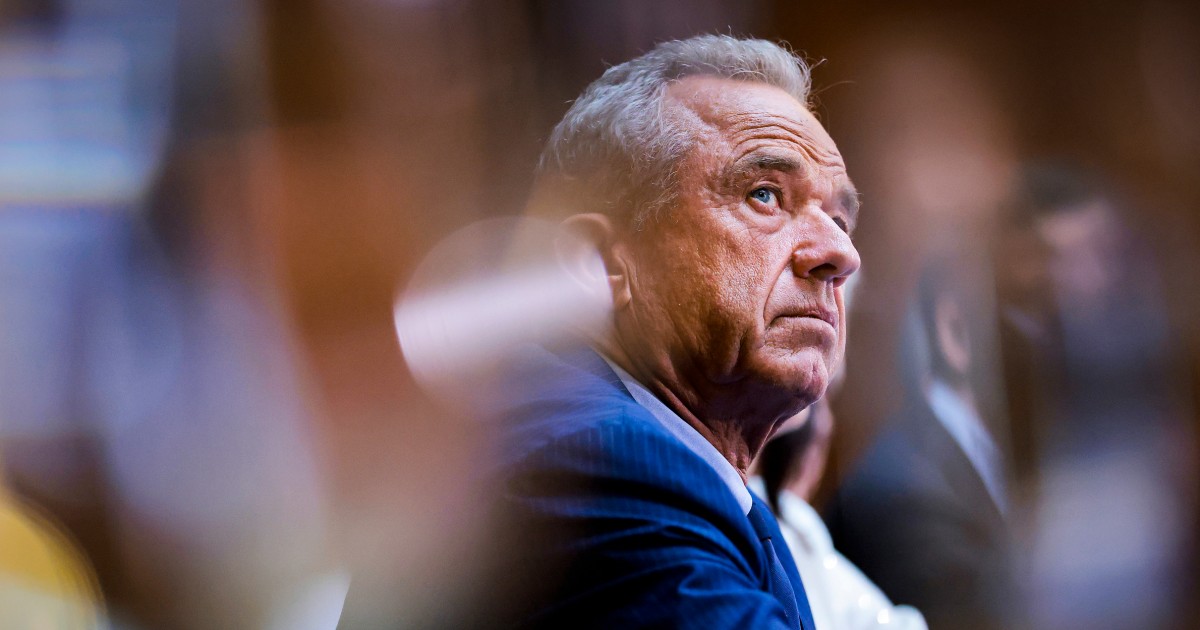
Photo via NBC News

FDA orders new warning on GLP-1s over rare eye condition linked to sudden blindness

Read the original at NBC News ↗
Cite

Jr., B. L. (2026, November 9). FDA orders new warning on GLP-1s over rare eye condition linked to sudden blindness. NBC News. https://www.nbcnews.com/health/health-care/fda-orders-new-warning-glp-1s-rare-eye-condition-linked-sudden-blindne-rcna608309

Dated from the outlet's own feed. Check the original for its byline.

NBC News · collected 2026-11-09 · by Berkeley Lovelace Jr.

Quick Summary

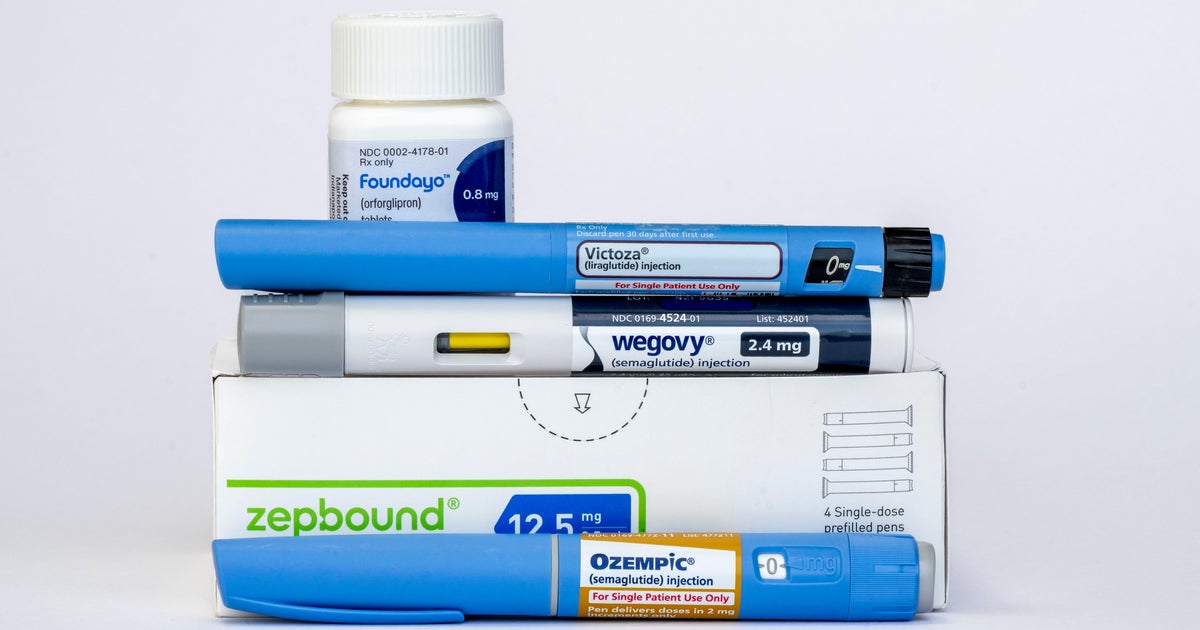
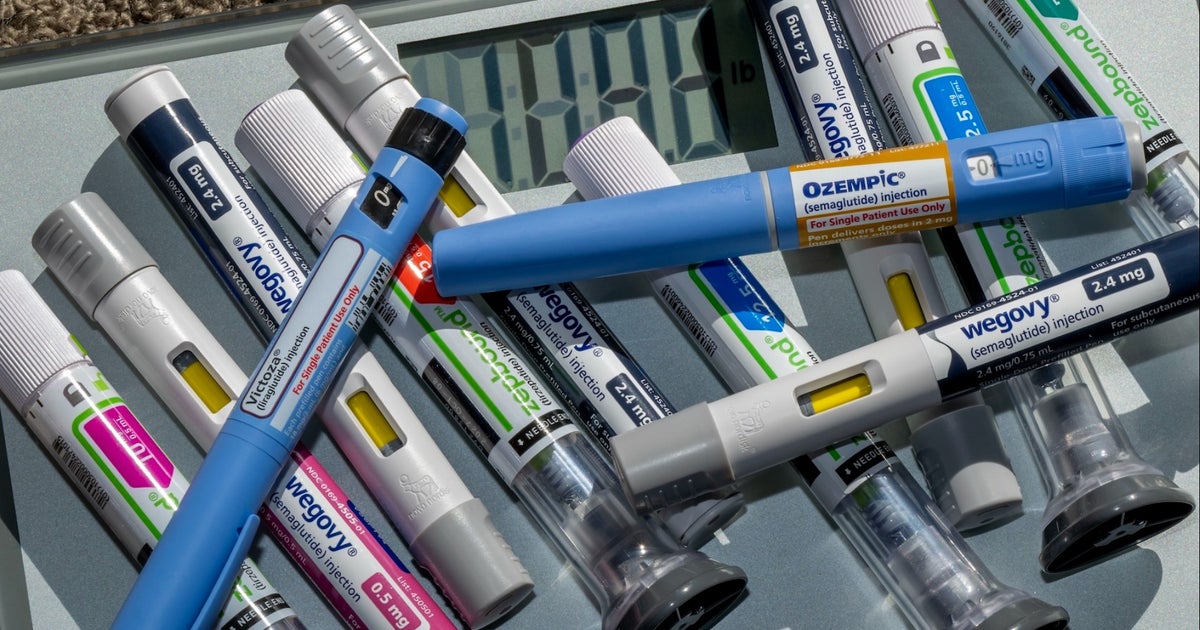
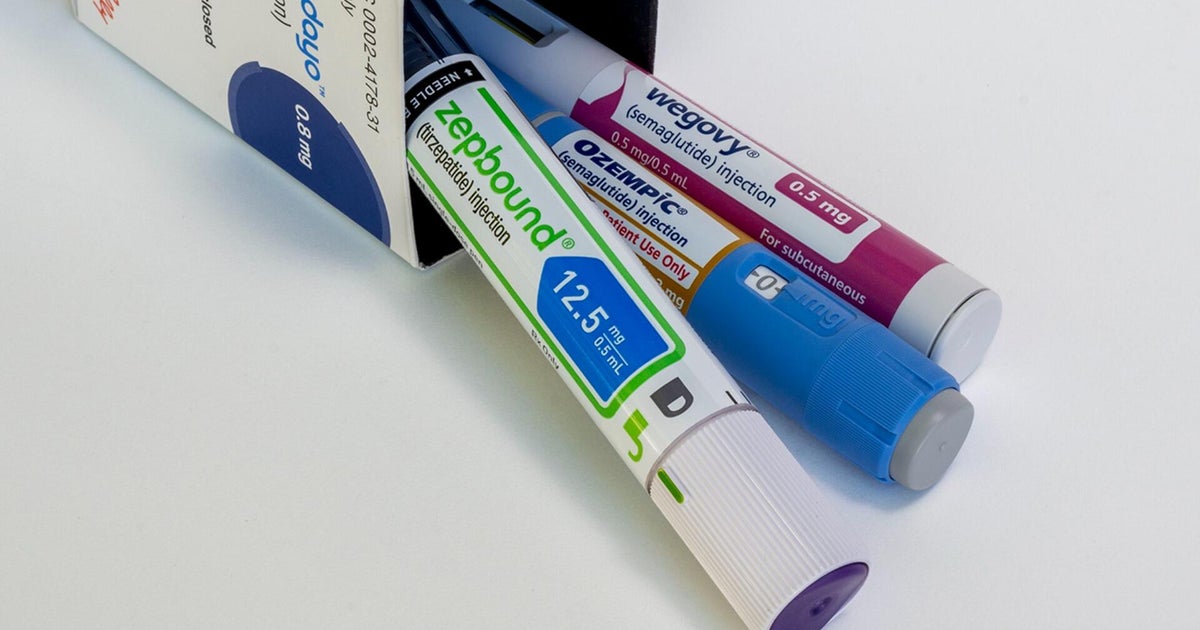
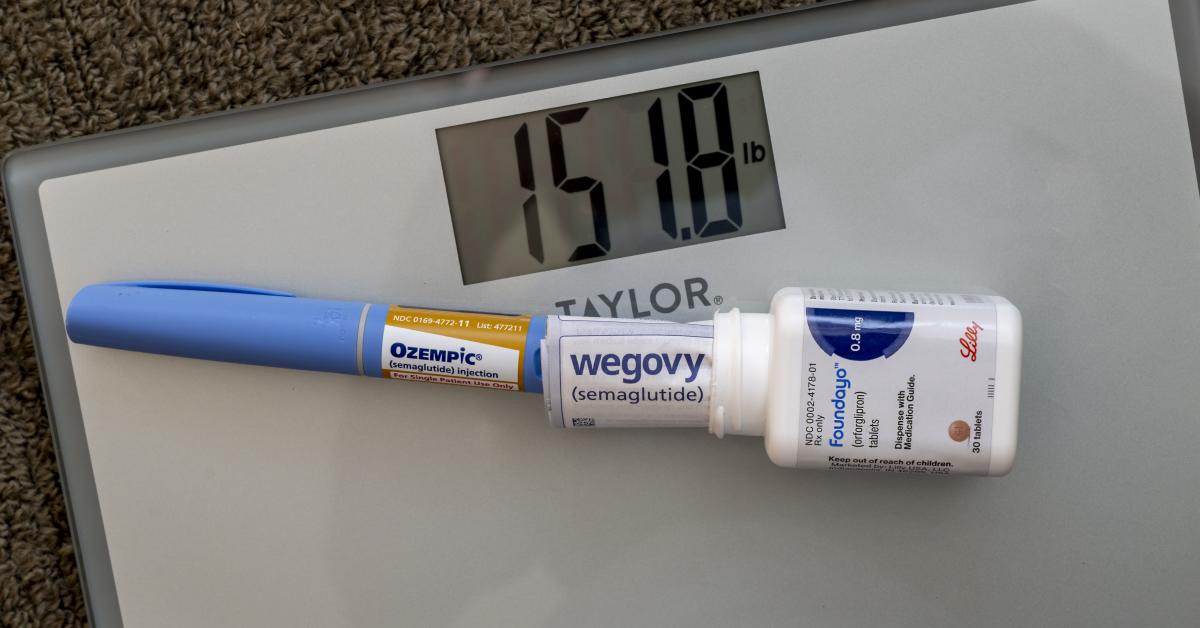
The Food and Drug Administration has mandated that manufacturers of GLP-1 drugs, such as Novo Nordisk’s Ozempic and Wegovy and Eli Lilly’s Mounjaro and Zepbound, include warnings about a rare eye condition called nonarteritic anterior ischemic optic neuropathy (NAION) which can cause sudden blindness. This decision follows research indicating an increased risk of NAION in patients using GLP-1 medications, particularly after a 2024 study published in JAMA Ophthalmology showed diabetes patients on semaglutide had four times the likelihood of developing NAION compared to those not taking the drug. Cases of NAION have been reported across all marketed GLP-1 drugs, though the exact mechanism by which these drugs increase the risk is unclear.
Written by AI on 2026-11-10, from this article's own text only (the story summary below draws on all the coverage).
See how they differ ↓

AI analysis

Story summary

The U.S. Food and Drug Administration (FDA) has ordered makers of popular weight-loss GLP-1 drugs such as Ozempic, Wegovy, Mounjaro, and Zepbound to add warnings about a rare eye condition called nonarteritic anterior ischemic optic neuropathy (NAION), which can cause sudden and permanent vision loss. The FDA announced on November 9, 2026, that the new warning follows research linking GLP-1 drugs to an increased risk of NAION, where patients may experience painless vision loss in one eye upon waking. This condition affects the optic nerve and can result in significant vision impairment or blindness. While some studies indicate a potential link between these drugs and NAION, more research is needed to fully understand the relationship, especially considering that many patients with risk factors for NAION might already have conditions like diabetes or obesity before starting GLP-1 therapy.

Written for “FDA Warns GLP-1 Drugs Eye Risk” on 2026-11-21, grounded in this article and the 11 other(s) covering the same event.

How they differ

8 outlets covered “FDA Warns GLP-1 Drugs Eye Risk”.

What each outlet says

One AI summary per outlet of its latest article on this story, written from that article alone and checked against it. Open the article for the outlet's own words.

NBC NewsThis outlet9 Nov

The Food and Drug Administration has mandated that manufacturers of GLP-1 drugs, such as Novo Nordisk’s Ozempic and Wegovy and Eli Lilly’s Mounjaro and Zepbound, include warnings about a rare eye condition called nonarteritic anterior ischemic optic neuropathy (NAION) which can cause sudden blindness. This decision follows research indicating an increased risk of NAION in patients using GLP-1 medications…

FDA orders new warning on GLP-1s over rare eye condition linked to sudden blindness (this article)
The Independent10 Nov

The U.S. Food and Drug Administration has required manufacturers of weight-loss drugs like Ozempic and Wegovy to include warnings about a rare eye condition called NAION that can lead to permanent vision loss. The FDA’s decision, made after reviewing reports from over 134,000 patients, found an increased risk of six cases per 100,000 people annually for those taking GLP-1 drugs compared to about four cases among…

Weight loss drugs linked to new rare side effect as new warning labels required →2 articles from The Independent on this story
New York Post9 Nov

The FDA has mandated that manufacturers update warning labels on GLP-1 drugs like Ozempic and Wegovy to include a potential risk of nonarteritic anterior ischemic optic neuropathy (NAION), an eye condition that can lead to permanent vision loss or blindness. This decision follows a study showing diabetes patients taking semaglutide are four times more likely to develop NAION compared to those not using the drug…

GLP-1 drugs must have new warning label over incurable blindness condition, says FDA →
Just the News10 Nov

The Food and Drug Administration will require weight loss drugs like Ozempic and Wegovy to include warnings about a rare side effect that can lead to permanent vision loss due to non-arteritic anterior ischemic optic neuropathy. This condition, which has been reported with all GLP-1 drugs used for obesity and diabetes management, can result in significant vision impairment. The FDA initiated this review following a…

Weight loss drugs, such as Ozempic, to carry FDA warning about rare vision-loss side effects →
Global News10 Nov

The FDA announced on Monday that it will require drug labels for GLP-1 medications, including Ozempic and Wegovy, to include a warning about the rare but serious risk of non-arteritic anterior ischemic optic neuropathy (NAION), which can lead to permanent vision loss. Based on an analysis of over 125 clinical trials, the condition occurs in approximately six out of every 100,000 patients using GLP-1 drugs for at…

FDA to require vision loss warning on GLP-1 drug labels →
Show 2 more outlets
The Guardian10 Nov

The US FDA has issued a warning about GLP-1 weight loss medications, including Novo Nordisk’s Ozempic and Wegovy, Eli Lilly’s Mounjaro and Zepbound, and Sanofi’s Soliqua, due to the risk of nonarteritic anterior ischemic optic neuropathy (NAION), which can cause sudden blindness. The FDA reviewed 126 clinical trials involving over 134,200 patients and found a higher incidence rate of NAION in GLP-1 users compared to…

FDA warns of rare eye condition causing blindness from GLP-1 weight loss medications →
BBC10 Nov

The FDA has instructed manufacturers of GLP-1 drugs like Ozempic, Wegovy, Mounjaro, and Zepbound to include warnings about a rare eye condition called nonarteritic anterior ischemic optic neuropathy (NAION), which can cause sudden blindness. NAION occurs when blood vessels supplying the optic nerve are blocked, leading to vision loss that may be permanent. The FDA’s decision is based on its review of reports and…

Makers of GLP-1 drugs ordered to add warnings about rare eye condition that can lead to blindness →

Where they agree and split

Framing

How the first headlines put it

Attributed to a source1
Stated as fact3
The headlines (4)

GLP-1 drugs must have new warning label over incurable blindness condition, says FDA New York Post · attributed to a source

US is requiring weight-loss drug makers to warn about possible loss of eye sight The Independent · stated as fact

FDA orders new warning on GLP-1s over rare eye condition linked to sudden blindness NBC News · stated as fact

FDA warns of rare vision-loss side effect from GLP-1 drugs CBS News · stated as fact

The full story: what happened, how it changed, and all 12 articles →

Compared with similar articles

This article reads unscored and hedges 18% of its claims. Each row says how that neighbour differs.
BBC News
Hedges 4 of 19 claims Outlet record 65/100
CBS News
Hedges 4 of 25 claims Outlet record 66/100
New York Post
Hedges 2 of 18 claims Outlet record 66/100
CBS News
Outlet record 66/100
Global News
Hedges 2 of 18 claims Outlet record 63/100
CBS News
Hedges 0 of 2 claims Outlet record 66/100
The Guardian
Hedges 2 of 20 claims Outlet record 64/100
The Independent
Hedges 1 of 4 claims Outlet record 59/100
The Independent
Hedges 3 of 30 claims Outlet record 59/100
Just The News
Hedges 1 of 8 claims Outlet record 59/100

Story

FDA Warns GLP-1 Drugs Eye Risk
Health · 12 article(s) covering the same event. Compare every outlet's account →
How this article was measured signals, leaning charts, publisher record, byline, topics and claims

Signals How these are calculated →

Claims extracted
17
sentences that state something as happening or true
Uncertain
18%
3 of 17 hedged ("reportedly", "may", "according to")
Leaning
not political
takes no side on a contested political question
Publisher signals
74/100
NBC News's corrections and hedging, across everything collected from it. Not a measure of accuracy.
Outlets on this story
12
Health
Same framing elsewhere
1
articles that frame the event the way this one does
Analyzed 2026-11-10 · how these are computed

How this is being covered How these are calculated →

Article leaning vs. publisher reliability
Source leaning vs. consistency

Publisher

NBC News · 2731 article(s) · 5 correction(s) detected
Running correction rate · 5 correction(s)

Who wrote this

Berkeley Lovelace Jr.
11 article(s) here · 1 carrying a prediction
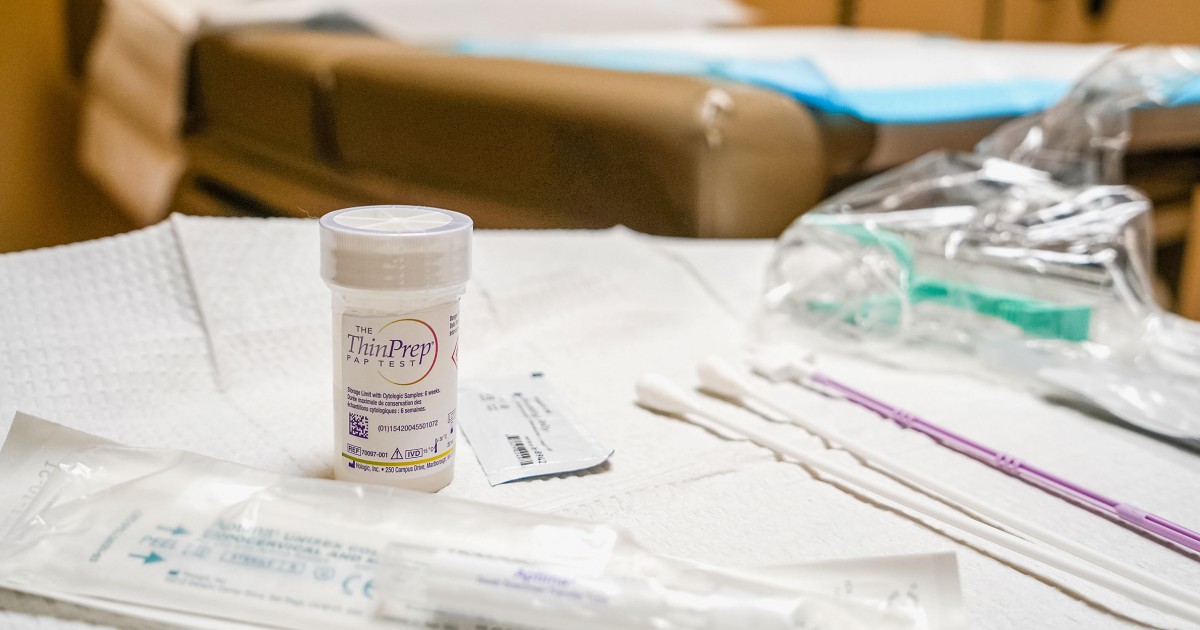
Women can also opt for a self-administered HPV test, a major change from the U.S. Preventive Services Task Force that could affect how millions of women are screened for cervical cancer.
Previous research has found that GLP-1 use may increase the risk of NAION, and Lilly has said it was aware of studies on the potential link.
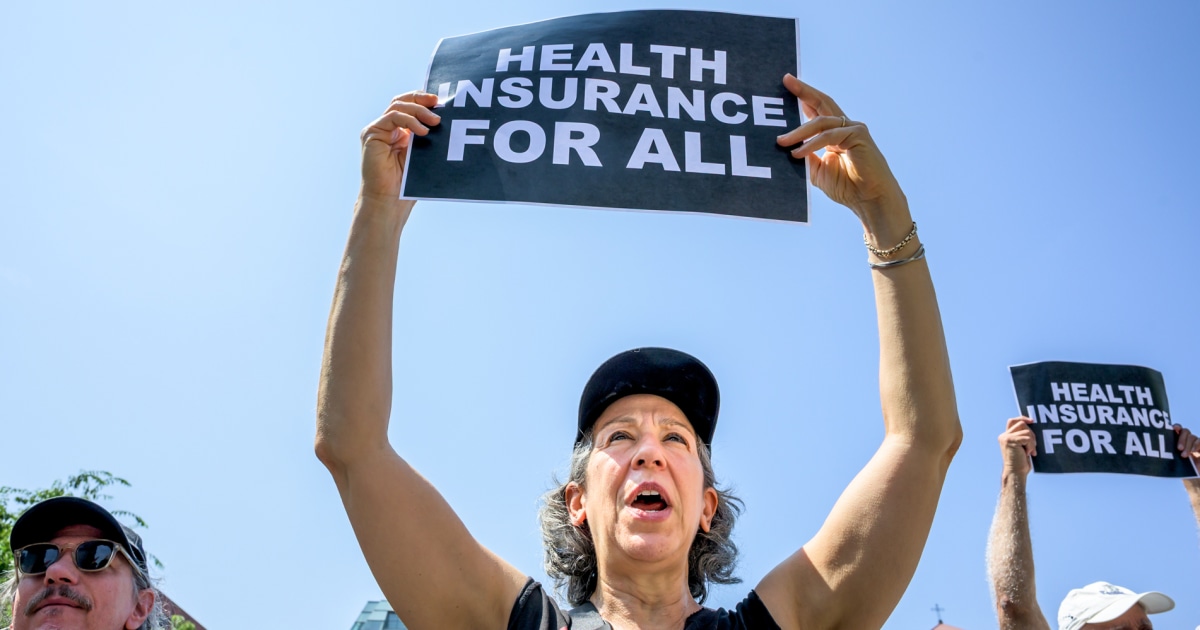
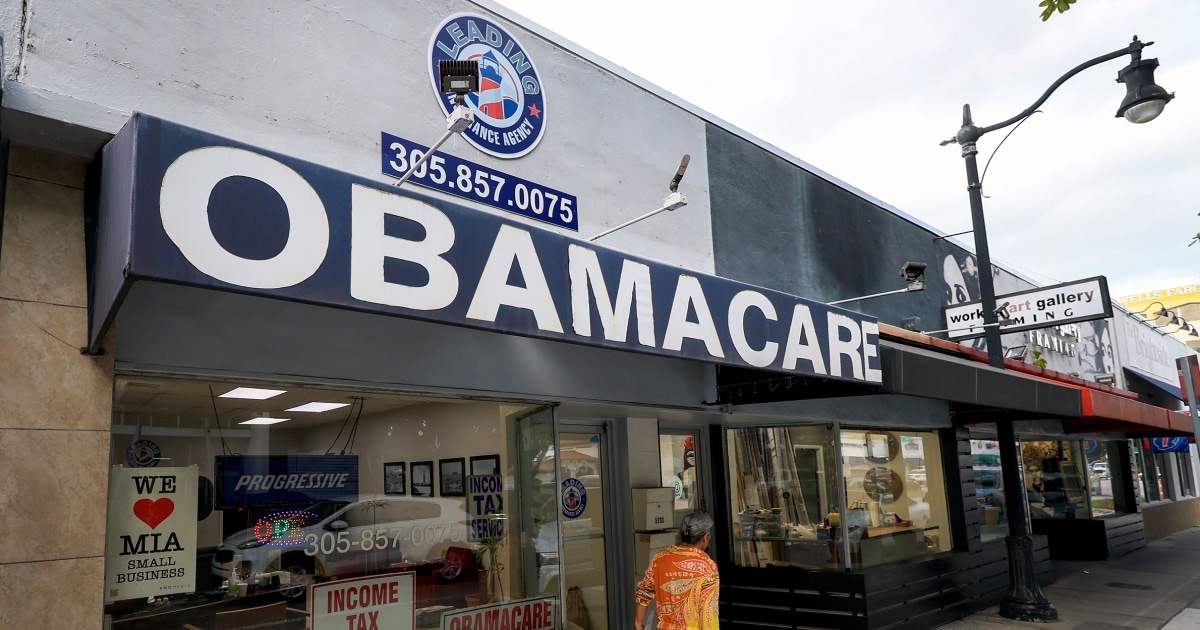
Democrats’ victories in the midterm elections could have a major impact on Americans’ healthcare, from how much people pay for health insurance and prescription drugs to what coverage is available to them, according to health policy experts and former White House advisers.
“Who knows who will cover me in 2027 or how much more it’ll cost,” Mroch said.
In a notice filed Wednesday, the agency said it would exercise “enforcement discretion,” meaning it will not take legal action against compounding pharmacies that make the six unapproved peptides.
Researchers focused on those drugs because patients don’t have the option of switching to cheaper versions, meaning the discounts offered through TrumpRx could have a greater impact on what they pay.
She added, however, that retatrutide “may be too strong for some patients,” particularly those with only mild diabetes or slightly elevated weight.
Dr. Heidi Overton, a fierce opponent of abortion rights, is set to appear before senators Thursday for her confirmation hearing to lead the Food and Drug Administration.
The cuts, Vance said, would save U.S. taxpayers $2.2 billion.
It’s too early to predict how severe the upcoming flu season will be and the Centers for Disease Control and Prevention hasn’t started tracking cases yet.
Also by Berkeley Lovelace Jr.
Nothing else under this byline is closely related to this article, so these are simply their most recent.
All 11 articles by Berkeley Lovelace Jr. →

Topics

FDA Lilly Novo Nordisk Novo Nordisk’s The Food and Drug Administration

Subjects

FDA ORG · 6× Lilly ORG · 2× Novo Nordisk ORG · 2× Eli Lilly ORG · 1× Eli Lilly’s ORG · 1× JAMA Ophthalmology ORG · 1× Novo Nordisk’s ORG · 1× The Food and Drug Administration ORG · 1× U.S. GPE · 1× the American Academy of Ophthalmology ORG · 1×

Narrative

“Patients and caregivers should be aware of a potential increased risk of NAION, a rare condition that can result in acute, painless, decreased vision in one eye, including permanent vision loss,” with GLP-1 use, the FDA said in the release.
framing: assertive · carried by 1 article(s) · first seen 2026-11-10
Previous research has found that GLP-1 use may increase the risk of NAION, and Lilly has said it was aware of studies on the potential link.

Claims (17 extracted, 3 hedged)

The Food and Drug Administration said Monday that GLP-1 drugmakers must add a warning label about a rare eye condition that can cause sudden blindness. asserted
that → say → blindness
The condition, called nonarteritic anterior ischemic optic neuropathy, or NAION, affects the optic nerve, which carries signals from the eye to the brain. asserted
which → call → brain
When blood flow to the nerve is reduced or blocked, it can cause sudden vision loss. asserted
it → reduce → loss
The condition is permanent with no known treatment. asserted
condition → know → treatment
The FDA said “there is a potential increased risk of rare NAION” in people taking GLP-1 drugs. asserted
FDA → say → drugs
The agency’s requirement applies to all GLP-1s, including Novo Nordisk’s Ozempic and Wegovy and Eli Lilly’s Mounjaro and Zepbound, as well as several older GLP-1 diabetes medications. asserted
requirement → apply → Ozempic
Spokespeople for both Novo Nordisk and Eli Lilly said patient safety is their top priority. asserted
safety → say → Nordisk
Previous research has found that GLP-1 use may increase the risk of NAION, and Lilly has said it was aware of studies on the potential link. uncertain
it → find → link
The FDA said it began looking into a possible link after a 2024 study published in JAMA Ophthalmology that found diabetes patients prescribed semaglutide were four times as likely to develop NAION as those not prescribed the drug. asserted
patients → say → drug
The agency said it reviewed reports of side effects submitted to its adverse event monitoring system and analyzed data from multiple clinical trials. asserted
it → say → trials
Cases of NAION have been reported for all currently marketed GLP-1 drugs, the FDA found. asserted
FDA → report → drugs
However, FDA scientists were not able to identify a mechanism for how the drugs could increase the risk of the eye condition. uncertain
drugs → identify → condition
Risk factors for NAION can overlap with conditions seen in people taking GLP-1 drugs, including Type 2 diabetes, sleep apnea and hypertension. asserted
factors → overlap → diabetes
NAION is the second most common optic nerve disease in the U.S., occurring in up to 10 out of 100,000 people over age 50, according to the American Academy of Ophthalmology. uncertain
NAION → occur → Ophthalmology
“Patients and caregivers should be aware of a potential increased risk of NAION, a rare condition that can result in acute, painless, decreased vision in one eye, including permanent vision loss,” with GLP-1 use, the FDA said in the release. asserted
FDA → increase → release
The drug labels from Novo Nordisk and Lilly also carry other warnings, including for pancreatitis, gallbladder problems and kidney injury. asserted
labels → carry → pancreatitis
The labels also carry a black box warning — the FDA’s strongest safety warning — about a possible risk of thyroid tumors. asserted
labels → carry → tumors
Give feedback · no sign-in needed

No sign-in needed for now. Your note is sent without a name, so it cannot be answered.

History Support