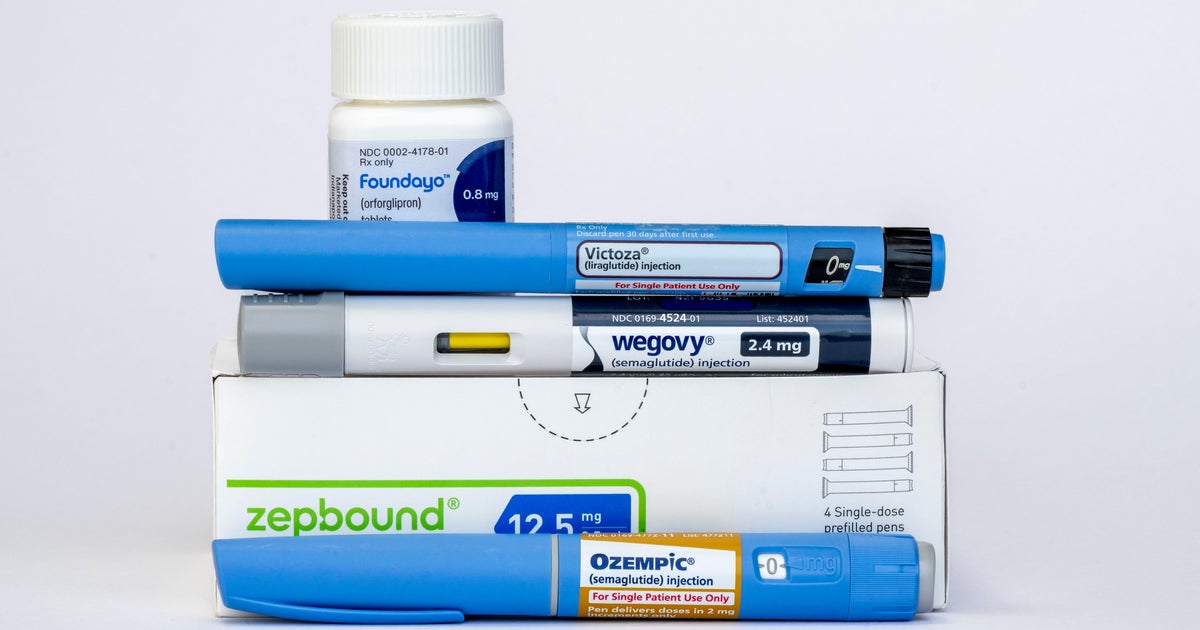
Photo via The Independent

Weight loss drugs linked to new rare side effect as new warning labels required

Read the original at The Independent ↗
Cite

Musto, J. (2026, November 10). Weight loss drugs linked to new rare side effect as new warning labels required. The Independent. https://www.independent.co.uk/news/health/weight-loss-drugs-fda-warning-vision-loss-b3082469.html

Dated from the outlet's own feed. Check the original for its byline.

The Independent · collected 2026-11-10 · by Julia Musto

Quick Summary

The U.S. Food and Drug Administration has required manufacturers of weight-loss drugs like Ozempic and Wegovy to include warnings about a rare eye condition called NAION that can lead to permanent vision loss. The FDA’s decision, made after reviewing reports from over 134,000 patients, found an increased risk of six cases per 100,000 people annually for those taking GLP-1 drugs compared to about four cases among those not using these medications. Drug makers such as Novo Nordisk and Eli Lilly are responding by prioritizing patient safety while maintaining their confidence in the overall benefits of their products.
Written by AI on 2026-11-10, from this article's own text only (the story summary below draws on all the coverage).
See how they differ ↓

AI analysis

Story summary

The U.S. Food and Drug Administration (FDA) has ordered makers of popular weight-loss GLP-1 drugs such as Ozempic, Wegovy, Mounjaro, and Zepbound to add warnings about a rare eye condition called nonarteritic anterior ischemic optic neuropathy (NAION), which can cause sudden and permanent vision loss. The FDA announced on November 9, 2026, that the new warning follows research linking GLP-1 drugs to an increased risk of NAION, where patients may experience painless vision loss in one eye upon waking. This condition affects the optic nerve and can result in significant vision impairment or blindness. While some studies indicate a potential link between these drugs and NAION, more research is needed to fully understand the relationship, especially considering that many patients with risk factors for NAION might already have conditions like diabetes or obesity before starting GLP-1 therapy.

Written for “FDA Warns GLP-1 Drugs Eye Risk” on 2026-11-21, grounded in this article and the 11 other(s) covering the same event.

How they differ

8 outlets covered “FDA Warns GLP-1 Drugs Eye Risk”.

What each outlet says

One AI summary per outlet of its latest article on this story, written from that article alone and checked against it. Open the article for the outlet's own words.

The IndependentThis outlet10 Nov

The U.S. Food and Drug Administration has required manufacturers of weight-loss drugs like Ozempic and Wegovy to include warnings about a rare eye condition called NAION that can lead to permanent vision loss. The FDA’s decision, made after reviewing reports from over 134,000 patients, found an increased risk of six cases per 100,000 people annually for those taking GLP-1 drugs compared to about four cases among…

Weight loss drugs linked to new rare side effect as new warning labels required (this article)2 articles from The Independent on this story
NBC News9 Nov

The Food and Drug Administration has mandated that manufacturers of GLP-1 drugs, such as Novo Nordisk’s Ozempic and Wegovy and Eli Lilly’s Mounjaro and Zepbound, include warnings about a rare eye condition called nonarteritic anterior ischemic optic neuropathy (NAION) which can cause sudden blindness. This decision follows research indicating an increased risk of NAION in patients using GLP-1 medications…

FDA orders new warning on GLP-1s over rare eye condition linked to sudden blindness →
New York Post9 Nov

The FDA has mandated that manufacturers update warning labels on GLP-1 drugs like Ozempic and Wegovy to include a potential risk of nonarteritic anterior ischemic optic neuropathy (NAION), an eye condition that can lead to permanent vision loss or blindness. This decision follows a study showing diabetes patients taking semaglutide are four times more likely to develop NAION compared to those not using the drug…

GLP-1 drugs must have new warning label over incurable blindness condition, says FDA →
Just the News10 Nov

The Food and Drug Administration will require weight loss drugs like Ozempic and Wegovy to include warnings about a rare side effect that can lead to permanent vision loss due to non-arteritic anterior ischemic optic neuropathy. This condition, which has been reported with all GLP-1 drugs used for obesity and diabetes management, can result in significant vision impairment. The FDA initiated this review following a…

Weight loss drugs, such as Ozempic, to carry FDA warning about rare vision-loss side effects →
Global News10 Nov

The FDA announced on Monday that it will require drug labels for GLP-1 medications, including Ozempic and Wegovy, to include a warning about the rare but serious risk of non-arteritic anterior ischemic optic neuropathy (NAION), which can lead to permanent vision loss. Based on an analysis of over 125 clinical trials, the condition occurs in approximately six out of every 100,000 patients using GLP-1 drugs for at…

FDA to require vision loss warning on GLP-1 drug labels →
Show 2 more outlets
The Guardian10 Nov

The US FDA has issued a warning about GLP-1 weight loss medications, including Novo Nordisk’s Ozempic and Wegovy, Eli Lilly’s Mounjaro and Zepbound, and Sanofi’s Soliqua, due to the risk of nonarteritic anterior ischemic optic neuropathy (NAION), which can cause sudden blindness. The FDA reviewed 126 clinical trials involving over 134,200 patients and found a higher incidence rate of NAION in GLP-1 users compared to…

FDA warns of rare eye condition causing blindness from GLP-1 weight loss medications →
BBC10 Nov

The FDA has instructed manufacturers of GLP-1 drugs like Ozempic, Wegovy, Mounjaro, and Zepbound to include warnings about a rare eye condition called nonarteritic anterior ischemic optic neuropathy (NAION), which can cause sudden blindness. NAION occurs when blood vessels supplying the optic nerve are blocked, leading to vision loss that may be permanent. The FDA’s decision is based on its review of reports and…

Makers of GLP-1 drugs ordered to add warnings about rare eye condition that can lead to blindness →

Where they agree and split

Framing

How the first headlines put it

Attributed to a source1
Stated as fact3
The headlines (4)

GLP-1 drugs must have new warning label over incurable blindness condition, says FDA New York Post · attributed to a source

US is requiring weight-loss drug makers to warn about possible loss of eye sight The Independent · stated as fact

FDA orders new warning on GLP-1s over rare eye condition linked to sudden blindness NBC News · stated as fact

FDA warns of rare vision-loss side effect from GLP-1 drugs CBS News · stated as fact

The full story: what happened, how it changed, and all 12 articles →

Compared with similar articles

This article reads unscored and hedges 10% of its claims. Each row says how that neighbour differs.
CBS News
Hedges 4 of 25 claims Outlet record 66/100
Global News
Hedges 2 of 18 claims Outlet record 63/100
The Guardian
Hedges 2 of 20 claims Outlet record 64/100
BBC News
Hedges 4 of 19 claims Outlet record 65/100
New York Post
Hedges 2 of 18 claims Outlet record 66/100
CBS News
Hedges 0 of 2 claims Outlet record 66/100
The Independent
Hedges 1 of 4 claims Outlet record 59/100
Just The News
Hedges 1 of 8 claims Outlet record 59/100
NBC News
Hedges 3 of 17 claims Outlet record 78/100
CBS News
Outlet record 66/100

Story

FDA Warns GLP-1 Drugs Eye Risk
Health · 12 article(s) covering the same event. Compare every outlet's account →
How this article was measured signals, leaning charts, publisher record, byline, topics and claims

Signals How these are calculated →

Claims extracted
30
sentences that state something as happening or true
Uncertain
10%
3 of 30 hedged ("reportedly", "may", "according to")
Leaning
not political
takes no side on a contested political question
Publisher signals
59/100
The Independent's corrections and hedging, across everything collected from it. Not a measure of accuracy.
Outlets on this story
12
Health
Same framing elsewhere
1
articles that frame the event the way this one does
Analyzed 2026-11-10 · how these are computed

How this is being covered How these are calculated →

Article leaning vs. publisher reliability
Source leaning vs. consistency

Publisher

The Independent · 4757 article(s) · 10 correction(s) detected
Running correction rate · 10 correction(s)

Who wrote this

Julia Musto
50 article(s) here · 1 carrying a prediction
The dataset analyzed by Cleveland Clinic researchers, known as TriNetX, is large but may not be representative of the wider population, said Dr. Lucy Hooper, a private general practitioner and co-founder of London-based Coyne Medical.
A Pacific storm is expected to dump more rain on the West as a nor’easter affected by the subtropical jet stream continues to hammer the Northeast.
People who use air purifiers in their homes could also be unknowingly regulating their blood sugar levels, new research from NYU Langone Health suggests.
Prostate cancer is the second most common cause of cancer deaths in U.S. men, and will lead to an estimated 36,000 deaths and 333,000 cases this year.
"It was one of the best things I could’ve ever done for my self-confidence, and it made me feel a lot better in my skin," she said.
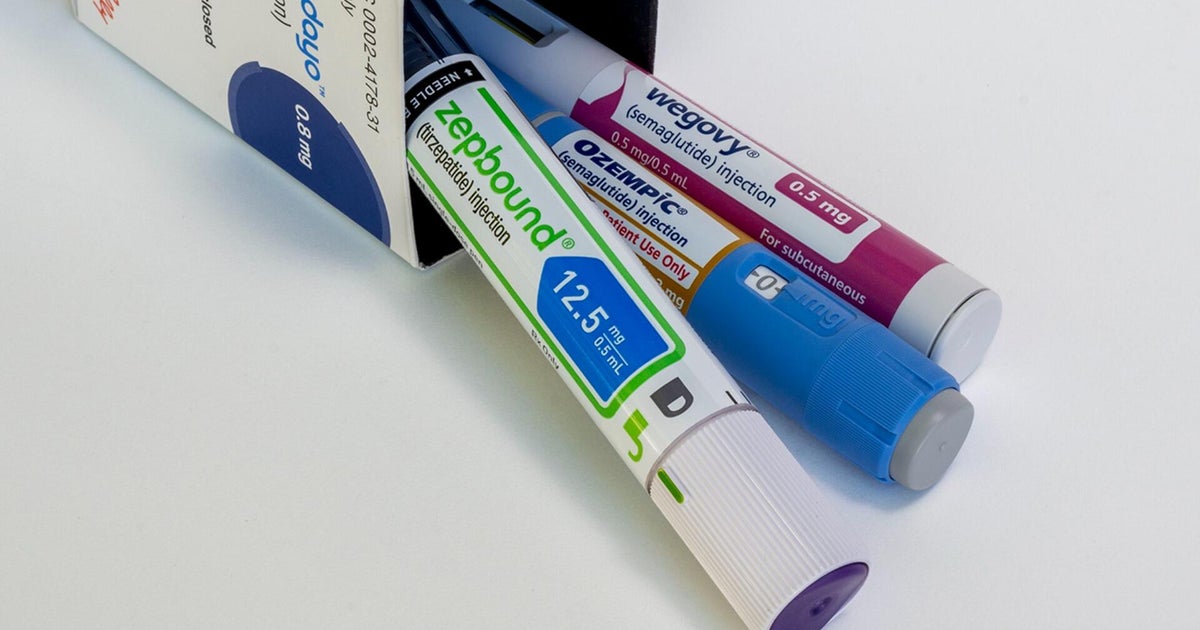
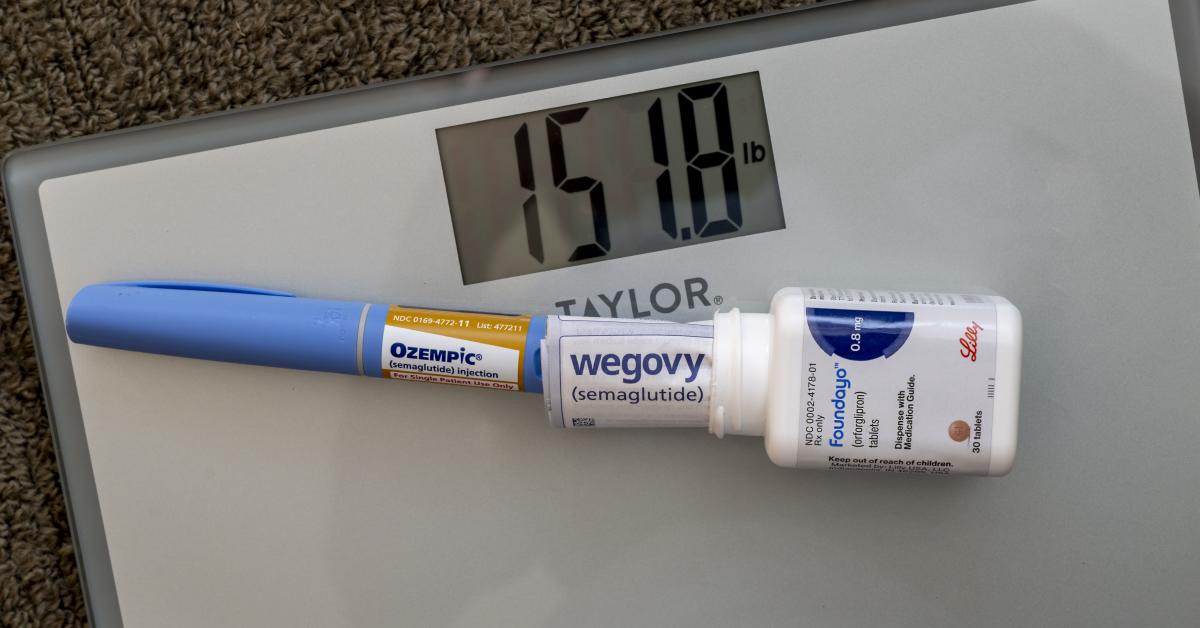
The makers of blockbuster weight-loss drugs such as Ozempic and Zepbound will be required to include warnings about a rare eye condition that can cause permanent vision loss.
A nor’easter could form this week, bringing the first snow of the season for tens of millions of Americans.
The makers of blockbuster weight loss drugs such as Ozempic and Zepbound will be required to include warnings about a rare eye condition that can cause permanent vision loss.
While the likelihood of developing the condition is slim, people who drastically increase their exercise training intensity or length are at a higher risk, Dr. William Roberts wrote in Runner’s World in 2017.
Though strokes may occur at any age, the risk for strokes rises as we get older and, each year, strokes kill 140,000 of the close to 800,000 people who have them.
Also by Julia Musto
Nothing else under this byline is closely related to this article, so these are simply their most recent.
All 50 articles by Julia Musto →

Topics

FDA Novo Ozempic The Independent Zepbound

Subjects

FDA ORG · 9× Novo ORG · 2× The Independent ORG · 2× Jason Goldstein PERSON · 1× Liz Skrbkova PERSON · 1× NAION ORG · 1× Newsday ORG · 1× Novo Nordisk ORG · 1× the American Academy of Ophthalmology ORG · 1× the U.S. Food and Drug Administration ORG · 1×

Narrative

"Novo continues to believe the data do not establish a cause-and-effect relationship and we remain confident in the benefit-risk profile of our GLP-1 medicines," Liz Skrbkova who leads U.S. Media and Stakeholder Relations for Novo
framing: assertive · carried by 1 article(s) · first seen 2026-11-10
The makers of blockbuster weight-loss drugs such as Ozempic and Zepbound will be required to include warnings about a rare eye condition that can cause permanent vision loss.
2026-11-10 · The Independent
Weight loss drugs linked to new rare side effect as new warning labels required · assertive framing

Claims (30 extracted, 3 hedged)

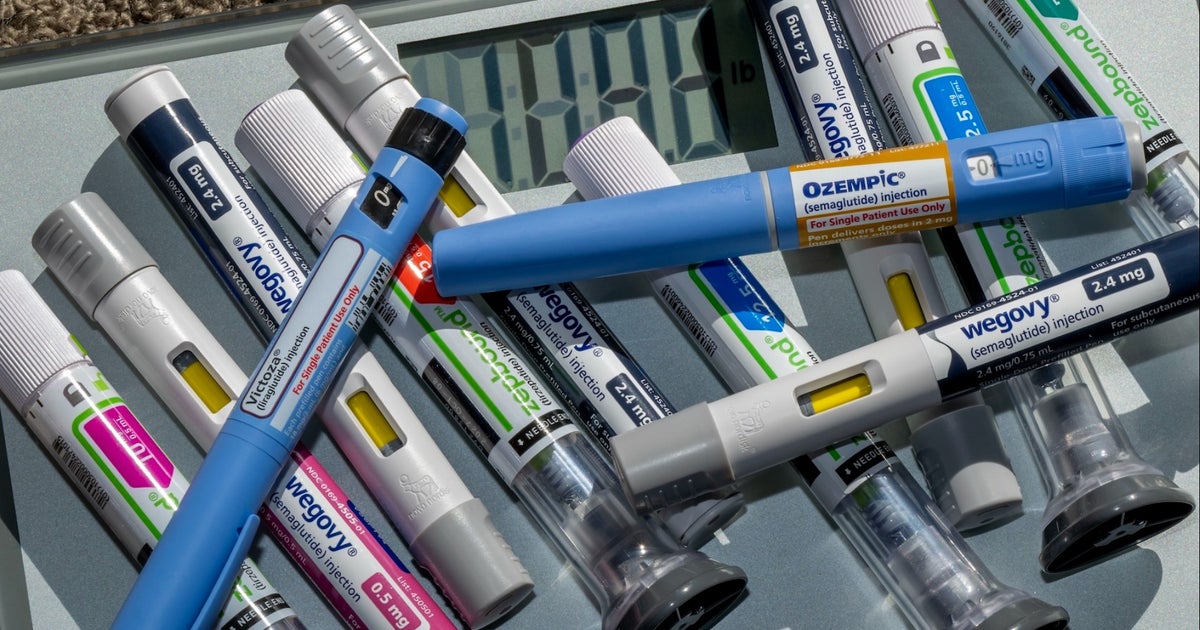
The makers of blockbuster weight-loss drugs such as Ozempic and Zepbound will be required to include warnings about a rare eye condition that can cause permanent vision loss. asserted
that → require → loss
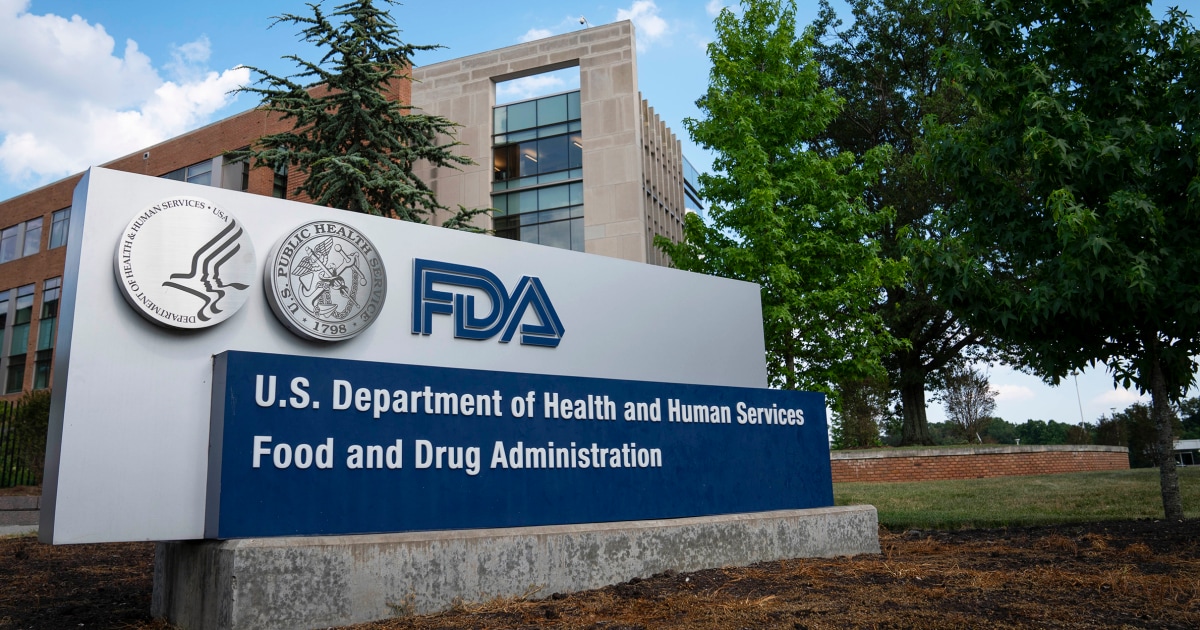
Taking any GLP-1 medication carries an increased risk of a rare condition known as “non-arteritic anterior ischemic optic neuropathy,” or “NAION,” the U.S. Food and Drug Administration said Monday. asserted
Administration → take → neuropathy
NAION can result in painless but decreased vision in one eye, caused by reduced blood flow to part of the optic nerve. asserted
NAION → result → nerve
It’s sometimes referred to as an “eye stroke.” asserted
It → refer → stroke
There is no treatment for the condition, though the first cases were reported at the beginning of the 19th century. asserted
cases → be → century
“NAION cases have been reported for all currently marketed GLP-1 RA products,” the FDA said. asserted
FDA → report → products
“FDA concluded that there is a potential increased risk of rare NAION events in patients taking GLP-1 RAs.” asserted
FDA → conclude → RAs
The decision follows a comprehensive review of NAION in patients who were taking the drugs, incorporating reports received through the FDA’s Adverse Event Monitoring System and studies involving more than 134,000 patients. asserted
who → follow → patients
The FDA analysis found about six cases of NAION per 100,000 people taking GLP-1 drugs every year. asserted
analysis → find → drugs
This compared with about four cases among those taking a placebo or other diabetes medication. asserted
This → compare → placebo
“Patients with a history of NAION are at increased risk of recurrence,” the FDA noted. asserted
FDA → increase → recurrence
The analysis follows a May review from the American Academy of Ophthalmology that found using semaglutide-based GLP-1s - Ozempic and Wegovy, for example - may be tied to “about a two-fold increase in relative risk of NAION. uncertain
that → follow → NAION
There have also been lawsuits filed against the drugmaker by some patients who claimed taking the drugs caused vision loss. asserted
taking → file → loss
"People are just waking up and developing this [vision] condition,” Jason Goldstein, the lawyer representing the patients, told Newsday in 2025. asserted
Goldstein → wake → 2025
“They wake and they totally can't see. asserted
they → wake → ?
A lot of them lose their peripheral vision. asserted
lot → lose → vision
They could lose total vision. uncertain
They → lose → vision
I have one client who lost it in both eyes. asserted
who → have → eyes
" Novo Nordisk, which makes both the drugs, said that patient safety is a top priority and that the company recognizes NAION can have a profound impact on patients and their families. asserted
NAION → make → patients
"Novo continues to believe the data do not establish a cause-and-effect relationship and we remain confident in the benefit-risk profile of our GLP-1 medicines," Liz Skrbkova who leads U.S. Media and Stakeholder Relations for Novo asserted
who → continue → Novo
While drugmakers have the ability to challenge FDA safety labeling changes, the government agency determines whether they will be required to add labels. asserted
they → have → labels
A spokesperson for Eli Lilly, another weight-loss drug giant, told The Independent that patient safety is the company’s top priority and that the company is evaluating the FDA’s update and would soon respond. asserted
company → tell → update
”As always, we will remain in close contact with the agency and continue to review all available data, including any data regarding ophthalmic events,” the spokesperson wrote in an email. asserted
spokesperson → remain → email
“If anyone is experiencing side effects when taking a Lilly medicine, they should talk to their doctor or other healthcare professional.” asserted
they → experience → doctor
Roughly 28 million Americans are taking GLP-1 drugs, according to a July Gallup poll. uncertain
Americans → take → poll
The drugs have grown in popularity since semaglutide was first approved by the FDA and put on the market in 2017. asserted
semaglutide → grow → 2017
Roughly half of patients on GLP-1s stop taking the drugs within the first year, partly due to gastrointestinal side effects, a 2025 study of 125,000 patients published by scientists in Pennsylvania and the Pacific Northwest found. asserted
study → stop → Pennsylvania
Patients taking GLP-1s should be aware of common symptoms of NAION, the FDA noted, such as blurred or missing portions of visions, distortion of colors, hazy spots and vision loss in one eye upon waking up. asserted
FDA → take → eye
While the underlying cause of NAION is not completely understood, the agency also highlighted other potential risk factors, such as smoking, diabetes, high blood pressure, sleep apnea, anemia and kidney disease. asserted
agency → underlie → smoking
“Patients should contact their health care professional right away if they have any of these symptoms,” the FDA says. asserted
FDA → contact → symptoms
Give feedback · no sign-in needed

No sign-in needed for now. Your note is sent without a name, so it cannot be answered.

History Support