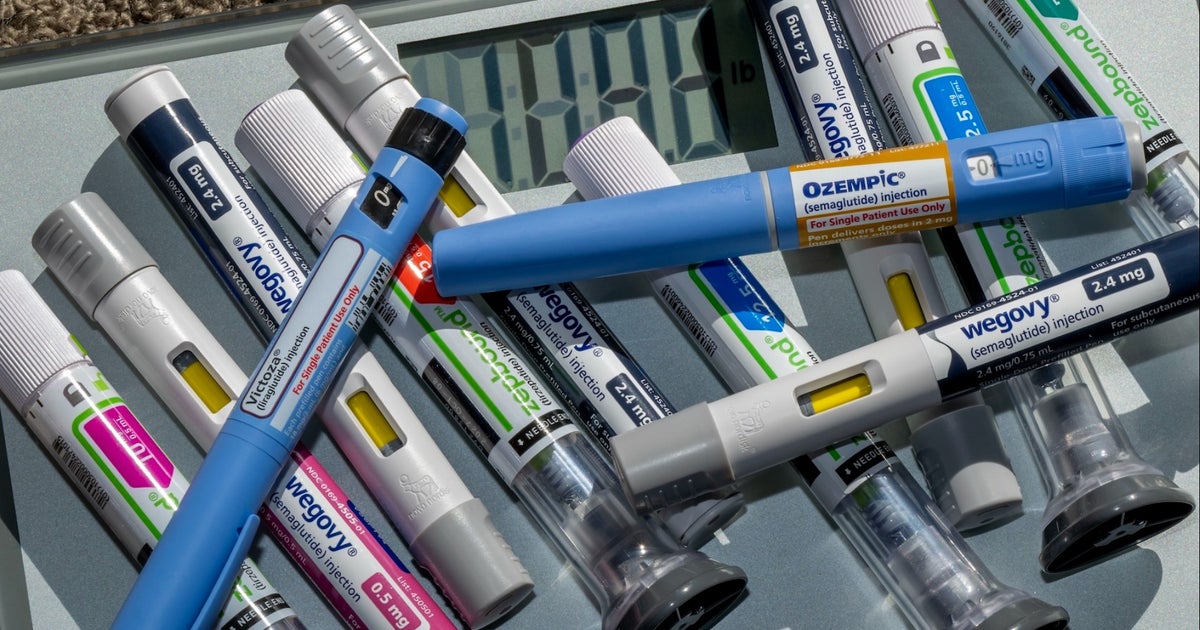
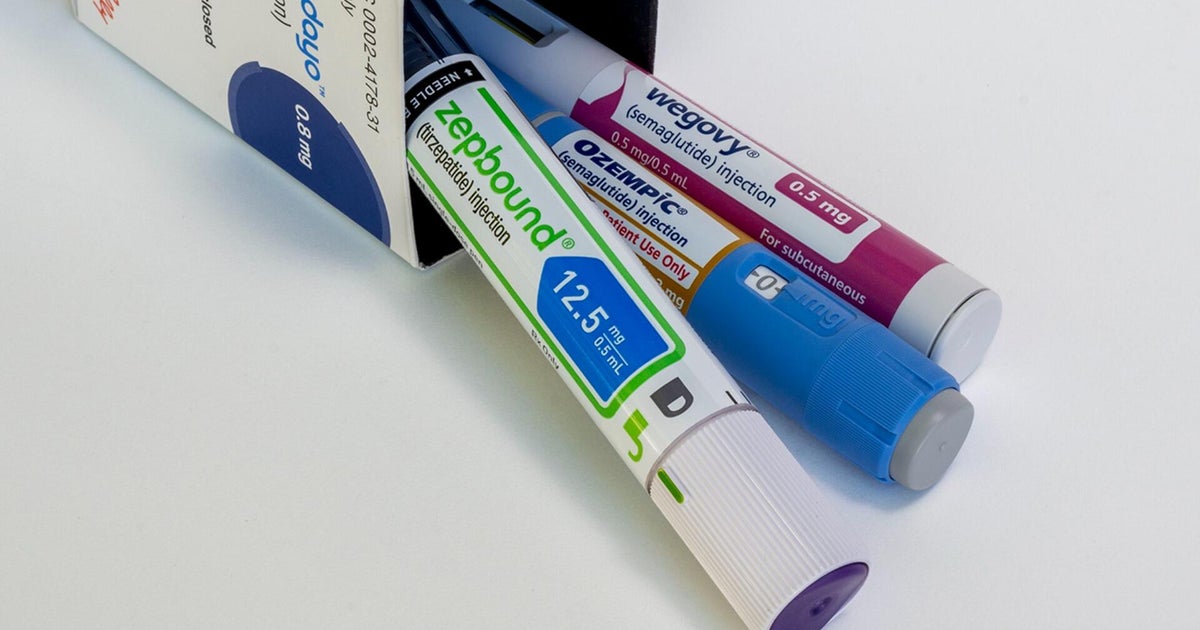
Photo via The Guardian

FDA warns of rare eye condition causing blindness from GLP-1 weight loss medications

Read the original at The Guardian ↗
Cite

Yang, M. (2026, November 10). FDA warns of rare eye condition causing blindness from GLP-1 weight loss medications. The Guardian. https://www.theguardian.com/us-news/2026/nov/10/fda-glp-1-weight-loss-blindness-risk

Dated from the outlet's own feed. Check the original for its byline.

The Guardian · collected 2026-11-10 · by Maya Yang

Quick Summary

The US FDA has issued a warning about GLP-1 weight loss medications, including Novo Nordisk’s Ozempic and Wegovy, Eli Lilly’s Mounjaro and Zepbound, and Sanofi’s Soliqua, due to the risk of nonarteritic anterior ischemic optic neuropathy (NAION), which can cause sudden blindness. The FDA reviewed 126 clinical trials involving over 134,200 patients and found a higher incidence rate of NAION in GLP-1 users compared to placebo or other glucose-lowering medications, leading the agency to require updated warning labels on these drugs. Novo Nordisk responded that while patient safety is prioritized, they believe current data do not confirm a direct cause-and-effect relationship between GLP-1 use and NAION.
Written by AI on 2026-11-10, from this article's own text only (the story summary below draws on all the coverage).
See how they differ ↓

AI analysis

Story summary

The U.S. Food and Drug Administration (FDA) has ordered makers of popular weight-loss GLP-1 drugs such as Ozempic, Wegovy, Mounjaro, and Zepbound to add warnings about a rare eye condition called nonarteritic anterior ischemic optic neuropathy (NAION), which can cause sudden and permanent vision loss. The FDA announced on November 9, 2026, that the new warning follows research linking GLP-1 drugs to an increased risk of NAION, where patients may experience painless vision loss in one eye upon waking. This condition affects the optic nerve and can result in significant vision impairment or blindness. While some studies indicate a potential link between these drugs and NAION, more research is needed to fully understand the relationship, especially considering that many patients with risk factors for NAION might already have conditions like diabetes or obesity before starting GLP-1 therapy.

Written for “FDA Warns GLP-1 Drugs Eye Risk” on 2026-11-21, grounded in this article and the 11 other(s) covering the same event.

How they differ

8 outlets covered “FDA Warns GLP-1 Drugs Eye Risk”.

What each outlet says

One AI summary per outlet of its latest article on this story, written from that article alone and checked against it. Open the article for the outlet's own words.

The GuardianThis outlet10 Nov

The US FDA has issued a warning about GLP-1 weight loss medications, including Novo Nordisk’s Ozempic and Wegovy, Eli Lilly’s Mounjaro and Zepbound, and Sanofi’s Soliqua, due to the risk of nonarteritic anterior ischemic optic neuropathy (NAION), which can cause sudden blindness. The FDA reviewed 126 clinical trials involving over 134,200 patients and found a higher incidence rate of NAION in GLP-1 users compared to…

FDA warns of rare eye condition causing blindness from GLP-1 weight loss medications (this article)
The Independent10 Nov

The U.S. Food and Drug Administration has required manufacturers of weight-loss drugs like Ozempic and Wegovy to include warnings about a rare eye condition called NAION that can lead to permanent vision loss. The FDA’s decision, made after reviewing reports from over 134,000 patients, found an increased risk of six cases per 100,000 people annually for those taking GLP-1 drugs compared to about four cases among…

Weight loss drugs linked to new rare side effect as new warning labels required →2 articles from The Independent on this story
NBC News9 Nov

The Food and Drug Administration has mandated that manufacturers of GLP-1 drugs, such as Novo Nordisk’s Ozempic and Wegovy and Eli Lilly’s Mounjaro and Zepbound, include warnings about a rare eye condition called nonarteritic anterior ischemic optic neuropathy (NAION) which can cause sudden blindness. This decision follows research indicating an increased risk of NAION in patients using GLP-1 medications…

FDA orders new warning on GLP-1s over rare eye condition linked to sudden blindness →
New York Post9 Nov

The FDA has mandated that manufacturers update warning labels on GLP-1 drugs like Ozempic and Wegovy to include a potential risk of nonarteritic anterior ischemic optic neuropathy (NAION), an eye condition that can lead to permanent vision loss or blindness. This decision follows a study showing diabetes patients taking semaglutide are four times more likely to develop NAION compared to those not using the drug…

GLP-1 drugs must have new warning label over incurable blindness condition, says FDA →
Just the News10 Nov

The Food and Drug Administration will require weight loss drugs like Ozempic and Wegovy to include warnings about a rare side effect that can lead to permanent vision loss due to non-arteritic anterior ischemic optic neuropathy. This condition, which has been reported with all GLP-1 drugs used for obesity and diabetes management, can result in significant vision impairment. The FDA initiated this review following a…

Weight loss drugs, such as Ozempic, to carry FDA warning about rare vision-loss side effects →
Show 2 more outlets
Global News10 Nov

The FDA announced on Monday that it will require drug labels for GLP-1 medications, including Ozempic and Wegovy, to include a warning about the rare but serious risk of non-arteritic anterior ischemic optic neuropathy (NAION), which can lead to permanent vision loss. Based on an analysis of over 125 clinical trials, the condition occurs in approximately six out of every 100,000 patients using GLP-1 drugs for at…

FDA to require vision loss warning on GLP-1 drug labels →
BBC10 Nov

The FDA has instructed manufacturers of GLP-1 drugs like Ozempic, Wegovy, Mounjaro, and Zepbound to include warnings about a rare eye condition called nonarteritic anterior ischemic optic neuropathy (NAION), which can cause sudden blindness. NAION occurs when blood vessels supplying the optic nerve are blocked, leading to vision loss that may be permanent. The FDA’s decision is based on its review of reports and…

Makers of GLP-1 drugs ordered to add warnings about rare eye condition that can lead to blindness →

Where they agree and split

Framing

How the first headlines put it

Attributed to a source1
Stated as fact3
The headlines (4)

GLP-1 drugs must have new warning label over incurable blindness condition, says FDA New York Post · attributed to a source

US is requiring weight-loss drug makers to warn about possible loss of eye sight The Independent · stated as fact

FDA orders new warning on GLP-1s over rare eye condition linked to sudden blindness NBC News · stated as fact

FDA warns of rare vision-loss side effect from GLP-1 drugs CBS News · stated as fact

The full story: what happened, how it changed, and all 12 articles →

Compared with similar articles

This article reads unscored and hedges 10% of its claims. Each row says how that neighbour differs.
CBS News
Hedges 4 of 25 claims Outlet record 66/100
Global News
Hedges 2 of 18 claims Outlet record 63/100
The Independent
Hedges 3 of 30 claims Outlet record 59/100
BBC News
Hedges 4 of 19 claims Outlet record 65/100
The Independent
Hedges 1 of 4 claims Outlet record 59/100
New York Post
Hedges 2 of 18 claims Outlet record 66/100
Just The News
Hedges 1 of 8 claims Outlet record 59/100
NBC News
Hedges 3 of 17 claims Outlet record 78/100
CBS News
Outlet record 66/100
CBS News
Hedges 0 of 2 claims Outlet record 66/100

Story

FDA Warns GLP-1 Drugs Eye Risk
Health · 12 article(s) covering the same event. Compare every outlet's account →
How this article was measured signals, leaning charts, publisher record, byline, topics and claims

Signals How these are calculated →

Claims extracted
20
sentences that state something as happening or true
Uncertain
10%
2 of 20 hedged ("reportedly", "may", "according to")
Leaning
not political
takes no side on a contested political question
Publisher signals
64/100
The Guardian's corrections and hedging, across everything collected from it. Not a measure of accuracy.
Outlets on this story
12
Health
Same framing elsewhere
1
articles that frame the event the way this one does
Analyzed 2026-11-10 · how these are computed

How this is being covered How these are calculated →

Article leaning vs. publisher reliability
Source leaning vs. consistency

Publisher

The Guardian · 2645 article(s) · 9 correction(s) detected
Running correction rate · 9 correction(s)

Who wrote this

Maya Yang
62 article(s) here · 1 carrying a prediction
Zohran Mamdani, New York City’s mayor, has signed a bill that will bring the city’s horse-drawn carriage industry to an end by 1 June 2028.
William Brunner, the captain-on-watch of the nearby Madison Stone tow boat across the cruise ship, told Fox8 he initially heard the tanker’s distress call on his radio.
The National Transportation Safety Board (NTSB) will investigate the cause of the crash with assistance from the NPS, officials added.
Authorities investigating a bomb found recently at an ethanol production plant in Peoria, Illinois, have taken a suspect into custody, according to the mayor there.
Voters across the US reflected on the significance of Colom’s victory, with many older voters expressing hope that it could signal a new chapter for a state and region marked by a long history of racism and segregation.
The historic SS United States has reached the end of its journey at sea, sinking Wednesday off the coast of Destin, Florida, where it will begin a new life underwater as an artificial reef.
Rivera-Deleon, originally from the Bronx, was arrested for “allegedly raping a woman in Central Park on October 24, 2026”, the New York City police department (NYPD) said, adding that he will also be charged with two rapes that occurred in the park in 2023 and 2021.
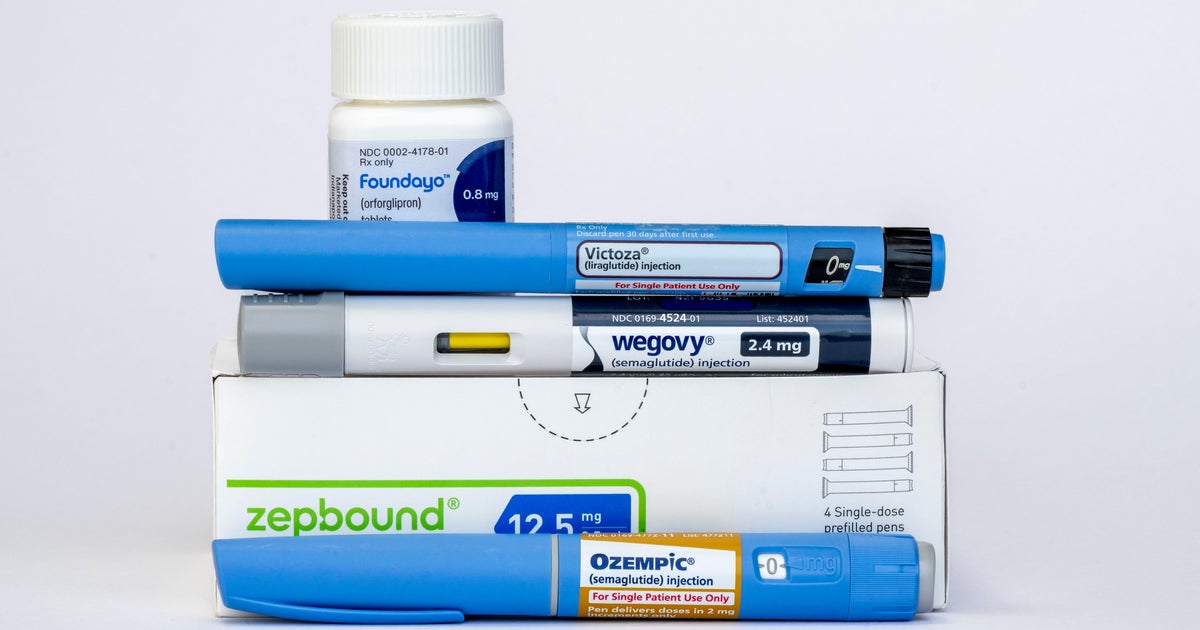
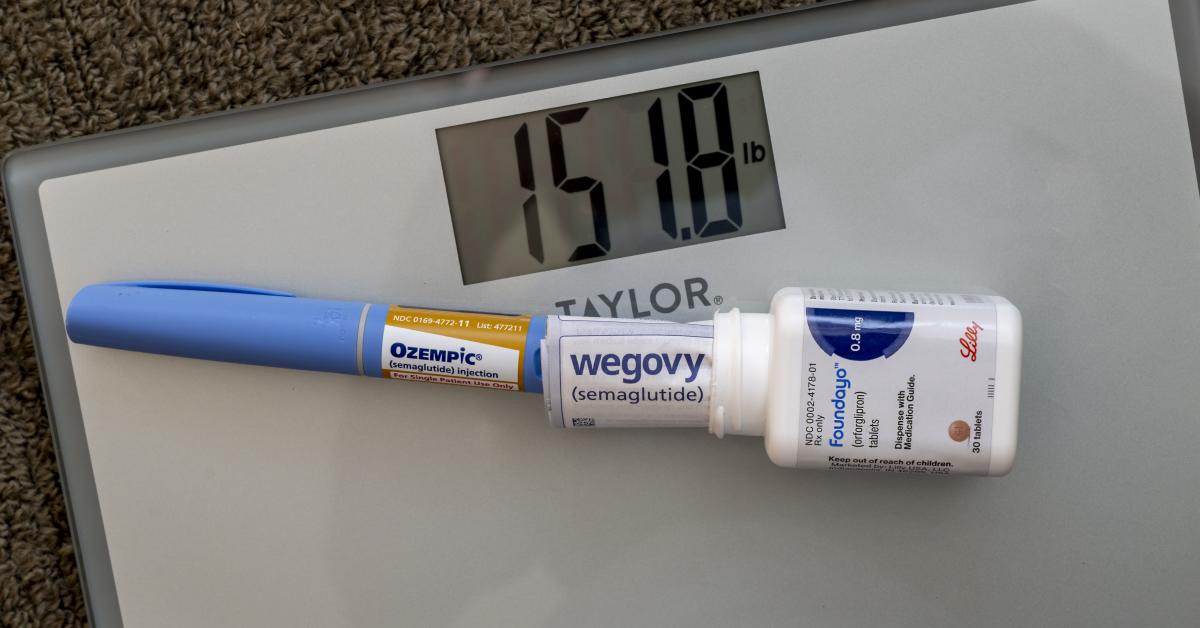
The US Food and Drug Administration (FDA) has issued a new warning on GLP-1 medications – which can facilitate weight loss – over a rare eye condition that could lead to sudden and permanent blindness.
The justices wrote that the case’s plaintiffs, which include the Center for Biological Diversity, a Big Bend river guide and a church preservation group, “claim that construction in the Big Bend sector will diminish their ability to use and enjoy the area”.
Parents and teachers across the US are criticizing Google’s announcement that schools choosing to block AI tools could also lose access to Google Search.
Also by Maya Yang
Nothing else under this byline is closely related to this article, so these are simply their most recent.
All 62 articles by Maya Yang →

Topics

Eli Lilly FDA Guardian Sanofi The US Food and Drug Administration

Subjects

FDA ORG · 11× Eli Lilly ORG · 2× Guardian ORG · 2× Sanofi ORG · 2× Eli Lilly’s ORG · 1× JAMA Ophthalmology ORG · 1× Novo ORG · 1× Novo Nordisk ORG · 1× Novo Nordisk’s ORG · 1× The US Food and Drug Administration ORG · 1×

Narrative

On Monday, the FDA announced that it is requiring all GLP-1 medications – including Novo Nordisk’s Ozempic and Wegovy, Eli Lilly’s Mounjaro and Zepbound, as well as Sanofi’s Soliqua – to include information about the potential risk of nonarteritic anterior ischemic optic neuropathy, also known as NAION, on warning labels.
framing: assertive · carried by 1 article(s) · first seen 2026-11-10
The US Food and Drug Administration (FDA) has issued a new warning on GLP-1 medications – which can facilitate weight loss – over a rare eye condition that could lead to sudden and permanent blindness.

Claims (20 extracted, 2 hedged)

The US Food and Drug Administration (FDA) has issued a new warning on GLP-1 medications – which can facilitate weight loss – over a rare eye condition that could lead to sudden and permanent blindness. uncertain
that → issue → blindness
On Monday, the FDA announced that it is requiring all GLP-1 medications – including Novo Nordisk’s Ozempic and Wegovy, Eli Lilly’s Mounjaro and Zepbound, as well as Sanofi’s Soliqua – to include information about the potential risk of nonarteritic anterior ischemic optic neuropathy, also known as NAION, on warning labels. asserted
it → announce → labels
NAION is a rare condition involving sudden reduction of blood flow to the optic nerve, in turn resulting in acute, painless, decreased vision in one eye, including permanent vision loss, the FDA warned. asserted
FDA → involve → loss
Common risk factors of NAION include diabetes, smoking, hypertension, as well as hypercholesterolemia. asserted
factors → include → diabetes
According to the FDA, the agency began looking at potential links between GLP-1s and NAION after a 2024 study published in the journal JAMA Ophthalmology. uncertain
agency → accord → journal
The study found an increased risk of NAION among patients using GLP-1 medications. asserted
study → find → medications
Despite identifying several limitations of the study, the FDA said it “determined that further assessment of the potential increased risk for NAION was warranted”. asserted
assessment → identify → NAION
The agency proceeded to review 126 clinical trials involving over 134,200 patients and identified 15 probable NAION cases, including 10 among GLP-1 patients; five in patients receiving placebo; and none in patients who were on glucose-lowering medications that were not GLP-1. asserted
that → proceed → medications
The FDA found a NAION incidence rate of 6.4 cases per 100,000 person-years among GLP-1 patients, compared to 3.8 cases among patients on placebo or alternative glucose-lowering medications. asserted
FDA → find → placebo
“NAION cases have been reported for all currently marketed GLP-1 RA products,” the FDA said. asserted
FDA → report → products
“FDA concluded that there is a potential increased risk of rare NAION events in patients taking GLP-1 RAs. asserted
FDA → conclude → RAs
“Based on these findings, FDA is requiring that application holders add information about the risk for NAION to the Warnings and Precautions section of labeling of all GLP-1 RAs.” asserted
holders → base → RAs
In response to the FDA announcement, a Novo Nordisk spokesperson told the Guardian that the pharmaceutical company “continues to believe the data do not establish a cause-and-effect relationship and we remain confident in the benefit-risk profile of our GLP-1 medicines.” asserted
we → tell → medicines
The statement also said: “Patient safety is a top priority for Novo, and we continue to monitor the safety of our medicines, review new research and work with health authorities around the world.” asserted
we → say → world
The Guardian has reached out to Eli Lilly and Sanofi for additional comment. asserted
Guardian → reach → comment
Eli Lilly had previously said it is aware of publications on the risk of NAION among GLP-1 patients. asserted
it → say → patients
GLP-1 medications are mainly used by people with type 2 diabetes managing their blood sugar – or glucose – levels. asserted
medications → use → levels
Some of the medications are also used to help treat obesity. asserted
Some → use → obesity
And some have been known to seek access to such drugs for cosmetic reasons rather than legitimate medical ones. asserted
some → know → ones
The FDA’s announcement comes amid warnings from the Netherlands-based non-profit Access to Medicine Foundation that the pharmaceutical focus on GLP-1 weight-loss drugs risks putting global insulin supply at risk. asserted
focus → come → risk
Give feedback · no sign-in needed

No sign-in needed for now. Your note is sent without a name, so it cannot be answered.

History Support