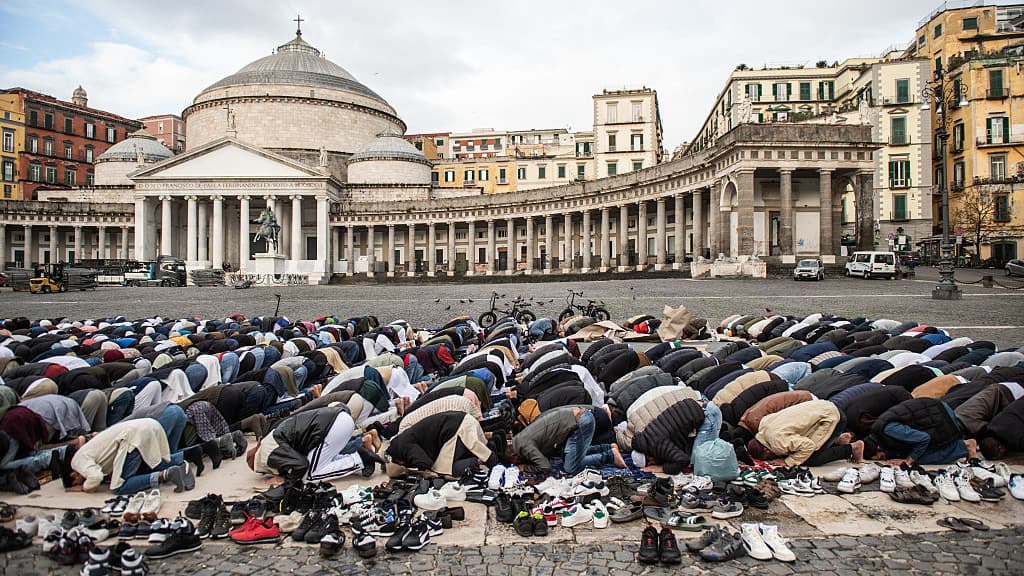
Photo via Euronews

Islam to become world's largest religion by 2035 as Christianity also grows, study says

Read the original at Euronews ↗
Cite

Zein, E. (2026, November 19). Islam to become world's largest religion by 2035 as Christianity also grows, study says. Euronews. https://www.euronews.com/2026/11/19/islam-to-become-worlds-largest-religion-by-2035-as-christianity-also-grows-study-says

Dated from the outlet's own feed. Check the original for its byline.

Euronews · collected 2026-11-20 · by Ekbal Zein

Quick Summary

Pew Research Center projects that both Islam and Christianity will grow significantly by 2070, with Islam becoming the world’s largest religion by 2035. The number of Muslims is expected to rise by over 80% to 3.6 billion, surpassing Christians by around 50 million people. Christianity is projected to grow by 30% to nearly 3 billion, but its share of the global population will remain stable at around 29%. The study highlights regional shifts, such as the growth of Muslims in sub-Saharan Africa and the decline of Christians in Europe and the United States, while also noting the increasing importance of Israel in the Jewish population.
Written by AI on 2026-11-20, from this article's own text only (the story summary below draws on all the coverage).
See how they differ ↓

AI analysis

Story summary

According to a new Pew Research Center study released on November 18, 2026, Islam is projected to become the world's largest religion by 2035, surpassing Christianity. The report predicts that Muslims will number over 3.6 billion by 2035, while Christians will number just under 3 billion. The shift is largely due to higher birth rates among Muslims and a combination of Christian disaffiliation and deaths exceeding births in older Christian populations. The United States, which had the largest Christian population in 2020, is expected to see a significant decline, with the number of Christians falling from about 217 million to 174 million by 2070. Other factors contributing to the change include migration patterns and religious switching.

Written for “Islam Projected To Overtake Christianity” on 2026-11-22, grounded in this article and the 11 other(s) covering the same event.

How they differ

11 outlets covered “Islam Projected To Overtake Christianity”.

What each outlet says

One AI summary per outlet of its latest article on this story, written from that article alone and checked against it. Open the article for the outlet's own words.

EuronewsThis outlet20 Nov

Pew Research Center projects that both Islam and Christianity will grow significantly by 2070, with Islam becoming the world’s largest religion by 2035. The number of Muslims is expected to rise by over 80% to 3.6 billion, surpassing Christians by around 50 million people. Christianity is projected to grow by 30% to nearly 3 billion, but its share of the global population will remain stable at around 29%. The study…

Islam to become world's largest religion by 2035 as Christianity also grows, study says (this article)
Dawn21 Nov

Pew Research Centre projects that by 2035, Muslims will outnumber Christians globally, with 3.6 billion Muslims and 3 billion Christians by 2070. Pakistan is expected to have the largest Muslim population by 2070, surpassing Indonesia. However, the report highlights challenges such as high youth unemployment and population growth in Pakistan, coupled with rising Islamophobia in Europe and the US, which could…

Muslim populations →2 articles from Dawn on this story
Times of India18 Nov

A new Pew Research Center study projects that the United States will lose its Christian majority by 2070, with Christians declining from about 217 million in 2020 to 174 million in 2070, while the number of religiously unaffiliated individuals is expected to rise to 41% of the population. The study attributes this shift primarily to demographic trends such as religious switching and differing age distributions, with…

US will not have a Christian majority by 2027: Pew study →
The Daily Wire18 Nov

Pew Research Center projects that by 2035, Islam will become the world’s largest religion, surpassing Christianity due to higher Muslim birth rates and lower rates of religious switching. Between 2020 and 2025, the Muslim fertility rate was 3.1 children per woman, compared to 2.5 for Christians. By 2070, Muslims are expected to gain 1.6 billion people through natural population change, while Christians will see an…

Islam Projected To Overtake Christianity As World’s Largest Religion →
Washington Free Beacon19 Nov

Pew Research Center predicts that Islam will surpass Christianity as the world's largest religion by 2035, with Muslims outnumbering Christians by over 600 million by 2070. In the United States, Christians are projected to decline to less than half of the population by 2070, while religiously unaffiliated individuals will rise to about 41%. The report attributes these changes to higher fertility rates among Muslims…

Islam Will Overtake Christianity by 2035 as World's Largest Religion, New Pew Survey Predicts →
NPR19 Nov

A new report by the Pew Research Center projects that Muslims will outnumber Christians globally by 2035. The report, released today, predicts the world's Muslim population to reach 3.6 billion by 2070, while Christians will number just under 3 billion. These projections are based on demographic trends, including fertility rates and religious switching patterns, using data from national censuses, United Nations…

Muslims will outnumber Christians worldwide by 2035, report says →
Show 5 more outlets
Reason19 Nov

Pew Research Center released a report predicting religious trends in the United States from 2020 to 2070. The study forecasts a decline in Christianity to less than half of the U.S. population by 2070, with religiously unaffiliated people increasing to about 41%, and Jews being outnumbered by Muslims and Hindus. Additionally, the report projects that Israel will house 62% of the global Jewish population by 2070, up…

The Pew Research Center Report on Future of World Religions →
Daily Mail19 Nov

Pew Research Center projects that Muslims will outnumber Christians globally by 2035, with 2.57 billion Muslims compared to 2.52 billion Christians. By 2070, the Muslim population is expected to reach 3.6 billion, while Christians will number just under three billion. The growth is primarily due to higher fertility rates among Muslims, with a rate of 3.1 children per woman from 2020 to 2025, compared to 2.5 for…

Muslims will outnumber Christians by 2035 and see an 80% surge in population by 2070 →
The Hindu19 Nov

Pew Research Center projects that Islam will surpass Christianity as the world's largest religion by 2035, with Muslims expected to number over 3.6 billion and Christians just under three billion by 2070. The study attributes this shift to higher fertility rates among Muslims and Christians compared to other religious groups, with the Muslim fertility rate at 3.1 children per woman and Christians at 2.5, while other…

Muslims to outnumber Christians by 2035 worldwide: Pew research →
Al Jazeera20 Nov

Pew Research Center projects that Muslims will outnumber Christians globally by 2035, with the Muslim population expected to rise from 2.02 billion to 3.64 billion by 2070, marking an 80% increase. This growth is primarily driven by higher birth rates among Muslim women, who had an average of 3.1 children between 2020 and 2025. By 2070, most of the growth will occur in Muslim-majority countries, with Pakistan…

Islam set to be the largest religion by 2035: Where will most Muslims live? →
Time20 Nov

Pew Research Center projects that Muslims will become the world’s largest religious group by 2035, surpassing Christians. By 2070, Muslims are expected to number 3.64 billion, compared to 2.96 billion Christians. This shift is driven primarily by higher fertility rates among Muslims, with Muslim women averaging 3.1 children versus 2.5 for Christians. The study attributes these demographic changes to factors…

Muslims Are Projected to Become the World’s Largest Religious Group by 2035, Surpassing Christians. Here’s Why →

Where they agree and split

Agreed

Reported by outlets on both sides of the middle

Although Hindus and Jews are growing in absolute numbers, they are projected to decline as a percentage of the global population, the think-tank said.

6 outlets
Show 3 more

One of the more surprising projections is that while the percentage of people who identify as having no religious affiliation will increase in many countries, the global population of "nones" is expected to drop.

5 outlets

Higher fertility and rising life expectancy in the region are expected to increase the numbers of both religious groups.

4 outlets

The average fertility rate for all other women was 1.6, below the level of 2.1 that’s considered necessary for each generation to replace itself.

4 outlets

Framing

How the first headlines put it

Stated as fact2
The headlines (2)

US will not have a Christian majority by 2027: Pew study Times of India · stated as fact

Islam Projected To Overtake Christianity As World’s Largest Religion The Daily Wire · stated as fact

The full story: what happened, how it changed, and all 12 articles →

Compared with similar articles

This article reads unscored and hedges 6% of its claims. Each row says how that neighbour differs.
Dawn
Hedges 2 of 17 claims Outlet record 66/100
freebeacon
Hedges 3 of 39 claims Outlet record 95/100
Al Jazeera
Hedges 2 of 21 claims Outlet record 60/100
The Hindu
Hedges 3 of 25 claims Outlet record 78/100
NPR
Hedges 4 of 31 claims Outlet record 60/100
Daily Mail
Hedges 7 of 47 claims Outlet record 69/100
The Daily Wire
Hedges 4 of 21 claims Outlet record 60/100
Muslim populations Same event
Dawn
Leans right Hedges 4 of 35 claims Outlet record 66/100
Times of India
Hedges 2 of 30 claims Outlet record 59/100
“While both articles discuss Pew Research Center studies on religious demographics, they cover different specific projections and timeframes.”

Story

Islam Projected To Overtake Christianity
World · 12 article(s) covering the same event. Compare every outlet's account →
How this article was measured signals, leaning charts, publisher record, byline, topics and claims

Signals How these are calculated →

Claims extracted
34
sentences that state something as happening or true
Uncertain
6%
2 of 34 hedged ("reportedly", "may", "according to")
Leaning
not political
takes no side on a contested political question
Publisher signals
60/100
Euronews's corrections and hedging, across everything collected from it. Not a measure of accuracy.
Outlets on this story
12
World
Same framing elsewhere
1
articles that frame the event the way this one does
Analyzed 2026-11-20 · how these are computed

How this is being covered How these are calculated →

Article leaning vs. publisher reliability
Source leaning vs. consistency

Publisher

Euronews · 1566 article(s) · 1 correction(s) detected
Running correction rate · 1 correction(s)

Who wrote this

Ekbal Zein
1 article(s) here · 1 carrying a prediction
Pew Research Center has projected that both Islam and Christianity will grow between 2020 and 2070, with Muslims rising by more than 80% to over 3.6 billion and Christians by 30% to close to 3 billion.
The only article under this byline in the corpus.

Topics

Christians Israel Jewish Muslim Muslims

Subjects

Christians NORP · 7× Jewish NORP · 6× Muslims NORP · 6× Muslim NORP · 5× Israel GPE · 3× Christian NORP · 2× Islam NORP · 2× Pew ORG · 2× Pew Research Center ORG · 2× Christianity ORG · 1×

Narrative

Pew projects that Israel's share of the global Jewish population will rise from 46% in 2020 to 62%, with the country's Jewish population growing from 6.8 million to 11.1 million, driven mainly by higher fertility rates.
framing: assertive · carried by 1 article(s) · first seen 2026-11-20
Pew Research Center has projected that both Islam and Christianity will grow between 2020 and 2070, with Muslims rising by more than 80% to over 3.6 billion and Christians by 30% to close to 3 billion.

Claims (34 extracted, 2 hedged)

Pew Research Center has projected that both Islam and Christianity will grow between 2020 and 2070, with Muslims rising by more than 80% to over 3.6 billion and Christians by 30% to close to 3 billion. asserted
Muslims → project → billion
Islam is projected to become the world's largest religion by 2035, when the number of Muslim faithful is expected to surpass Christians by around 50 million people, according to Pew Research Center latest projections. uncertain
number → project → projections
The study, which covers demographic changes among the world's major religions between 2020 and 2070, projects that the percentage of Muslims will grow faster than the world's population overall. asserted
percentage → cover → population
Meanwhile, the number of Christians in Africa will increase despite declines in Europe and the US. asserted
number → increase → Europe
The number of Muslim faithful worldwide is projected to grow by more than 80% between 2020 and 2070, exceeding 3.6 billion and raising their share of the global population from 26% to 36%. asserted
number → project → %
Asia will remain the region with the largest number of Muslims, but faster population growth in sub-Saharan Africa will raise the continent's share from 18% of the world's Muslims in 2020 to 27% by 2070. asserted
growth → remain → 2070
Asia and the Pacific's share will fall from 59% to 50%, even as the absolute number there continues to rise. asserted
number → fall → %
Pakistan is projected to overtake Indonesia by 2070 as the country with the world's largest Muslim population, with around 461 million people, followed by India with approximately 334 million and then Nigeria. asserted
Pakistan → project → million
In Europe, population growth will increase the Muslim share of the continent's population from 6% in 2020 to 13% by 2070, with Sweden and France expected to see notable increases. asserted
Sweden → increase → increases
In North America, the number of Muslims is projected to rise from about 6 million to 20 million over the same period. asserted
number → project → period
Christianity to grow, Israel central to Jewish religion Despite declining numbers in Europe and the United States, the global Christian population is expected to grow. asserted
population → grow → Europe
By 2070, Pew projects close to three billion Christians worldwide, an increase of 30%, while their share of the global population holds at around 29%. asserted
share → project → %
Sub-Saharan Africa will drive most of that growth, with more than half of the world's Christians expected to live there by 2070. asserted
half → drive → 2070
The Democratic Republic of the Congo is projected to overtake the US as the country with the largest Christian population, at around 299 million. asserted
Republic → project → million
In Europe, a shrinking population and rising rates of religious disaffiliation are expected to reduce the number of Christians from 505 million in 2020 to 324 million by 2070. asserted
population → shrink → 2070
In the US, the figure is expected to fall from 217 million to 174 million, with Christians projected to drop below half the population by 2065. asserted
Christians → expect → 2065
In Canada, that threshold could be crossed by 2030. uncertain
threshold → cross → 2030
Meanwhile, Israel is projected to become home to most of the world's Jews by 2070, as numbers in the US and Europe decline. asserted
numbers → project → US
Pew projects that Israel's share of the global Jewish population will rise from 46% in 2020 to 62%, with the country's Jewish population growing from 6.8 million to 11.1 million, driven mainly by higher fertility rates. asserted
population → project → rates
The US' share is projected to fall from 39% to 26%, a decline of about 1.2 million people. asserted
share → project → people
Europe's share will drop from 9% to 5%. asserted
share → drop → %
Globally, the Jewish population is expected to grow from 15 million to 18 million by 2070, although more slowly than the world's population overall. asserted
population → expect → population
The global Jewish share will decline slightly, from 0.19% to 0.17%. asserted
share → decline → %
The study calculates these figures based on religious affiliation and generally excludes people who identify as Jewish for cultural or family reasons without practising the religion. asserted
who → calculate → religion
What drives the shifts? asserted
What → drive → shifts
The main factors behind differential growth rates are population age structure and fertility rates, as groups with more young people tend to grow faster. asserted
groups → tend → people
In 2020, the median age of Muslims was 24, compared with 33 for non-Muslims, meaning a larger share are of childbearing age or approaching it. asserted
share → compare → it
Between 2020 and 2025, around 252 million children were born to Muslim mothers, compared with 208 million to Christian mothers. asserted
children → bear → mothers
Fertility differences within Judaism also affect geographic distribution. asserted
differences → affect → distribution
Jewish women in Israel have an average of three children, against 1.5 in the US, where the Jewish population is older overall. asserted
population → have → US
In some Western countries, people raised as Christians are leaving religious affiliation entirely, adding to the decline in Christian numbers. asserted
people → raise → numbers
Among Muslim believers, the effect of changing religions is limited: Pew estimates that 99% of those raised Muslim continue to identify as Muslim in adulthood. asserted
% → change → adulthood
Pew has cautioned against treating the projections as evidence of a competition between religions, as a dip in any religion's share does not mean a decline in its numbers. asserted
dip → caution → numbers
Most of the projected growth in both religions will occur in countries where each already forms a majority of the population, Pew said in its report. asserted
Pew → project → report

Give feedback · no sign-in needed

No sign-in needed for now. Your note is sent without a name, so it cannot be answered.

History Support