Trump calls sceptical allies to sell view Putin wants peace
AI generated
asserted
Putin → call → peace
US President Donald Trump offered a triumphant assessment of his conversation with Vladimir Putin in a surprise phone call to European leaders gathered in Berlin, arguing the Russian leader wants to end the war.
asserted
leader → offer → war
Not everyone was buying it.
asserted
everyone → buy → it
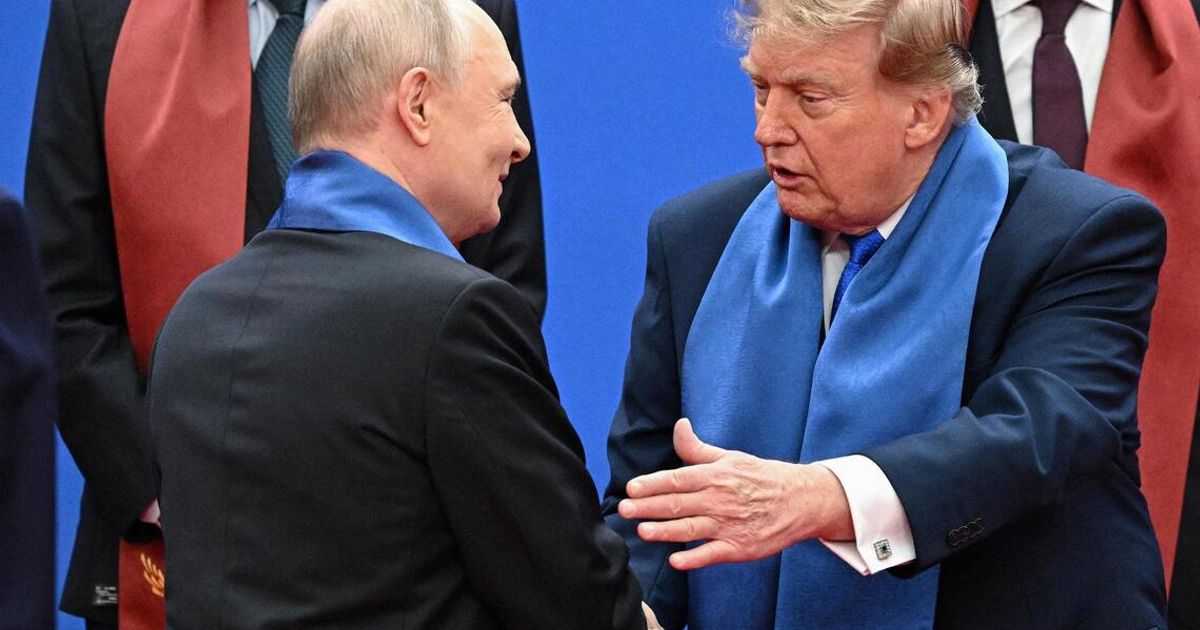
Trump on Nov 19 dialled into a meeting of more than 30 world leaders from Air Force One after departing China, where he met Putin earlier in the day at a summit of Asia-Pacific leaders, according to people familiar with the matter.
uncertain
he → dial → matter
The European leaders were meeting as part of the so-called coalition of the willing, which regularly gathers to discuss ways to protect a postwar Ukraine from future Russian aggression.
asserted
which → meet → aggression
Trump told the group that his meeting with Putin had gone well and the Russian President wants to end the war, the people said, requesting anonymity to discuss the phone call.
asserted
people → tell → call
He also noted the financial and human costs of the conflict, they said.
asserted
they → note → conflict
The US President urged the Europeans to set up a meeting, and do a deal that would allow the killing to stop and the money to be spent in their own countries, the people said.
asserted
people → urge → countries
“He’s optimistic that things are happening and he thinks Putin is ready to talk about peace,” Estonian Prime Minister Kristen Michal told Bloomberg after the meeting.
asserted
Michal → ’ → meeting
“I’m more sceptical.”
asserted
I → ’m → ?
Polish Prime Minister Donald Tusk agreed.
asserted
Tusk → agree → ?
Trump’s message was “received very cautiously in the room”, he told reporters.
asserted
he → receive → reporters
“I’ve heard this often from Trump – his faith in Putin’s good will seems unwavering, although no facts confirm this at this time.”
asserted
facts → hear → time
The reception illustrates Europe’s ongoing anxiety over the US-led peace push for Ukraine.
asserted
reception → illustrate → Ukraine
Trump has often portrayed Ukraine, not Russia, as the barrier to peace, and has previously jumped into the talks before shifting focus elsewhere.
asserted
Trump → portray → focus
On Nov 19, some leaders feared Trump may even offer unacceptable concessions to Putin behind closed doors in China.
uncertain
Trump → fear → China
US envoy Jared Kushner, who attended the Berlin meeting with fellow envoy Steve Witkoff, argued concrete progress is being made.
asserted
progress → attend → Witkoff
At a press conference, he said Trump had left his Putin meeting “thinking that peace is achievable and we need to all work together to try and achieve it”.
asserted
we → say → it
Europe is wary about the direction of the renewed peace talks, though, as Russia seeks to broaden the negotiations to include security arrangements across all of Europe – once considered a non-starter until a ceasefire was in place.
asserted
ceasefire → renew → place
Putin on Nov 19 said he had invited European officials to Moscow to discuss the war, opening a door to negotiations.
asserted
he → say → negotiations
Officials from the E3 group of France, Germany and the UK have also been discussing a possible meeting with Moscow, Bloomberg reported earlier.
asserted
Bloomberg → discuss → Moscow
“We need to understand what Europe will bring to these negotiations,” Putin told reporters in China.
asserted
Putin → need → China
“After that, we will decide in what format we will continue the dialogue with Ukraine.”
asserted
we → decide → Ukraine
Europe itself is unsure what format the talks will take – and what it is willing to put up with.
asserted
it → take → what
Security guarantees for Ukraine are considered a pivotal part of any final deal with Russia, with Kyiv insisting only iron-clad pledges from allies can credibly deter Moscow from restarting its war.
asserted
pledges → consider → war
But European officials have long been hesitant about mixing that conversation with ceasefire talks.
asserted
officials → mix → talks
The US has encouraged all parties to reconsider their approach, pressing Russian and Ukrainian officials to consider new proposals on NATO rules, military assets and troop placements in Europe.
asserted
US → encourage → Europe
US negotiators see this as key to unlocking a broader agreement on issues such as territory, where talks have long been stuck.
asserted
talks → see → territory
The US has even asked Kyiv whether it would cede its Donbas region to Russia in exchange for membership in NATO.
asserted
it → ask → NATO
Europe, wanting to keep the US involved in talks, is engaging for now.
asserted
Europe → want → talks
European Union leaders last week agreed to send a team of national security advisers to future talks.
asserted
leaders → agree → talks
On Nov 19, French President Emmanuel Macron said it was also time to resume the conversation about Ukraine’s potential NATO membership.
asserted
it → say → membership
“Today, this question arises even for us Europeans,” he said.
asserted
he → arise → us
But deep reservations remain.
asserted
reservations → remain → ?
Countries closer to Russia’s border are forcefully arguing that Putin has no right to make demands about where NATO places its troops – especially while he wages war on his neighbour.
asserted
he → argue → neighbour
Lithuanian President Gitanas Nauseda and others stressed the point again on Nov 19, adding that Putin was merely distracting Ukraine’s allies as he prepared a winter offensive.
“It seems unlikely that Russia will sit down at the table in earnest before winter,” said Tusk, the Polish prime minister.
asserted
Tusk → stress → winter
Putin himself ruled out the prospect of a partial truce on Nov 19 after Ukraine severely damaged a bridge connecting Russia to occupied Crimea.
asserted
Ukraine → rule → Crimea
British Prime Minister Andy Burnham insisted Europe would only negotiate over its broader security arrangements once there is peace in Ukraine.
asserted
Europe → insist → Ukraine
“It’s not for the aggressor in this conflict to set out wide-ranging and unrealistic security demands,” he said, speaking at the press conference.
asserted
he → ’ → conference
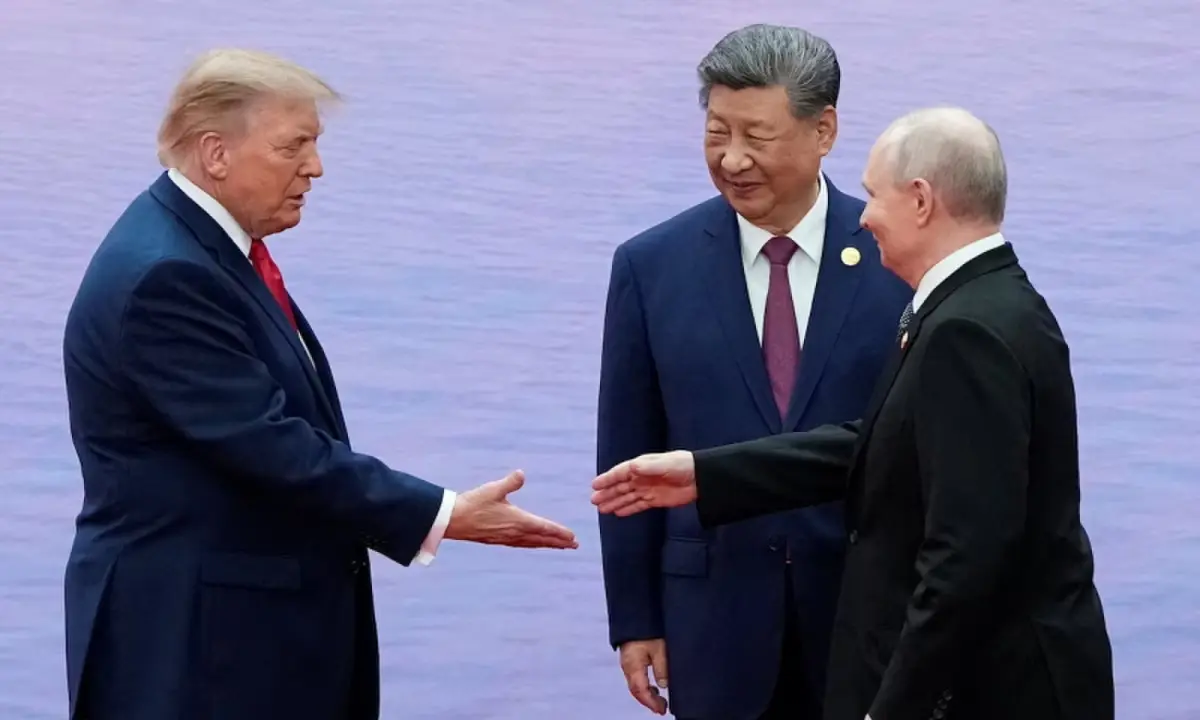
One thing Europeans do know is that they do not want Trump, Putin and China’s Xi Jinping – who held a trilateral meeting on Nov 19 in China – making sweeping decisions on behalf of the world.
asserted
who → know → world
…and 2 more, not listed.
 The Aporia