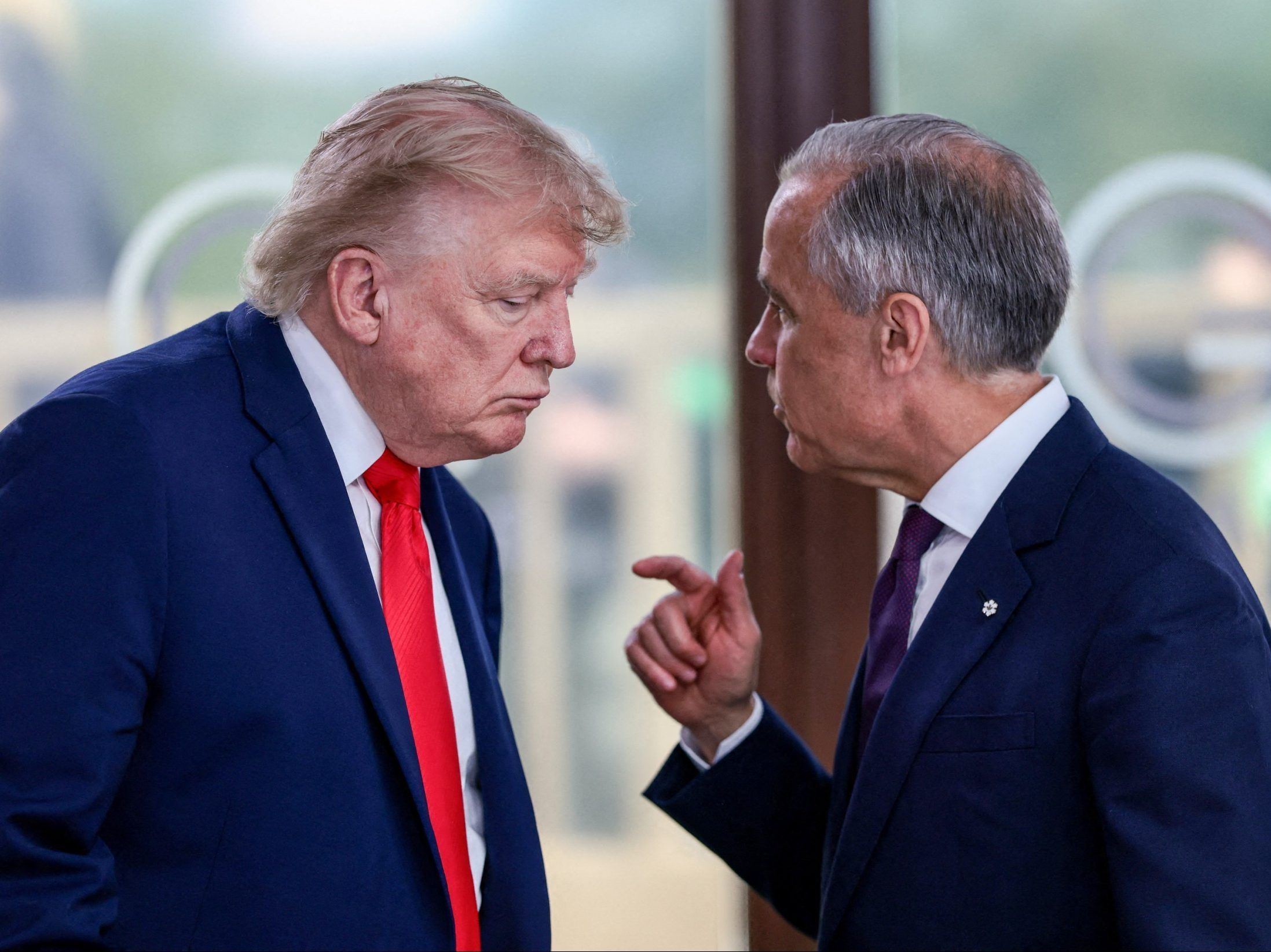
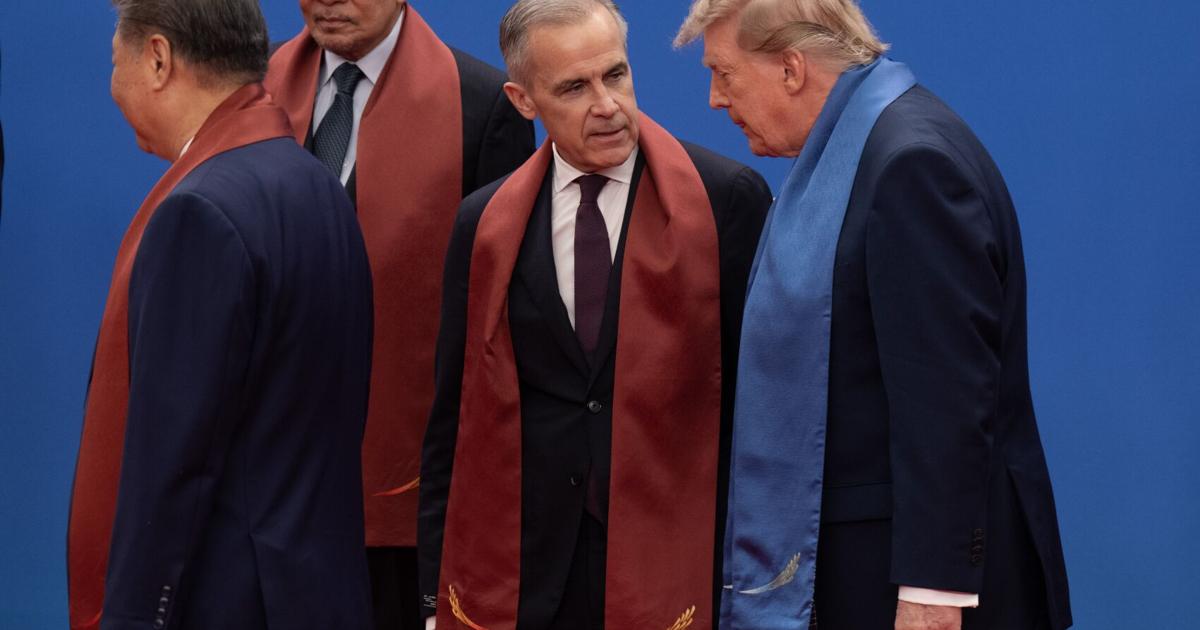
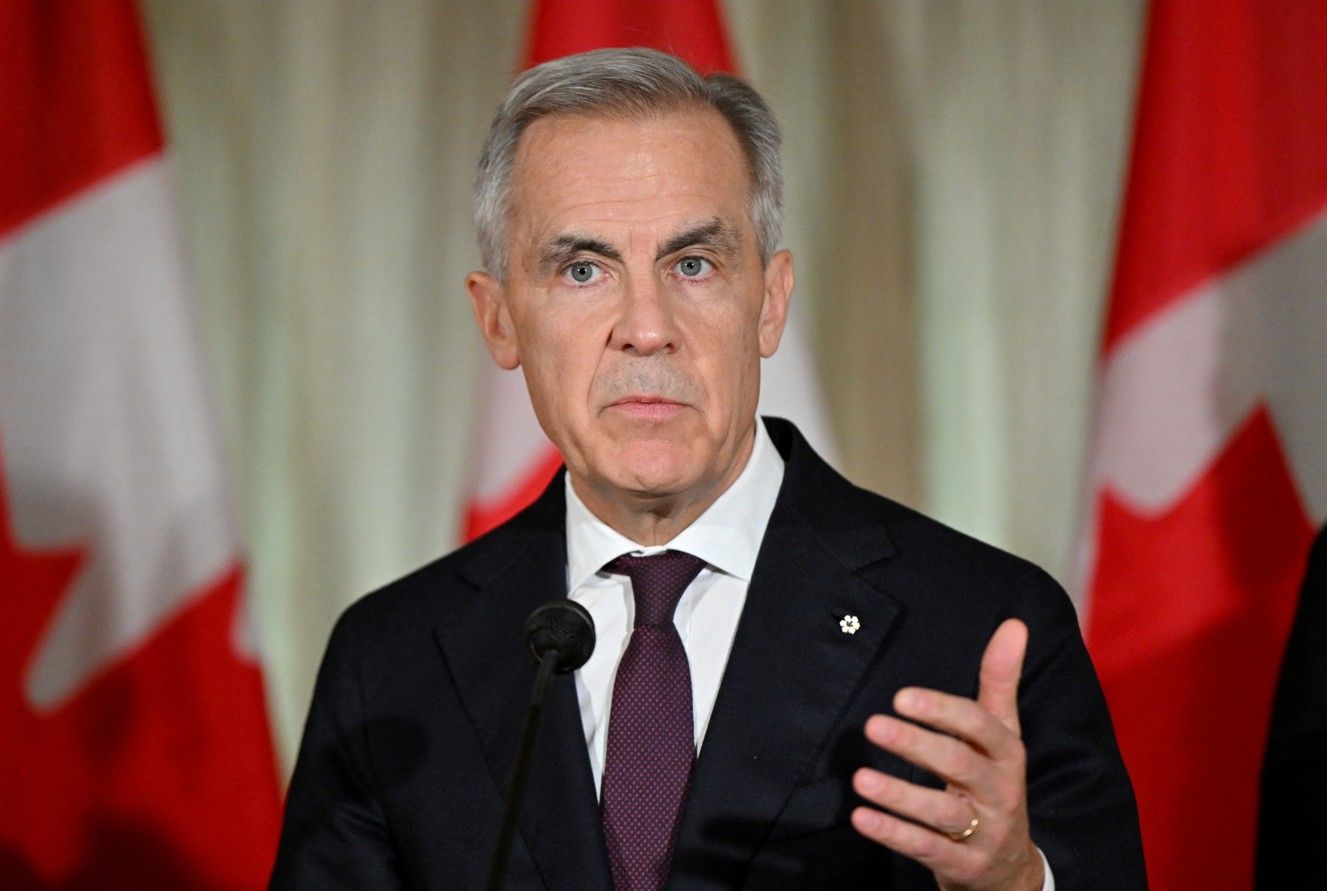
If Mark Carney’s government achieves the interim trade deal it is seeking with U.S. President Donald Trump on sectoral tariffs to lower some and remove others, it will not be the deal the Prime Minister told Canadians he was the best equipped to deliver during last year’s election campaign.
asserted
he → achieve → campaign
It will not be the deal former chief Canadian negotiator Kirsten Hillman told the Globe and Mail in July 2025 was the government’s goal – the removal of all Trump tariffs.
asserted
Hillman → tell → tariffs
It will certainly not be the deal Carney predicted in the House of Commons on Oct. 8, 2025, when he said, “We have the best deal with the Americans,” and “we will get an even better deal, because we are negotiating …
asserted
we → predict → deal
We are going to have an agreement.
asserted
We → go → agreement
“I am pleased that the U.S. President and I had a conversation on moving forward with an agreement for the steel, aluminum and energy sectors.
asserted
President → have → sectors
That is why our teams are working on this issue at this very moment.
asserted
teams → work → moment
Finally, it will not be the comprehensive deal Carney said Canada was pursuing, where the issue of sectoral tariffs would be part of the larger negotiation of the Canada-U.S.-Mexico Agreement (CUSMA) on trade.
asserted
issue → say → trade
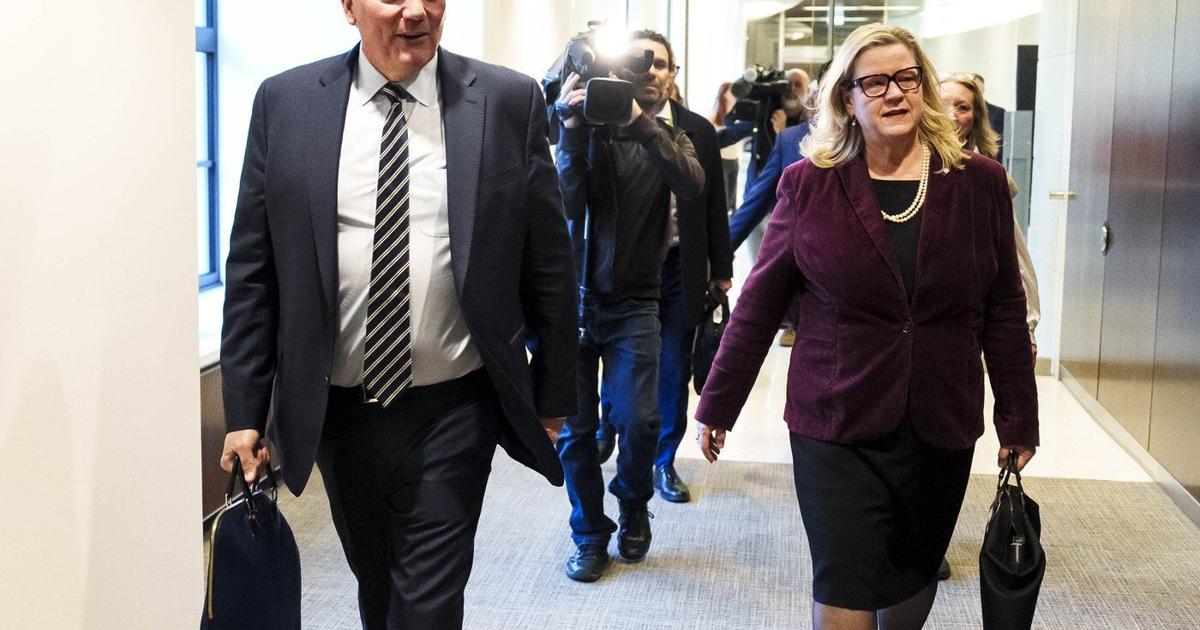
On the issue of eliminating all tariffs, Canada’s current chief trade negotiator, Janice Charette, told a Commons committee last week that Canada’s goal is no longer a deal without any U.S. tariffs, but to “get to the lowest rate of tariff on the narrowest basket of goods with the most preferential access for Canadian businesses and Canadian workers” – something Carney himself was signalling as early as July, 2025.
asserted
Carney → eliminate → July
Canada-U.S. Trade Minister Dominic LeBlanc said last week that if Canada can negotiate lower sectoral tariffs on steel, aluminum, auto and lumber under Section 232 of the Trade Expansion Act of 1962 and the Section 338 tariffs under the U.S. Tariff Act of 1930, this could kickstart negotiations on CUSMA.
uncertain
this → say → CUSMA
“The Americans have been clear that if we come to an arrangement to reduce the 232 and 338 tariffs, we could also begin a formal review process that’s prescribed in the CUSMA agreement,” LeBlanc told CBC‘s David Cochrane on Power & Politics.
uncertain
LeBlanc → come → Power
Can Carney can sell interim deal to Canadians?
asserted
Carney → sell → Canadians
Much of the current political debate is over whether Carney can sell an interim deal to Canadians that includes tariffs, given that a recent Nanos polls found a clear majority of those surveyed – 55% – oppose a new trade deal with any U.S. tariffs, compared to only 34% who would support such a deal.
asserted
who → sell → deal
Canadians may simultaneously believe no one could have gotten a better deal with Trump, but more important is whether Canadians can live with the economic damage the absence of a deal on U.S. sectoral tariffs and Canadian counter tariffs is doing to our economy.
uncertain
absence → believe → economy
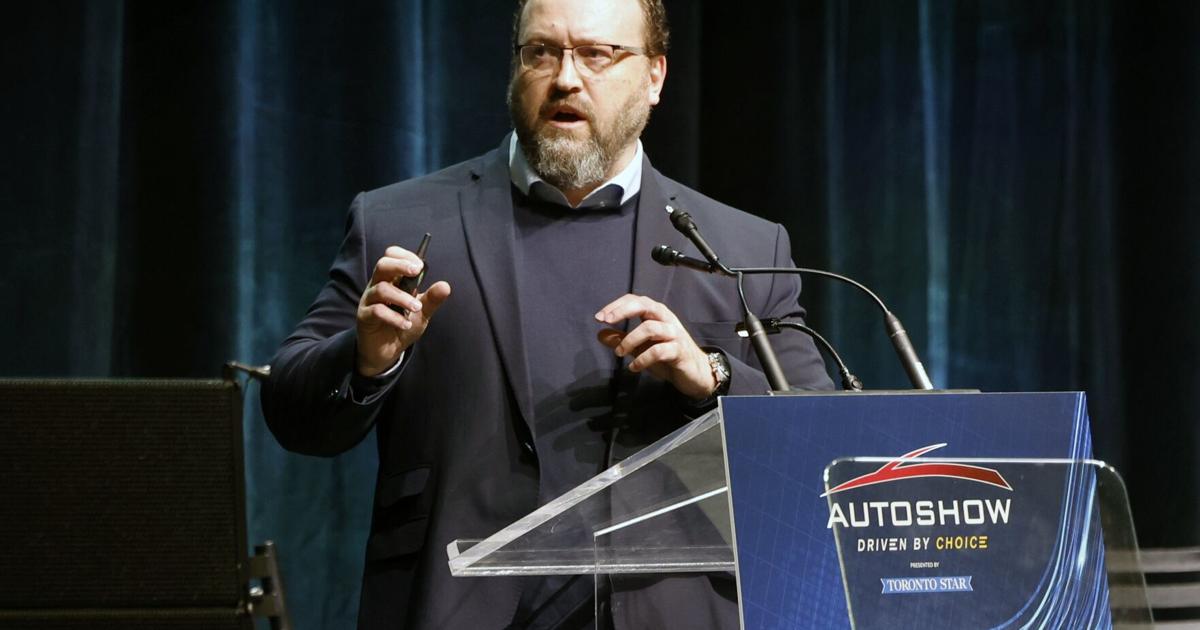
International trade lawyer Mark Warner told CBC Morning with Lina Ward on Saturday the Carney government’s problem is that it “has been creating all sorts of irrational expectations on the part of Canadians and now they’re in a position of having to climb down and figure a way out of the corner they’ve boxed themselves into.”
asserted
they → tell → themselves
He said the American position has always been that the sectoral tariffs would have to be dealt with before negotiations on CUSMA could begin, which the Carney government has now conceded.
uncertain
government → say → which
“The Americans have said very clearly … you’ve got to get this stuff done, first.
asserted
stuff → say → ?
And they’ve been saying that for a year.
asserted
they → say → year
And we’ve been saying, ‘No, no, no we want a whole agreement,’ … none of that was ever realistic.
asserted
none → say → that
My fear is that the government by saying that for a year, they’ve created an expectation on the part of the Canadian public that some of these things that were never on the cards, were on the cards, and now it’s going to be hard for the government to back down.”
asserted
government → say → cards
Relying on the incoming Democratically-controlled U.S. Congress to cancel the tariffs isn’t realistic, Warner said, because Trump is using his executive authority to implement them and because Democrats did not obtain the necessary two-thirds majorities in the Senate and House of Representatives in the midterm elections needed to override a presidential veto.
asserted
Democrats → rely → veto
“I think the playing to nationalism and stoking passions it’s just not productive and has not been a productive way and will not be a productive way for Canada, at least for the next two years,” Warner said.
asserted
Warner → think → years
“By focusing all on Trump’s theatrics and pyrotechnics we kind of lose sight of the fact that Americans do have a lot of concerns with Canadian trade policy and that’s true of the incoming Democrats as well.”
asserted
that → focus → Democrats
 The Aporia