For Trump, doubling down on tariffs is about power, not popularity
AI generated
PALM BEACH - In midterm elections three weeks ago, US voters punished Republicans over an economy and inflation that many said were made worse by tariffs.
asserted
many → double → tariffs
President Donald Trump is doubling down on them anyway.
asserted
Trump → double → them
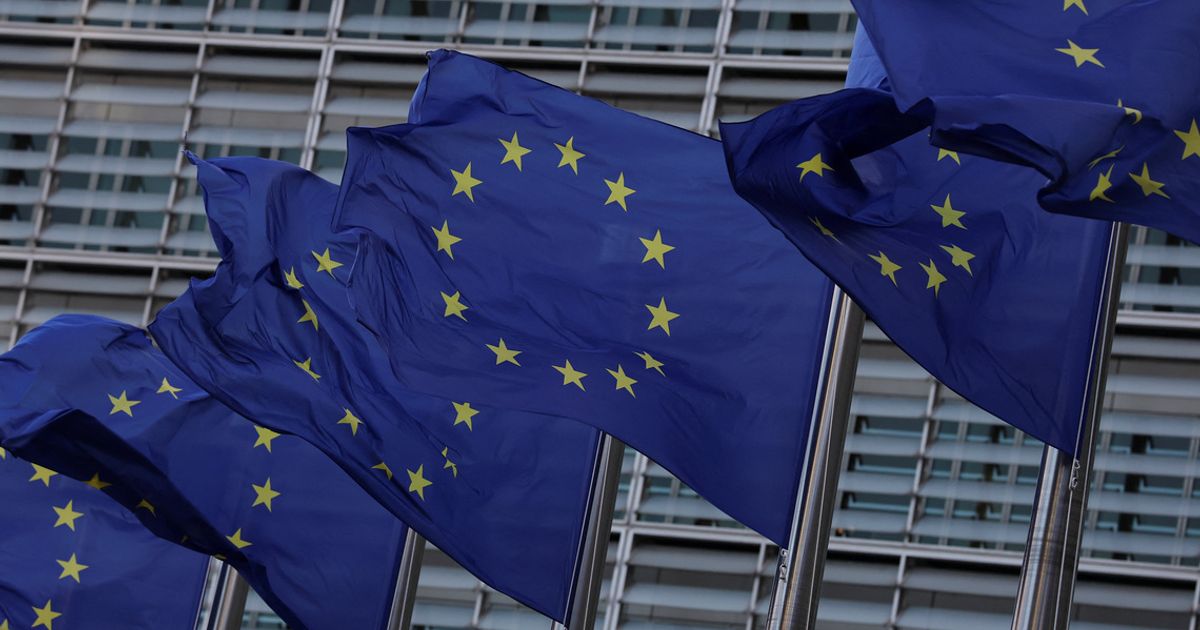
The Trump administration on Nov 25 announced a new round of tariffs on goods from 14 major trading partners, including China, Japan and the European Union, a seemingly counterintuitive move that reflects both Trump’s decades-old belief in tariffs and a new political reality confronting his White House.
asserted
that → announce → House
With Democrats set to control Congress for the final two years of his presidency, tariffs are taking on added importance as one of the most potent economic tools Trump can wield without lawmakers’ approval.
asserted
Trump → set → approval
Tariffs are taxes levied on imports, raising costs for consumers.
asserted
Tariffs → levy → consumers
But Trump sees them as a way to wring concessions from foreign leaders, force corporate CEOs to build plants in the US, raise cash for the government and curry favour with blue-collar voters, according to US officials and other people familiar with the president’s thinking.
uncertain
Trump → see → thinking
And after a midterm defeat for his party that threatens to sharply constrain his domestic agenda, Trump is eager to demonstrate that he remains capable of driving economic policy and exercising power even as his legislative clout diminishes, the people said.
asserted
people → threaten → power
“This is all because of tariffs,” Trump told CNBC on Nov 23 as he touted new factories being built in the US.
asserted
he → tell → US
But he said the policy could come with costs.
uncertain
policy → say → costs
Some Republicans in Congress were quick to blame the president’s tariff policy for the party’s stunning midterm losses.
asserted
Republicans → blame → losses
Two-thirds of voters said Trump’s tariff policies hurt the national economy, compared with 21% who said they had helped and 12% who found no difference, according to exit polls conducted by SSRS on behalf of a consortium of US media outlets.
uncertain
who → say → outlets
Yale University’s Budget Lab estimated earlier in November that tariffs raised US household costs by US$900 (S$1,161) annually.
asserted
tariffs → estimate → 900
The administration nevertheless proposed new tariffs that would increase duties on targeted imports, with maximum rates of 20% to 40%, though completed or pending trade deals would generally limit them to 10% to 20%.
asserted
deals → propose → 20
The new policy, which followed an eight-month review of trading partners’ practices, revamps a set of tariffs that Trump imposed in 2025 and the Supreme Court struck down as illegal in February.
asserted
Court → follow → February
Trump’s chief trade negotiator, Jamieson Greer, made the tariff announcement with little fanfare on the eve of the US Thanksgiving holiday.
asserted
negotiator → make → holiday
Trump himself made no public remarks on the new actions, a marked contrast with his “Liberation Day” tariff announcement in 2025 in the White House Rose Garden.
asserted
Trump → make → Garden
Despite the muted rollout, the market reaction was swift, with the benchmark S&P 500 closing down a quarter of a percentage point on Nov 25.
asserted
S&P → close → Nov
Trump had also roiled the markets just days earlier with his extraordinary efforts to restore Jensen Huang as CEO of the chipmaker Nvidia, a surprise move that tested the bounds of presidential intervention in private markets.
asserted
that → roil → markets
Stock markets rallied on Huang’s return, but have since pared back.
asserted
markets → rally → return
Concerns about affordability
Democrats seized on the tariff announcement, saying Trump was willfully ignoring voters’ anger about high costs and inflation, which have also been fueled by Trump’s decision to attack Iran, sparking a conflict that has significantly disrupted oil production and shipping.
asserted
that → seize → production
Several Democrats also argued that, by punishing allies, the policy did little to thwart China’s aggressive trade practices.
asserted
policy → argue → practices
“Republicans have learned nothing,” incoming House Majority Leader Katherine Clark, a Massachusetts Democrat, said on X.
asserted
Clark → learn → nothing
A former senior US trade official who served under Trump said the midterm rout likely moderated the tariff rates proposed, given that stiffer rates could trigger fresh concerns over affordability.
uncertain
rates → serve → affordability
But while the election focused heavily on rising fuel prices and the cost of living, Trump has made reducing the US trade deficit a cornerstone of his administration, arguing that Washington was effectively shipping factory jobs overseas.
“Putting a stop to American workers, farmers, and businesses being ripped off by lopsided trade agreements has been a key foundation of President Trump’s Make America Great Again movement,” said White House spokesman Matthew Middleton, adding that the administration would “continue fighting to lower costs”.
asserted
administration → focus → costs
Tariffs also have brought a new revenue source to the federal government after Trump’s signature 2025 One Big Beautiful Bill Act cemented lower individual tax rates.
asserted
Act → bring → rates
Trump’s protectionist policies have drawn support from some blue-collar labor groups that historically backed Democrats, even as some Republicans recoil from an economic tool they view as hostile to free markets.
asserted
they → draw → markets
United Steelworkers International President Roxanne Brown on Wednesday called the administration’s actions “long overdue”.
asserted
Brown → call → actions
The group endorsed Trump’s Democratic opponent, Kamala Harris, in 2024.
asserted
group → endorse → 2024
Republican US Representative Don Bacon of Nebraska, a Trump critic who is retiring from Congress, took a different view.
asserted
who → retire → view
Calling tariffs “a tax on American consumers” and blaming high inflation and lower wage growth for Republicans’ losses, he urged lawmakers to reclaim authority over import duties.
asserted
he → call → duties

 The Aporia