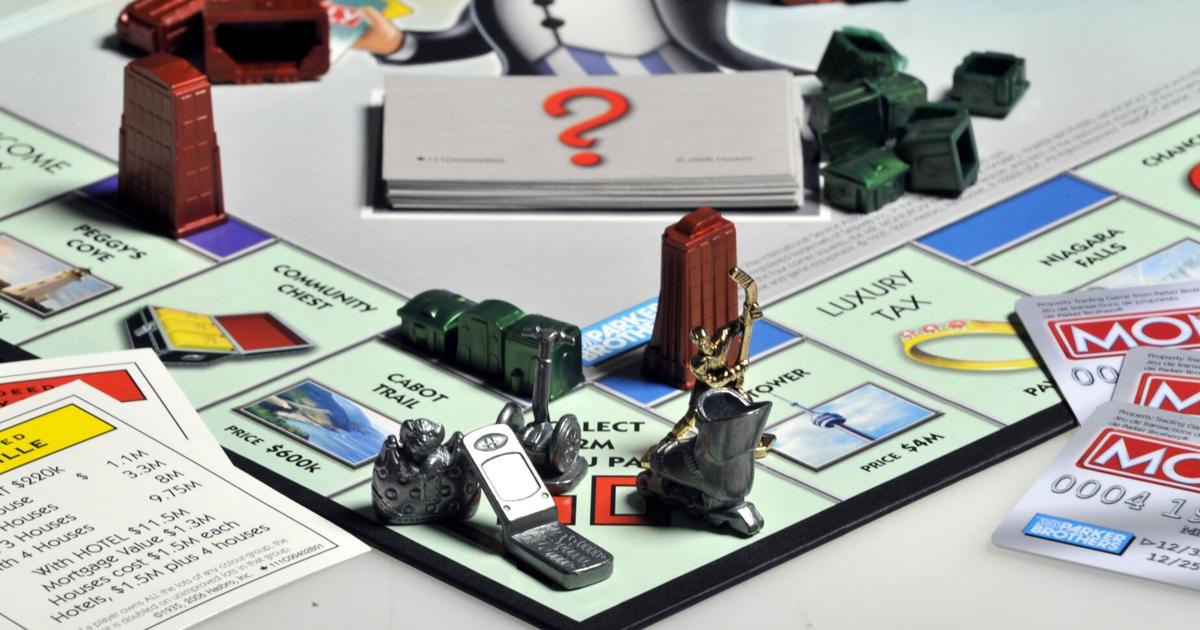
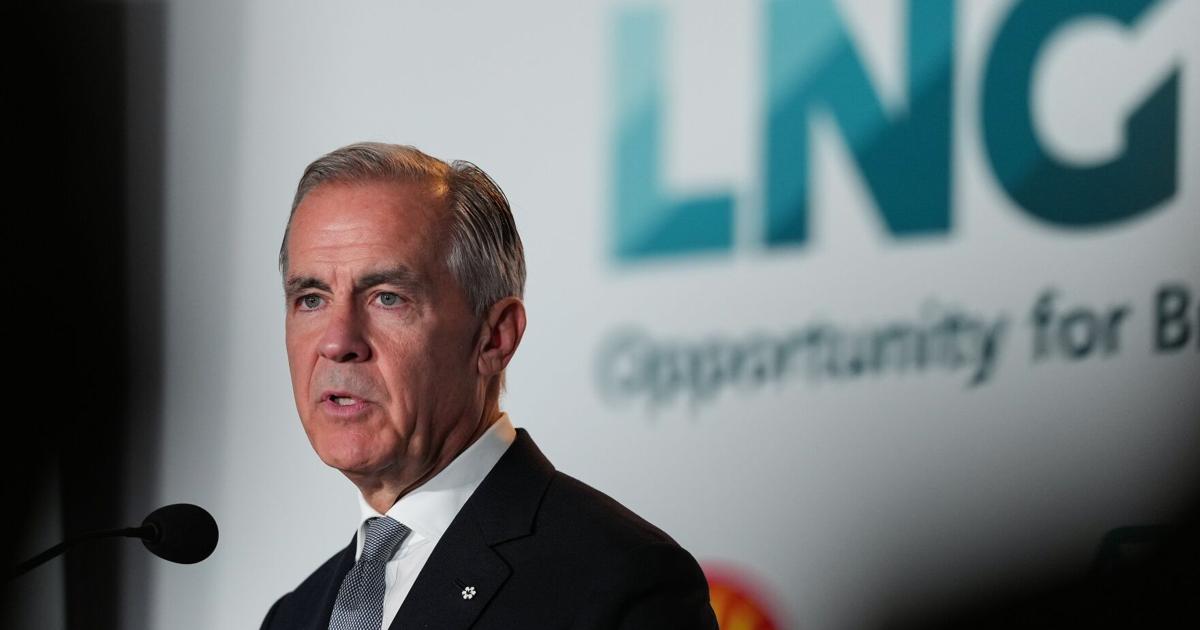
Being a busy guy, Prime Minister Mark Carney probably hasn’t had time recently to sit down with friends for a leisurely, fun-filled evening playing Monopoly.
asserted
Carney → have → Monopoly
Perhaps he should make time.
asserted
he → make → time
In controversial comments last week about the proposed merger of two telecom giants, the prime minister revealed that he didn’t necessarily object to a high level of corporate monopoly — or oligopoly — in the telecom sector.
asserted
he → propose → sector
Four giants dominate this key market, which impacts virtually every Canadian.
asserted
which → dominate → Canadian
As a result, Canadians pay among the highest cellphone and internet prices in the developed world.
asserted
Canadians → pay → world
An independent Helsinki-based telecom research company, called Rewheel, reported that downloading costs in Canada are seven times higher than in Australia, 25 times higher than in Ireland, and a jaw-plummeting 1,000 times higher than in Finland.
asserted
costs → base → Finland
Serious problem in our economic system
There’s a reason that Monopoly has been wildly popular since it first appeared in 1935.
asserted
it → ’ → 1935
It’s fun to play, and it artfully exposes a serious problem in our economic system.
asserted
it → ’ → system
As any seven-year-old knows, certain players become dominant as the game advances, enabling them to knock off competitors, hike prices and become obscenely rich, until one triumphantly manages to eliminate all others, winning the game.
asserted
one → know → game
So it was curious that Carney suggested there might be a good side to oligopoly, commenting that “depending on the market structure, the form of oligopoly can lead to more competition with fewer players under certain circumstances.”
Not only does his formulation defy the rules of the bestselling board game ever, but it’s at odds with standard economic thinking, which celebrates competition as the centrepiece of any well-functioning market.
That’s because competition leads smaller players, who are hungry to win customers, to come up with better, lower-cost products.
uncertain
who → suggest → products
It’s called innovation.
asserted
It → call → ?
But it can be crushed by market giants who would rather eliminate pioneering upstarts than share the market with them.
asserted
who → crush → them
A 2023 study by Canada’s federal Competition Bureau documented an alarming decline in competition in Canada over the past 20 years, noting how our markets are increasingly dominated by giant firms, resulting in consumers receiving fewer competition benefits “such as lower prices, greater choice and more innovation.”
asserted
consumers → document → prices
The competition bureau has found extensive problems in the telecom market, where high prices make access difficult for low-income Canadians, and the bureau has expressed opposition to earlier telecom takeovers.
asserted
bureau → find → takeovers
The currently proposed telecom takeover (of Telus Corp by Quebecor Inc) might lead to greater efficiencies — and hence higher profits — in the industry, which presumably explains its potential appeal to Carney, who’s always keen to boost corporate profits.
But it’s far-fetched to imagine that reducing the number of telecom giants from four to three will result in lower prices for consumers.
uncertain
reducing → propose → consumers
Increasing competition
Certainly, if Carney is concerned about “affordability,” he should focus on increasing — not decreasing — competition.
asserted
he → increase → competition
A public option could help.
uncertain
option → help → ?
NDP leader Avi Lewis is urging Ottawa to create a public telecom option to increase competition.
asserted
Lewis → urge → competition
He notes that Saskatchewan’s publicly-owned telecom, SaskTel, has competed effectively with telecom giants, keeping prices in Saskatchewan lower than in some other provinces.
asserted
telecom → note → provinces
Ironically, Monopoly, which has sold more than 275 million copies, was based on an earlier board game developed by social activist Elizabeth Magie, whose aim was to critique monopolistic corporate power.
asserted
aim → sell → power
In her game, players chose to play by the rules of monopoly power — or by the rules of a more egalitarian economic system, producing shared prosperity for all.
asserted
players → choose → all
Parker Brothers dropped the egalitarian option.
asserted
Brothers → drop → option
Now Carney seems keen to create his own game, to be played by the rules of monopoly power — and yet somehow we all win!
Call it Carnopoly.
asserted
we → seem → it
Sure, it’s unrealistic and lacks the biting insight of earlier versions of the game, but it might just find a niche market — among oligopolists.
uncertain
it → ’ → oligopolists
 The Aporia