‘Millions starving’ in Yemen’s north as funding shortfall and restrictions impact aid delivery
SANAA -
asserted
shortfall → starve → delivery
Millions of Yemenis in areas under Houthi control are suffering from hunger as a result of restrictions on humanitarian organisations and their lack of funding, Norwegian Refugee Council head Jan Egeland told AFP.
asserted
Egeland → suffer → AFP
In an interview on Nov 27 in Sanaa, the Yemeni capital controlled by the Iran-backed group, Egeland spoke of a “big difference” between the government-controlled south, where numerous international organisations are active, and the north, where “we are so few”.
asserted
we → control → south
And we are all underfunded as humanitarians in Yemen”.
asserted
we → underfunde → Yemen
“Well over 20 million people” in the north “are lacking the aid they need to have a minimum (standard) of living,” he said.
asserted
he → lack → living
“Millions and millions are starving and have desperate needs.”
asserted
Millions → starve → needs
“I have never ever in my many years as a humanitarian worker seen so few humanitarian groups faced with so desperate needs among so many millions of people as in northern Yemen.”
asserted
I → see → Yemen
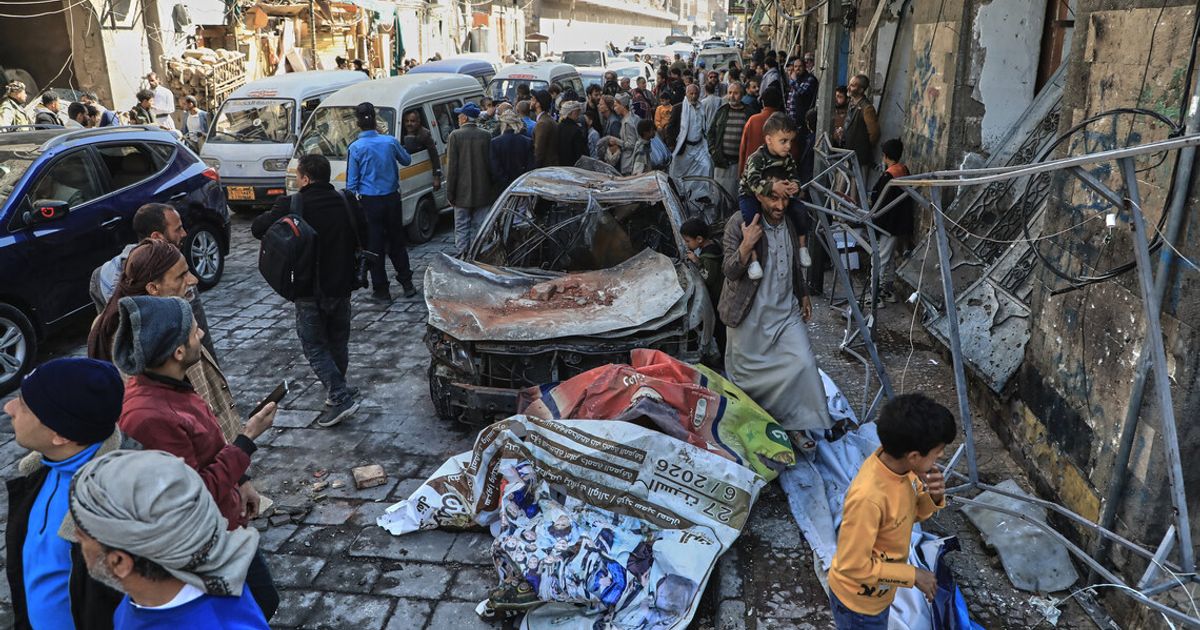
The war between the Houthis and a Saudi-led military coalition backing the internationally recognised government has caused one of the world’s worst humanitarian crises.
asserted
war → lead → crises
The Houthis seized Sanaa in 2014 and control much of the north, including most of Yemen’s population.
asserted
Houthis → seize → population
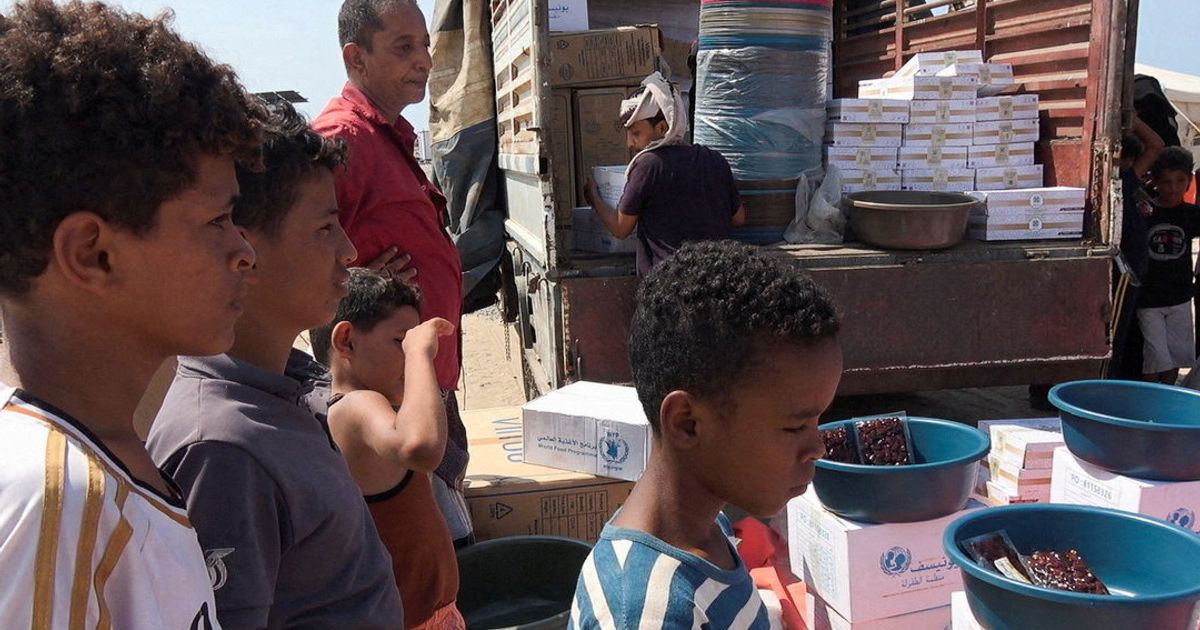
“Millions and millions got food every single month until the UN pause in operations in the north after their aid workers were detained,” Egeland said.
asserted
Egeland → get → north
At the end of October, the United Nations announced the death of employee Mohammed Al-Shami, who had been detained by the Houthi authorities since 2024.
asserted
who → announce → 2024
UN spokesman Farhan Haq said in October that 71 UN employees were still being held by the Houthis.
asserted
employees → say → Houthis
Egeland highlighted the difficult political dynamics that humanitarian groups need to navigate, including sanctions on the Houthis.
asserted
groups → highlight → Houthis
“Sanctions from some of the donor countries meant that some organisations left because they were afraid to be punished for the sanctions,” he said.
asserted
he → mean → sanctions
“Others lost aid completely overnight because they were reliant on the United States and Germany and others who cut their aid” budgets.
asserted
who → lose → budgets
And still other organisations “felt that the humanitarian space was not there.
asserted
space → feel → ?
There was too much interference, and their aid workers were detained”.
asserted
workers → be → ?
He called on the international community to do more to facilitate a return of the UN’s agencies.
asserted
He → call → agencies
“Without the UN, we cannot reach everybody in the north.
asserted
we → reach → north
Only the World Food Programme has the capacity to feed everybody.”
asserted
Programme → have → everybody
But despite all the obstacles, Egeland stressed that the main issue remains a lack of funds, not access.
asserted
issue → stress → funds
He said the UN’s 2026 appeal for basic assistance is only 20 per cent funded and its appeal for emergency shelter has reached just 13 per cent, calling the gap “catastrophic”.
Yemen’s frozen civil conflict reignited in July amid the regional Middle East war and has displaced more than 340,000 people in recent months, according to the International Organization for Migration.
Egeland said he would head to government-controlled Taiz, which has been suffering from a worsening food crisis for weeks due to a Houthi siege on the city.
uncertain
which → say → city
“Both in the north and in the south, I saw people who are without shelter against the elements,” he said, citing people living under leaves and branches in Abiyan in the south.
asserted
he → see → south
“It’s much worse now than I have seen it at any point in my years visiting Yemen,” he said.
asserted
he → ’ → Yemen
“It is a forgotten and neglected crisis already.”
asserted
It → forget → ?
Egeland expects the number of deaths resulting from acute malnutrition in Yemen to rise within six months.
asserted
number → expect → months
“When children are as malnourished as they are now, they die from diseases.
asserted
they → die → diseases
And when they drink polluted water, they get diarrhoea and they die.
asserted
they → drink → diarrhoea
Others get cholera and die.”
asserted
Others → get → cholera
 The Aporia