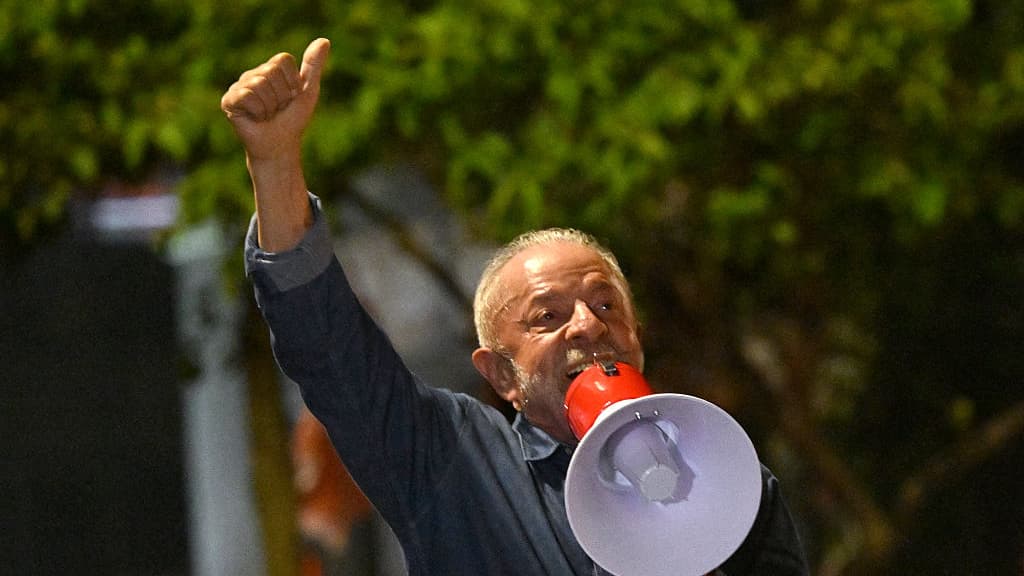
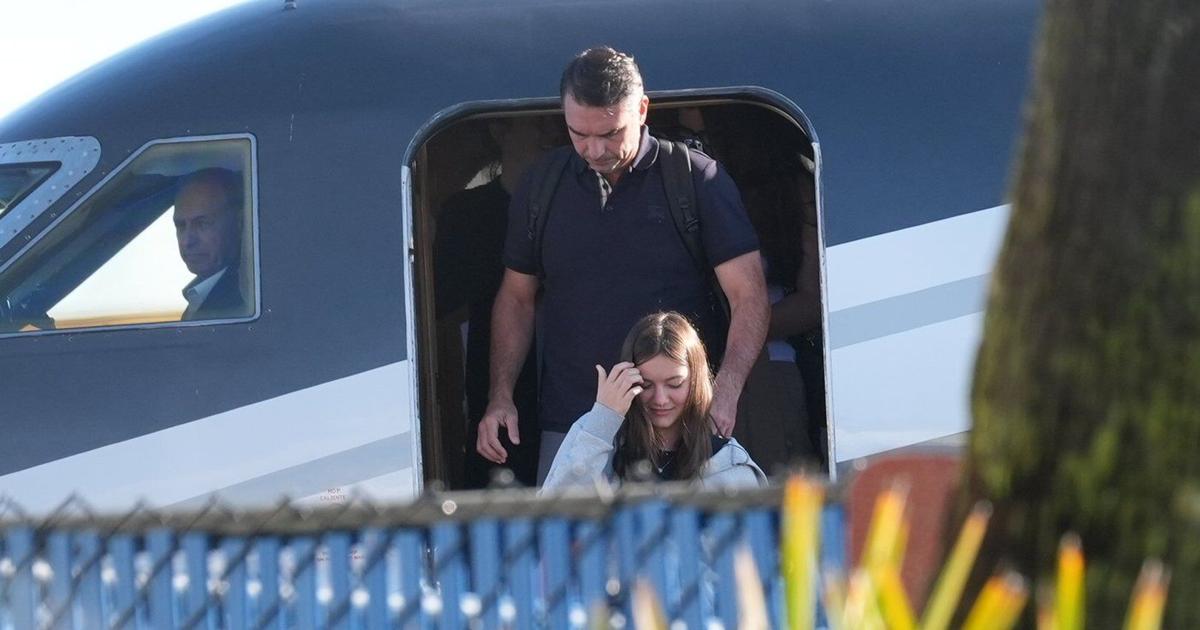
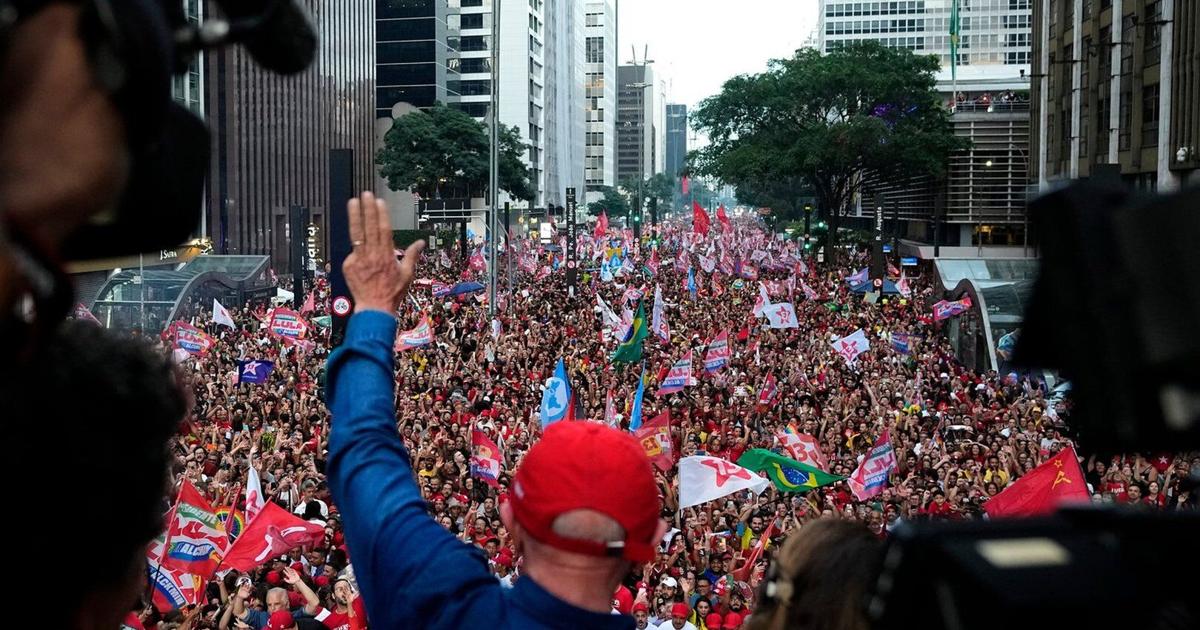
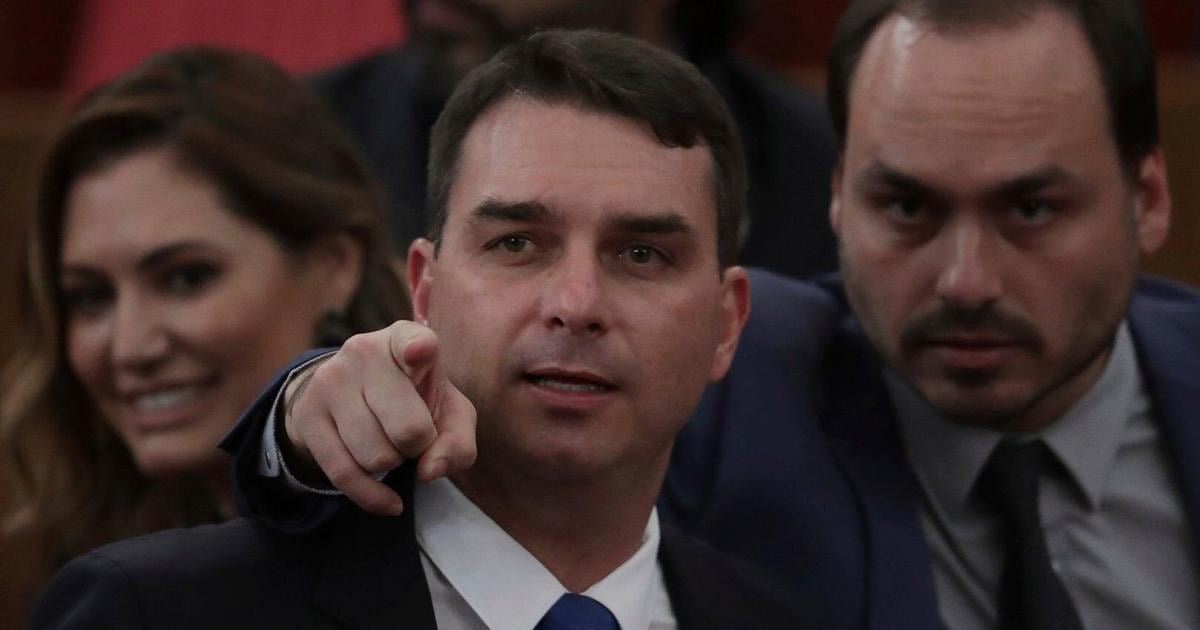
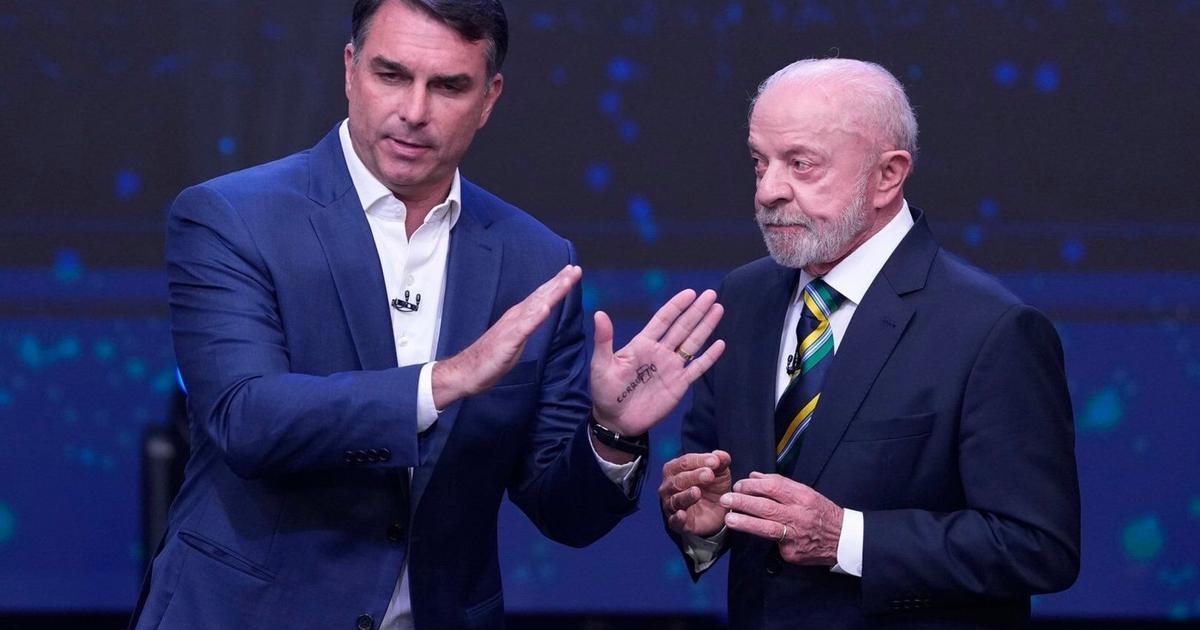
Brazilians will choose between incumbent President Luiz Inácio Lula da Silva and Flávio Bolsonaro in Sunday’s polarizing presidential election, a contest that will determine whether the U.S. will significantly expand its growing influence in Latin America.
asserted
U.S. → choose → America
Polls before Sunday’s vote showed the two candidates, who need more than 50% of the vote to become Brazil’s next leader in January, in a neck-and-neck race.
asserted
who → show → race
The election pits the left-of-center veteran politician Lula against Bolsonaro, an ally of U.S. President Donald Trump and the son of imprisoned former President Jair Bolsonaro.
asserted
election → pit → Bolsonaro
Flávio Bolsonaro bested Lula by more than 2.2 million votes in the first round of the election earlier this month.
asserted
Bolsonaro → best → election
More than 33 million voters out of nearly 160 million abstained then.
asserted
voters → abstain → million
Bolsonaro and Lula have opposing ideological views on issues ranging from U.S.-Brazil relations and climate change to social welfare.
asserted
Bolsonaro → have → welfare
A win for Bolsonaro would signify a pivot to the right by Latin America’s most populous country and its largest economy in a year when Trump allies have notched victories in Chile, Peru and Colombia.
asserted
allies → signify → Chile
A victory for Lula would leave Brazil and Mexico, which is the region’s second most populous country and led by President Claudia Sheinbaum, with left-of-center leaders.
asserted
which → leave → leaders
In many ways, Brazil’s runoff vote resembles a rematch between the country’s two polarized political forces that trigger passion as much as loathing.
asserted
that → resemble → loathing
Four years ago, Lula beat Bolsonaro’s father by the narrowest margin since the country’s return to democracy in 1985.
asserted
Lula → beat → 1985
Polls suggest that this election will be even closer.
asserted
election → suggest → ?
Security and cost of living concerns
Lula, who first governed the country between 2003 and 2010, has faced a tough reelection battle because of concerns about the cost of living and security.
asserted
who → govern → living
Flávio Bolsonaro made a tough-on-crime approach the cornerstone of his campaign and pledged to bring down food costs.
asserted
approach → make → costs
Both have been hit by corruption suspicions involving family members and allies, with Bolsonaro implicated in a sprawling scandal rocking Brazil.
asserted
Bolsonaro → hit → Brazil
Lula spent more than a year in prison on corruption convictions that were eventually annulled.
asserted
that → spend → convictions
Bolsonaro’s admission that he accepted about $12 million from disgraced former banker Daniel Vorcaro to produce a film on his father’s life has cast a shadow over his campaign.
asserted
he → accept → campaign
In the lead-up to the vote, Lula frequently portrayed Bolsonaro, whose father is under house arrest for attempting a coup, as a threat to democracy.
asserted
father → portray → democracy
Bolsonaro has promised to seek an amnesty for his father if elected.
asserted
Bolsonaro → promise → father
The next president will name at least three Supreme Court justices out of 11 in his next term due to upcoming retirements.
asserted
president → name → retirements
Bolsonaro has long taken aim at the country’s top court — which has been rocked by a corruption scandal — and promised to push for judiciary reform.
asserted
which → take → reform
Lula, trying to lure undecided voters, has invested in costly incentives since he lost the first round of voting.
asserted
he → try → voting
His government’s most recent moves have been endorsing a debt relief program for small businesses and promising free public transportation on weekends.
asserted
moves → endorse → weekends
A win for the incumbent came with the Senate’s approval of the six-day working week — a popular proposal backed by the government.
asserted
win → come → government
The Trump administration has loomed large
Lula has criticized the U.S. president before Brazil’s election, speaking about the risks of U.S. intervention in Brazilian elections after the Trump administration imposed high tariffs against Brazilian exports, sanctioned a Supreme Court justice who chaired the investigation that ended up resulting in the sentencing of Jair Bolsonaro and classified drug-trafficking groups as foreign terrorist organizations, which experts say may have been intended to make Lula look soft on crime.
Flávio Bolsonaro has touted his proximity to the White House and insisted that Brazil needs to strike better deals with the Trump administration, including the rare minerals economy.
uncertain
Brazil → loom → economy
Brazil estimates that its deposits hold up to 21 million tons, second only to China.
asserted
deposits → estimate → China
He denies he’s being helped by the U.S. government.
asserted
he → deny → government
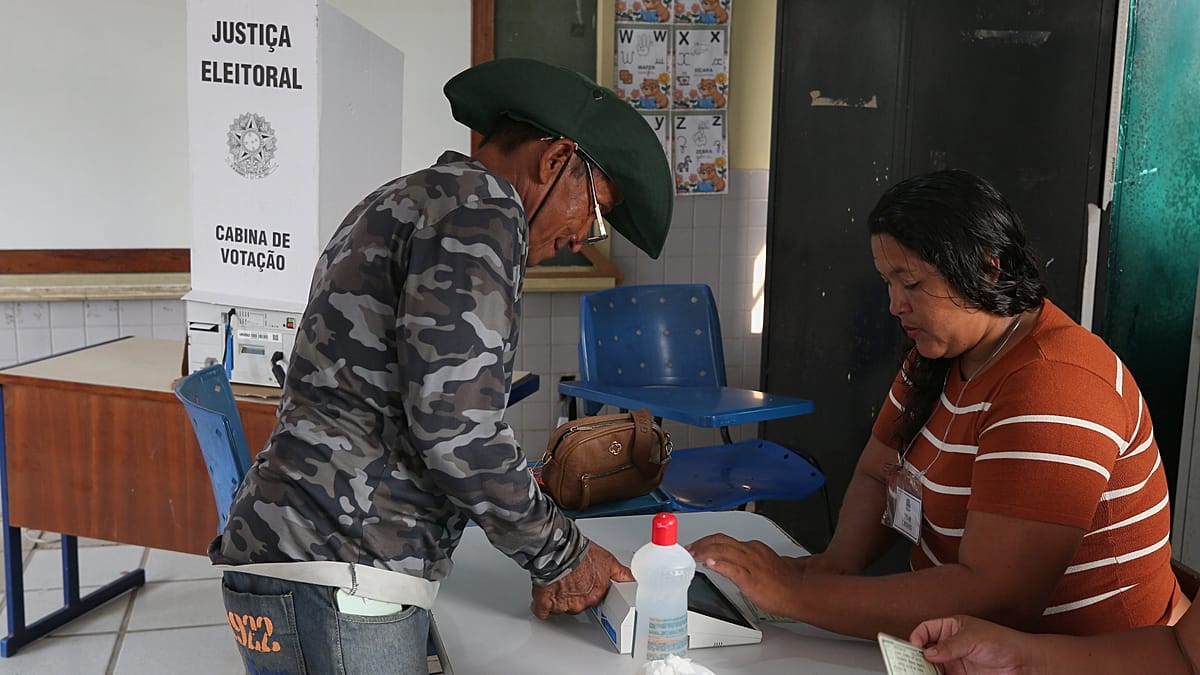
Voting in Brazil is conducted electronically and the result is usually available within hours after polling stations close.
asserted
stations → conduct → hours
___
Savarese reported from Sao Paulo.
asserted
Savarese → report → Paulo
 The Aporia