Photo via The Hindu

Israel elections: Understanding how Knesset polls work vs India’s system

Read the original at The Hindu ↗
Cite

Bureau, T. H. (2026, October 28). Israel elections: Understanding how Knesset polls work vs India’s system. The Hindu. https://www.thehindu.com/news/international/how-israel-elections-work-understanding-knesset-elections-vs-india/article71634802.ece

Dated from the outlet's own feed. Check the original for its byline.

The Hindu · collected 2026-10-28 · by The Hindu Bureau

Quick Summary

Israel recently held a national election on October 27, resulting in a political deadlock with neither Prime Minister Benjamin Netanyahu nor his rival Gadi Eisenkot securing an outright majority. The Israeli electoral system uses proportional representation where parties get seats based on their share of the national vote, differing significantly from India’s first-past-the-post system. In Israel, forming coalitions is essential due to no single party ever achieving a 61-seat majority in parliament, while major Indian parties like the Bharatiya Janata Party have historically won outright majorities.
Written by AI on 2026-10-29, from this article's own text only (the story summary below draws on all the coverage).

AI analysis

Story summary

On October 27, 2026, Israelis voted in parliamentary elections after three years marked by war and conflict. The main contest was between incumbent Prime Minister Benjamin Netanyahu's right-wing coalition, which won 53 seats, and the opposition bloc led by Gadi Eisenkot’s Yashar party, projected to win 20 of 120 seats. Arab-majority lists could play a decisive role as kingmakers due to their potential support for either side under certain conditions. Despite Netanyahu's victory in terms of seat count, forming a government remains challenging because neither bloc has achieved the required majority. President Isaac Herzog will consult with party leaders on November 8 to decide who should form the next government.

Written for “Israel Election Deadlock Netenyahu Future Uncertain” on 2026-11-04, grounded in this article and the 233 other(s) covering the same event.

Story

📰 Israel Election Deadlock Netenyahu Future Uncertain
Politics · 234 article(s) covering the same event. Compare every outlet's account →

Compared with similar articles

This article reads unscored and hedges 8% of its claims. Each row says how that neighbour differs.
Fox News
Hedges 8 of 29 claims Outlet record 68/100
The Hindu
⚖️ Leans right Hedges 3 of 36 claims Outlet record 77/100
Fox News
⚖️ Leans right Hedges 6 of 37 claims Outlet record 68/100
“Article A reports on Netanyahu's political bloc gaining ground in the partial vote count, while Article B explains the voting systems and describes a close race between Netanyahu and his chief rival without specifying a current vote count.”
Al Jazeera
⚖️ Leans strongly left Hedges 4 of 37 claims Outlet record 60/100
National Post
Hedges 3 of 42 claims Outlet record 60/100
Times of India
Hedges 3 of 18 claims Outlet record 59/100
The Guardian
⚖️ Leans left Hedges 3 of 16 claims Outlet record 66/100
The Straits Times
⚖️ Leans right Hedges 10 of 34 claims Outlet record 66/100
Euronews
Hedges 3 of 18 claims Outlet record 60/100
Washington Examiner
Hedges 1 of 3 claims Outlet record 69/100
How this article was measured signals, leaning charts, publisher record, byline, topics and claims

Signals How these are calculated →

Claims extracted
24
sentences that state something as happening or true
Uncertain
8%
2 of 24 hedged ("reportedly", "may", "according to")
Leaning
not political
takes no side on a contested political question
Publisher signals
77/100
The Hindu's corrections and hedging, across everything collected from it. Not a measure of accuracy.
Outlets on this story
234
Politics
Same framing elsewhere
1
articles that frame the event the way this one does
Analyzed 2026-10-29 · how these are computed

How this is being covered How these are calculated →

Article leaning vs. publisher reliability
Source leaning vs. consistency

Publisher

The Hindu · 854 article(s) · 2 correction(s) detected
Running correction rate · 2 correction(s)

Who wrote this

The Hindu Bureau
69 article(s) here · 1 carrying a prediction
🔮 Americans voted on Tuesday (November 3, 2026) in midterm elections that will largely determine how much power U.S. President Donald Trump retains for the rest of his term.
🔮 - November 03, 2026 17:52Midterms begin to close as Americans vote on Trump’s second term The Associated Press reported that the midterm elections, which will serve as a referendum on President Donald Trump’s second term, begin to come to a close today (November 3, 2026).
🔮 He has criticised President Donald Trump’s policies as “utterly destructive”, described him as a “lame duck”, and said Democrats would prevail in the 2026 midterm elections and the 2028 presidential election.
🔮 These state governors hold executive authority over their respective jurisdictions and will be in office to manage the state governance during subsequent presidential elections.
2026-10-31 · assertive framing · What are U.S. midterm elections?
🔮 A high-speed train collision south of Madrid in Spain killed at least 68 people and injured scores of people on Wednesday (October 28, 2026), with the death toll expected to rise, authorities said.
🔮 After the official results are published, Israel President Isaac Herzog will consult representatives of the elected parliamentary factions before assigning a lawmaker the task of forming a government.
🔮 Mohammad-Bagher Ghalibaf, Speaker of Iran’s Parliament, Majles, will be unable to attend the 12th BRICS Parliamentary Forum to be held in Delhi in the coming week, the Iranian Embassy in India said in a statement on Saturday (October 24, 2026).
🔮 Of the city's 51 lawmakers, 40 supported the bill, backed by Mayor Zohran Mamdani, who had earlier this month said the horse-drawn carriage industry would end.
🔮 Nepal is set to receive $21.6 million from the United Nations’ Loss and Damage Fund following the devastating Bhotekoshi floods that struck the country in August.
🔮 U.S. Secretary of State Marco Rubio said on Tuesday (October 20, 2026) that the United States will talk with Reliance about refining more Venezuelan crude.
Wire or desk byline, not an individual reporter.
Also by The Hindu Bureau
Nothing else under this byline is closely related to this article, so these are simply their most recent.
All 69 articles by The Hindu Bureau →

Topics

Hamas India Indian Israel Knesset

Subjects

Israel GPE · 7× India GPE · 3× Indian NORP · 3× Knesset ORG · 2× Benjamin Netanyahu PERSON · 1× Gadi Eisenkot PERSON · 1× Hamas ORG · 1× Israeli NORP · 1× Israelis NORP · 1× Yashar ORG · 1×

Narrative

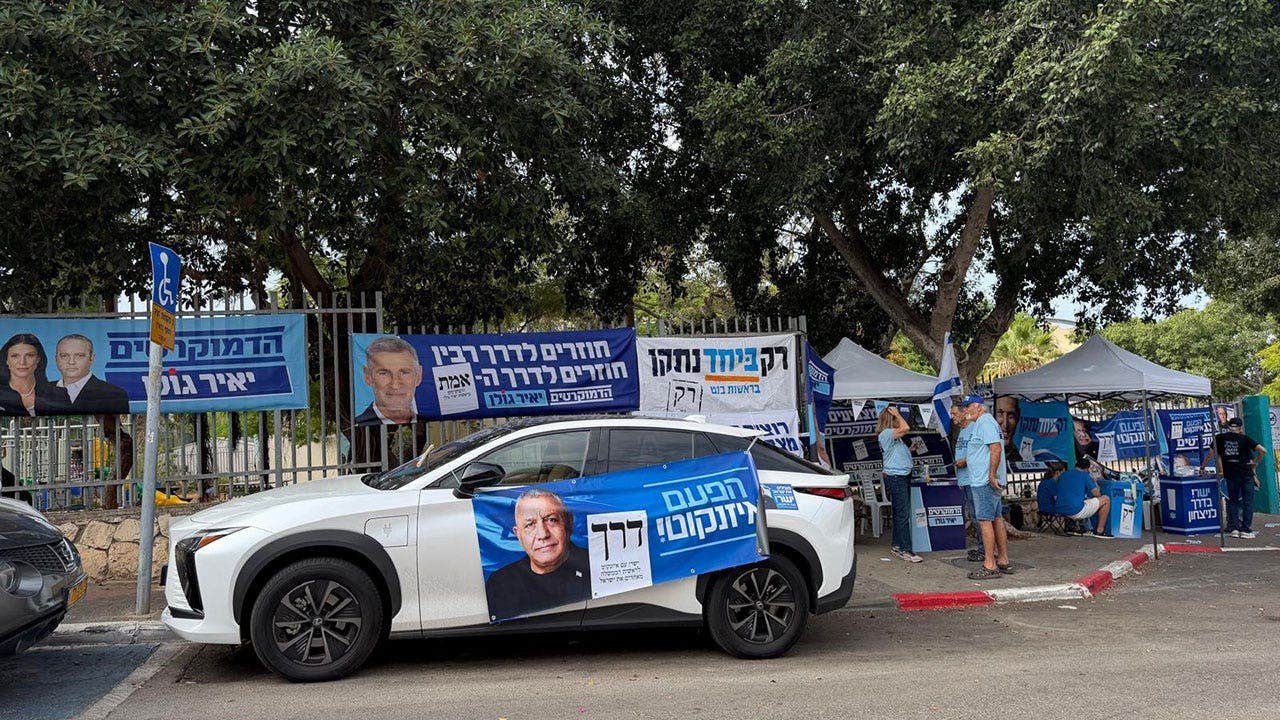
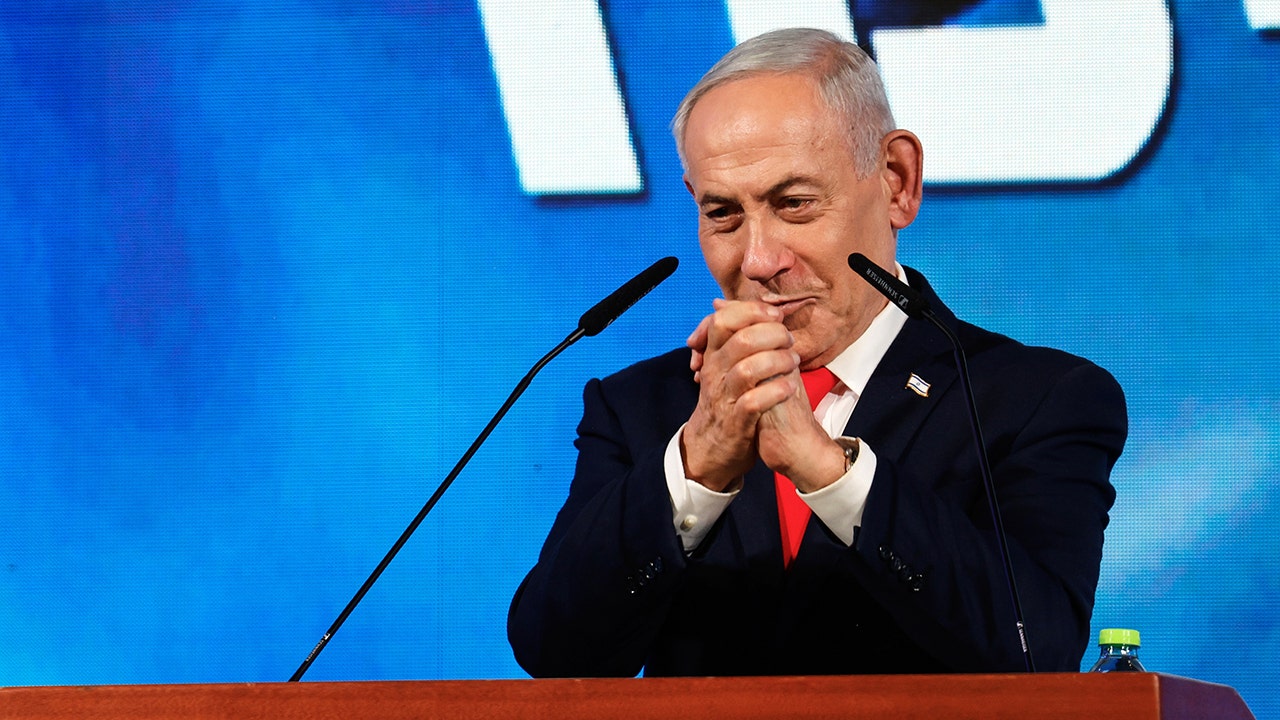
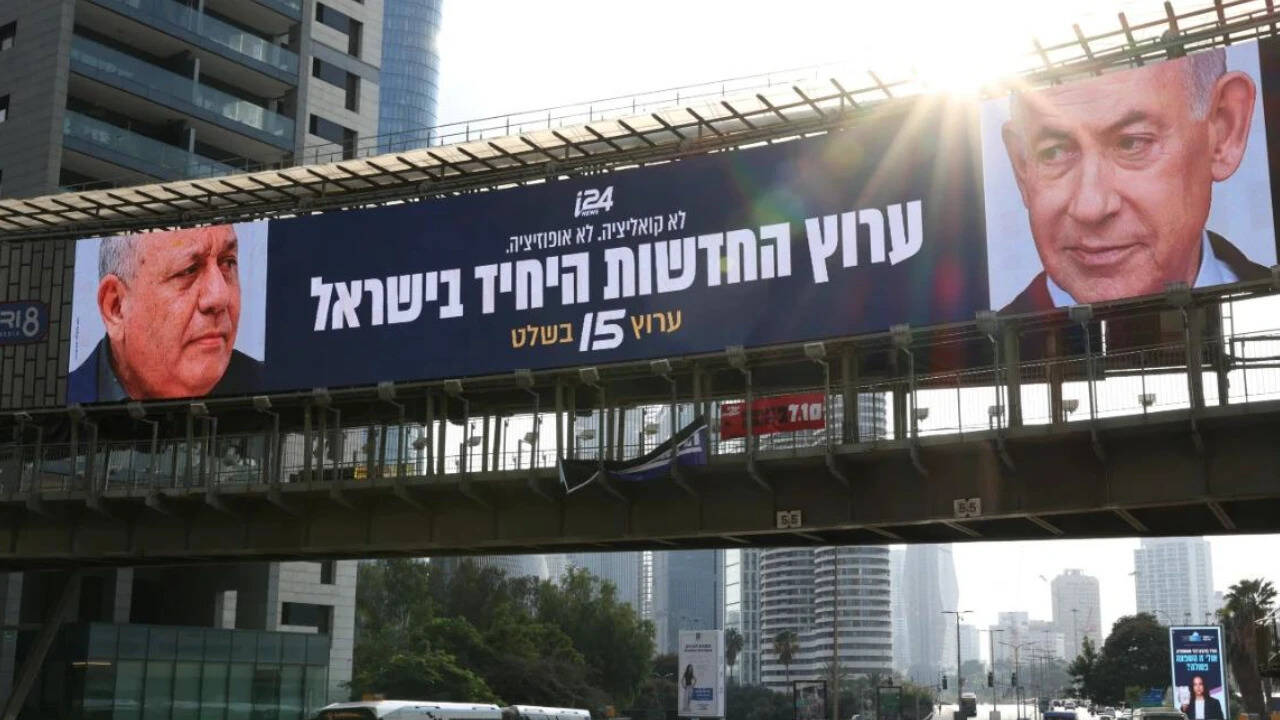
Prime Minister Benjamin Netanyahu and his chief rival, former military chief Gadi Eisenkot of the Yashar party, have both claimed a mandate to form the next government after exit polls showed their respective camps in a neck-and-neck fight without an outright majority, leaving the outcome dependent on the final seat tally and negotiations with smaller parties. Proportional representation vs first-past-the-post system The main difference between Israeli and Indian elections lies in how votes translate into seats.
framing: assertive · carried by 1 article(s) · first seen 2026-10-29
🔮 After the official results are published, Israel President Isaac Herzog will consult representatives of the elected parliamentary factions before assigning a lawmaker the task of forming a government.

Claims (24 extracted, 2 hedged)

Israel faces a high-stakes political standoff after the October 27 national election, the country’s first vote since the 2023 Hamas attack. asserted
Israel → face → attack
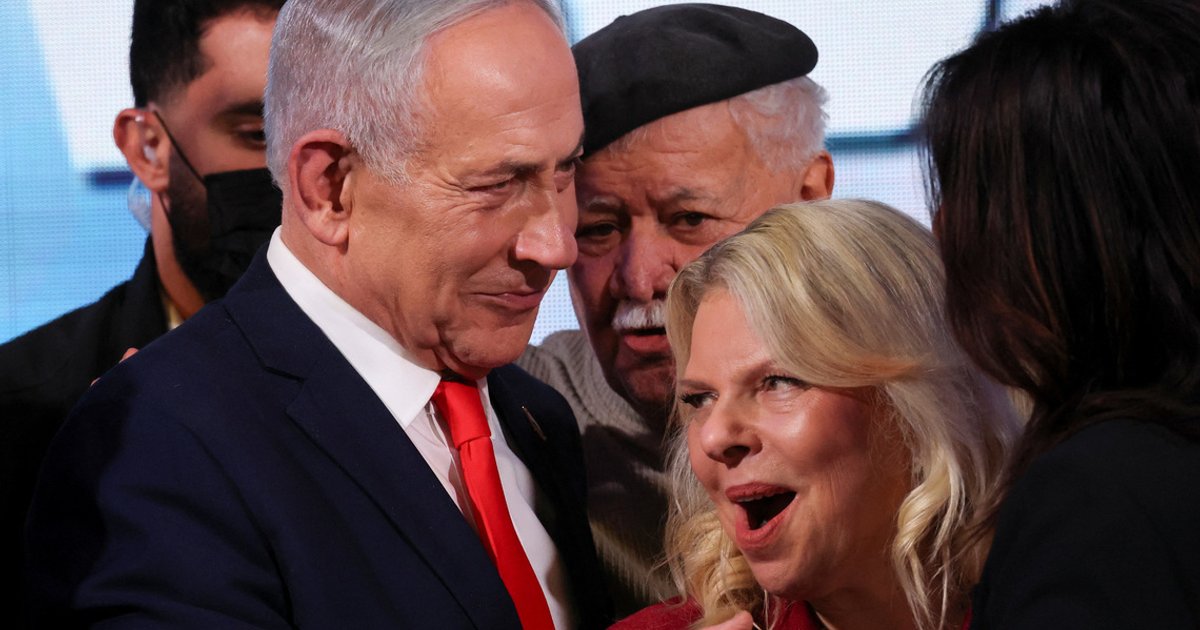
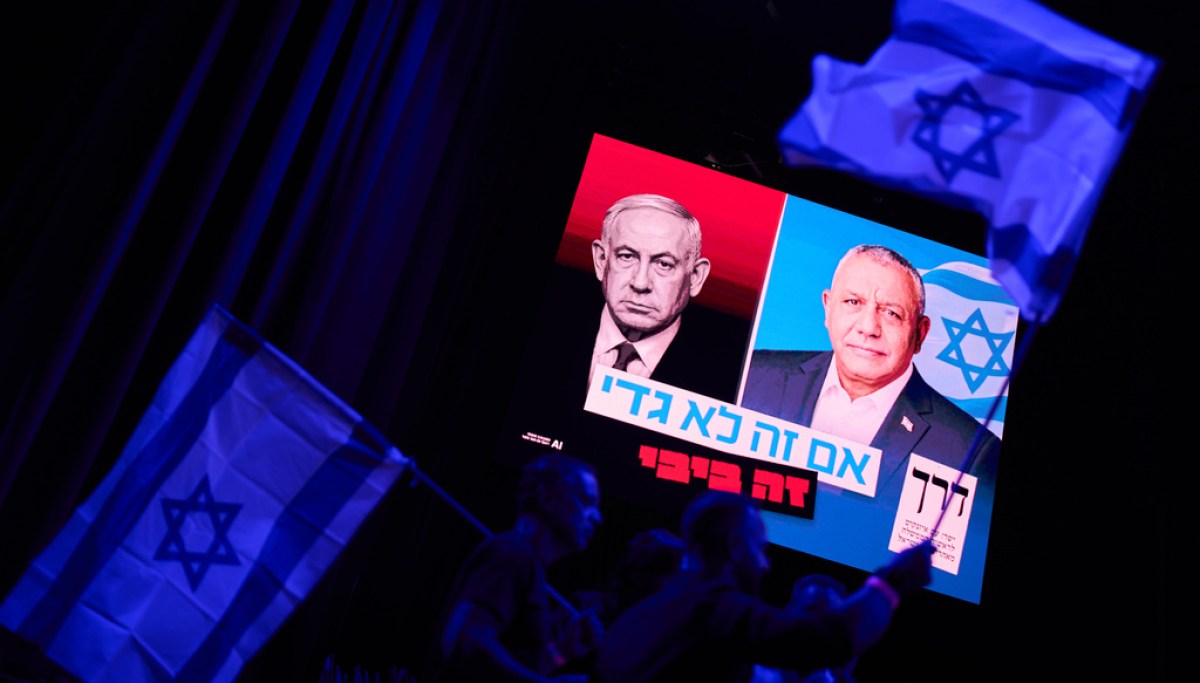
Prime Minister Benjamin Netanyahu and his chief rival, former military chief Gadi Eisenkot of the Yashar party, have both claimed a mandate to form the next government after exit polls showed their respective camps in a neck-and-neck fight without an outright majority, leaving the outcome dependent on the final seat tally and negotiations with smaller parties. Proportional representation vs first-past-the-post system The main difference between Israeli and Indian elections lies in how votes translate into seats. asserted
votes → claim → seats
Israel operates under a nationwide system of proportional representation, treating the country as a single voting constituency without separate geographic districts or local MPs. asserted
Israel → operate → districts
Israelis do not vote for individual candidates. asserted
Israelis → vote → candidates
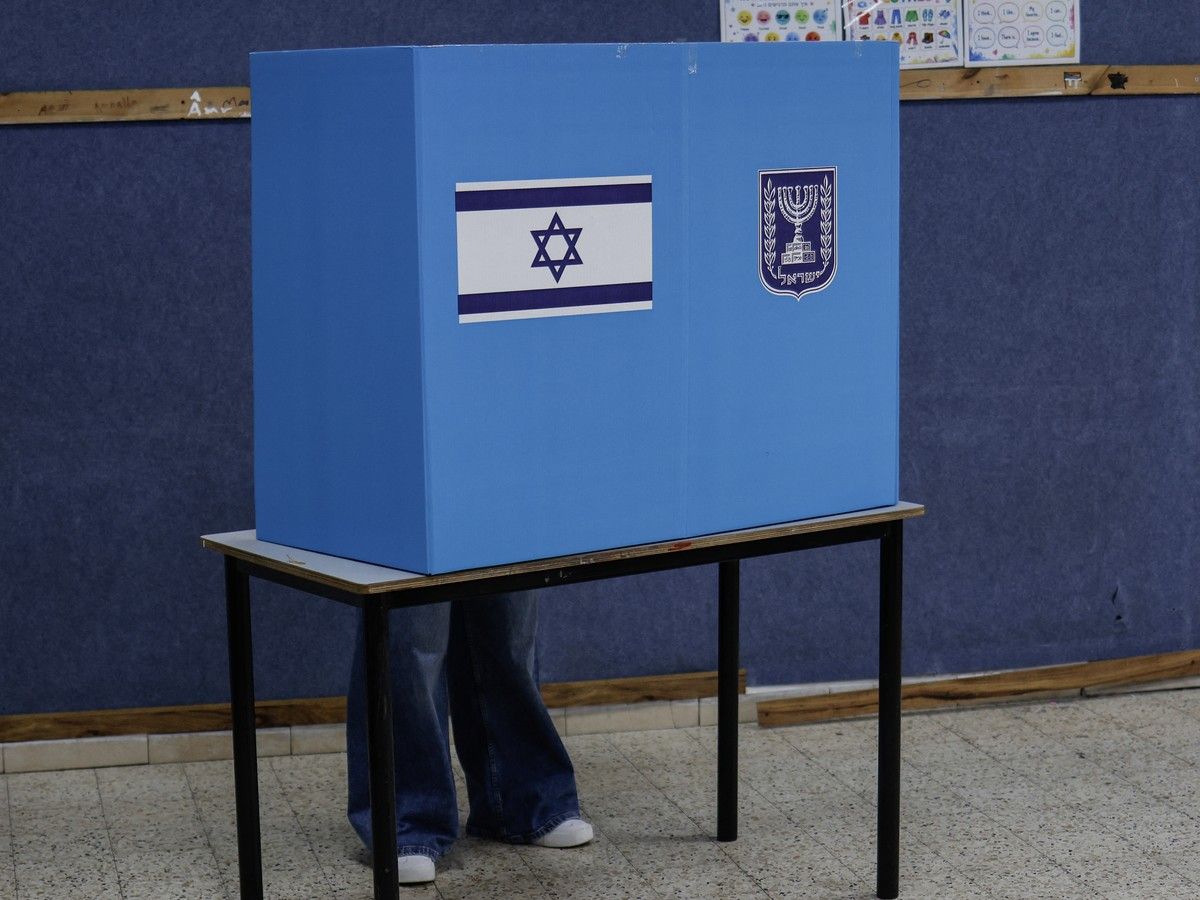
Instead, they cast a single ballot for a closed party list and the 120 seats in parliament, known as the Knesset, are allocated in direct proportion to each party’s share of the national vote. asserted
seats → cast → vote
Meanwhile, India employs a first-past-the-post system (FPTP) across 543 parliamentary constituencies. asserted
India → employ → constituencies
Indian citizens cast ballots for local candidates in their respective constituencies and whichever candidate secures a majority vote in a constituency wins that seat. asserted
secures → cast → seat
No single political party has ever won an outright 61-seat majority in Israel’s history. asserted
party → win → history
With the exit polls on Wednesday (October 28, 2026) too predicting no outright majority for any bloc, forming a coalition government appears to be their only way to go. asserted
forming → predict → government
To enter the 120-seat Knesset, a political list must clear an electoral threshold of 3.25% of the national vote, which equals roughly four seats. asserted
which → enter → seats
Parties that fall short of this line lose all their votes without representation, making party mergers and alliances pertinent ahead of candidate submission deadlines. asserted
mergers → fall → deadlines
For instance, Mr. Netanyahu’s coalition comprises his own right-wing party Likud, Finance Minister Bezalel Smotrich’s pro-settler Religious Zionism and National Security Minister Itamar Ben-Gvir’s far-right Jewish Power. asserted
coalition → comprise → Likud
To form a ruling government in Israel, a coalition must assemble at least 61 seats. asserted
coalition → form → seats
This is a requirement that grants small niche factions a disproportionate sway as political kingmakers. asserted
that → grant → kingmakers
If internal divisions cause a minor party to withdraw its support, the entire administration can quickly fall apart. asserted
administration → cause → support
In contrast, Indian political parties frequently build post-poll or pre-poll alliances. asserted
parties → build → alliances
Additionally, major national parties in India can and often do win single-party majority mandates without relying on minor regional partners for survival. asserted
parties → win → survival
In India, the ruling Bharatiya Janata Party secured outright single-party majority in back-to-back general elections, winning 282 seats in 2014 and 303 seats in 2019, well above the 272-seat majority mark in the 543-member Lok Sabha. asserted
Party → rule → Sabha
But in the 2024 general elections, the PM Modi-led National Democratic Alliance (NDA) bagged only 286 seats, with the BJP winning 240 seats and falling 32 short of the majority mark of 272 seats, prompting a coalition with their allies. asserted
BJP → lead → allies
After the official results are published, Israel President Isaac Herzog will consult representatives of the elected parliamentary factions before assigning a lawmaker the task of forming a government. asserted
Herzog → publish → government
The President generally selects the candidate considered best placed to secure parliamentary support, rather than being required to choose the leader of the largest party. asserted
President → select → party
The first nominee has 28 days to form a government, with the President able to grant extensions of up to 14 additional days. asserted
President → have → days
If the attempt fails, another lawmaker may be given an opportunity. uncertain
lawmaker → fail → opportunity
If subsequent efforts also fail, the process could lead to another election. uncertain
process → fail → election

💬Give feedback
🕘History 🎫Support