US midterms: Politics of fear failed to stop El-Sayed’s historic US Senate win
asserted
Politics → fail → win
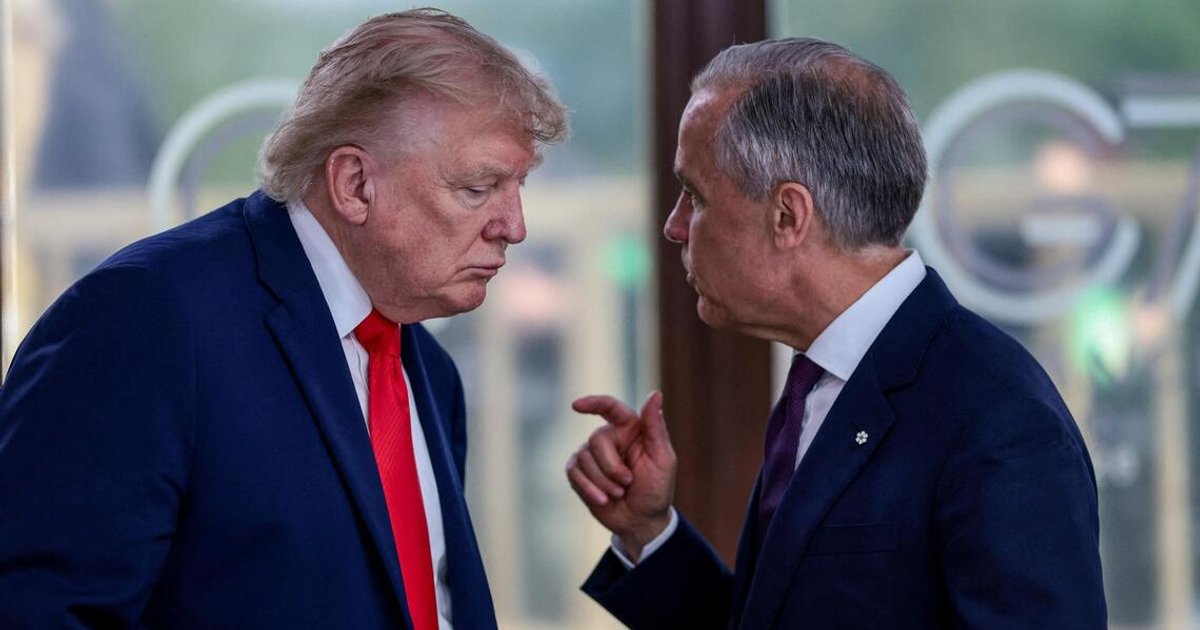
The US President repeatedly branded him a jihadist.
asserted
President → brand → him
His Republican opponent questioned his loyalty to America.
asserted
opponent → question → America
Campaign mailers suggested he had ties to terrorists and warned that, if elected, he would bring sharia law to Michigan.
uncertain
he → suggest → Michigan
Before Abdul El-Sayed could make history as the first Muslim elected to the US Senate, he endured what critics called one of the most overtly Islamophobic campaigns in modern US politics.
uncertain
critics → make → politics
He won anyway.
asserted
He → win → ?
El-Sayed cast his victory in the Nov 3 midterm elections as a rebuke to such rhetoric, accusing his Republican opponent Mike Rogers of running what he called a historically ugly, hate-based campaign.
“You chose hate, and Michigan chose hope,” El-Sayed said in his victory speech.
asserted
Sayed → cast → speech
The attacks were a defining feature of the race, stirring safety concerns among residents in and around Dearborn, home to one of the nation’s largest Arab American communities, local officials and residents said this week.
asserted
officials → stir → communities
El-Sayed, 42, a Michigan-born Egyptian American who has a medical degree and formerly served as Detroit’s health director, ran as a progressive focused on healthcare and the cost of living.
asserted
who → bear → living
David Kolar, a 32-year-old music teacher, said the focus on El-Sayed’s faith recalled the backlash Muslims faced after the Sept 11, 2001, attacks, a period he believed the country had left behind.
asserted
country → say → attacks
“We have freedom of religion, and if he is of the Muslim faith, so be it,” Kolar said after casting his ballot for El-Sayed in the Detroit suburb of Warren.
asserted
Kolar → have → Warren
Rogers said his objections to El-Sayed were ideological, not religious.
asserted
objections → say → Sayed
Yet he portrayed him as a national security threat and campaigned alongside Republicans who went further.
asserted
who → portray → Republicans
Foremost among them was President Donald Trump, who labelled El-Sayed a terrorist and compared him to the Sept 11 hijackers.
asserted
who → label → hijackers
Rogers appeared with Senator John Kennedy, a Louisiana Republican who said El-Sayed sleeps “in a bin Laden jersey”, and with Senator Ted Cruz, a Texas Republican, when he called El-Sayed a “jihadist leprechaun” and warned Americans would die if he won.
asserted
he → appear → Sayed
The attacks stood out not only for their severity but for how readily prominent Republicans embraced them, said Nazita Lajevardi, an associate professor at the University of Michigan who studies the intersection of politics, race and religion.
asserted
who → stand → politics
Unlike after Sept 11 or during Trump’s first-term Muslim ban, she said, there was little pushback from Republican party elites.
“This is the most egregious and most bigoted Islamophobic campaign I have seen,” she said.
asserted
she → say → elites
“What you’re seeing is not just hostility, racism and bigotry from the President ... but you’re seeing it from rank-and-file members of the Republican Party.”
asserted
you → see → Party
Anatomy of an attack campaign
Led by Trump, Republicans portrayed Democratic candidates as radical, un-American and even communist throughout the campaign.
asserted
Republicans → lead → campaign
Democratic Senate candidate James Talarico was derided in Texas as “Talafreako” over his views on gender and sexuality.
asserted
Talarico → deride → gender
In Ohio, ads weaponised Democratic gubernatorial candidate Amy Acton’s account of surviving sexual assault in her youth.
asserted
ads → weaponise → youth
Voters appeared far more concerned with pocketbook issues than attacks, however, in an election season when Democrats, including Talarico and Acton, chalked up sweeping wins.
asserted
Democrats → appear → wins
Still, perhaps no campaign leaned into identity politics as heavily as the Michigan Senate race.
asserted
campaign → lean → race
Republicans sought to link El-Sayed to the Muslim Brotherhood using decade-old writings on political change in Egypt and social media posts by his half-sister.
asserted
Republicans → seek → sister
The US designated some Brotherhood branches as terrorist organisations in 2026.
asserted
US → designate → 2026
El-Sayed disavowed the group and denied any association, and no evidence has emerged linking him to it.
asserted
evidence → disavow → it
Republicans also seized on El-Sayed’s response to the March attack on Michigan’s Temple Israel synagogue.
asserted
Republicans → seize → synagogue
In a statement denouncing the violence, he said “hurt people hurt people”, drawing anger from some Jewish leaders who criticised the remark as rationalizing anti-Semitic violence.
asserted
who → denounce → violence
He later apologized, saying that his comments may have been misconstrued and that “it wasn’t the time for context.”
uncertain
it → apologize → context
Rogers’ allies invoked the episode through the campaign’s final hours.
asserted
allies → invoke → hours
On the eve of the election, the Michigan Republican Party held a press conference featuring Jewish and Black community leaders opposed to El-Sayed beside a large red sign accusing him of offering “SAFE HARBOUR TO TERRORISTS”.
asserted
Party → hold → TERRORISTS
Asked by Reuters to substantiate the claim, party communications director Ted Goodman pointed to the “hurt people hurt people” remark, which he said amounted to justifying a terrorist attack against children.
uncertain
he → ask → children
The argument resonated with some voters.
asserted
argument → resonate → voters
Five of roughly 30 people Reuters interviewed in the Detroit area said El-Sayed’s Muslim faith or perceived links to extremism strongly influenced their vote for Rogers.
asserted
faith → interview → Rogers
“I don’t think he’s a true American,” he said of El-Sayed.
asserted
he → think → Sayed
“I don’t trust him.”
asserted
I → trust → him
Dearborn pushes back
Most voters interviewed dismissed the attacks as desperate and a distraction from their economic concerns.
asserted
voters → push → concerns
Non-Muslims stressed that Muslims and Arab Americans were woven into their daily lives, pointing to friends, neighbours, colleagues and physicians in their communities.
asserted
Muslims → stress → communities
“I grew up around all nationalities,” said Pamela Johnson, a 72-year-old Catholic, after voting for El-Sayed.
asserted
Johnson → grow → Sayed
“We all matter, regardless of colour, race or whatever.”
asserted
We → matter → colour
…and 7 more, not listed.
 The Aporia