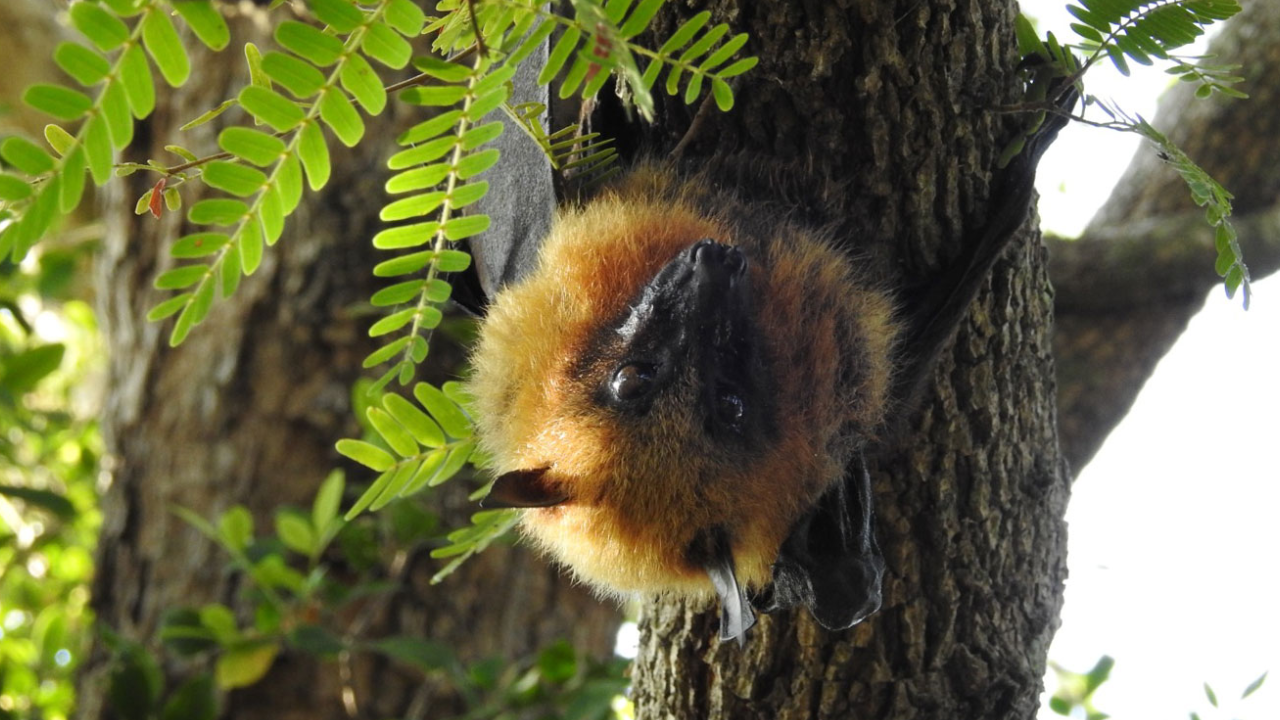
One of Madagascar’s largest bat species is showing a striking physical change, with researchers finding that its skulls have become approximately 6 per cent smaller over the past four decades.
asserted
skulls → show → decades
The findings, published in the Journal of Mammalogy on October 29, 2026, point towards a possible connection between shrinking body size and increased hunting pressure.
asserted
findings → publish → size
The research, also reported by Science News and conservation-focused publications, raises fresh questions about how human activity is changing wildlife populations and threatening species already facing population decline.
asserted
activity → report → decline
The Malagasy flying fox (Pteropus rufus), known for its impressive wingspan and fox-like facial features, is among the world's largest bats.
asserted
fox → know → bats
Found across Madagascar, these fruit-eating mammals play an important ecological role by dispersing seeds and helping maintain forest ecosystems.
asserted
mammals → find → ecosystems
The research was led by Emily Cornelius Ruhs and Steven Goodman of Chicago's Field Museum.
asserted
research → lead → Museum
To investigate the apparent change, the scientists examined 121 preserved specimens held in nine natural history museums across the United States and Europe.
asserted
scientists → investigate → States
The specimens represented more than 150 years of the species' history.
asserted
specimens → represent → history
The team recorded measurements of 12 different features of the bats' skulls and teeth.
asserted
team → record → skulls
Their analysis revealed that specimens collected before the 1980s had skulls that were, on average, 3.6 millimetres longer than those collected in subsequent decades.
asserted
that → reveal → decades
This represents a difference of approximately 6 per cent.
asserted
This → represent → cent
Why hunting could be changing their size
Researchers believe the timing of the physical change may be significant.
uncertain
timing → change → change
Until the 1980s, flying foxes were largely hunted on a small scale to provide food for individual families and local communities.
asserted
foxes → fly → families
However, hunting gradually became more commercialised, with bats increasingly being sold in markets and served in restaurants.
asserted
bats → become → restaurants
The researchers suspect that larger bats may have become easier targets because of their size and the greater amount of meat they provide.
uncertain
they → suspect → meat
This could have resulted in disproportionate hunting of larger individuals, gradually changing the physical characteristics seen in subsequent generations.
uncertain
This → result → generations
A report by Mongabay also highlighted the importance of the species as a food source in Madagascar, where flying foxes are hunted for both household consumption and commercial sale.
asserted
foxes → highlight → consumption
Some hunters use nets, while others shoot the animals before selling them.
asserted
others → use → them
The researchers have also identified deforestation, changing climatic conditions and shifts in fruit availability as possible contributors.
asserted
researchers → identify → contributors
The study establishes a strong association between the increase in commercial hunting and the decline in skull size, but does not conclusively establish that hunting alone caused the change.
asserted
hunting → establish → change
A shrinking species faces wider conservation concerns
The findings are particularly concerning because Malagasy flying foxes are already facing pressure from multiple directions.
asserted
foxes → shrink → directions
By feeding on fruits and nectar and moving between trees, they help support forest regeneration and maintain Madagascar's biodiversity.
asserted
they → feed → biodiversity
Their slow reproductive rate makes the situation more complicated.
asserted
situation → make → ?
The loss of larger, sexually mature individuals could potentially affect the population's ability to reproduce and recover from continued hunting pressure.
uncertain
loss → affect → pressure
A study of this kind also highlights why museum collections are valuable to conservation science.
asserted
collections → highlight → science
Preserved specimens offer researchers a rare opportunity to compare wildlife across generations and identify physical changes that might otherwise go unnoticed.
uncertain
that → offer → changes
The researchers believe further monitoring and stronger protection, particularly around breeding sites, will be important to safeguard the species.
asserted
monitoring → believe → species
They also want to understand whether similar physical changes are occurring in other fruit bats hunted across Madagascar.
asserted
changes → want → Madagascar
The findings offer a reminder that human activity can leave lasting effects on wildlife, sometimes in ways that become visible only after decades of change.
asserted
that → offer → change
 The Aporia