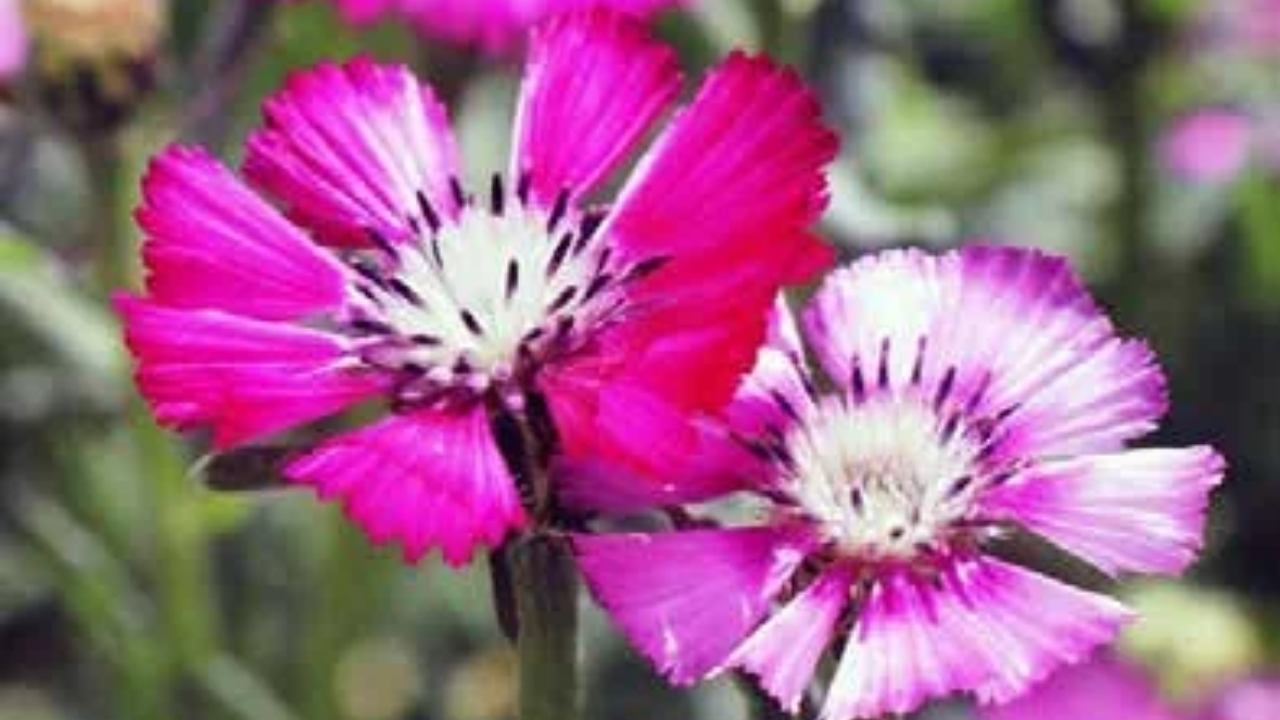
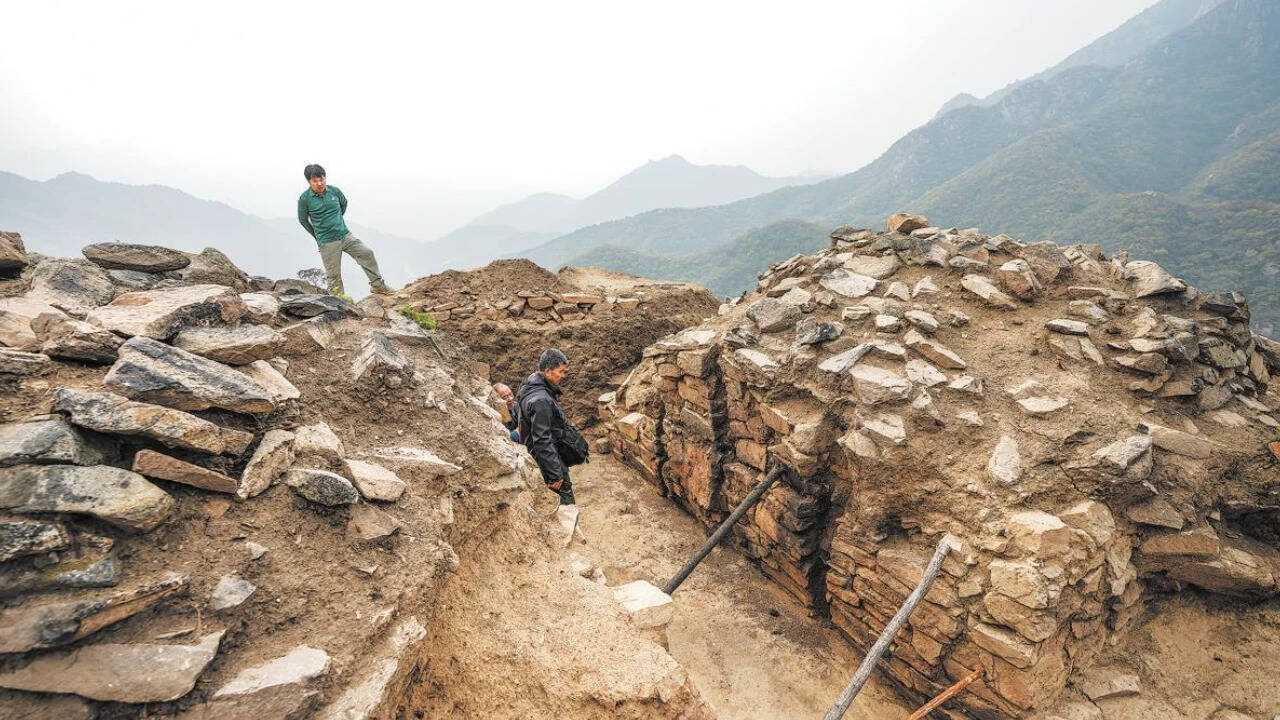
Archaeologists working at Külhöyük, a mound in Ankara’s Gölbaşı district, have discovered the oldest known seed remains of Turkey's rare 'love flower' inside a Hittite jug dating back approximately 4,000 years.
asserted
Archaeologists → work → jug
The discovery, announced by Culture and Tourism Minister Mehmet Nuri Ersoy in September 2026, offers evidence that the distinctive flower has existed in the region since the Bronze Age.
asserted
flower → announce → Age
However, the plant, known to botanists as *Centaurea tchihatcheffii*, is now critically endangered, and its survival may depend partly on how and when farmers cultivate the fields where it grows.
uncertain
it → know → fields
Locally called 'sevgi çiçeği', the flower is found naturally only in the Gölbaşı area around Ankara, making it an endemic species with a highly restricted geographical range.
asserted
it → call → range
Turkish conservation authorities classify it as critically endangered.
asserted
authorities → classify → it
The excavation was directed by Derya Yilmaz Tekin of Ankara University, whose report on the 2024 excavation season provided details about the unusual discovery.
asserted
report → direct → discovery
According to Tekin, the jug is a nearly complete piece of coarse pottery with a rounded body.
uncertain
jug → accord → body
Three small knobs sit on its shoulder, while its handle and rim are broken.
asserted
handle → sit → shoulder
It was discovered in Room 1 of a large building at the centre of the archaeological mound.
asserted
It → discover → mound
The room also contained the base of a storage vessel, weaving weights made from broken pottery, a piece of an obsidian blade and a damaged mud-brick hearth.
asserted
room → contain → blade
Other objects recovered from the same building included fragments of bull-headed cult bowls and unfinished seals.
asserted
objects → recover → bowls
Tekin interpreted these findings as possible evidence of a seal cutter's workshop, with most of the discoveries dating to the beginning of the Old Hittite period.
asserted
most → interpret → period
Archaeobotanists Emel Oybak-Dönmez and Barbaros Yaman examined the ancient plant remains recovered from the site.
asserted
Dönmez → examine → site
Their initial analysis of the 2024 material identified bread wheat, einkorn, barley, lentils and bitter vetch.
asserted
analysis → identify → wheat
Oak seeds and remains of the love flower also appeared in the site's second-millennium BC layers.
asserted
seeds → appear → layers
The specialists identified the flower remains inside the jug as the oldest known seed material of the species.
asserted
specialists → identify → species
Tekin said the botanical evidence suggested that the plant had been present in the region since the Hittite period.
uncertain
plant → say → period
However, researchers have not established why the seeds were placed inside the vessel or whether they were being stored for a particular purpose.
asserted
they → establish → purpose
According to Ankara University, the mound measures approximately 820 feet in length, 490 feet in width and 72 feet in height.
uncertain
mound → accord → height
Settlement at the site began around the third millennium BC under the Hattians, before it developed into a Hittite city during the following millennium.
asserted
it → begin → millennium
The site came to archaeological attention in 1978 after illegal excavators exposed it.
asserted
excavators → come → it
Museum teams subsequently conducted 14 seasons of rescue excavations between 1992 and 2006, uncovering massive stone city walls.
asserted
teams → conduct → walls
Tekin has led the more recent excavation work since 2021, representing Ankara University and Turkey's Culture and Tourism Ministry.
asserted
Tekin → lead → University
Despite having survived in the region for thousands of years, Centaurea tchihatcheffii faces several threats.
asserted
tchihatcheffii → survive → threats
The Turkish government's nature conservation directorate lists urban development, intensive farming, herbicide use and the burning of agricultural stubble among the pressures affecting the species.
asserted
directorate → list → species
A 2008 doctoral study by Yasemin Ergüner Baytok at Middle East Technical University examined the plant's distribution and population trends.
asserted
study → examine → distribution
The researcher mapped 14 scattered subpopulations and monitored two of them between 2004 and 2008.
asserted
researcher → map → 2004
One of the study's findings was particularly significant: herbicides emerged as the most serious human-related threat, causing high plant mortality and reducing seed germination.
asserted
herbicides → emerge → germination
However, the research also found that cultivation practices could have a more complicated relationship with the flower's survival.
uncertain
practices → find → survival
Tillage, or the mechanical turning of agricultural soil, was found to increase plant density in the following year.
asserted
Tillage → find → year
Baytok's modelling suggested that delaying ploughing until after the plants had produced seeds could help populations remain viable.
uncertain
populations → suggest → seeds
The study recommended ploughing protected patches after seed-setting, ideally once every two years.
asserted
study → recommend → setting
Authorities have already undertaken measures to protect the species.
asserted
Authorities → undertake → species
A conservation project around Lake Mogan began in 2016, involving fencing off growing areas, managing agricultural land, collecting seeds and sowing them in suitable locations.
asserted
project → begin → locations
The flower also received geographical indication registration in 2019 through the Gölbaşı Municipality, recognising its association with the region.
asserted
flower → receive → region
Its local name 'yanardöner' refers to its changing appearance under different light conditions.
asserted
name → refer → conditions
The annual plant belongs to the daisy family and produces flowers in red, pink, purple and whitish shades.
asserted
plant → belong → shades
Its flowering season generally runs from late April to early July.
asserted
season → run → July
 The Aporia