AI boom could increase reliance on fossil fuels, strain grids: Observers at COP31
uncertain
boom → increase → COP31
The sustainability community at the ongoing UN climate conference COP31 in Turkey is echoing the calls of some tech leaders to slow down the development of artificial intelligence (AI), as global superpowers remain locked in a race to dominate the emerging field.
asserted
superpowers → echo → field
Tech moguls such as Anthropic’s chief executive Dario Amodei have called for an AI slowdown, saying more oversight is needed to prevent loss of control.
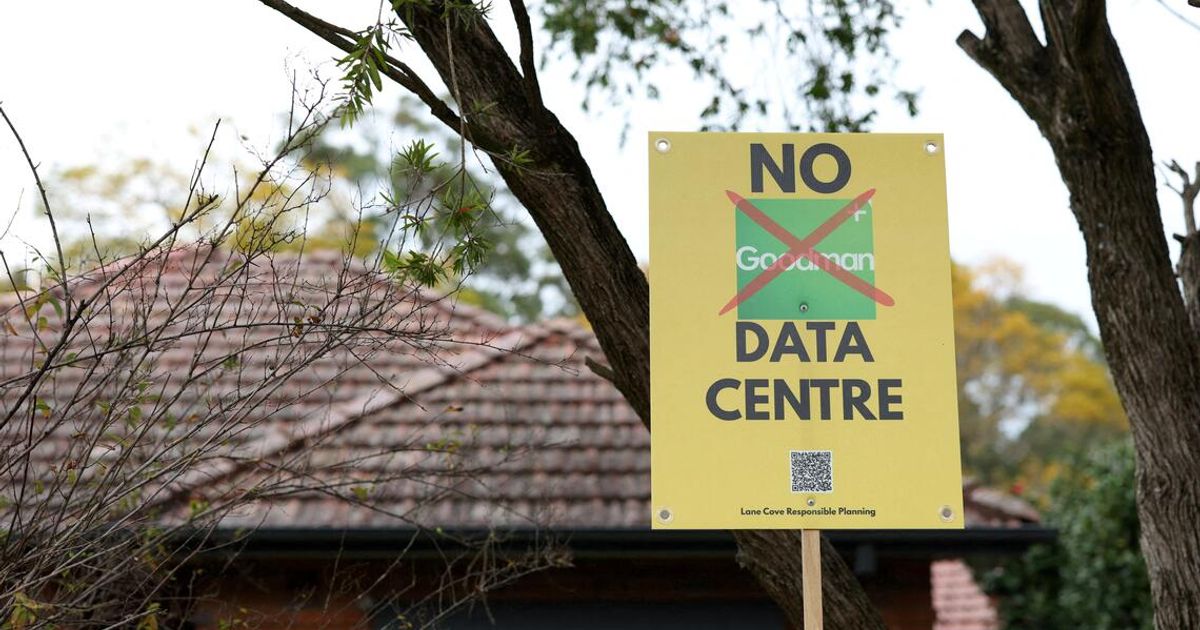
But observers at the climate summit have a different concern, saying that the expansion of data centres to power the AI boom could increase fossil fuel use, strain power grids, and raise electricity prices for people.
uncertain
expansion → call → people
At COP31, a pledge on AI was on Nov 16 launched by host country Turkey for countries and companies to sign.
asserted
countries → launch → Turkey
The pledge urges signatories to seek the technology’s potential in finding climate solutions, as well as assess its growing environmental risks.
asserted
pledge → urge → risks
Turkey said that the pledge had received 80 endorsements, though it did not specify those who had.
asserted
who → say → those
The Straits Times has asked the Ministry of Sustainability and the Environment if Singapore had signed the pledge.
asserted
Singapore → ask → pledge
UN climate chief Simon Stiell said at the launch of the pledge that AI offers both “great potential” and “great peril” for the battle against global warming.
“We cannot ask people to accept higher bills, more planet heating pollution and deeper inequality today in exchange for promises of a better tomorrow.
asserted
We → say → tomorrow
AI benefits must outweigh its growing costs,” Stiell said.
asserted
Stiell → outweigh → costs
He called on companies to step up and align their business plans with climate goals and urged them to power their date centres with renewable energy.
Competing for electricity
Discussions on energy are a key focus at this year’s climate talks.
asserted
Discussions → call → talks
The Turkish presidency of COP31 has set an electrification target for countries to agree on at the conference.
asserted
countries → set → conference
The aim is to increase the share of electricity in global energy demand from 20% currently to 35% by 2035 through electrification.
asserted
aim → increase → electrification
Electrification can help to cut carbon emissions, when processes that rely on fossil fuels are tweaked to electricity generated from low-carbon sources instead.
asserted
that → help → sources
This could be in the form of switching from internal combustion engine vehicles to electric cars to reduce consumption of petroleum.
uncertain
This → switch → petroleum
Alex de Vries-Gao, a researcher at Vrije Universiteit Amsterdam told The Straits Times that the development of AI should be slowed down if its growth cannot be accommodated without increasing the use of fossil fuels or putting further pressure on electricity grids.
asserted
growth → tell → grids
This is especially the case if data centres are built before renewable energy resources come online, said Vries-Gao, who studies the environmental impacts of digital infrastructure.
asserted
who → build → infrastructure
“Building data centres first and promising to address the consequences later is not a sustainable approach,” he said.
asserted
he → build → consequences
As more data centres are built, there will be a higher demand for electricity.
asserted
centres → build → electricity
Grid capacity, which refers to how much electricity a network can reliably deliver to users, will also need to be improved.
asserted
network → refer → users
Vries-Gao said: “Using more electricity is not necessarily a bad thing if it replaces fossil fuels in transport, heating or industry.
asserted
it → say → transport
The same cannot automatically be said for AI.
asserted
same → say → AI
“Data centres also need electricity and grid capacity, meaning their expansion can compete with these other uses.
asserted
expansion → need → uses
We therefore need to ask whether this growth helps the energy transition or gets in its way.”
asserted
growth → need → way
Unchecked AI data centre expansion threatens to derail the global energy transition, said Xueying Wu, Co-Lead of Global Big Tech campaign at Greenpeace.
asserted
Wu → threaten → Greenpeace
She noted that a report by International Energy Agency (IEA) showed that global data centre electricity consumption will more than double by 2030.
asserted
consumption → note → 2030
Philip Newell, Climate Action Against Disinformation coalition’s COP31 Actual Intelligence Unit lead, said that the growth of data centres would not need to slow down if tech companies committed to tap more wind and solar power, backed by batteries, rather than relying on fossil fuels to power them.
asserted
companies → say → them
The coalition is a global one involving over 50 climate and anti-disinformation organisations.
asserted
coalition → involve → organisations
The increase in electricity demand could also hurt consumers’ wallets by driving energy prices up, experts at COP31 told ST.
uncertain
experts → hurt → ST
Consumers are already seeing the strain, said Nidhi Upadhyaya, the deputy director of global policy and finance at the Atlantic Council’s Climate Resilience Center.
asserted
Upadhyaya → see → Center
The Council is a US-based think-tank.
asserted
Council → base → ?
The AI infrastructure construction boom, which led to rising electricity bills, was among the main concerns for voters during the Nov 3 US midterm elections that saw a Democratic victory in Congress.
asserted
that → lead → Congress
With the growing resistance to data centres in the US, South-east Asia will need to assess the implications of investments in these areas, said non-profit research organisation Oil Change International’s senior partnership and outreach officer for its Asia programme Hikmat Soeriatanuwijaya.
asserted
officer → grow → programme
In South-east Asia, the data centre growth is emerging as a new source of electricity demand, according to IEA.
uncertain
growth → emerge → IEA
The data centres in the region currently consume more than 13 terawatt-hour of electricity, with consumption expected to nearly triple by 2035, according to IEA’s Nov 9 report.
uncertain
consumption → consume → report
Vries-Gao noted that even before accounting for the AI push, the region already needs substantial investment in its energy infrastructure to deliver electricity.
asserted
region → note → electricity
While data centres could bring in investments for clean energy to run them, it risks increasing fossil fuel dependence if the demand for clean energy grows faster than supply, he said.
uncertain
he → bring → supply
“Governments need to consider who benefits, who pays for the additional infrastructure, and what happens to local electricity and water supplies.
asserted
what → need → supplies
More investment is not automatically a better outcome,” he said.
asserted
he → say → ?
More guardrails needed
Independent climate innovation agency Climate-KIC’s chief executive Kirsten Dunlop said that the expansion of data centres should slow down to allow developers to build infrastructure that is more sustainable.
asserted
that → need → infrastructure
Upadhyaya from Atlantic Council’s Climate Resilience Center, added that it will be critical to ensure that the cost of building data centres is borne by the companies setting up the data centres, not by consumers.
asserted
cost → add → consumers
…and 2 more, not listed.
 The Aporia