US Democratic victory may have limited impact on climate finance for SE-Asia: Experts at COP31
uncertain
victory → have → COP31
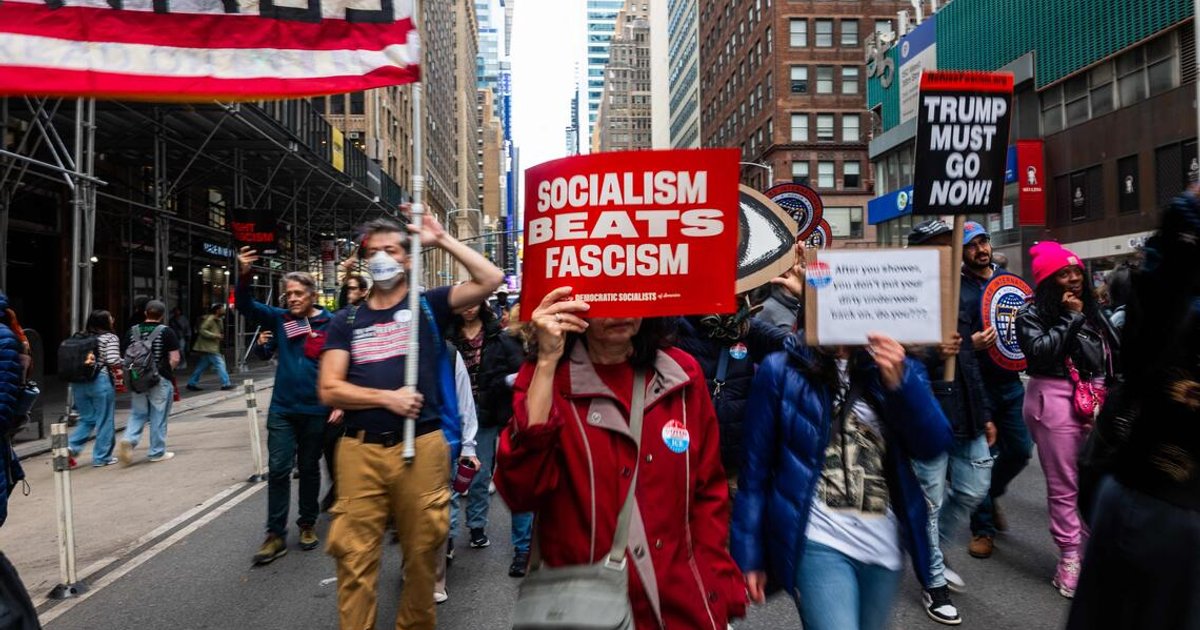
The victory of the Democrats in the Nov 3 US mid-term elections may inject some positivity into the ongoing talks at the UN climate conference COP31, but observers say this is unlikely to immediately translate into more green investments into South-east Asia.
uncertain
this → inject → Asia
The developing region would likely need to continue relying on regional governments, multilateral development banks and private capital to finance its energy transition, experts told The Straits Times.
asserted
experts → develop → Times
Climate finance, or funds that developed countries like the US are obliged to contribute to developing countries, is a key topic of discussions at the climate summit.
asserted
countries → develop → summit
COP31 kicked off on Nov 9 in the Turkish city of Antalya and is expected to conclude on Nov 20.
asserted
COP31 → kick → Nov
Such funds are meant to help poorer nations cut emissions and protect their people from climate impacts.
asserted
nations → mean → impacts
Developing countries are expected to call on richer nations to provide more clarity about when funds will flow, and in what form – such as whether it will be disbursed as grants or loans, which could entrench debt.
uncertain
which → develop → debt
South-east Asia will require US$281 billion (S$361 billion) a year by 2035 to fund its energy transition, according to an October report by energy think-tank Ember.
uncertain
Asia → require → Ember
But the Trump Administration has pulled funds out of overseas climate projects, including those in South-east Asia.
asserted
Administration → pull → Asia
This includes the Just Energy Transition Partnership agreements with Indonesia and Vietnam to help them transition away from coal.
asserted
them → include → coal
The US also pulled the $4 billion it had pledged from the Green Climate Fund, which is the world’s climate fund to support developing countries to reduce emissions and adapt to climate change.
asserted
which → pull → change
Tan-Soo Jie-Sheng, director of the Institute for Environment and Sustainability at the Lee Kuan Yew School of Public Policy noted that the biggest obstacle facing green investments in the region is bankability.
asserted
obstacle → note → region
This refers to the difficulty in attracting commercial financing due to high upfront costs, uncertain revenue streams and regulatory risks.
asserted
This → refer → costs
“Public subsidies, concessional financing and guarantees remain important for getting many green projects off the ground,” he said.
asserted
he → remain → ground
He added that the region would need to rely on other pots of money, including from multilateral development banks and the private sector.
asserted
region → add → banks
But the political environment in the US over the past two years has created considerable uncertainty around climate-related investments and philanthropy, Tan-Soo noted.
asserted
Soo → create → investments
The “blue wave” that swept Congress could encourage investors to prepare for a different regime of climate policies after the 2028 presidential election, Tan-Soo said.
uncertain
Soo → sweep → election
But it is also likely that the policy uncertainty will cause investors to remain cautious about making long-term commitments.
asserted
investors → cause → commitments
Climate infrastructure often requires investments spanning several decades.
asserted
infrastructure → require → decades
Tan-Soo said that for US investments to continue flowing into the region, it is important for other major economies to signal their commitment to decarbonisation.
“As long as the rest of the world continues moving towards decarbonisation, US companies will face strong incentives to follow suit, particularly in their overseas operations,” he said.
asserted
he → say → operations
Regardless of the direction of US climate policies, these companies will have to respond to regulatory requirements, market expectations and supply-chain pressures in the countries where they operate, he said.
asserted
he → have → countries
“In this sense, global decarbonisation efforts can continue to influence US corporate behaviour even without strong leadership from Washington.”
asserted
efforts → continue → Washington
Kelly Sims Gallagher, dean and professor of energy and environmental policy at The Fletcher School at Tufts University, said that with the Democrats in control of Congress, they will be able to appropriate funds for US investments in clean energy technology innovation to better position the US to compete with China.
asserted
they → say → China
However, American investments into the region are still more likely to be driven by policies and incentives in Asia, she added.
asserted
she → drive → Asia
“The stunning defeat of the Republican Party in the US midterms sends an unmistakable message that a majority of Americans do not support President Trump’s actions and policies,” Gallagher said.
asserted
Gallagher → send → actions
The Democratic victory in the US mid-terms is also seen as an indication, in the medium term, of climate leadership from the US, said Jorge Gastelumendi, senior director of the Atlantic Council’s Climate Resilience Center, a US-based think tank.
asserted
Gastelumendi → see → Center
The election results will shape American energy and climate policy in the coming years, climate policy think-tank E3G’s executive director for its Washington office Clarence Edwards said.
asserted
director → shape → office
For instance, he noted that a bipartisan bill to streamline permitting and energy infrastructure development could have equally important near-term implications for energy and climate investors and advocates.
uncertain
bill → note → energy
Since US President Donald Trump returned to the White House in January 2025, he has dismantled several climate agencies and weakened regulations for large emitters in the US.
asserted
he → return → US
The war he waged with Israel against Iran has also caused an energy crisis that hiked up energy prices worldwide - and even states that were once firmly entrenched in the Republican camp swung blue.
asserted
that → wag → camp
The US withdrew from the Paris Agreement – the world’s climate pact – in January.
asserted
US → withdraw → January
There is also no official US delegation at COP31, which has a strong focus on electrification.
asserted
which → be → electrification
But Gastelumendi noted that there is strong corporate participation – be it financial, agricultural, pharmaceutical and energy - at the conference.
asserted
it → note → conference
This signals a robust sense of business and investment opportunities in the climate space, he added.
asserted
he → signal → space
Asked what indicators would reflect a true change in the US’ approach toward tackling climate change, Tan- Soo said he would watch for efforts to rebuild the US Environmental Protection Agency, which was heavily restructured.
asserted
which → ask → Agency

 The Aporia