S’pore steps up carbon market push forward with grants, new initiatives at COP31
ANTALYA, Turkey —
asserted
S’pore → step → COP31
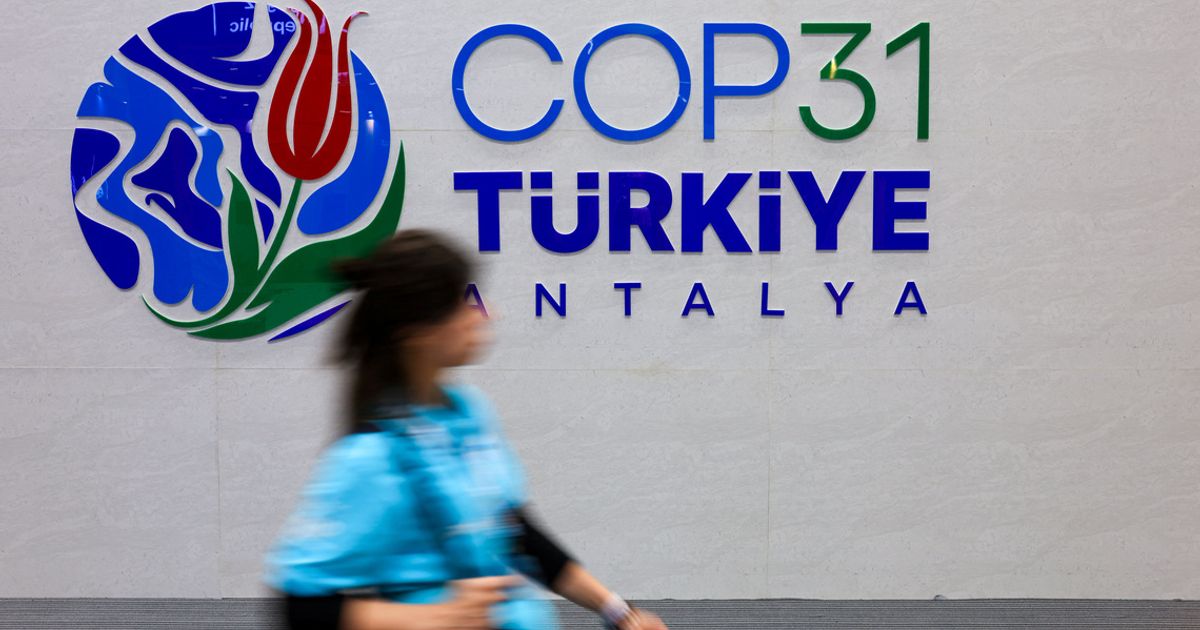
Singapore’s push for carbon markets as a way for it to contribute to global climate action and channel funds into developing countries is gaining momentum, with a slew of initiatives announced at the UN climate conference COP31 in the Turkish city of Antalya.
asserted
it → contribute → Antalya
The announcements, made over several days since the opening of the summit on Nov 9, include the disbursement of grant funding from the Singapore Government to two organisations to help establish carbon projects in South-east Asia.
asserted
announcements → make → Asia
These projects – announced on Nov 12 – include ventures to protect forests and mangroves as sources of carbon credits.
asserted
projects → announce → credits
The set-up of a new Singapore office by a global carbon credit registry, Climate Action Reserve, was also announced on Nov 12.
asserted
set → announce → Nov
The environmental non-profit will help to ensure that carbon credit projects in the region are trustworthy and have a true positive impact on the climate.
asserted
projects → help → climate
Two other initiatives were launched to ensure demand for carbon credits.
asserted
initiatives → launch → credits
On Nov 10, a new platform was launched to allow companies in Singapore to buy credits in a more straightforward manner, without having to build their own sourcing, contracting and settlement capabilities.
asserted
companies → launch → capabilities
The other initiative, which is supported by Enterprise Singapore, aims to aggregate demand among companies for carbon credits.
asserted
which → support → credits
The Action for a Resilient Climate Coalition said on Nov 12 that it aims to buy at least 10 million tonnes of carbon credits by 2030.
asserted
it → say → 2030
It will issue its first call for proposals for one million tonnes of nature-based credits in the first half of 2027.
asserted
It → issue → 2027
One carbon credit represents one tonne of carbon dioxide that is either prevented from being released – by saving a forest from the axe, for example – or removed from the atmosphere, such as from a direct air capture plant.
asserted
that → represent → plant
Large emitters, such as countries or companies, can buy these credits to offset their carbon footprint and meet their climate targets.
asserted
emitters → buy → targets
Singapore has identified the growth of this sector as a driver of its green economy.
asserted
Singapore → identify → economy
But this has been hampered by allegations of fraud, where carbon projects do not actually result in true benefits to the climate.
asserted
projects → hamper → climate
The recent announcements signal a step forward for Singapore to become a regional hub for high-integrity carbon markets, said Rueban Manokara, global lead of the carbon finance and markets taskforce at environmental group WWF.
asserted
Manokara → signal → WWF
High-integrity carbon credits refer to those whose climate benefit can be trusted and verified.
asserted
benefit → refer → those
Manokara added that in South-east Asia, carbon markets have not reached their full potential.
asserted
markets → add → potential
For instance, nature-based solution projects need upfront financing as such projects may not generate revenue until their first credits are issued, typically five to seven years after they begin, he added.
uncertain
he → base → revenue
The new initiatives could help close that gap, and funnel funds into the protection and restoration of nature, while supporting local communities, Manokara said.
uncertain
Manokara → help → communities
Frederick Teo, the chief executive of Temasek-backed investment firm GenZero added that the new initiatives can help develop the infrastructure and capabilities to attract investment and boost the supply of credits.
“While the supply of Singapore-eligible credits will not increase overnight, these efforts… reflect the consistent, long-term approach that Singapore has taken to grow an important capability to address our decarbonisation challenges and to do so in an economically sustainable way,” he said.
asserted
he → back → way
The global trade in carbon credits is provided for under Article 6 of the Paris Agreement, the world’s climate pact that aims to limit global warming to 1.5 deg C above pre-industrial levels.
asserted
that → provide → levels
Carbon markets can promote climate action as it allows countries to cooperate to achieve their climate targets.
asserted
countries → promote → targets
For instance, large emitters can buy carbon credits generated in other jurisdictions to meet their climate targets, instead of relying solely on efforts to cut emissions within their own borders.
asserted
emitters → buy → borders
This is an important avenue for countries like Singapore to meet its climate targets, due to its lack of low-carbon energy alternatives that would enable it to reduce its emissions.
asserted
that → meet → emissions
At COP31, Singapore joined 13 other countries including Switzerland and Zambia in signing the Antalya Statement, which called for the need to grow high-integrity carbon credit markets to attract private investment.
asserted
which → join → investment
A policy playbook was launched alongside the statement with levers to guide governments to drive demand for such credits.
asserted
playbook → launch → credits
For example, policymakers should set clear expectations for the use of carbon credits in corporate climate strategies.
asserted
policymakers → set → strategies
Another lever is to pool buyer demand through centralised platforms to reduce cost and risk.
asserted
lever → pool → cost
One of Singapore’s efforts to grow the carbon market is to increase the pipeline of projects.
asserted
One → grow → projects
On Nov 12, Singapore’s Economic Development Board (EDB) announced that it will be providing grants to two organisations that could help in the development of carbon projects in the region.
uncertain
that → announce → region
Swiss firm myclimate will from 2027 establish a presence in Singapore, and develop a dedicated local team of five specialists with the skills to develop carbon projects, in areas such as carbon accounting.
asserted
myclimate → establish → accounting
Non-profit Conservation International will use the funds to develop nature-based carbon projects in South-east Asia.
asserted
International → use → Asia
The grant, which EDB declined to reveal due to commercial sensitivities, will support the early development of projects that protect and restore carbon-rich ecosystems such as forests and mangroves in Asia-Pacific.
asserted
that → decline → Pacific
These projects could be in the form of conserving and restoring forests in Philippines, Bhutan and Cambodia, although CI’s director for regulated natural climate solutions market Anirudh Krishnan said the projects have yet to be identified.
uncertain
projects → conserve → market
The projects will also focus ecosystems that are critical not only for carbon storage but also on biodiversity, climate resilience and the livelihoods of local communities.
asserted
that → focus → communities
Krishnan added that the plan is to identify five projects and assess and develop them over five years.
asserted
plan → add → years
The grant will support early stage work such as feasibility assessments, project design and stakeholder consultations.
asserted
grant → support → assessments
Such work range from identifying potential projects to crafting financial analysis and engaging with stakeholders, he said.
asserted
he → range → stakeholders
GenZero’s Teo said that such grants can help lower project risks and help more projects become ready for commercial investment.
asserted
projects → say → investment
…and 17 more, not listed.

 The Aporia