Photo via NBC News

A Kremlin trap? Europe sees danger in Vladimir Putin’s new demand in U.S. talks

Read the original at NBC News ↗
Cite

Smith, A. (2026, November 17). A Kremlin trap? Europe sees danger in Vladimir Putin’s new demand in U.S. talks. NBC News. https://www.nbcnews.com/world/europe/europe-danger-vladimir-putin-ukraine-war-nato-security-architecture-rcna609558

Dated from the outlet's own feed. Check the original for its byline.

NBC News · collected 2026-11-17 · by Alexander Smith

Quick Summary

European nations are concerned that the United States might be considering including discussions about the broader future of European security in peace talks with Russia, a move that could align with President Vladimir Putin's long-standing demands. Putin wants to roll back NATO's presence and address what he views as historical injustices towards Russia. However, European officials view this as a risky proposition, potentially aligning with Putin's aggressive war goals and undermining NATO's role in defense. Former Estonian President Toomas Hendrik Ilves and European Union foreign policy chief Kaja Kallas warn that the U.S. could be falling into a Russian trap by agreeing to such extensive negotiations.
Written by AI on 2026-11-17, from this article's own text only (the story summary below draws on all the coverage).

AI analysis

Story summary

As of November 17, 2026, the United States is considering including European security in the next rounds of diplomacy with Russia, a move that has alarmed European officials. President Vladimir Putin of Russia is demanding a reevaluation of European security, which includes scaling back NATO’s presence and addressing what Russia sees as post-Soviet injustices. Ukrainian President Volodymyr Zelenskyy described Putin's demand as "dangerous," stating that European security should not be the main agenda. Europe fears that a deal favorable to Putin could marginalize their interests, especially given Russia's ongoing military failures in Ukraine. Putin is set to meet with U.S. President Donald Trump and Chinese leader Xi Jinping in Shenzhen, China, on Wednesday, raising concerns about the implications for European security.

Written for “Kremlin Trap In U S Talks” on 2026-11-18, grounded in this article and the 0 other(s) covering the same event.

Compared with similar articles

This article reads leans right and hedges 13% of its claims. Each row says how that neighbour differs.
Deutsche Welle
Hedges 4 of 46 claims Outlet record 95/100
“The articles discuss related geopolitical developments but describe different specific events and outcomes.”
The Straits Times
Hedges 1 of 19 claims Outlet record 64/100
“The articles describe different stages and viewpoints regarding Europe's involvement in Ukraine peace talks, not the same specific incident.”
The Bulwark
Leans strongly left further left than this Hedges 0 of 4 claims
“The articles discuss related geopolitical issues but describe different specific events and contexts, with Article A focusing on Starlink restrictions and diplomacy involving Ukraine, while Article B focuses on European involvement in peace talks with Russia.”
The Independent
Hedges 1 of 35 claims Outlet record 59/100
“The articles discuss different aspects of the ongoing situation regarding Ukraine peace talks, with Article A focusing on EU accusations against Russia, while Article B focuses on Europe's concern about potential negotiations between the U.S., Russia, and China.”
Al Jazeera
Hedges 4 of 31 claims Outlet record 60/100
“The articles discuss different aspects of the ongoing peace talks, with Article A focusing on the talks themselves and their outcomes, while Article B focuses on the implications and concerns of European involvement in the peace process.”
Toronto Star
Hedges 6 of 51 claims Outlet record 64/100
“The articles discuss related topics of European nations seeking involvement in Ukraine peace talks, but describe different time points and specific concerns.”
Evening Standard
Hedges 0 of 16 claims Outlet record 64/100
“The articles discuss different stages and contexts of European involvement in Ukraine peace talks, with Article A focusing on EU leaders meeting in Dublin, and Article B discussing a broader context of European concerns and a meeting in Shenzhen involving Putin, Trump, and Xi.”
CBS News
Hedges 0 of 2 claims Outlet record 67/100
“The articles discuss related diplomatic activities but describe different meetings and timeframes, with Article A focusing on meetings between U.S. envoys and Ukrainian and Russian presidents, while Article B discusses Europe's concerns about involvement in peace talks and a meeting between Trump, Xi, and Putin.”
The Hindu
Hedges 0 of 18 claims Outlet record 78/100
“The articles discuss related events and concerns about European involvement in Ukraine peace talks but do not describe the same specific incident occurring at the same time and place.”
Al Jazeera
Hedges 0 of 3 claims Outlet record 60/100
“The articles discuss different aspects of the diplomatic strategies and negotiations regarding the Russia-Ukraine war, rather than a single specific incident.”

Story

Kremlin Trap In U S Talks
Politics · 1 article(s) covering the same event.
How this article was measured signals, leaning charts, publisher record, byline, topics and claims

Signals How these are calculated →

Claims extracted
46
sentences that state something as happening or true
Uncertain
13%
6 of 46 hedged ("reportedly", "may", "according to")
Leaning
Leans right
of the writing, not the subject · beta estimate
Publisher signals
78/100
NBC News's corrections and hedging, across everything collected from it. Not a measure of accuracy.
Outlets on this story
1
Politics
Same framing elsewhere
1
articles that frame the event the way this one does
Analyzed 2026-11-17 · how these are computed

How this is being covered How these are calculated →

Article leaning vs. publisher reliability
Source leaning vs. consistency

Publisher

NBC News · 2635 article(s) · 4 correction(s) detected
Running correction rate · 4 correction(s)

Who wrote this

Alexander Smith
7 article(s) here · 1 carrying a prediction
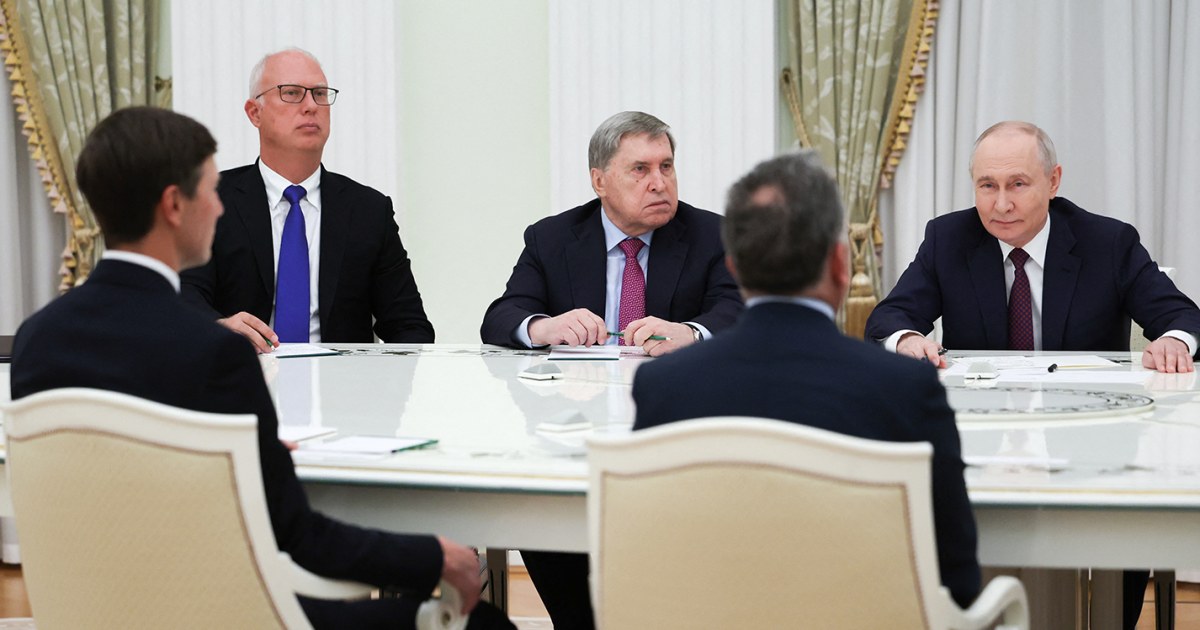
They dread a deal favorable to President Vladimir Putin — who will meet President Donald Trump and Chinese leader Xi Jinping at a historic three-way meeting in Shenzhen, China, on Wednesday.
Authorities have not indicated who could have been behind the incidents and there were no claims of responsibility.
“Bibi Netanyahu and I have made a deal that we give Israel $4 billion a year, and we made a deal months ago that we’re stopping,” he said in a phone interview with “Fox and Friends,” saying the money would get “cut off at the end of the year.”
However, any sense that the ceasefire might yield wider progress in the war was tempered by Russian missile strikes on other cities ahead of what is predicted to be a bitter winter for Ukraine.
She also outlined an “alliance for the future” that would increase cooperation on defense, energy, critical minerals, artificial intelligence and other tech.
2026-09-17 · assertive framing · How Canada and the E.U. are teaming up to counter Trump
Ukraine’s battlefield “kill zones,” where leaving your bunker can mean death by Russian drone within minutes, look set to grow swiftly as the war drives breathtaking technological advancements, former Google CEO Eric Schmidt has warned.
Also by Alexander Smith
Nothing else under this byline is closely related to this article, so these are simply their most recent.
All 7 articles by Alexander Smith →

Topics

European Moscow Russia Ukraine Washington

Subjects

European NORP · 8× Russia GPE · 8× Kushner PERSON · 5× Putin PERSON · 4× Ukraine GPE · 4× Washington GPE · 4× Moscow GPE · 3× Trump PERSON · 3× NATO ORG · 2× U.S. GPE · 2×

Narrative

Ukrainian President Volodymyr Zelenskyy described the idea as “dangerous,” saying that European security “should not be the main agenda.” Ukraine’s view is that Russia is in no place to make such demands, given that it’s spent more than four years failing to win the war.
framing: assertive · carried by 1 article(s) · first seen 2026-11-17
They dread a deal favorable to President Vladimir Putin — who will meet President Donald Trump and Chinese leader Xi Jinping at a historic three-way meeting in Shenzhen, China, on Wednesday.

Claims (46 extracted, 6 hedged)

When European nations said they wanted greater involvement in Ukraine peace talks, this was almost certainly not what they had in mind. asserted
they → say → mind
Europe has long demanded more say in negotiations to end Russia’s war, fearful of being frozen out by Washington and Moscow. asserted
Europe → demand → Washington
They dread a deal favorable to President Vladimir Putin — who will meet President Donald Trump and Chinese leader Xi Jinping at a historic three-way meeting in Shenzhen, China, on Wednesday. asserted
who → dread → Wednesday
The good news for them is that the United States says it is now pushing to include Europe in the next rounds of diplomacy. asserted
it → say → diplomacy
The bad news, say governments, officials and foreign policy analysts, is the alarming new suggestion from Trump’s team: that the entire future of European security should be up for discussion too — the same demand that Putin has pushed for years. asserted
Putin → say → years
To the Russian leader, redrawing Europe’s security map means scaling back NATO’s presence, righting what he perceives as the injustices imposed on Moscow after the Soviet Union’s collapse. asserted
he → redrawe → collapse
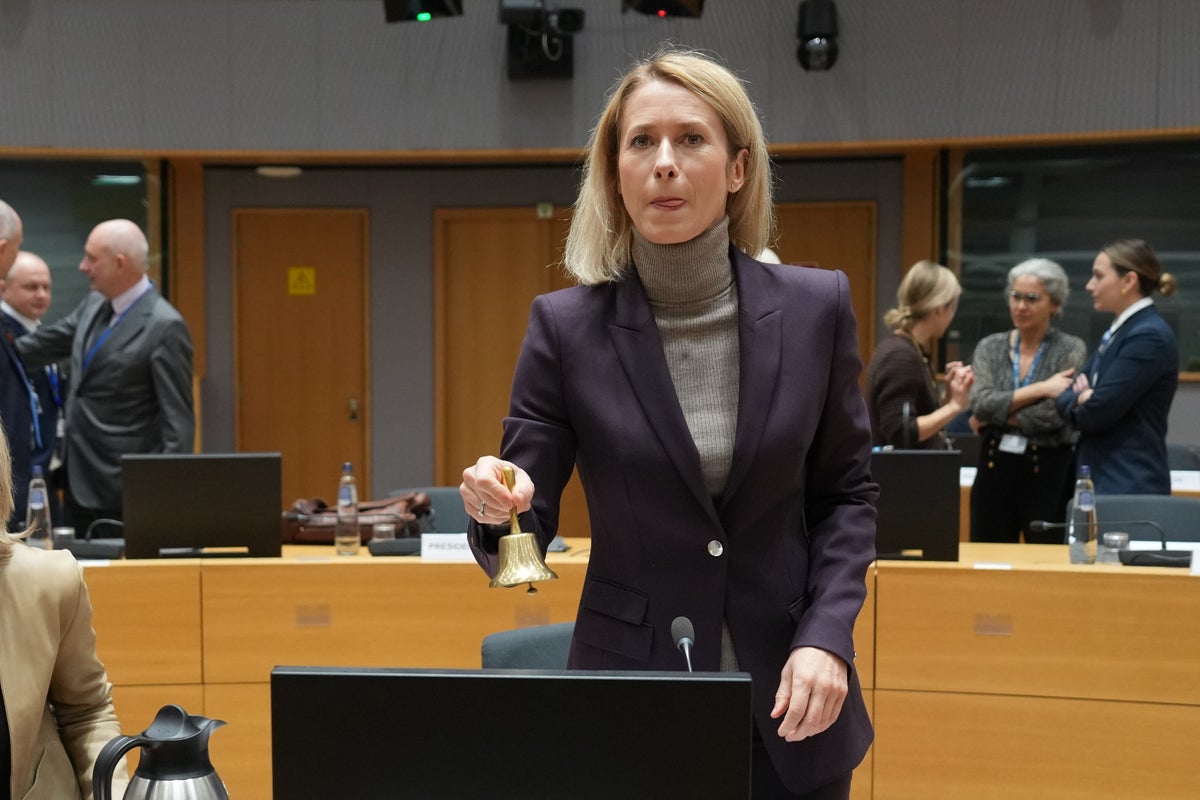
A succession of senior European officials have lambasted the idea, warning that Washington risks “walking into Moscow’s trap,” as Kaja Kallas, the European Union’s foreign policy chief, put it. asserted
Kallas → lambast → it
“This is all rather bizarre,” former Estonian President Toomas Hendrik Ilves said, summing up this sentiment in an interview with NBC News on Monday. asserted
Ilves → say → Monday
It’s not clear how or why the U.S. came to float a maximalist demand that Putin first made in 2021, one that was widely rejected by Western governments months before Russia launched its full-scale invasion of Ukraine. asserted
Russia → ’ → Ukraine
But in recent days, as Washington ups its pressure for a breakthrough in peace talks, Russia and the U.S. have both revived the idea. asserted
Russia → up → idea
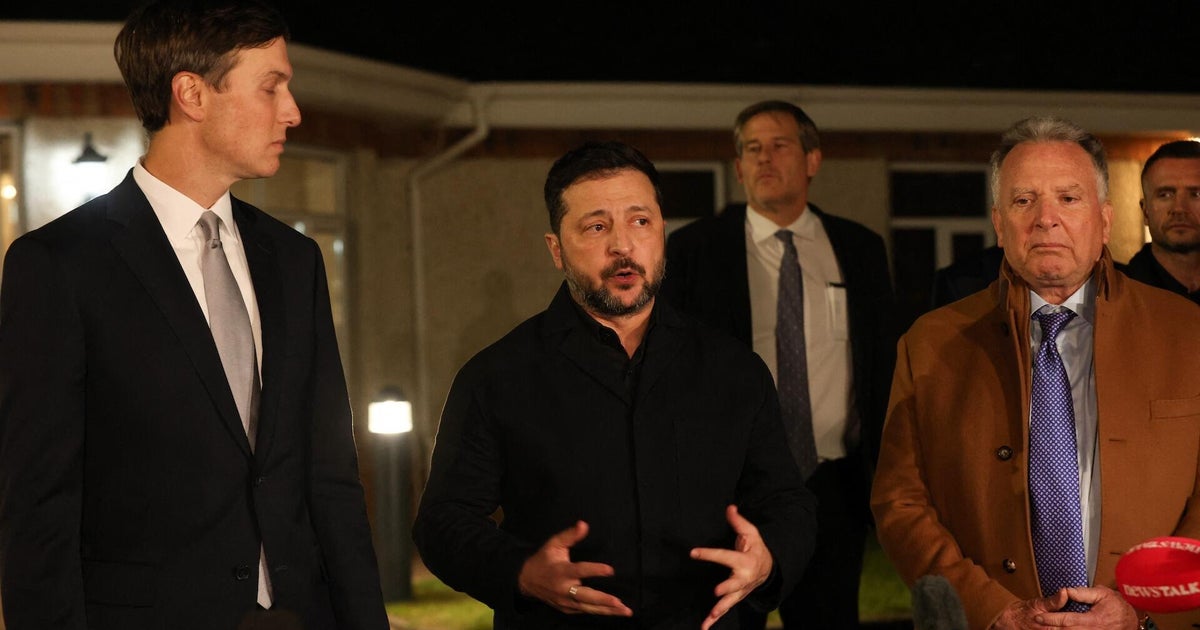
Jared Kushner, the president’s son-in-law and envoy, wrote Friday that talks should tackle the “broader postwar European security arrangements.” asserted
talks → write → arrangements
Earlier this month, he lamented “decades of mistrust” and “competing security concerns” between Russia and Europe, vowing to address these by building an “enduring framework for long-term European security and stability.” asserted
he → lament → security
Kushner has also stressed that NATO would remain central to European defense and that no country should have a veto over another’s alliances. asserted
country → stress → alliances
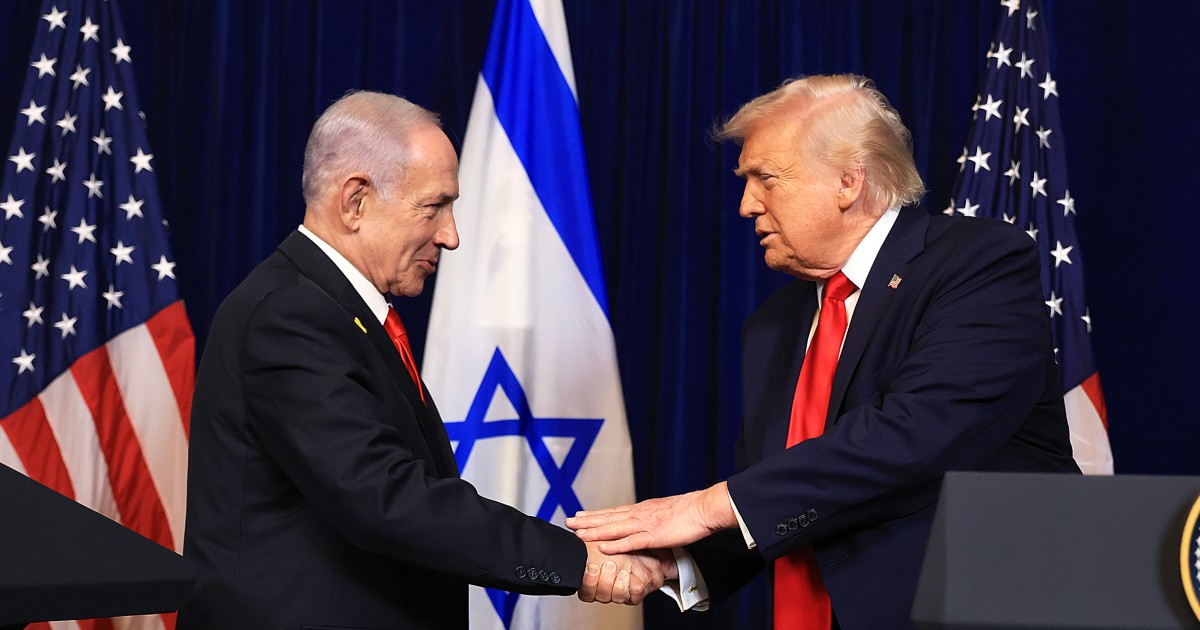
Trump himself has also hinted that he seeks a final deal encompassing the entire continent. asserted
he → hint → continent
“It’s going to be a big agreement and it’s going to involve more than Ukraine,” he told reporters in the Oval Office earlier this month. asserted
he → go → Office
“I could even say it might involve all of Europe. uncertain
it → say → Europe
It’s going to be a big, beautiful agreement, and everyone’s going to be thrilled. asserted
everyone → go → ?
Instead, the idea has been met with unease and dismay, viewed by many in Europe as echoing Putin’s hard-line war goals. asserted
idea → meet → goals
Whereas Kushner described Europe and Russia as neighbors unable to resolve their differences, the historical record shows the aggression has chiefly been directed one way. asserted
aggression → describe → differences
Russia seized Ukraine’s Crimean Peninsula in 2014, then launching a full-scale invasion in 2022, while waging sabotage, cyberattacks and disinformation against the West. asserted
Russia → seize → West
Kushner’s suggestion also touches on a central European fear: that Washington will pursue a deal at almost any cost, even if that emboldens Putin to expand his aggression. asserted
that → touch → aggression
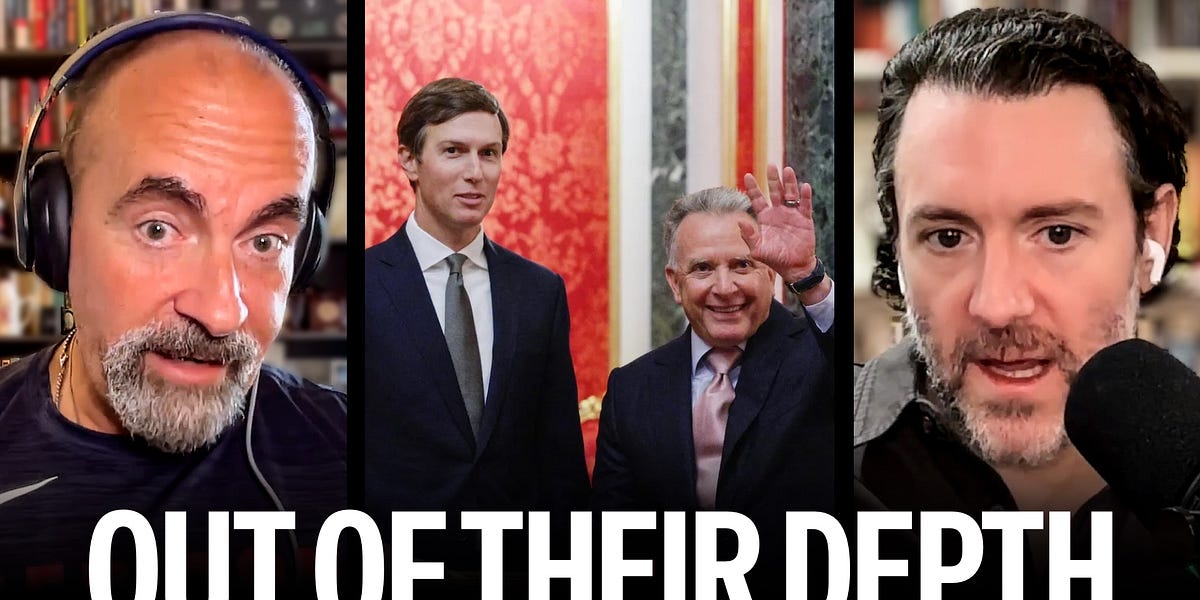
“Why are two real estate agents pushing this idea?” Ilves said referring to Kushner and Steve Witkoff, another Trump envoy, both of whom made their fortunes in real estate before entering diplomacy. asserted
both → push → diplomacy
“These people aren’t even diplomats,” said Ilves, who led his former Soviet republic from 2006 to 2016. asserted
who → say → 2016
“I’m not sure they have much of an idea of the long history of the development of security architecture in Europe relating to Russia.” asserted
they → ’m → Russia
The White House did not immediately respond to a request for comment on the criticism. asserted
House → respond → criticism
European officials are similarly unnerved by Kushner’s remarks. asserted
officials → unnerve → remarks
Kallas, the E.U. foreign policy chief, described Russia’s maximalist war demands as “really absurd,” while German Foreign Minister Johann Wadephul pointed out that “Europe has a security architecture — we don’t need a new one.” asserted
we → describe → one
Elsewhere, Lithuanian Foreign Minister Kęstutis Budrys said the rules were not the issue: “The problem is that Russia is breaking them.” asserted
Russia → say → them
And even Canadian Prime Minister Mark Carney was adamant that the “security architecture for free Europe will be determined by free Europe and NATO, not by Russia.” asserted
architecture → determine → Russia
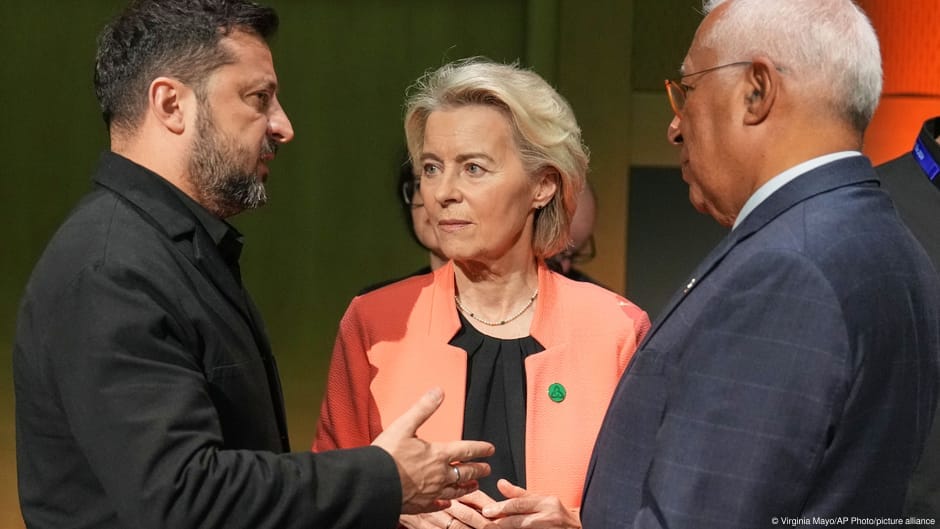
Ukrainian President Volodymyr Zelenskyy described the idea as “dangerous,” saying that European security “should not be the main agenda.” Ukraine’s view is that Russia is in no place to make such demands, given that it’s spent more than four years failing to win the war. asserted
it → describe → war
“At this stage, the most Putin can negotiate is a fair ceasefire along the current line of contact,” Ukrainian Foreign Minister Andriy Sybiha said. asserted
Sybiha → negotiate → contact
And “frankly, Europe does not need a new security order; it already exists, and Russia is constantly violating it.” asserted
Russia → need → it
Kyiv and its European backers also argue that a ceasefire must come before any peace talks, accusing Russia of stalling so it can keep bombing civilian infrastructure ahead of the frigid winter. asserted
it → argue → winter
If Europe accepts Russia’s demands about wider continental security before there is a ceasefire, Moscow “will try to create the impression that it’s our fault that the war continues, because we don’t want to accept all their demands,” according to Sven Biscop, a director at the Egmont Institute, a Belgian think tank. uncertain
we → accept → Institute
He said he believed dialogue with Russia is a good thing, a view echoed by influential Finnish President Alexander Stubb, who in an interview with the Financial Times published Tuesday said that it had been “irresponsible” to outsource talks with Putin to the U.S., which he said could be leaning toward carving up Europe into spheres of influence. uncertain
he → say → influence
Amid all of this, any substantial progress toward ending the war remains elusive. asserted
progress → end → war
The latest round of talks between the U.S., Russia and Ukraine in Abu Dhabi, United Arab Emirates, last week produced no major breakthrough. asserted
round → produce → breakthrough
Kushner said Washington was working toward what could be the largest prisoner swap of the war, while reporting that Russia had agreed to give Europe a seat at the table during the next round. uncertain
Russia → say → round
Russia hasn’t quite confirmed that, instead saying that it needs “to understand from the Europeans themselves” what they can “contribute to the peace process” before allowing them to join, as Putin’s spokesman Dmitry Peskov told reporters Monday. asserted
spokesman → confirm → reporters
There has been some internal wrangling among the European nations about who might represent them. uncertain
who → represent → them
…and 6 more, not listed.

Give feedback · no sign-in needed

No sign-in needed for now. Your note is sent without a name, so it cannot be answered.

History Support