The Aporia
White, E. (2026, September 19). Young Nepalis battle climate dread in wake of flood disaster. South China Morning Post. https://www.scmp.com/week-asia/health-environment/article/3368052/young-nepalis-battle-climate-dread-wake-flood-disaster?utm_source=rss_feed
White, Emma. “Young Nepalis battle climate dread in wake of flood disaster.” South China Morning Post, 19 Sept. 2026, https://www.scmp.com/week-asia/health-environment/article/3368052/young-nepalis-battle-climate-dread-wake-flood-disaster?utm_source=rss_feed.
White, Emma. “Young Nepalis battle climate dread in wake of flood disaster.” South China Morning Post, September 19, 2026. https://www.scmp.com/week-asia/health-environment/article/3368052/young-nepalis-battle-climate-dread-wake-flood-disaster?utm_source=rss_feed.
Dated when The Aporia collected the article, usually within hours of publication. Check the original for its exact date and byline.
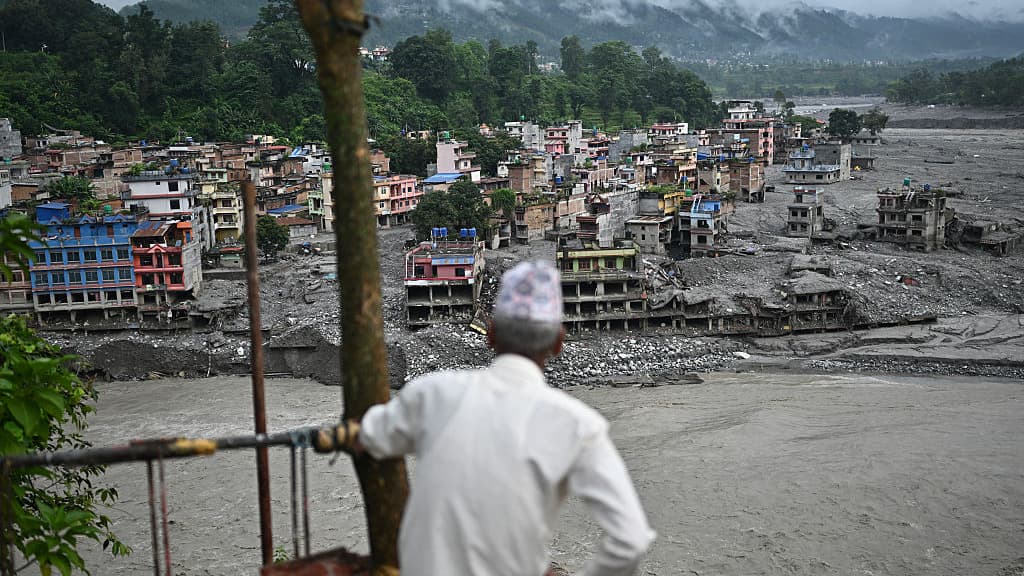
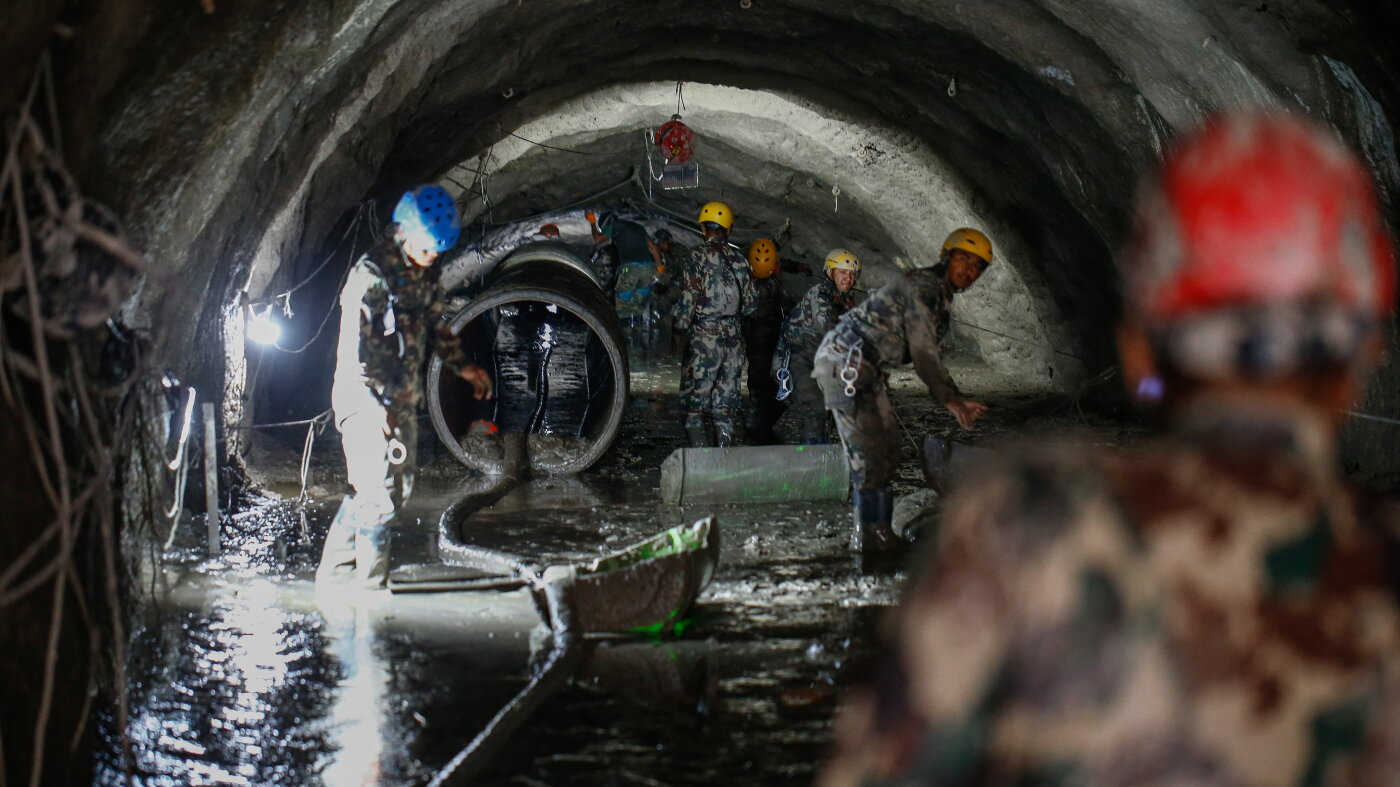
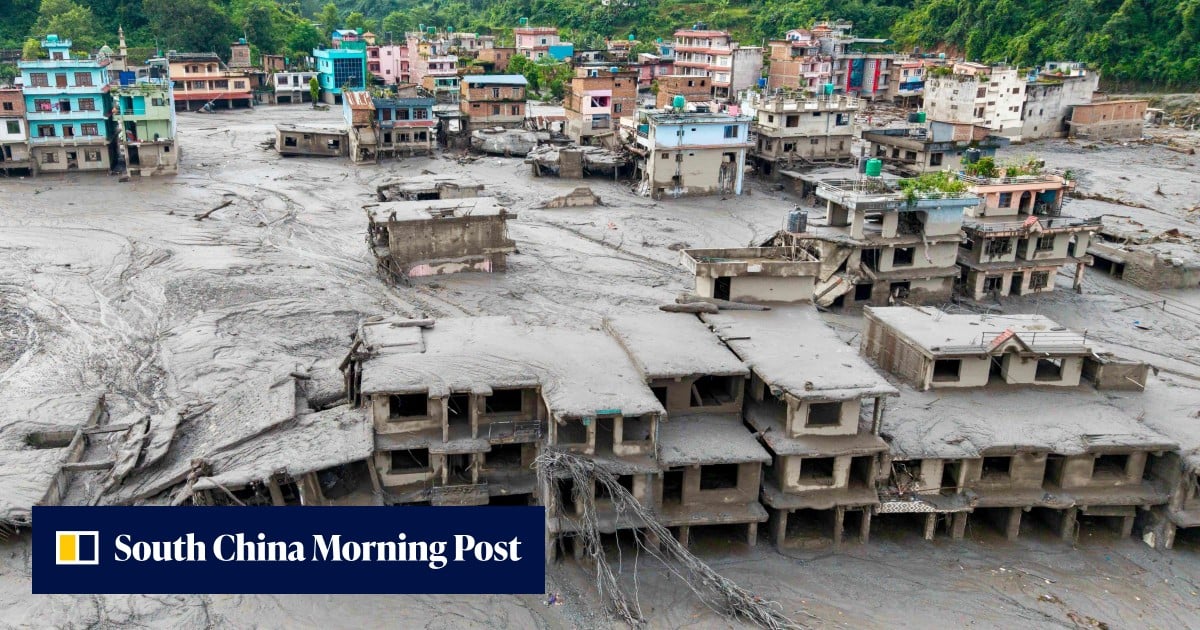
In late August 2026, flash floods caused by a glacial collapse near the Nepal-Tibet border devastated central and northern Nepal, leading to over 1,450 deaths as of September 20. The floodwaters swept away homes, vehicles, roads, bridges, and hydropower projects in multiple districts including Chitwan, Rasuwa, and Nawalparasi. With more than 6,000 people still missing, recovery efforts are hampered by severe damage to infrastructure and the decomposed state of many recovered bodies, complicating identification processes.
Prime Minister Balendra Shah has declared an early warning system for natural disasters as a top priority in Nepal, acknowledging that such systems could have saved lives. Meanwhile, international experts suggest climate change likely contributed to the instability of glaciers and permafrost, triggering the devastating avalanche that caused the floods. The disaster highlights the urgent need for global action on climate issues, with scientists noting that without faster transitions towards zero fossil fuel emissions, similar catastrophic events will become more frequent in the future.