The Aporia

Jr., R. P. (2026, September 20). How to Fake Climate Science and Fool the World. The Free Press. https://www.thefp.com/p/how-to-fake-climate-science-and-fool
Jr., Roger Pielke. “How to Fake Climate Science and Fool the World.” The Free Press, 20 Sept. 2026, https://www.thefp.com/p/how-to-fake-climate-science-and-fool.
Jr., Roger Pielke. “How to Fake Climate Science and Fool the World.” The Free Press, September 20, 2026. https://www.thefp.com/p/how-to-fake-climate-science-and-fool.
Dated when The Aporia collected the article, usually within hours of publication. Check the original for its exact date and byline.
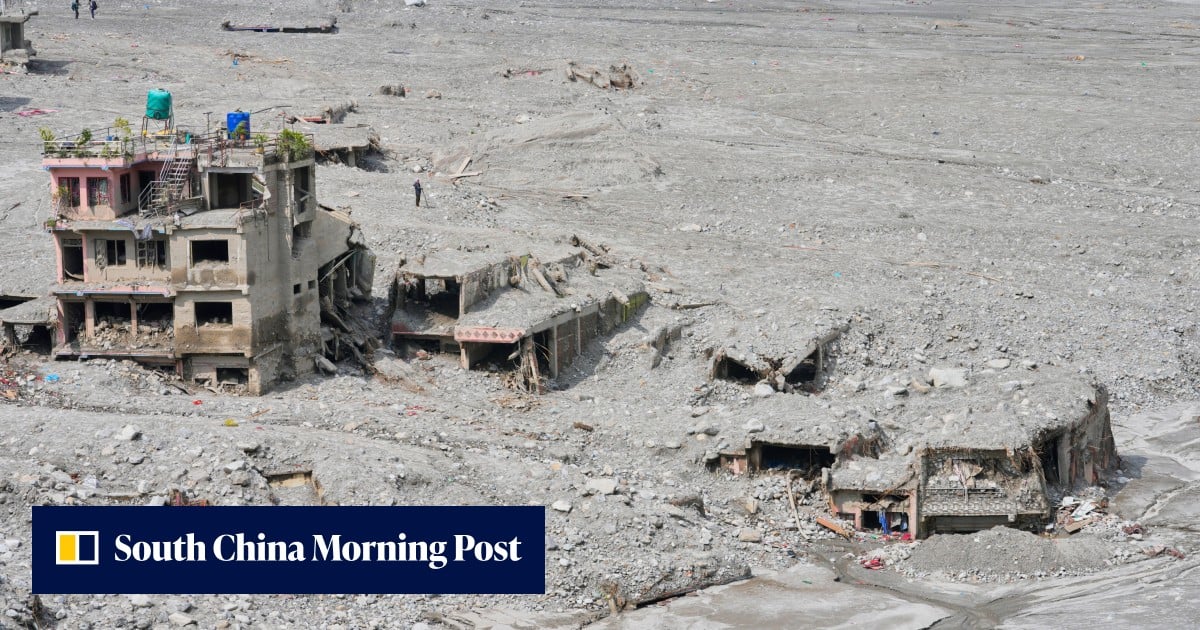
Nepal's Prime Minister Balendra Shah proposed establishing a Himalayan Climate Resilience Mechanism at the UN General Assembly on September 24, 2026. The mechanism would be led by Nepal, India, and China to address climate-induced disasters like the devastating flash floods that hit northern Nepal near the Chinese border in August 2026, claiming over 1,453 lives. Shah emphasized the urgent need for international cooperation, including sharing satellite data and expertise, monitoring glacial lakes, and strengthening early warning systems. The proposal aims to prevent fragmented information from exacerbating future disasters. Recovery efforts post-floods are challenging, with thousands displaced and facing housing shortages that lack basic amenities like privacy and safety. Additionally, the disaster highlighted vulnerabilities in Nepal's hydropower sector, which accounts for over 90% of its electricity generation but faced significant damage, prompting calls to rethink future dam-building projects amid intensifying climate risks. Shah’s initiative underscores the need for global collaboration to mitigate climate-induced disasters in the Himalayan region.