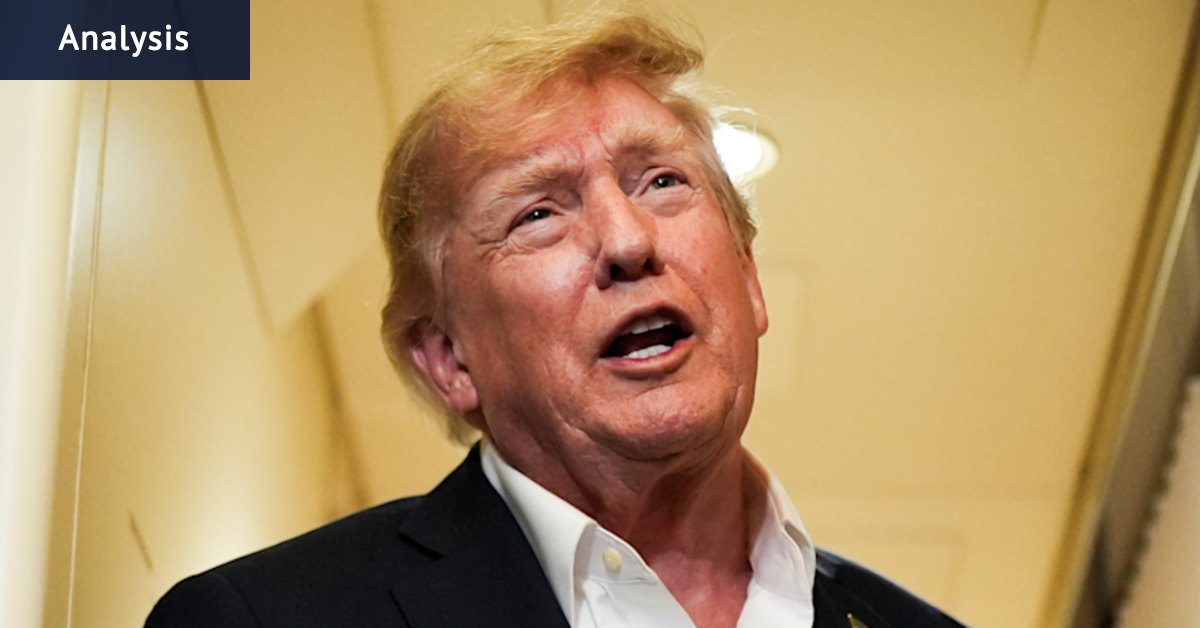
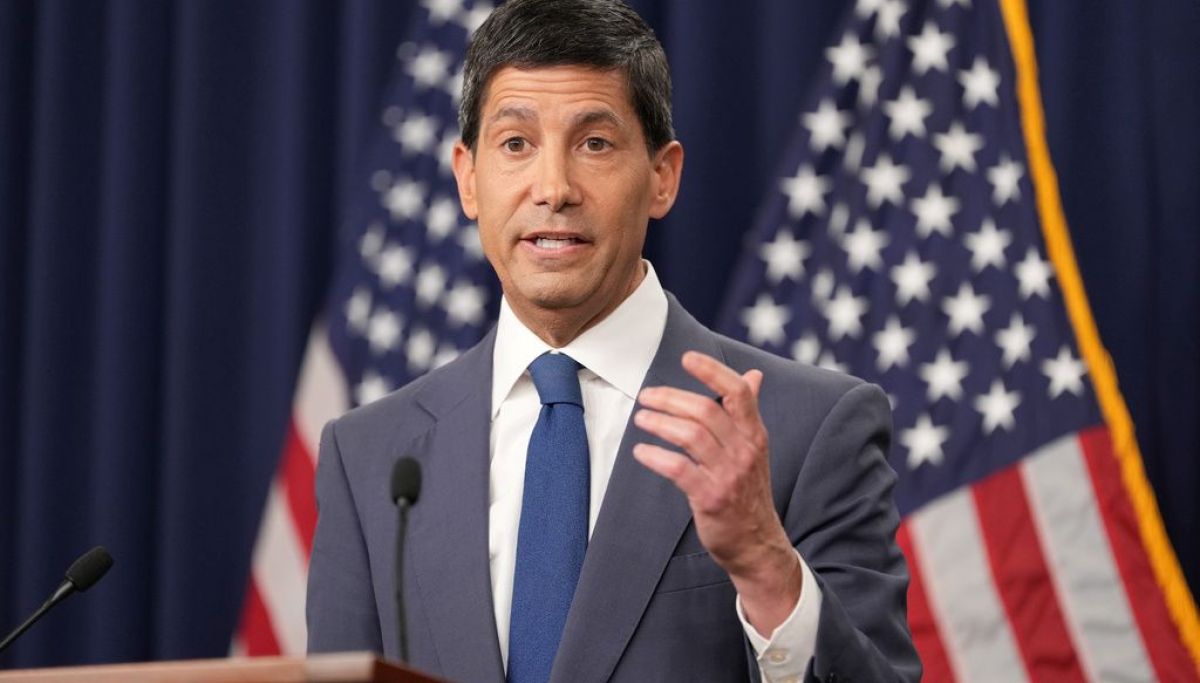
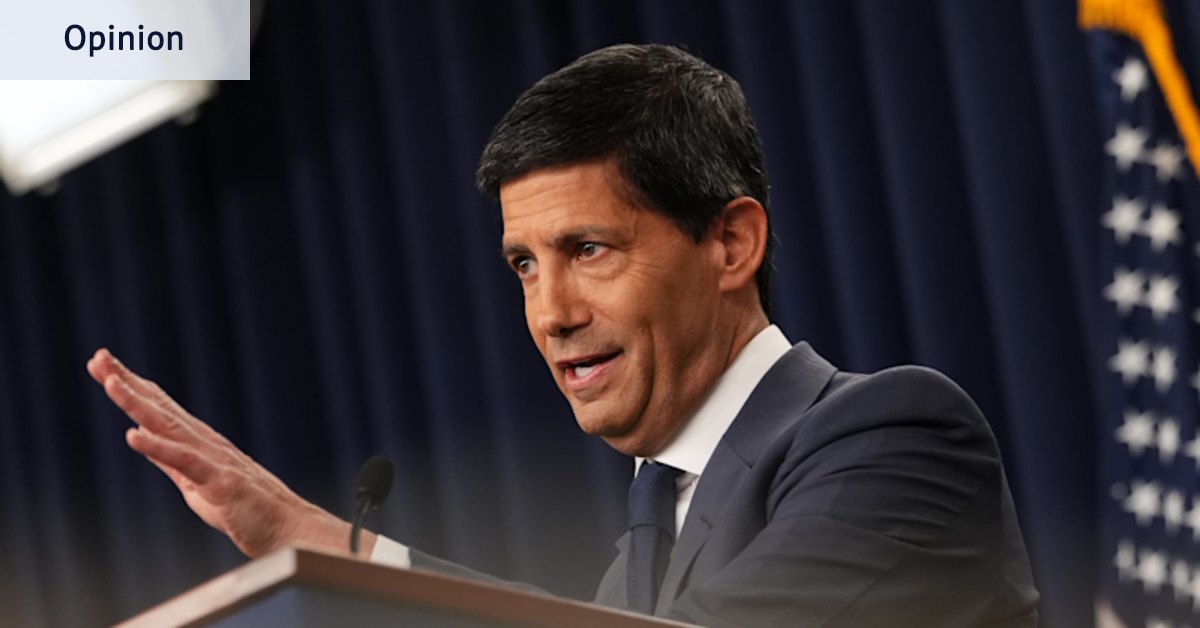
When Kevin Warsh explained why the US Federal Reserve Board had lifted its policy rate for the first time in three years last week, he studiously avoided any direct references to the war in the Middle East.
asserted
he → explain → East
Three things had changed, he said, since the Fed’s July meeting, when the Fed left the federal funds rate (the equivalent of the Reserve Bank’s cash rate) unchanged: the US economy had strengthened, inflation hadn’t slowed and the “geopolitical landscape” was one of “shocks and uncertainty.”
asserted
landscape → change → shocks
With the US 10-year bond yield, the world’s risk-free benchmark for assets, trading around 5 per cent, Warsh said economic strength, a surge in artificial intelligence-related expenditures and “hot spots” around the world – particularly the differences between the spot prices of energy and the “so-called crack spreads” – were driving long-term yields.
asserted
strength → trade → yields
While Warsh might add growth and AI investment to the influences on US inflation, that begs the question of why other developed economies with less growth and less AI investment – from Australia and Japan to the European Union – are also wrestling with persistently high inflation and their central banks are also raising their policy rates.
uncertain
banks → add → rates
The answer lies within the Middle East.
asserted
answer → lie → East
The war in the Middle East has driven up oil prices from around $US70 a barrel to over $US100 a barrel (it traded at almost $US110 a barrel on Friday) and, more particularly, has had a more dramatic impact on gasoline and diesel prices.
asserted
it → drive → prices
The same holds true around the world, with the price of diesel at record levels in Europe and Asia and likely to surge further during the northern hemisphere winter.
asserted
price → hold → winter
Crude oil supply out of the Middle East is still well below pre-war levels despite some oil now being shipped out of the Strait of Hormuz, a big lift in production outside the region and the world’s strategic oil reserves still being deployed.
asserted
reserves → ship → region
Not only have crude supplies been diminished, but the refining infrastructure in the Middle East has been targeted and significantly damaged by Iran.
asserted
infrastructure → diminish → Iran
Ukraine’s campaign of drone attacks on Russia’s refineries, which have turned the world’s third-largest exporter of diesel into an importer, have compounded the damage.
asserted
which → turn → damage
While Donald Trump has blamed Ukraine for the soaring prices of gasoline and diesel (and told Ukraine to stop targeting Russia’s refineries) Russia produces less than half the volumes of diesel of the Middle Eastern exporters.
asserted
Russia → blame → exporters
The world is producing about 4.2 million barrels of diesel a day less than it did a year ago, with the refineries in the Middle East operating at about a quarter of their pre-war levels and Russia’s production cut by about a third, according to the International Energy Agency.
uncertain
production → produce → Agency
With the war on Iran now into its seventh month, with no end in sight and Iran and the Houthis now increasingly targeting strategic oil infrastructure in the region – including the Saudi Arabian refineries and its pipeline to the Red Sea that had allowed up to 5 million barrels a day to by-pass the Strait of Hormuz – there’s little likelihood of the prices of either crude oil or, more critically, the prices of the refined products that businesses and households actually consume, subsiding.
asserted
businesses → target → that
In fact, with the largest-ever release of the 400 million barrels of oil from strategic reserves now slowing – the IEA says 320 million barrels has been released – a new and even more threatening phase for oil and refined product prices might be ahead, given that the Trump administration appears clueless when it comes to devising a way to extricate itself from its stalemated adventurism in the Middle East.
uncertain
it → slow → East
That implies more rate rises in the US and elsewhere.
asserted
That → imply → US
With 24 hours of the Fed’s 25 basis point rate rise, the Bank of Japan followed up with a 25 basis point hike of its own.
asserted
Bank → follow → own
The European Central Bank raised its policy rate by the same amount earlier this month and Bank of England has foreshadowed rates increases if energy prices remain elevated.
asserted
prices → raise → increases
Both inflation rates and interest rates have been significantly higher in the past than they are today, but their threat today relates to the record levels of global debt, particularly government debt.
asserted
threat → relate → debt
Global public debt is just under 100 per cent of global GDP, with the largest economies – notably the US and China – driving most of the growth.
asserted
economies → drive → growth
It is the interaction between that debt and interest costs that are surging in response to the inflationary impacts of the war in the Middle East, as well as the extraordinary call on capital markets for the financing of artificial intelligence and the physical infrastructure that support that sector, which is a threat to stability.
asserted
which → surge → stability
The International Monetary Fund’s managing director, Kristalina Georgieva, said at the weekend that governments must do more to reduce their budget deficits and rein in global debt, which she said was projected to reach 100 per cent of global GDP by 2029, or two years earlier than the fund had previously expected.
asserted
fund → say → 2029
“We have been advocating with the US to pay attention to the fiscal position,” she said.
asserted
she → advocate → position
“Out of our conversations with (Treasury) secretary (Scott) Bessent, there is an understanding that this is not sustainable, that the US has to gradually bring deficit and debt down,” she said.
asserted
she → be → deficit
To date, while presiding over deficits that have grown to 2 per cent of US GDP and a $US4 trillion increase in government debt since January last year – before Trump even reaches the halfway mark of his second term as president – Bessent’s only strategy for dealing with the exploding debt and deficits has been, unsuccessfully, to try to manipulate the bond market with his bond buybacks.
asserted
strategy → preside → buybacks
He – and other officials in similar positions – has also been replacing maturing longer-term bonds with those of much shorter duration, which carry significantly lower yields, in order to reduce their interest costs.
asserted
which → replace → costs
Refinancing debt that costs 5 per cent with bills or notes that have yields that might be 25 to 100 basis points less might lower the governments’ interest costs, but increase their vulnerability to external shocks.
uncertain
that → refinance → shocks
If Warsh and his peers continue to do the heavy lifting of using the only tool at their disposal – higher interest rates – to lower inflation, of course, whatever savings that might be available from exploiting the shape of yield curves would be overwhelmed by the overall rise in interest rates.
In the US, there’s a 50 per cent chance of another rate rise next month and a 90 per cent of it occurring by the end of the year, with at least two more pencilled in by the markets for 2027.
uncertain
two → continue → 2027
If diesel and other refined products continue to climb and continue to feed into transport costs and end-prices for businesses and consumers, most of the developed world will be challenged by increased inflation and rising interest costs that eat away at their capacity to fund measures that are more productive and popular than servicing their debts.
asserted
that → continue → debts
The Business Briefing newsletter delivers major stories, exclusive coverage and expert opinion.
asserted
newsletter → deliver → stories
 The Aporia