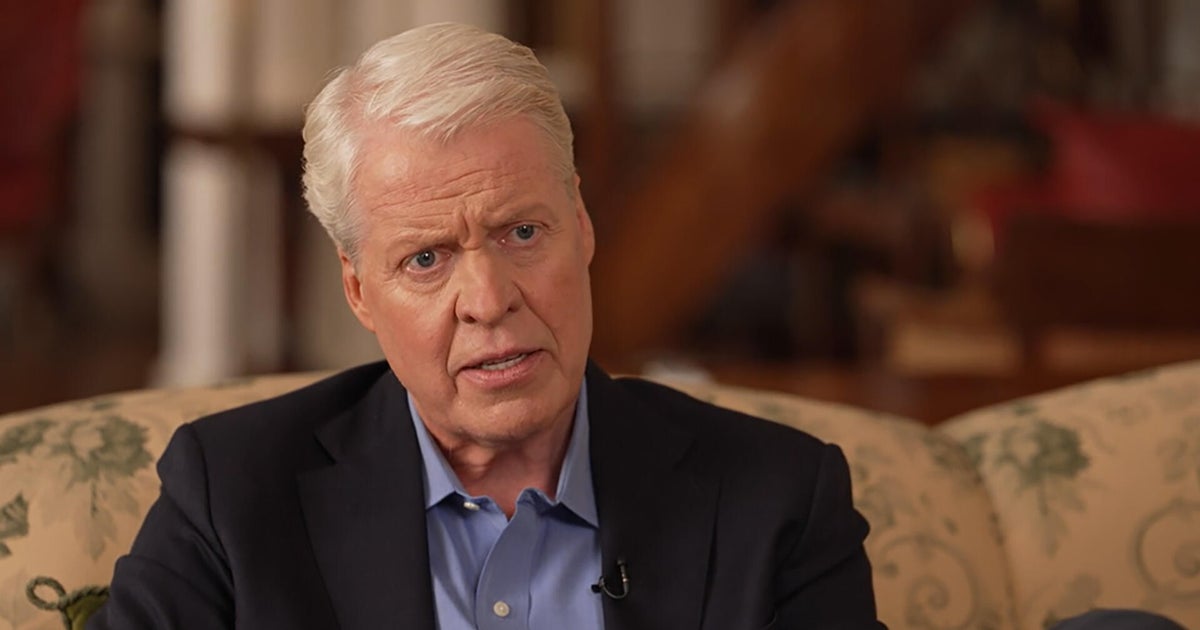
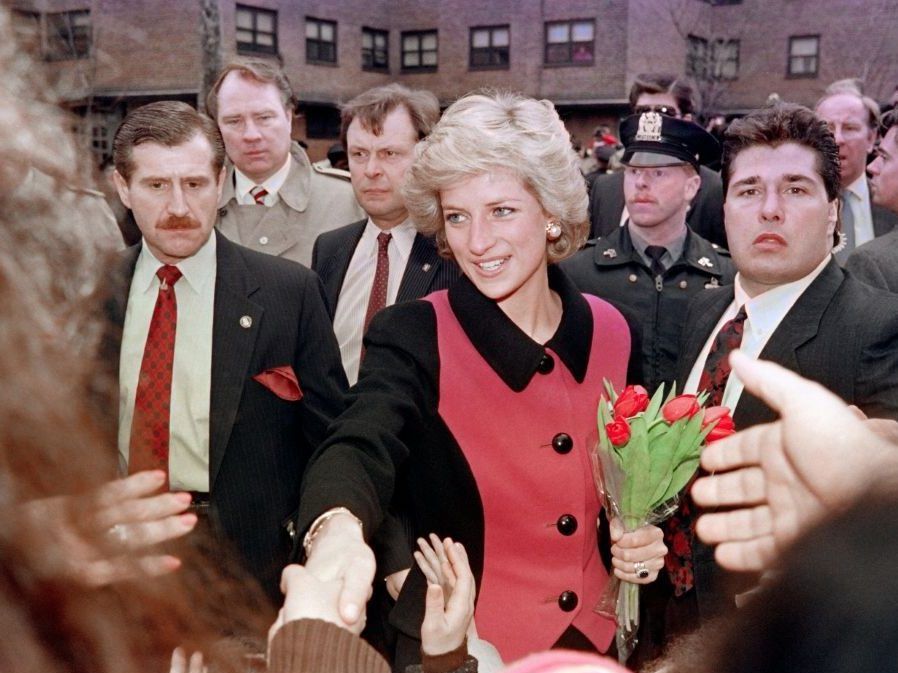
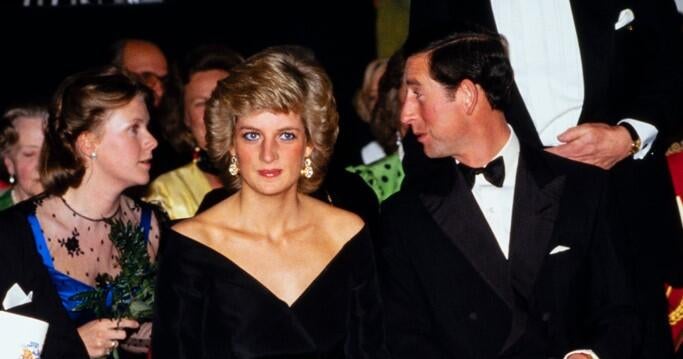
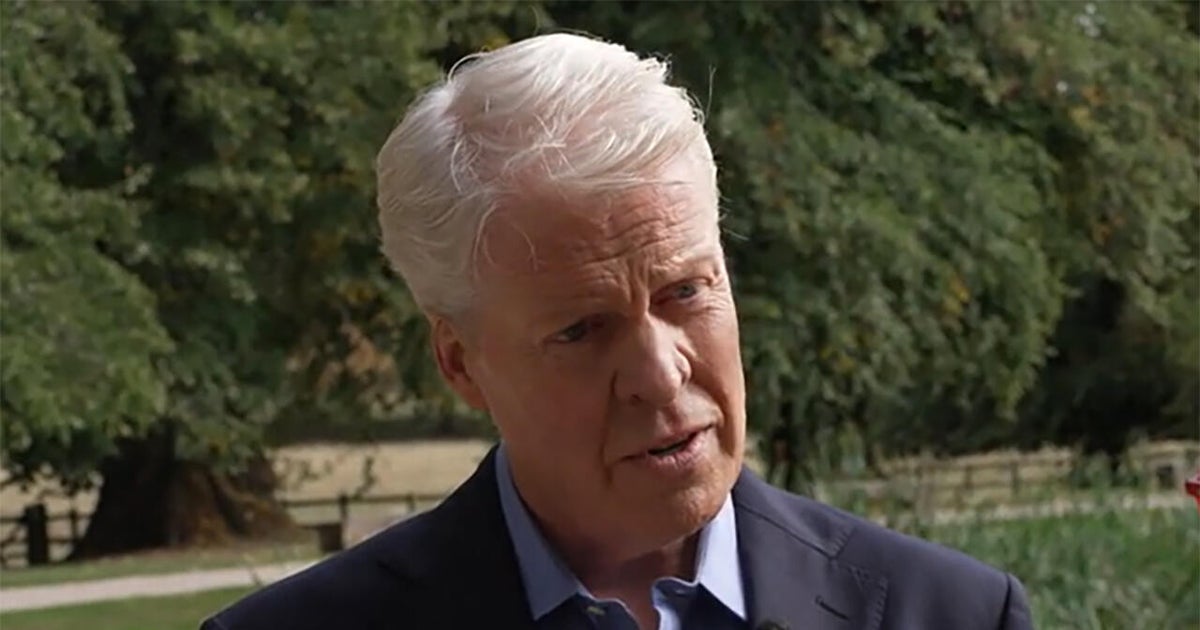
Something profound and elemental emerges from Charles Spencer’s book, Swan Song: Diana, My Sister.
asserted
Something → emerge → book
It is not how much he mourns his sister Princess Diana, from whom he was estranged at the time of her death.
asserted
he → mourn → death
It is how much he utterly despises King Charles, a hatred that has roared away, a bitter furnace in his soul, for more than 30 years.
asserted
that → despise → years
In the extracts published by the Daily Mail, Spencer’s undimmed malice burns off the page, a heartless corrosion that is awful to behold.
asserted
that → publish → page
In his version of events, we are encouraged to believe that the then-Prince Charles practically revelled in the death of his former wife.
asserted
Charles → encourage → wife
Indeed, he appeared to be quite pleased that 36-year-old Diana, the beloved mother of his two young sons, met her end in a convenient car crash in Paris.
asserted
Diana → appear → Paris
‘I suspect the prince’s first reaction must have been to think more of how this event might free him to marry the woman he loved, rather than appreciating the loss of one he did not,’ writes Spencer.
uncertain
Spencer → suspect → one
He recalls that, unlike others who telephoned to give their condolences in the days and hours after Diana’s death, Charles sounded ‘giddily elated – like a lottery winner’.
asserted
Charles → recall → winner
Yet, according to Spencer, the prince also sounded ‘strangely matter-of-fact, given the enormity of the disaster’.
uncertain
prince → accord → disaster
Earl Spencer recalls that, unlike others who telephoned to give their condolences in the days and hours after Diana’s death, Charles sounded ‘giddily elated – like a lottery winner’
asserted
Charles → recall → winner
By Earl Spencer’s account, while his own grief was profound, the brutish prince seemed to regard the death of Diana with all the detachment of a man who has just witnessed a bug being squashed on a windscreen.
asserted
bug → seem → windscreen
That is the mood Charles Spencer ascribes to his former brother-in-law at this tragic moment of global import and personal bereavement in both their lives.
asserted
Spencer → ascribe → lives
Spencer also writes that Charles said the following to him, delivered in true Bond-villain fashion, perhaps while stroking a cat: ‘Rest assured,’ he hissed, ‘we’ll forget her soon enough!’
asserted
we → write → her
Not only does it not sound like King Charles, but it is also a remark you could surely put any number of interpretations upon.
uncertain
you → sound → interpretations
It is also a remark that could easily be misheard.
uncertain
that → misheard → ?
Isn’t it far more likely that Charles said ‘they’ll forget her soon enough’ – meaning the public, who were going crazy?
asserted
who → say → public
Isn’t it far more likely that Spencer’s own heightened emotional state meant he could have misinterpreted or misunderstood what was coming down the phone line from the royal residences as his own world fell apart?
uncertain
world → heighten → residences
The Palace responded to this latter allegation by saying: ‘While we do not comment on books as a matter of principle, His Majesty is mindful that the pain of fraternal grief can cloud reason, affect judgment and colour memory in ways others do not recognise, even many years after such a loss.’
asserted
others → respond → loss
Recollections may vary, Mark II.
uncertain
Recollections → vary → ?
Some argue that the King should not have commented on Spencer’s words – yet I believe that he had to.
asserted
he → argue → words
The slur is so terrible, the smear so profound, that he simply could not let it lie unchallenged.
uncertain
it → let → ?
In writing these incendiary words, Charles Spencer meant to wound and harm, to thrust a dagger deep into the royal ribs, to cause as much damage as possible, to make a 77-year-old man, not in the best of health, look like a heartless, weak adulterer who simply did not care about the tragic death of his ex-wife.
asserted
who → write → wife
Spencer’s judgment is thunderous and cruel for many reasons but most of all because it does not acknowledge a speck of humanity within the prince, or that at the worst moment in life, many of us do not behave at our best.
asserted
many → acknowledge → best
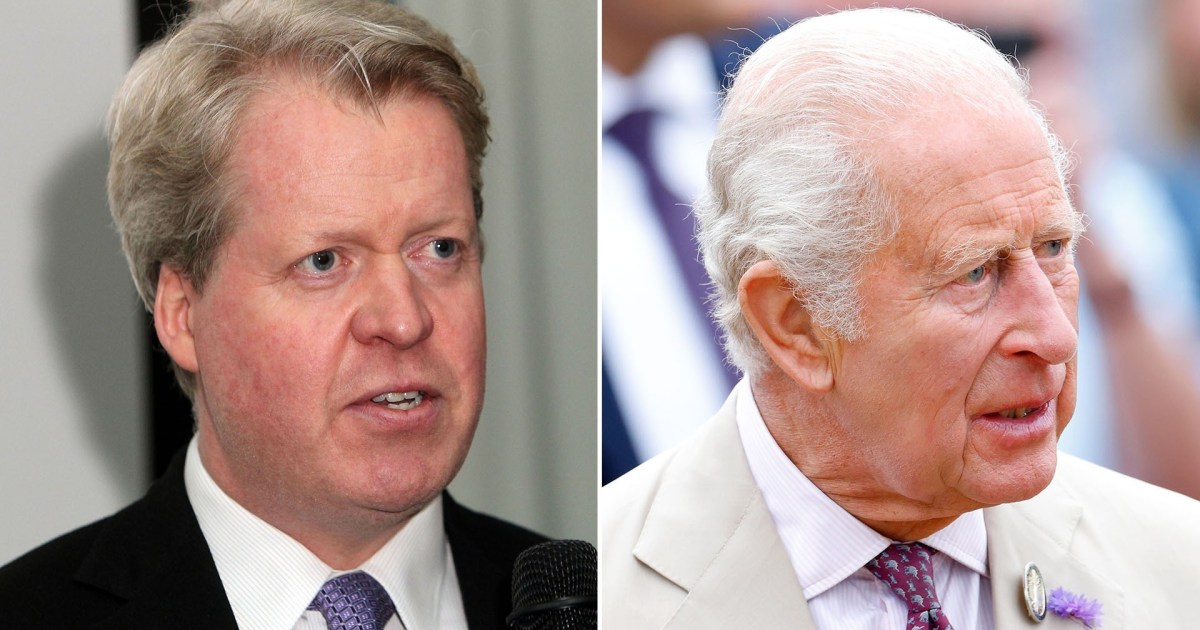
Earl Spencer and Prince Charles at the official opening of a fountain built in memory of Diana, in London's Hyde Park, in 2004
Ultimately, it all boils down to a choice that seems medieval – which Charles do you believe?
asserted
you → build → Charles
Well, I know who I think is the better man – and it is not Earl Spencer.
asserted
it → know → ?
Is this a choice Prince Harry must also make?
asserted
Harry → make → ?
One wonders how he can remain on close terms with his fuming uncle while his father is being so viciously traduced and the monarchy attacked.
asserted
monarchy → wonder → uncle
It seems impossible that he can remain neutral, a gingery Switzerland of calm in this bloody war of attrition.
asserted
he → seem → attrition
In later chapters, for example, the earl also recounts his version of the row regarding Prince William and Prince Harry walking behind Diana’s coffin at her funeral procession.
asserted
William → recount → procession
This is an issue Harry has bemoaned, too, as further evidence of the moral futility and chronic failings of monarchy.
asserted
Harry → bemoan → monarchy
No doubt it was an ordeal; two young boys in their smart suits and neat hair, trying not to cry in front of the whole world.
asserted
boys → try → world
It still breaks my heart just to think about it.
asserted
It → break → it
Yet there is a price to pay for the trappings and advantages of being a member of the Royal Family – and here it was, being marched out in funeral lockstep across a city and a nation in mourning.
asserted
it → be → mourning
Perhaps, with hindsight, they could all look at it another way: that walking behind the coffin was a privilege, it was an honour, it was what was expected of them as heirs to a throne that stretches back more than 1,000 years.
uncertain
that → look → years
She was their mother, this was their destiny – and in the end, what did it have to do with Charles Spencer?
asserted
it → have → Spencer
He was an uncle, a man whose views were welcomed – but surely those views could only be secondary to the wishes of the boys’ father?
uncertain
views → welcome → father
From that day onwards, all four of these men had to learn how to live without a mother, without a sister and without a first wife.
asserted
four → have → wife
Some of them, of course, have done so better than others.
asserted
Some → do → others
Spencer and Harry have much in common, for both of them are caught in the amber of three decades of hurt and resentment, unable to move on.
asserted
both → have → hurt
Compare this to Prince William, whose burden grows heavier by the day but who never complains.
asserted
who → compare → day
…and 6 more, not listed.
 The Aporia