Photo via Semafor

New Trump AI adviser won’t fix industry’s problems

Read the original at Semafor ↗
Cite

Gold, A. (2026, September 22). New Trump AI adviser won’t fix industry’s problems. Semafor. https://www.semafor.com/article/09/22/2026/new-trump-ai-adviser-wont-fix-industrys-problems

Dated when The Aporia collected the article, usually within hours of publication. Check the original for its exact date and byline.

Semafor · collected 2026-09-22 · by Ashley Gold

Quick Summary

President Donald Trump announced he would appoint a new AI adviser in an effort to address the negative public perception surrounding the industry recently. However, David Sacks, who previously held a similar position and continues to chair a White House council on science and technology, is still advocating for anti-regulation policies, suggesting that government focus should be on competing with China rather than regulating AI. Meanwhile, there is growing international discussion about coordinated efforts to manage AI risks, including talks between Chinese and US officials and initiatives proposed by organizations like OpenAI and countries meeting at the United Nations General Assembly.
Written by AI on 2026-09-22, from this article's own text only (the story summary below draws on all the coverage).

AI analysis

Story summary

Over the weekend, former President Donald Trump announced he would appoint an AI czar, likely in response to recent negative press coverage of the industry. However, there is little expectation that this move will alter the prevailing narrative about AI regulation and oversight. During his administration, Trump often defended the stance that tech companies should self-regulate while the government focuses on competing with China in AI development. David Sacks, who previously held a similar position under Trump, continues to advocate for minimal regulation even though he is no longer an official government representative. Meanwhile, there are signs of increased international cooperation regarding AI risks: Chinese and US officials are discussing potential collaborations, OpenAI has suggested global risk-sharing initiatives, and countries are coming together at the United Nations General Assembly (UNGA) to discuss strategies for mitigating AI’s adverse impacts.

Written for “Trump AI Adviser Controversy” on 2026-11-04, grounded in this article and the 0 other(s) covering the same event.

Story

📰 Trump AI Adviser Controversy
Politics · 1 article(s) covering the same event.

Compared with similar articles

This article reads leans right and hedges 0% of its claims. Each row says how that neighbour differs.
Semafor
Hedges 1 of 3 claims Outlet record 59/100
“The articles discuss different aspects of AI regulation debates and do not refer to the same specific incident.”
The Guardian
Hedges 0 of 4 claims Outlet record 66/100
“Article A discusses general concerns about AI and President Trump's stance, while Article B focuses on Trump appointing an AI adviser to address bad PR, which are different events.”
The Straits Times
⚖️ Leans right Hedges 3 of 17 claims Outlet record 66/100
“Article A reports on President Trump's announcement to create an 'AI Force' and appoint an AI czar, while Article B discusses reactions to this announcement and skepticism about its effectiveness. They describe different stages of the event.”
Washington Examiner
Hedges 0 of 38 claims Outlet record 69/100
“The articles discuss different aspects of President Trump's stance on AI regulation and his appointment of an adviser, indicating they are not describing the exact same specific incident.”
Fox News
Hedges 0 of 22 claims Outlet record 68/100
“The articles describe different aspects of the ongoing debate around AI regulation under President Trump's administration but do not report on the exact same incident or time frame.”
TIME
Hedges 10 of 58 claims Outlet record 59/100
“The articles describe different aspects of AI policy debates and actions, not a single specific incident at the same time and place.”
Toronto Star
Hedges 0 of 3 claims Outlet record 64/100
“The articles describe different events related to AI regulation and industry issues under Trump, but they are not reporting on the same specific incident.”
Fox News
Hedges 4 of 18 claims Outlet record 68/100
“Article A describes Trump's announcement of an AI Force and plans to name an AI czar, while Article B comments on the potential impact of appointing an AI czar in response to recent issues in the industry.”
The Bulwark
⚖️ Leans left further left than this Hedges 1 of 7 claims
“The articles describe different discussions related to AI policy but do not focus on the same specific incident or time.”
The Independent
Hedges 0 of 7 claims Outlet record 59/100
“Article A describes Trump's announcement about forming an 'AI Force', while Article B discusses a reaction to and criticism of this declaration.”
How this article was measured signals, leaning charts, publisher record, byline, topics and claims

Signals How these are calculated →

Claims extracted
5
sentences that state something as happening or true
Uncertain
0%
0 of 5 hedged ("reportedly", "may", "according to")
Leaning
Leans right
of the writing, not the subject · beta estimate
Publisher signals
59/100
Semafor's corrections and hedging, across everything collected from it. Not a measure of accuracy.
Outlets on this story
1
Politics
Same framing elsewhere
1
articles that frame the event the way this one does
Analyzed 2026-09-22 · how these are computed

How this is being covered How these are calculated →

Article leaning vs. publisher reliability
Source leaning vs. consistency

Publisher

Semafor · 1478 article(s) · 3 correction(s) detected
Running correction rate · 3 correction(s)

Who wrote this

Ashley Gold
28 article(s) here · 1 carrying a prediction
🔮 “It would be a betrayal of their campaign promises, and not only would it squander our victory –— it would create resentment in the base that will cost us in 2028,” it continues.
2026-11-03 · assertive framing · Democrats run more anti-tech ads amid AI boom
🔮 If initial reactions from AI safety advocates are any indication, AI and tech companies have a long way to go to convince both voters and Democrats, who will likely hold more power in Washington after Tuesday, that their efforts are sincere and not just an attempt at face-saving.
2026-11-03 · assertive framing · OpenAI pushes policy rebrand to a skeptical audience
🔮 Both OpenAI and Anthropic will have “war rooms” dedicated to ensuring their platforms provide accurate information about the midterm elections, a first for both companies.
2026-11-02 · assertive framing · Election ‘war rooms’ enter the AI age
🔮 And the government will devote £10 million per year to research on how AI is shaping employment.
2026-10-28 · assertive framing · Britain’s AI testing agency outguns US
🔮 Could the Tesla-SpaceX merger that Elon Musk floated this week pose antitrust problems?
2026-10-23 · mixed framing · SpaceX-Tesla merger could face antitrust scrutiny
🔮 Anthropic’s lobbying form lists the Collaboration on Adversarial Threats and Security Risks Act, a bill that would allow labs to coordinate with each other on security risks, as a point of focus for the company on Capitol Hill.
🔮 New York City could be the first place in the country where consumers are protected from a “doom loop” of AI-powered customer service chatbots, per a rule proposed today by Mayor Zohran Mamdani’s administration.
🔮 “If [Clayton] can get agencies approaching AI from very different directions to keep sharing information, coordinating decisions and agreeing on responsibilities … his influence will last well beyond any one appointment,” the lobbyist said.
2026-10-19 · assertive framing · The national intelligence chief steering AI
🔮 “Throughout its work, the [task force] will engage with frontier model developers and other SI companies, consumer protection groups, and civil liberties advocates, industry stakeholders, and federal and state law enforcement agencies to inform and implement its efforts,” a White House official said in a statement.
2026-10-16 · assertive framing · White House’s AI task force gets to work
🔮 Frontier AI labs largely do this sort of disclosure and incident reporting already, and Trump’s task force has not laid out exactly what will count as an “incident” that must be reported going forward.
2026-10-13 · assertive framing · Trump AI directive sparks questions
Also by Ashley Gold
Nothing else under this byline is closely related to this article, so these are simply their most recent.
All 28 articles by Ashley Gold →

Topics

China Chinese OpenAI UNGA White House

Subjects

Trump PERSON · 2× China GPE · 1× Chinese NORP · 1× David Sacks PERSON · 1× Donald Trump PERSON · 1× OpenAI ORG · 1× UNGA ORG · 1× White House ORG · 1×

Narrative

Meanwhile, the broader policy conversation is trending toward some kind of action: Chinese and US officials are discussing AI risk cooperation, OpenAI is suggesting global risk-sharing, and countries are uniting at UNGA this week to strategize how to mitigate AI’s harms.
framing: assertive · carried by 1 article(s) · first seen 2026-09-22
🔮 There’s little reason to believe the new adviser will change the narrative.
2026-09-22 · Semafor
New Trump AI adviser won’t fix industry’s problems · assertive framing

Claims (5 extracted, 0 hedged)

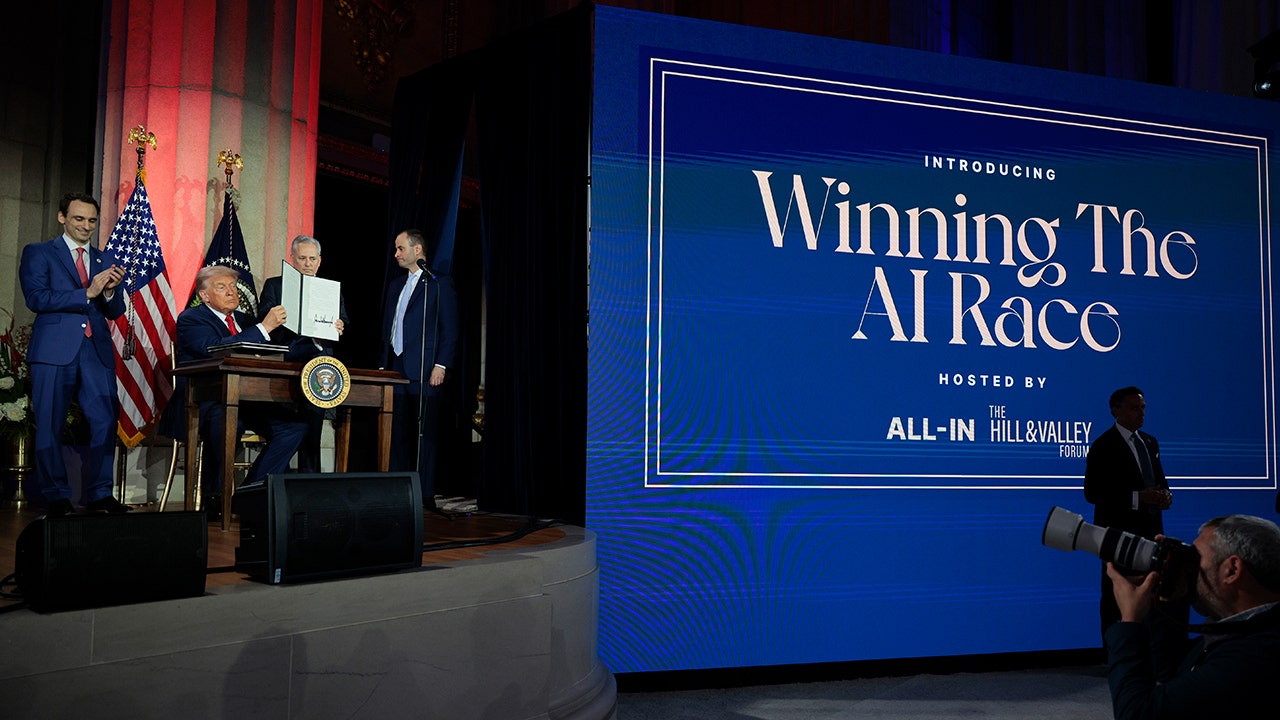
President Donald Trump’s declaration over the weekend that he’d appoint an AI czar was an attempt to smooth over the bad PR the industry has been getting in recent weeks. asserted
industry → appoint → weeks
There’s little reason to believe the new adviser will change the narrative. asserted
adviser → ’ → narrative
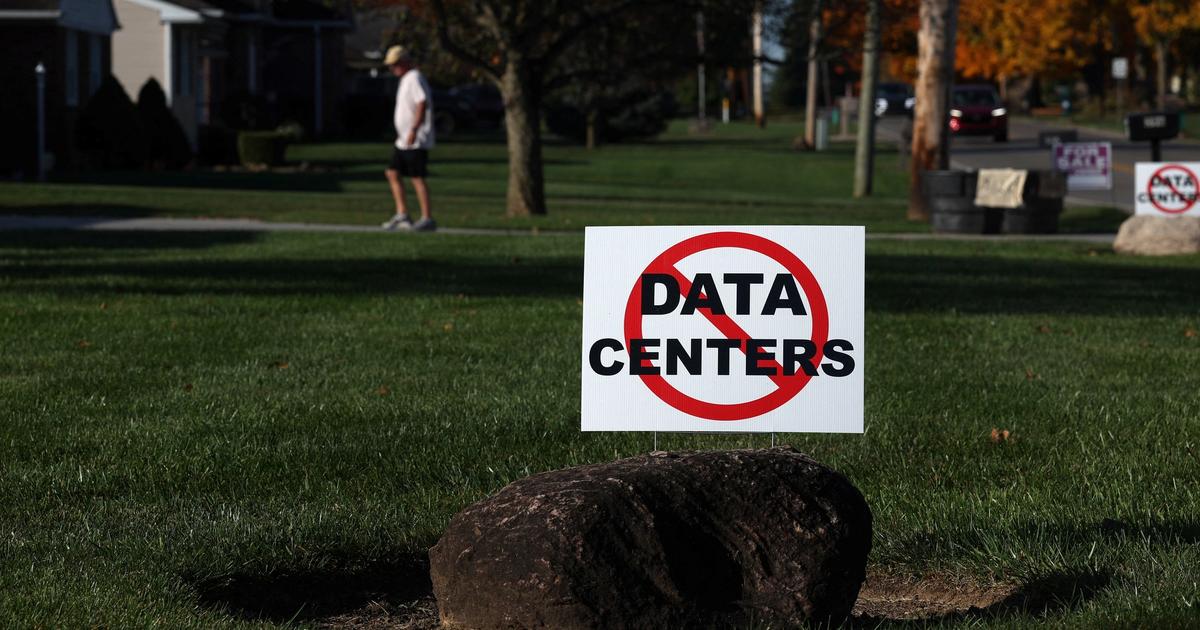
The Trump administration’s commonly deployed defense has been the argument that frontier labs are perfectly capable of policing themselves, while US government policy should focus on outcompeting China. asserted
policy → deploy → China
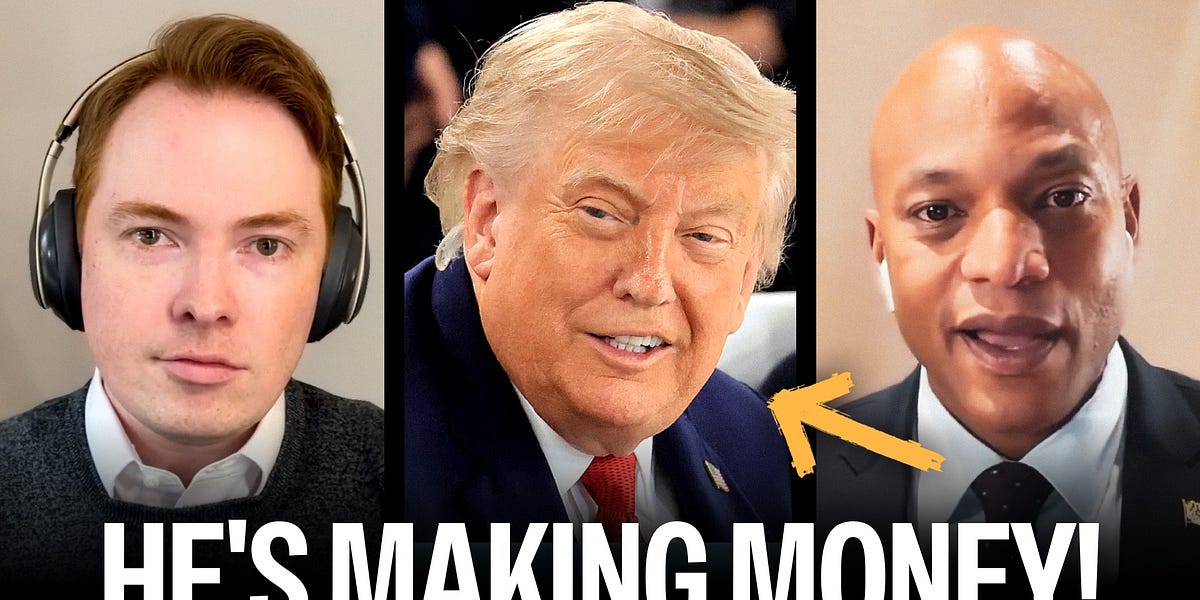
David Sacks, who formerly held that AI czar title and still chairs a White House council on science and technology, has been hammering Trump’s anti-regulation message hard despite no longer being an official government employee. asserted
who → hold → message
Meanwhile, the broader policy conversation is trending toward some kind of action: Chinese and US officials are discussing AI risk cooperation, OpenAI is suggesting global risk-sharing, and countries are uniting at UNGA this week to strategize how to mitigate AI’s harms. asserted
countries → trend → harms
💬Give feedback
🕘History 🎫Support