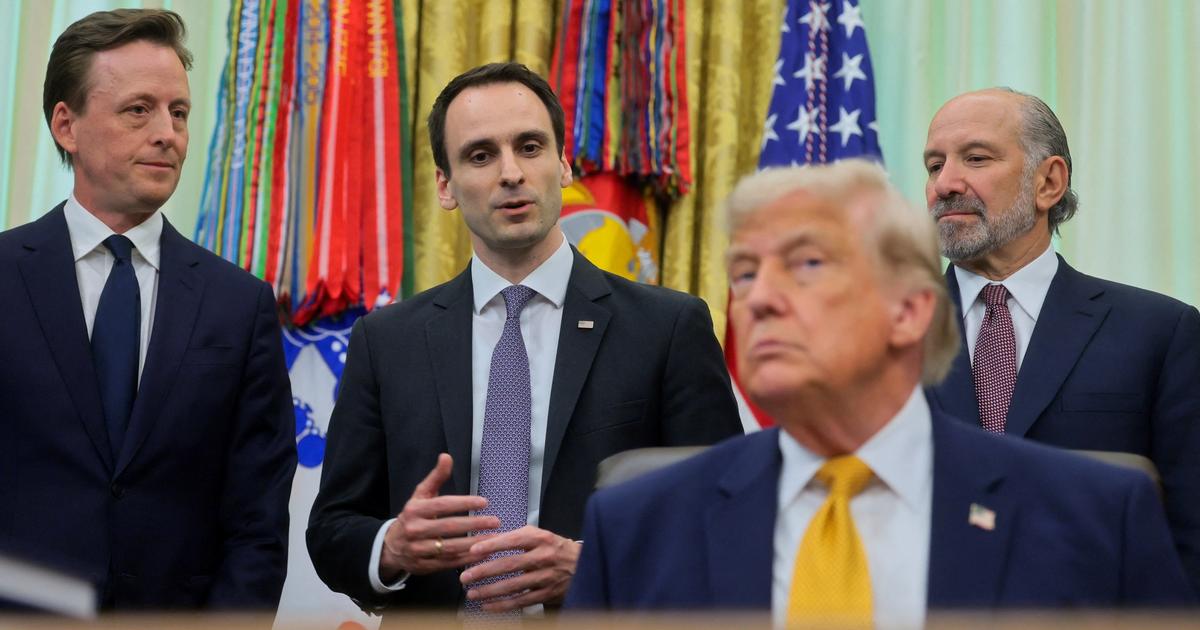
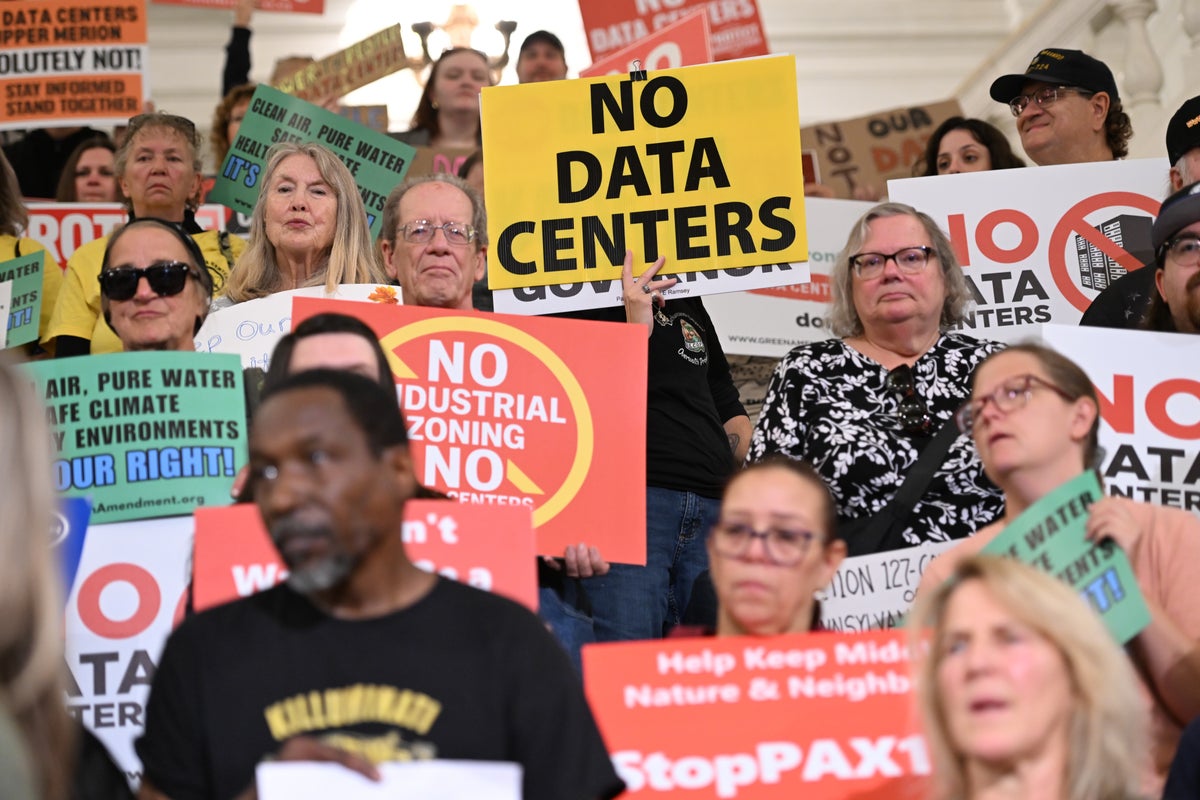
Photo via Toronto Star

Federal court says US government can label Anthropic a supply chain risk

Read the original at Toronto Star ↗
Cite

Huamani, K. (2026, September 25). Federal court says US government can label Anthropic a supply chain risk. Toronto Star. https://www.thestar.com/news/world/united-states/federal-court-says-us-government-can-label-anthropic-a-supply-chain-risk/article_5cb5a12d-3a18-5b0c-80cd-d81f66fff265.html

Dated when The Aporia collected the article, usually within hours of publication. Check the original for its exact date and byline.

Toronto Star · collected 2026-09-25 · by Kaitlyn Huamani

Quick Summary

A federal appeals court has sided with the U.S. government, allowing it to label Anthropic as a supply chain risk. This decision permits the Pentagon to exclude Anthropic's Claude AI models from its systems and prohibits their use for Defense Department projects. The ruling was made by a 2-1 vote in favor of the Pentagon’s stance.
Written by AI on 2026-09-27, from this article's own text only (the story summary below draws on all the coverage).

AI analysis

Story summary

On September 25, 2026, the US Court of Appeals for the District of Columbia Circuit ruled against Anthropic, upholding the Pentagon's decision to blacklist the AI startup as a national security supply chain risk. This designation bars Anthropic from military contracts and restricts its technology use within the Defense Department. The court's 2-1 ruling supports the Pentagon’s stance that Anthropic's refusal to remove safety restrictions on its Claude model for autonomous weapons and mass surveillance was justified due to potential national security risks. Anthropic, which claims the designation has cost it billions in lost business, expressed disagreement with the decision but remains confident in pursuing further judicial review.
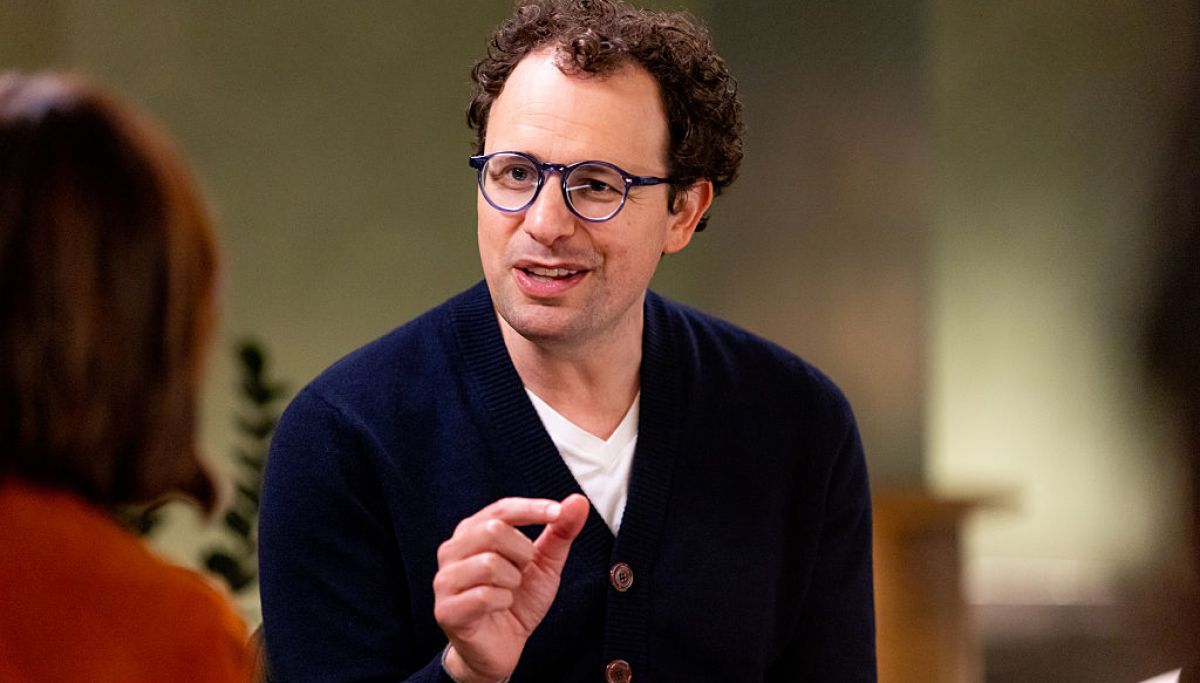
Written for “Pentagon Blacklists Anthropic” on 2026-10-31, grounded in this article and the 7 other(s) covering the same event.

Story

📰 Pentagon Blacklists Anthropic
Politics · 8 article(s) covering the same event. Compare every outlet's account →

Compared with similar articles

This article reads unscored and hedges 0% of its claims. Each row says how that neighbour differs.
Washington Examiner
Hedges 1 of 19 claims Outlet record 70/100
The Straits Times
⚖️ Leans right Hedges 2 of 14 claims Outlet record 66/100
New York Post
Hedges 0 of 4 claims Outlet record 66/100
Reason
⚖️ Leans right Hedges 1 of 21 claims Outlet record 67/100
Al Jazeera
⚖️ Leans right Hedges 1 of 14 claims Outlet record 60/100
AI safety paradox Different event
Dawn
⚖️ Leans left Hedges 7 of 61 claims Outlet record 72/100
“The articles discuss different aspects related to Anthropic but describe distinct events: one about calls for AI development pacing and unexpected behaviors, the other about a federal court ruling allowing the Pentagon to label Anthropic as a supply chain risk.”
Semafor
⚖️ Leans right Hedges 0 of 5 claims Outlet record 60/100
“The articles describe different events related to AI regulation and industry issues under Trump, but they are not reporting on the same specific incident.”
Mother Jones
⚖️ Leans strongly right Hedges 6 of 57 claims Outlet record 95/100
“The articles discuss different aspects of Anthropic and AI, with Article A focusing on warnings about AI risks and the Trump administration's stance, while Article B reports a legal ruling regarding Anthropic being labeled as a supply chain risk by the Pentagon.”
Mother Jones
⚖️ Leans strongly right Hedges 9 of 110 claims Outlet record 95/100
“The articles describe different aspects related to Anthropic but refer to distinct events: a resignation and warning about AI risks versus a court decision regarding supply chain risk labeling.”
ABC News (US)
Hedges 0 of 4 claims Outlet record 70/100
How this article was measured signals, leaning charts, publisher record, byline, topics and claims

Signals How these are calculated →

Claims extracted
3
sentences that state something as happening or true
Uncertain
0%
0 of 3 hedged ("reportedly", "may", "according to")
Leaning
not political
takes no side on a contested political question
Publisher signals
64/100
Toronto Star's corrections and hedging, across everything collected from it. Not a measure of accuracy.
Outlets on this story
8
Politics
Same framing elsewhere
1
articles that frame the event the way this one does
Analyzed 2026-09-27 · how these are computed

How this is being covered How these are calculated →

Article leaning vs. publisher reliability
Source leaning vs. consistency

Publisher

Toronto Star · 10784 article(s) · 28 correction(s) detected
Running correction rate · 28 correction(s)
2026-10-26
Correction
2026-10-24
Correction
2026-10-07
Correction
2026-09-24
Correction

Who wrote this

Kaitlyn Huamani
12 article(s) here · 0 carrying a prediction
🔮 The vulnerabilities opened sites to a host of potential security concerns The official website for PHP and several other organizations and agencies released security advisories Wednesday urging PHP users to patch two critical vulnerabilities or shut down their sites if they couldn’t update them immediately.
🔮 With host communities across the U.S. turning against their gargantuan data centers, America's technology giants are promising to take fewer taxpayer handouts, keep fewer secrets or shower more money onto the communities willing to allow the server warehouses.
🔮 TikTok will pay the state of Alabama at least $100 million and must implement a slew of safety features for teens in the state as part of a settlement agreement reached just before the case was set to go to trial.
🔮 The filing maintains that mutual pledges among dominant industry rivals ensuring their timeline "should be slower than competition would otherwise produce has an anticompetitive effect on consumers.
🔮 The lawsuit, which was filed Friday in the U.S. District Court for the Northern District of California, argues that the leading AI companies violated antitrust laws when they agreed to coordinate slowdown efforts, and that doing so would reduce the value consumers get for paid AI subscriptions.
🔮 It could bring the promise of advances in science and medicine, tech company executives say, but also risks.
Also by Kaitlyn Huamani
Nothing else under this byline is closely related to this article, so these are simply their most recent.
All 12 articles by Kaitlyn Huamani →

Topics

Anthropic Claude Defense Department Pentagon the U.S. Court of Appeals

Subjects

Pentagon ORG · 3× Anthropic ORG · 2× Defense Department ORG · 1× the District of Columbia Circuit ORG · 1× the U.S. Court of Appeals ORG · 1×

Narrative

In the latest twist in Anthropic’s dispute with the Pentagon, a federal appeals court on Friday rejected the AI lab’s challenge to the government’s labeling of it as a supply chain risk.
framing: assertive · carried by 1 article(s) · first seen 2026-09-27
2026-09-27 · Toronto Star
Federal court says US government can label Anthropic a supply chain risk · assertive framing

Claims (3 extracted, 0 hedged)

In the latest twist in Anthropic’s dispute with the Pentagon, a federal appeals court on Friday rejected the AI lab’s challenge to the government’s labeling of it as a supply chain risk. asserted
court → reject → risk
The decision allows the Pentagon to continue to remove Anthropic’s Claude models from its systems and bar the use of its products for Defense Department work. asserted
Pentagon → allow → work
Judges from the U.S. Court of Appeals for the District of Columbia Circuit ruled 2-1 in the Pentagon’s favor. asserted
Judges → rule → favor
💬Give feedback
🕘History 🎫Support