The Aporia

Cost, B. (2026, September 22). Super El Niño breaks record months before peak as scientists warn of worst season in 1,000 years. New York Post. https://nypost.com/2026/09/22/science/super-el-nino-breaks-temperature-record-months-before-peak/
Cost, Ben. “Super El Niño breaks record months before peak as scientists warn of worst season in 1,000 years.” New York Post, 22 Sept. 2026, https://nypost.com/2026/09/22/science/super-el-nino-breaks-temperature-record-months-before-peak/.
Cost, Ben. “Super El Niño breaks record months before peak as scientists warn of worst season in 1,000 years.” New York Post, September 22, 2026. https://nypost.com/2026/09/22/science/super-el-nino-breaks-temperature-record-months-before-peak/.
Dated when The Aporia collected the article, usually within hours of publication. Check the original for its exact date and byline.
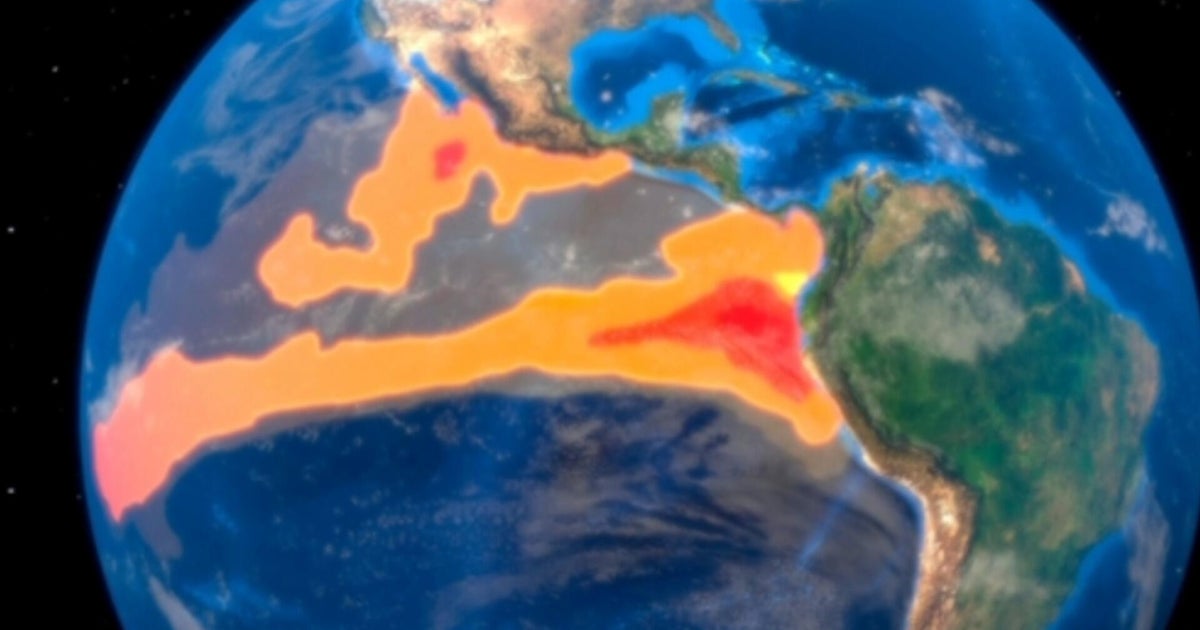
The super El Niño event is already breaking temperature records despite being months away from its peak. Sea surface temperatures in the tropical Pacific reached 3.07°C, tying the record set by the 2015–2016 El Niño, according to data from September. Zeke Hausfather, a climate scientist and co-author of comprehensive UN reports, predicts that this year’s El Niño could peak at 4.0°C above average in November and December, making it the strongest in over 1,000 years based on an analysis using 14 different climate models.
Typically, temperatures exceeding 2°C above normal are classified as a super El Niño, while those surpassing 0.5°C are considered regular El Niños. Hausfather’s predictions rely on how daily sea surface temperatures in the Niño 3.4 region exceed long-term averages. Despite this, the US National Oceanic and Atmospheric Administration (NOAA) is increasingly using a new method called ONI to measure these anomalies.