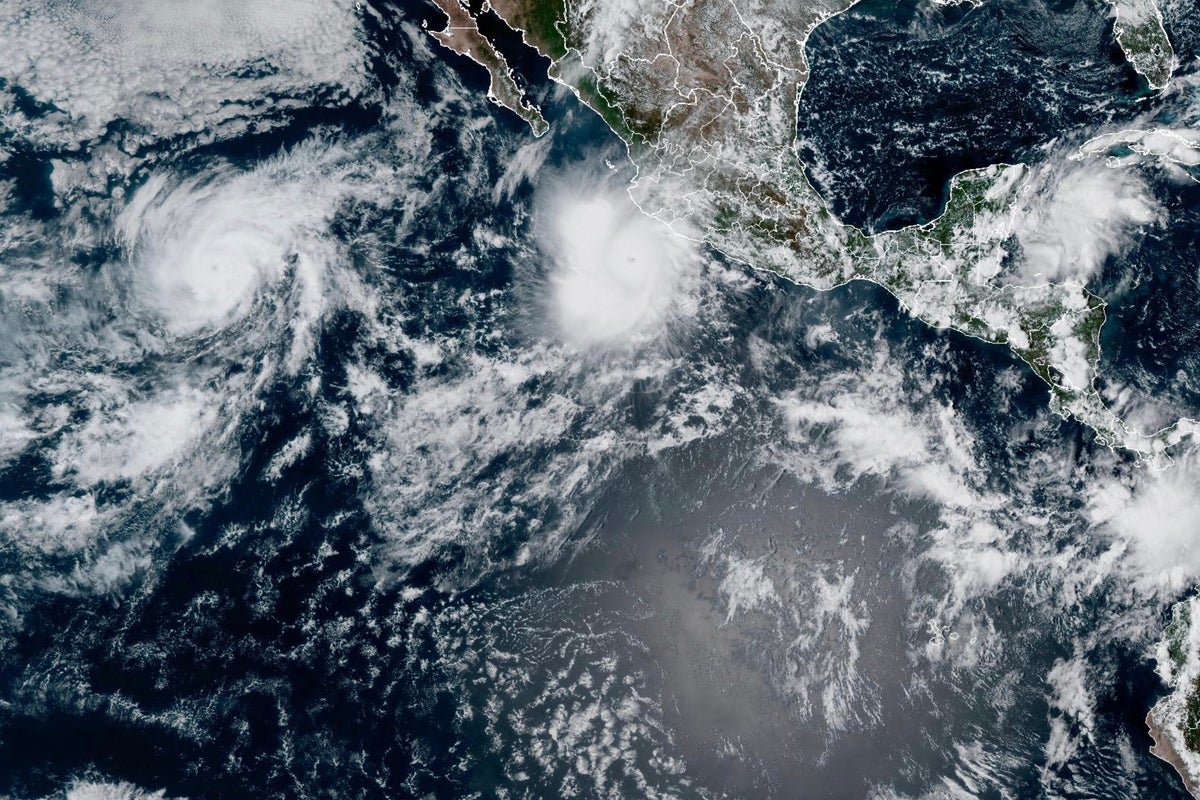
The Pacific Ocean is experiencing an unusually severe hurricane season, with weeks of persistent storm activity and several months still remaining in the cycle.
asserted
months → experience → cycle
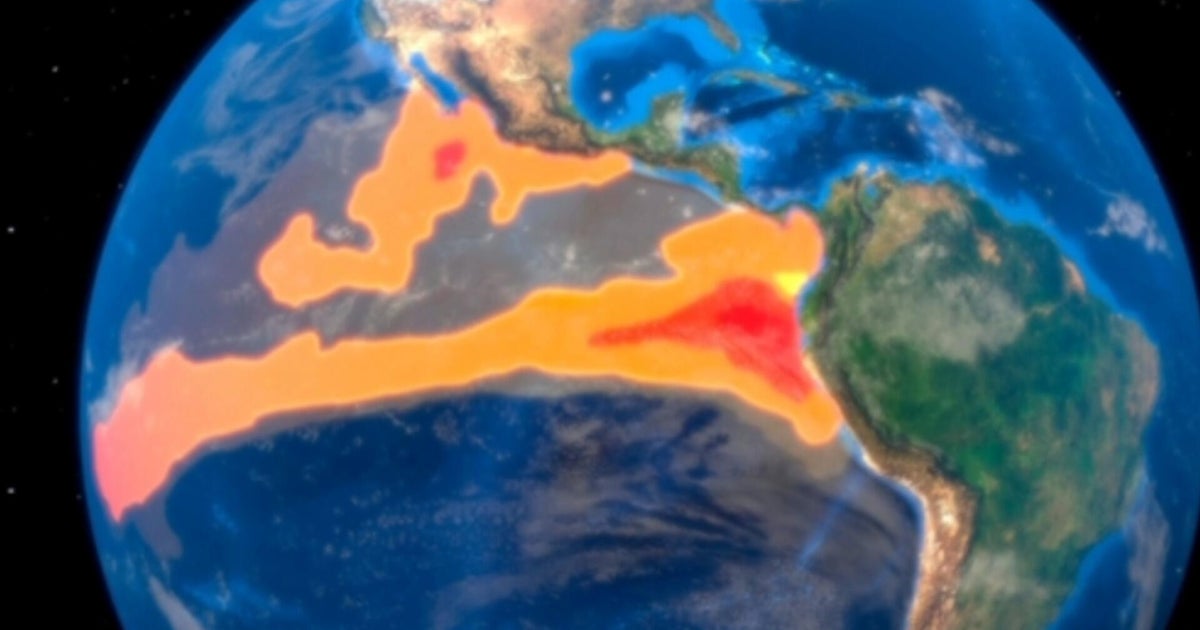
An uninterrupted sequence of tropical storms has developed in recent weeks, driven by El Niño conditions that emerged in June.
asserted
that → develop → June
Higher-than-average ocean temperatures have subsequently disrupted global weather patterns across much of the world.
asserted
temperatures → disrupt → world
"It’s ramping up to be perhaps the strongest El Niño on record," said University of Miami hurricane expert Brian McNoldy.
asserted
McNoldy → ramp → Miami
Storm counts in the eastern Pacific have already outpaced an average season.
asserted
counts → outpace → season
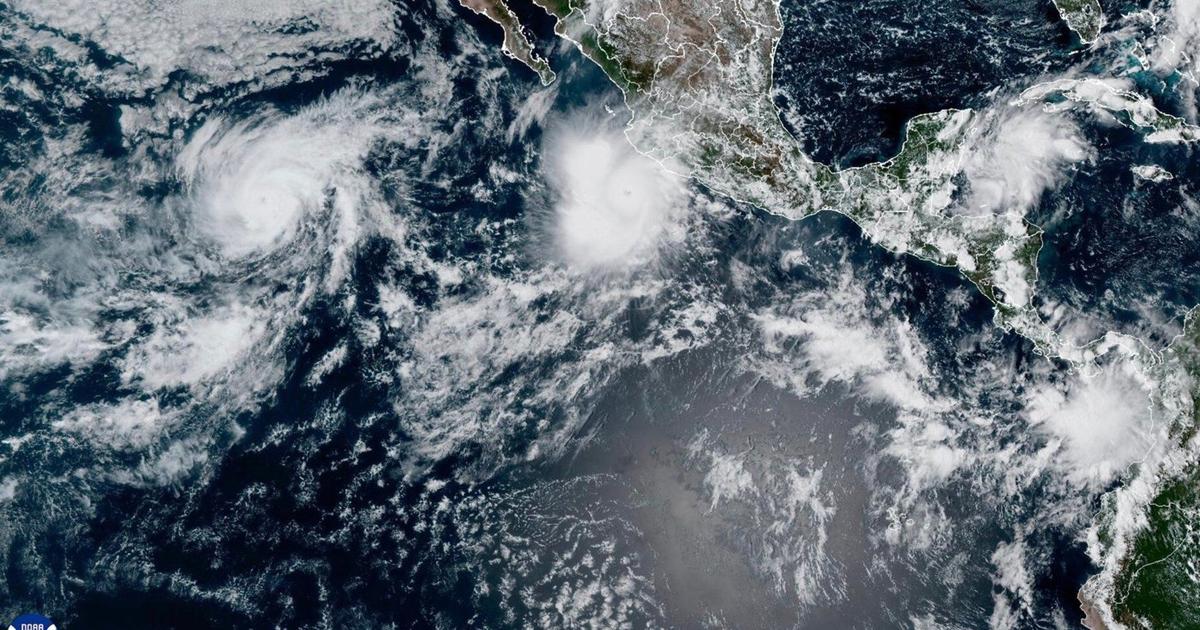
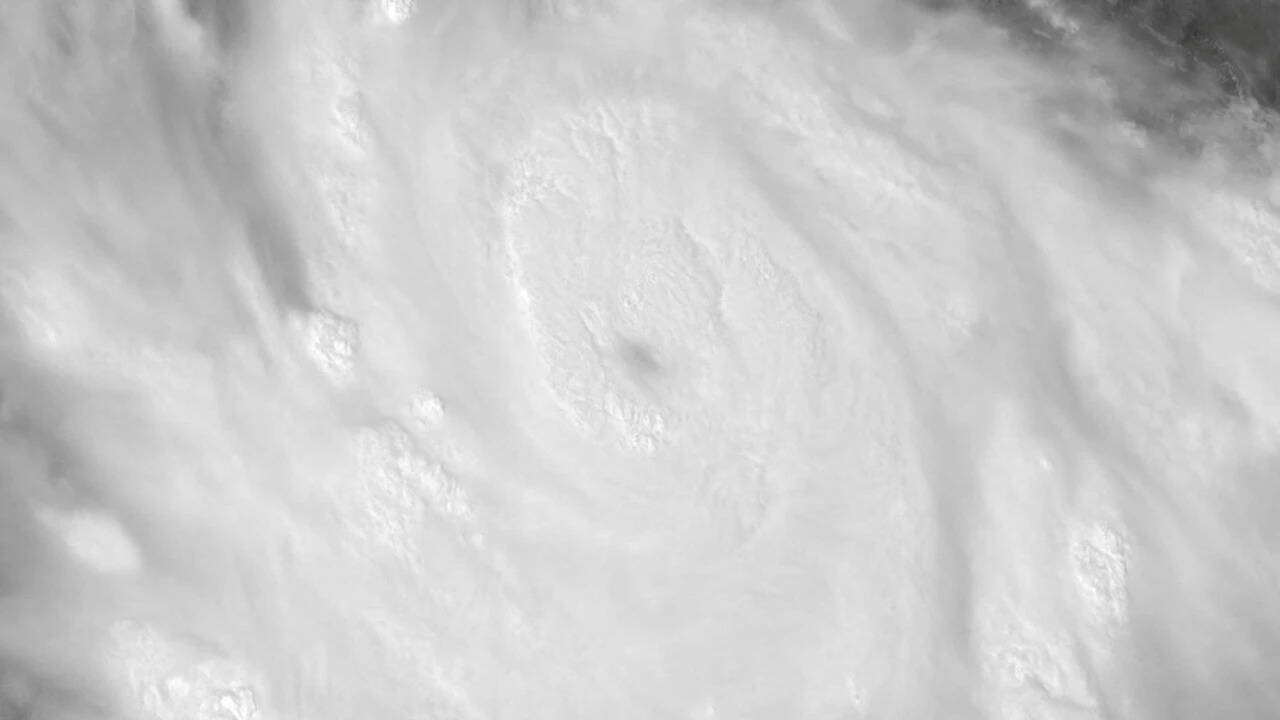
Hurricane Polo has been drenching Mexico's Pacific coast while shifting between Category 4 and 5 strength, and Hawaii faces potential catastrophic flooding from the growing Tropical Storm Nolo.
asserted
Hawaii → drench → Nolo
When El Niño forms, the low-level easterly surface winds across the Pacific weaken or reverse direction.
asserted
winds → form → direction
This alters the jet stream and contributes to record atmospheric temperatures, intense droughts, wildfires, and reduced freshwater availability worldwide.
asserted
This → alter → temperatures
These climate phenomena occur unpredictably every two to seven years on average and range from mild to severe.
asserted
phenomena → occur → ?
McNoldy anticipates the current pattern will peak this coming winter and persist through 2027.
asserted
pattern → anticipate → 2027
"It doesn’t turn off right away," he said.
asserted
he → turn → ?
Although Pacific storm numbers are surging, El Niño typically suppresses storm formation across the Atlantic Ocean, where tropical activity has remained virtually silent this year.
asserted
activity → surge → Ocean
Matthew Rosencrans, lead hurricane season forecaster at NOAA’s National Weather Service, noted that both the eastern and central Pacific regions have logged four more named storms than average, despite having over two months remaining in the hurricane season.
asserted
regions → note → season
Historical data from 1991 to 2020 shows an average of 15 named storms per season in the eastern Pacific, which spans from May 15 to Nov. 30.
uncertain
which → show → Nov.
Exceeding that figure by September is unusual, Rosencrans pointed out:
asserted
Rosencrans → exceed → September
"That's a different story," he said.
asserted
he → say → ?
Adding to the severity, three Pacific hurricanes have reached Category 5 intensity this season, tying a record set during another El Niño year in 2002, Rosencrans explained.
asserted
Rosencrans → add → 2002
The most active season on record for the eastern Pacific occurred in 1992 with 25 named storms, while the central Pacific recorded its peak of 14 storms in 2015.
asserted
Pacific → occur → 2015
During that 2015 season, the eastern Pacific produced nine major storms of Category 3 or higher without causing any reported fatalities.
asserted
Pacific → produce → fatalities
The El Niño pattern directed those storms further west, allowing them to remain over open ocean waters throughout their cycle.
asserted
them → direct → cycle
In contrast, a powerful El Niño in 1997 brought Hurricane Pauline across Mexico’s Pacific shore, leaving hundreds dead.
asserted
Niño → bring → hundreds
That same year, Tropical Storm Nora delivered rare heavy rainfall to landlocked southwestern Arizona, while a December storm in Southern California triggered severe flooding that swept cars into storm channels and prompted mobile home evacuations.
asserted
that → deliver → evacuations
In 1998, El Niño was blamed for devastating floods along China's Yangtze River that killed 4,150 people.
asserted
that → blame → people
Hawaii has faced repeated threats in recent weeks, having already suffered damage from two hurricanes over the past month.
asserted
Hawaii → face → month
Hurricanes Lala in August and Lowell in early September combined to destroy or damage more than 510 homes and caused $168 million in damage to public infrastructure, alongside $21.5 million in destruction to 38 schools from Lala.
asserted
Lala → combine → Lala
If Tropical Storm Nola follows forecasts and strengthens dramatically as it tracks south of the islands, it will mark the third system to impact the state.
asserted
it → follow → state
Weather forecasters warn the storm could drop several feet of rain across parts of the region.
uncertain
storm → warn → region
The state was already recovering from severe March rainfall—the worst flooding in two decades—and a magnitude-6.0 earthquake in May, leading Gov. Josh Green to say this year has been "unlike anything I can recall."
Two hurricanes came within 200 miles (320 kilometers) of Hawaii in 1957, an occurrence that did not repeat for over half a century until similar threats occurred in 2014, 2016, 2018, and now this year.
While meteorologists frequently monitor "preparedness fatigue"—where residents gear up for storms that fail to materialize—John Bravender, a weather service warning coordination meteorologist, explained that 2026 has introduced a distinct form of exhaustion in Hawaii.
uncertain
2026 → recover → Hawaii
"The fact that we’ve had these damaging impacts that keep happening, and as we’re recovering from them, we have to get ready for the next event — that’s a new one that really drains the resources and leads to this overall sense that this is a very busy hurricane season for us," he said.
asserted
he → keep → us
Island residents understand the risks and are growing more accustomed to preparing.
asserted
residents → understand → risks
"I think community members realize how dangerous the weather can be, how important it is for them to be self-sufficient, have food, water and also look out for their neighbors," Bravender added.
asserted
Bravender → think → neighbors
 The Aporia