Claims extracted
15
sentences that state something as happening or true
Uncertain
27%
4 of 15 hedged
("reportedly", "may", "according to")
Leaning
withheld
no quote in the article backed the model's score
Publisher signals
68/100
BBC News's corrections and
hedging, across everything collected from it. Not a measure of accuracy.
Outlets on this story
3
Politics
Same framing elsewhere
1
articles that frame the event the way this one does
- Published
The US has criticised Australia's proposal to give users the ability to opt out of social media algorithms, saying it amounts to "censorship of protected speech".
asserted
it → publish → speech
Under Australia's draft digital duty of care laws, tech firms risk hefty fines if they fail to give users the option to turn off algorithms in a bid to protect them from harmful content.
asserted
they → risk → content
In a rare submission to the proposed laws, the US embassy in Canberra said it had "serious concerns" and allowing the government to "enforce vague definitions of 'harm'" would lead to "viewpoint-based censorship".
asserted
government → propose → censorship
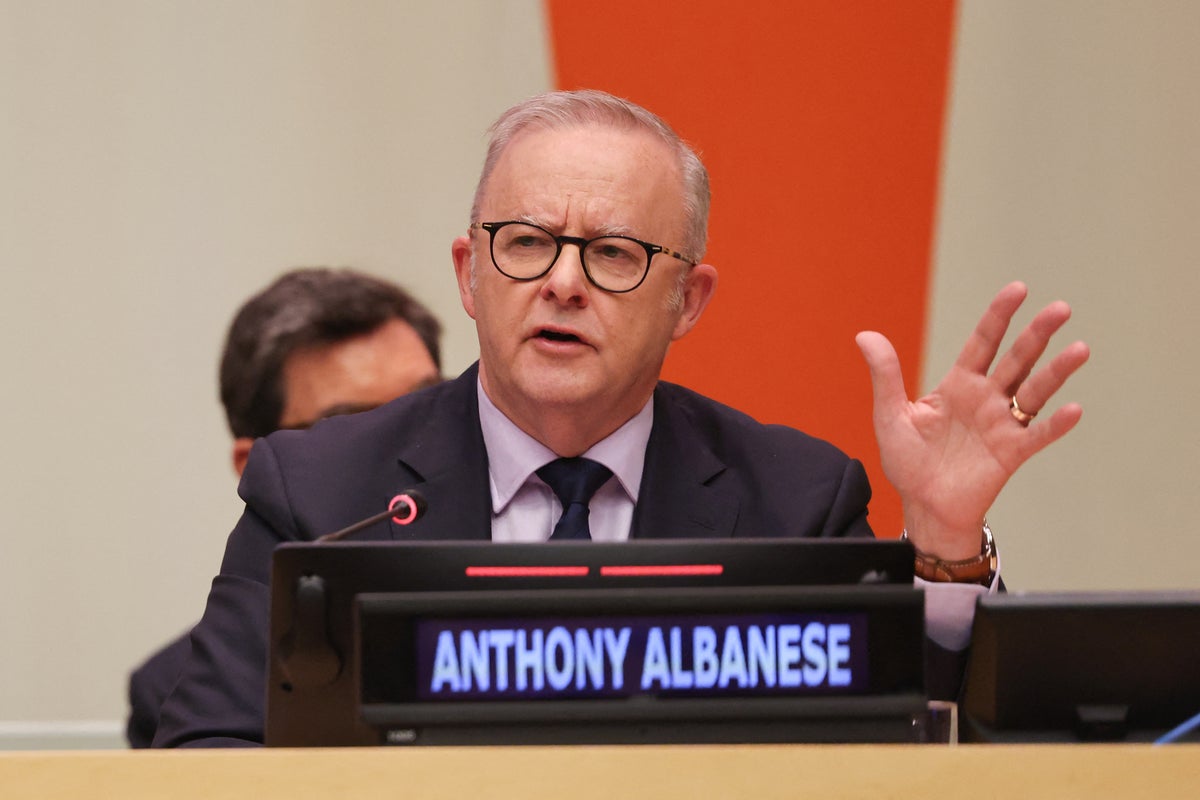
Australian Prime Minister Anthony Albanese said the legislation was not about giving governments control but giving it back to individuals.
asserted
legislation → say → individuals
"We ask that Australia clarify how exactly 'harm' and 'risks' shall be determined... ensuring these definitions do not encroach on protected speech
asserted
definitions → ask → speech
," the US said in its submission.
asserted
US → say → submission
The US also claimed that the proposed laws may risk "reducing the reach of independent journalists or other voices whose content touches on sensitive or controversial topics" if tech firms had to "pre-emptively demote" them.
uncertain
firms → claim → them
An opt-out option would "allow regulators to impose rigid, one-size-fits-all platform design requirements" on tech firms and this could affect users outside of Australia
uncertain
this → opt → Australia
, it said.
"Mandated platform design features, especially when applied to algorithms, may affect what users see, say, and hear not just in or from Australia, but globally."
The US also called on Australia to address industry concerns that the "biases and preferences" of government officials do not "disadvantage independent or minority-viewpoint speech".
Another worry was that the proposed laws could affect Australia's "reputation as a jurisdiction that enables innovation," the submission said.
uncertain
submission → say → innovation
The criticism comes during Albanese's visit to the US to speak at the UN's General Assembly about his government's tech policies.
asserted
criticism → come → policies
On Tuesday, local time in New York, Albanese responded to the criticism and claims of the proposed laws being government overreach.
uncertain
laws → respond → criticism
"It's not about giving government control," he told the media in New York.
asserted
he → give → York
"It's about giving people back control over what they receive on their devices."
asserted
they → give → devices
US President Donald Trump meanwhile used his speech at the UN to play down fears about AI, rejecting proposals for guardrails on it and arguing it should be renamed "super intelligence" as "the use of the word artificial makes it sound fake".
asserted
it → use → word
This latest move by Australia to protect its online users from harm comes less than a year after the country introduced a social media ban for children under 16 last December.
asserted
country → protect → 16
 The Aporia