The Aporia

Green, A. (2026, September 23). Trump-Appointed Judge Smacks Down EPA’s Termination of Clean Energy Grants. Mother Jones. https://www.motherjones.com/politics/2026/09/trump-appointed-judge-epa-termination-clean-energy-grants-solar-for-all-ruling/
Green, Amy. “Trump-Appointed Judge Smacks Down EPA’s Termination of Clean Energy Grants.” Mother Jones, 23 Sept. 2026, https://www.motherjones.com/politics/2026/09/trump-appointed-judge-epa-termination-clean-energy-grants-solar-for-all-ruling/.
Green, Amy. “Trump-Appointed Judge Smacks Down EPA’s Termination of Clean Energy Grants.” Mother Jones, September 23, 2026. https://www.motherjones.com/politics/2026/09/trump-appointed-judge-epa-termination-clean-energy-grants-solar-for-all-ruling/.
Dated when The Aporia collected the article, usually within hours of publication. Check the original for its exact date and byline.
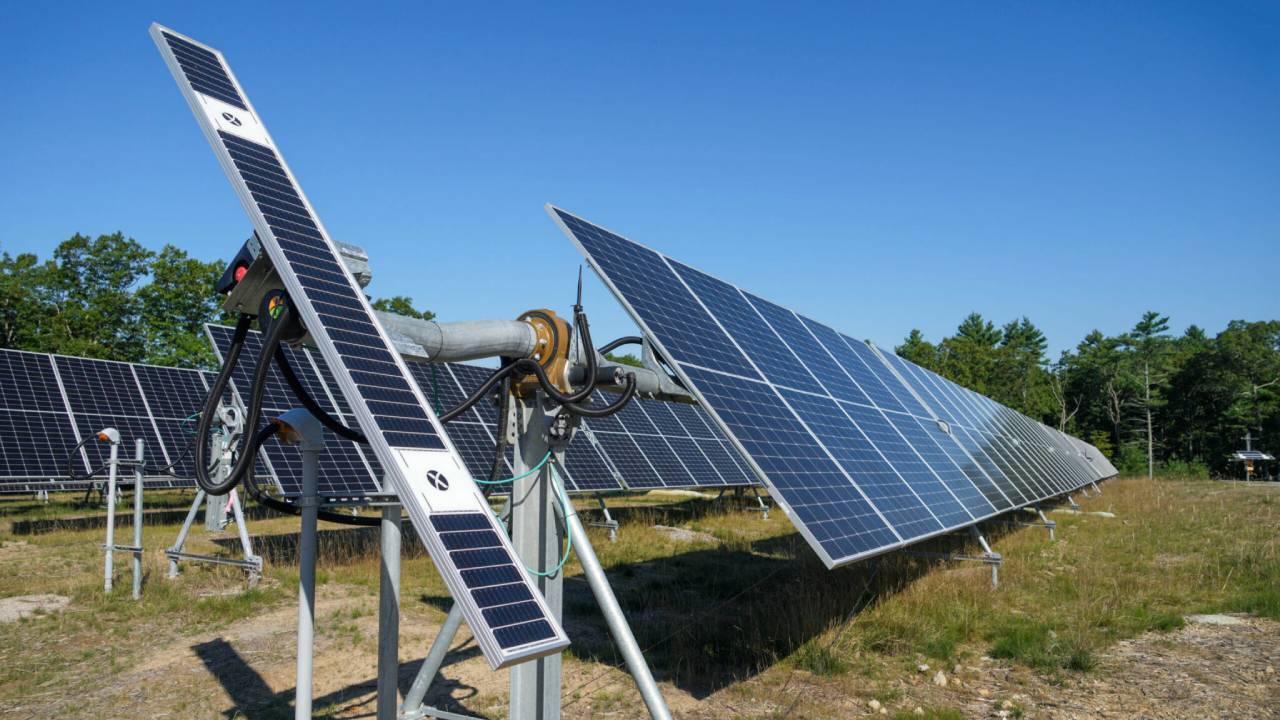
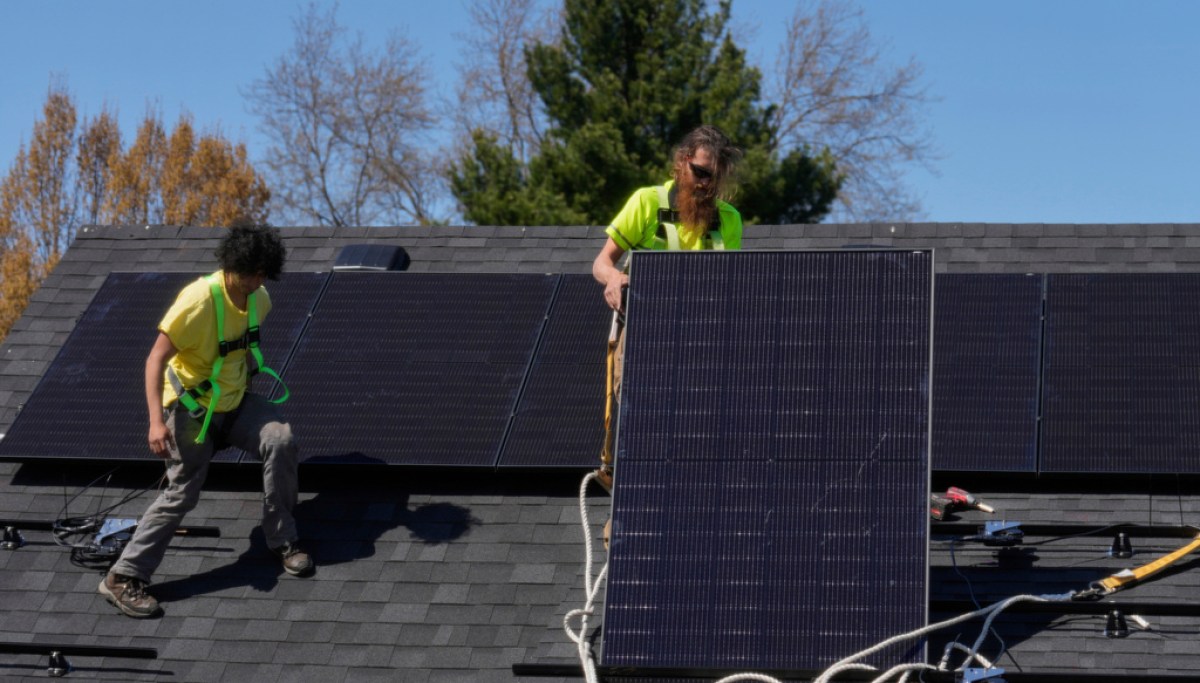
In August 2025, the Environmental Protection Agency (EPA) under President Trump terminated a $7 billion Solar for All program, aimed at making solar power accessible to over 900,000 lower-income Americans. The decision was made following the passage of the One Big Beautiful Bill Act (OBBBA), which Congress believed would repeal the program's authorization and funding. However, on Friday, a federal judge in Rhode Island ruled that the EPA acted illegally by terminating the grants already awarded under the Greenhouse Gas Reduction Fund, established during the Biden administration as part of the Inflation Reduction Act.
Judge Mary McElroy, a Trump appointee, determined that Congress intended for the EPA to continue administering the Solar for All grants and vacated the termination. The ruling was supported by a coalition including labor unions, environmental groups like the Conservation Law Foundation, and nonprofits such as Rhode Island Center for Justice and Solar United Neighbors, who argued that thousands of union jobs would be created if the program resumed.
While the judge's decision does not immediately guarantee the release of funds, it could lead to significant changes in how clean energy initiatives are funded and implemented across the U.S., impacting both environmental goals and job creation in disadvantaged communities.