I’VE SPENT A GOOD PART OF MY professional life studying and fighting in the Middle East, and even I have found the latest developments between Saudi Arabia, Yemen, the Houthis, and the United States difficult to follow.
asserted
developments → spend → Arabia
It’s a dog’s breakfast.
asserted
It → ’ → ?
The reason it’s so complicated is that the region has more than its fair share of advanced weapons, armed groups, and hostile factions—but relatively little in the way of organization.
asserted
region → ’ → organization
But considering the impact the war in Yemen—and beyond—is having on the global economy and American security, it’s worth breaking down all the moving parts.
asserted
it → consider → parts
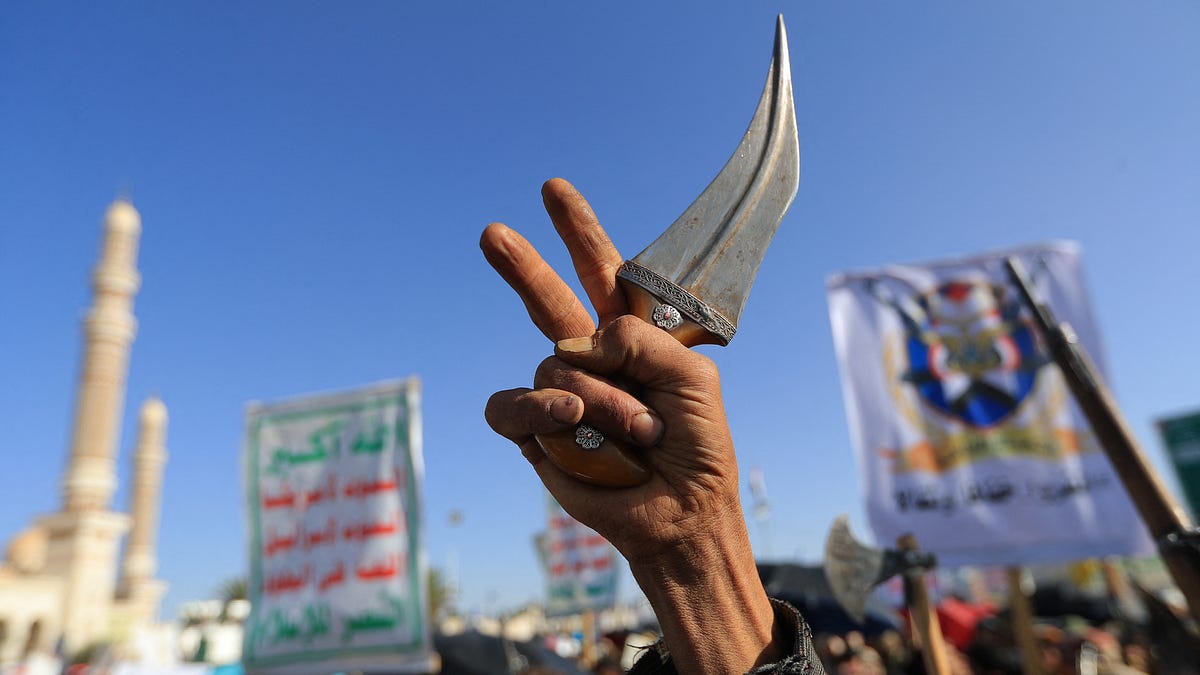
The Houthis—the Iranian-backed movement that has controlled Yemen’s capital for more than a decade—launched a stunning offensive earlier this month against Yemeni forces.
asserted
that → back → forces
In a matter of days, the Houthis captured territory along Yemen’s Red Sea coast and around the Bab al-Mandab Strait, one of the world’s most important shipping choke points.
asserted
Houthis → capture → points
Yemen’s Saudi-backed government forces collapsed in several places, abandoning American- and Saudi-supplied weapons as they retreated.
asserted
they → back → weapons
Reuters reports that the Houthis had quietly massed some 100,000 fighters for the offensive, which the Saudis apparently didn’t see coming.
asserted
Saudis → report → offensive
That’s not the kind of surprise any country likes to admit.
asserted
country → ’ → surprise
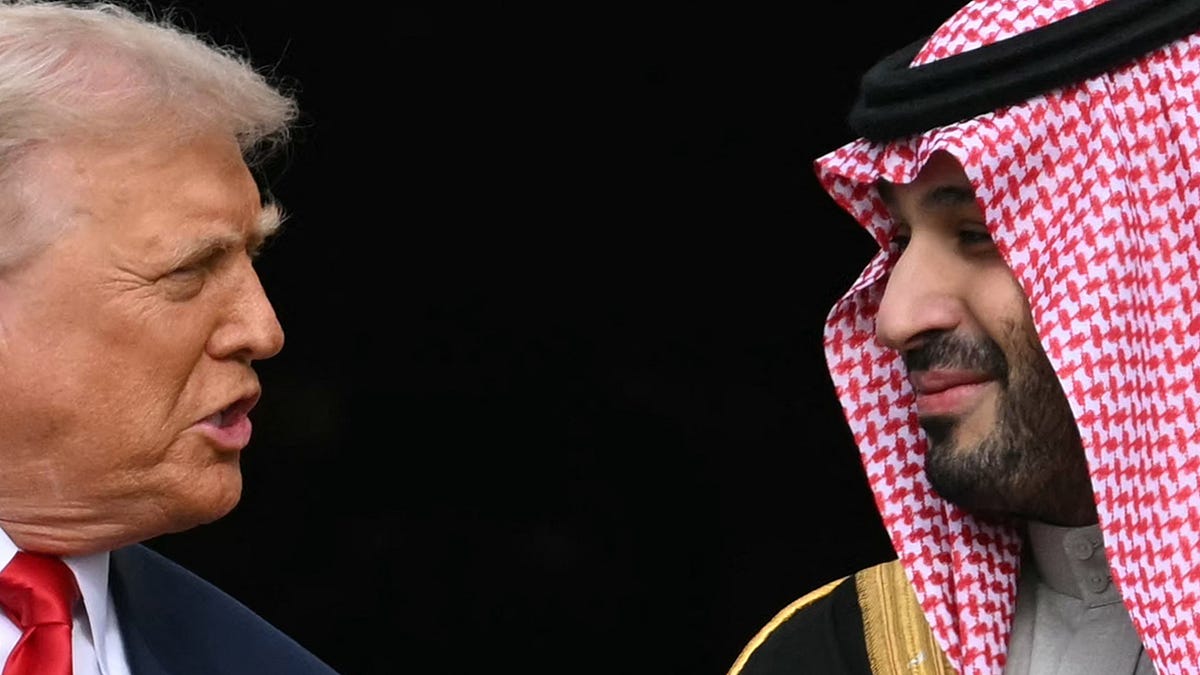
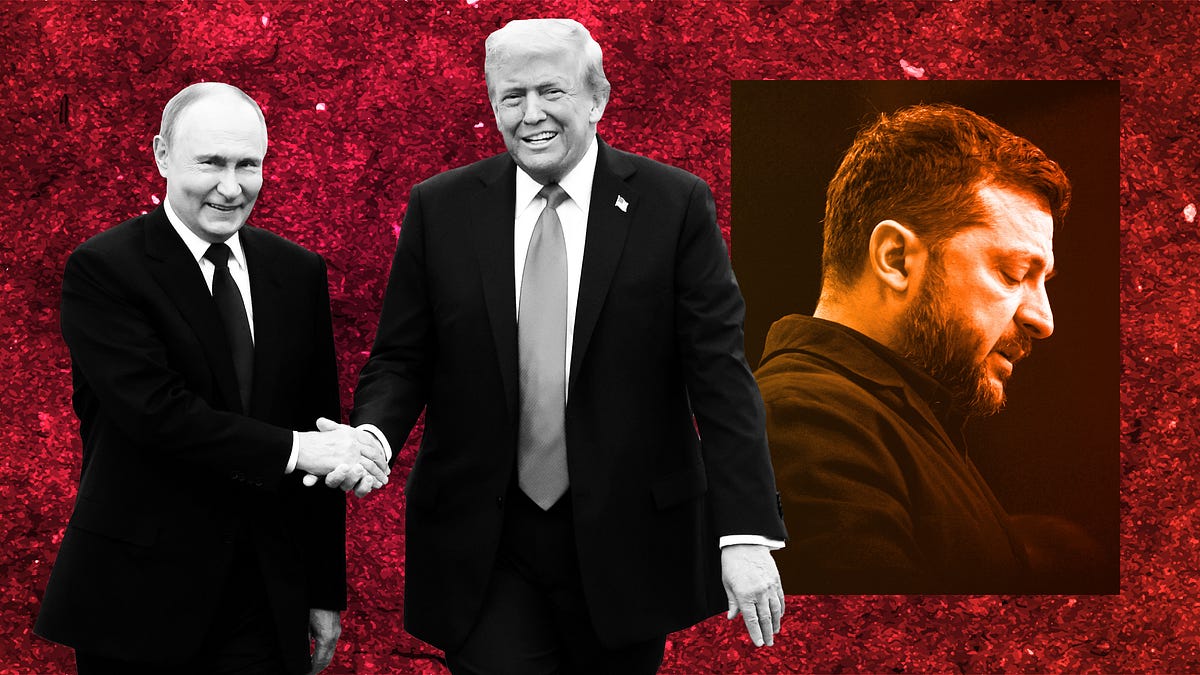
Now Saudi Arabia is desperate for backup, which is how we came to the extraordinary events involving Donald Trump.
asserted
we → come → Trump
On September 10, the day the Houthis finalized their capture of the port city of Mocha on the Red Sea coast, Saudi Crown Prince Mohammed bin Salman asked Donald Trump for American military help.
asserted
Salman → finalize → help
The president initially said no—twice.
asserted
president → say → ?
Then, a week later, after another direct phone call with MBS, Trump reportedly told the Pentagon to prepare strikes against the Houthis.
uncertain
Trump → tell → Houthis
According to the New York Times, target lists had been approved, and bombs were being loaded onto American aircraft when Trump changed his mind again and called off the operation.
uncertain
Trump → accord → operation
Whatever the reasons for the president’s change of mind, there remains a fundamental question: Why does Saudi Arabia need us to fight the Houthis in the first place?
asserted
us → remain → place
SAUDI ARABIA HAS ABOUT 35 million residents, enormous oil wealth, and one of the biggest defense budgets in the world.
asserted
ARABIA → have → world
Its air force has F-15s and Eurofighter Typhoons, its army has modern Abrams tanks and armored vehicles, attack helicopters, sophisticated air defenses, and precision weapons.
asserted
army → have → tanks
I was a commander at Fort Knox, Kentucky in 1994 when my neighbor, a Saudi Arabian colonel, was assigned there to oversee Saudi troops training on Abrams tanks.
asserted
neighbor → assign → tanks
Saudi Arabia also has a separate National Guard that itself represents a substantial ground force, also equipped with some of the best military equipment America and Europe would sell them.
asserted
America → have → them
But buying great equipment doesn’t necessarily give you a great military.
asserted
buying → buy → military
The Saudi armed forces have struggled for years to turn all the technology they’ve purchased into battlefield effectiveness.
asserted
they → struggle → effectiveness
When Saudi Arabia intervened in the Yemeni Civil War against the Houthis in 2015, it possessed overwhelming technological superiority.
asserted
it → intervene → superiority
Yet the Saudis became heavily dependent on airpower, as well as Yemen’s fractious ground forces, and never translated their materiel advantage into strategic success.
asserted
Saudis → become → success
Saudi Arabia’s campaign was based on overly optimistic assumptions about what airpower could accomplish with limited Saudi and Emirati ground forces.
uncertain
airpower → base → forces
A report by the Center for Strategic and International Studies found that they “exhibited only limited to moderate capability to cooperate and fight effectively when they went to war.”
asserted
they → find → war
The Saudi example is worth emphasizing because Americans sometimes confuse the size of a country’s weapons inventory with its military capability—a fallacy that led many to overestimate the Russian military before seeing the performance of its forces in Ukraine in 2022.
asserted
that → emphasize → 2022
Effective militaries integrate intelligence, logistics, maneuver, fires, maintenance, command and control, training, and leadership.
asserted
militaries → integrate → intelligence
Most importantly, they develop soldiers and commanders who can make all those pieces work together when people are shooting at them.
asserted
people → develop → them
Saudi Arabia has been good about buying the hardware of war, but considerably less successful at developing the human and operational capabilities required to use it effectively.
asserted
Arabia → buy → it
The Yemeni ground forces that the Saudis and their allies were supporting were, if anything, worse.
asserted
Saudis → support → that
Calling them the “Yemeni army” gives an impression of coherence that didn’t really exist—and still doesn’t.
asserted
that → call → coherence
They’re a collection of government troops, militias, tribal forces, separatists, and other armed groups with different leaders and loyalties.
asserted
They → ’re → leaders
Some are supported by Saudi Arabia, others by the United Arab Emirates, and many don’t even agree on what Yemen should eventually look like if they defeat the Houthis.
asserted
they → support → Houthis
The result is something that looks like an army on an organizational chart but often doesn’t behave like one on a battlefield.
asserted
that → look → battlefield
The latest Houthi offensive exposed their tactical weakness.
asserted
offensive → expose → weakness
At the same time, the Houthis have changed.
asserted
Houthis → change → time
They are often described in the media as an “Iran-backed Shia militia.”
asserted
They → describe → militia
That’s accurate, but it doesn’t go far enough.
asserted
it → ’ → ?
The Houthis, formally called Ansar Allah, emerged from the Zaydi Shia community of northern Yemen in the 1990s.
asserted
Houthis → call → 1990s
They remain rooted in Zaydism and closely connected to Iran.1
asserted
They → remain → Zaydism
…and 44 more, not listed.
 The Aporia