Will Eby's early election gamble pay off or backfire in B.C.?
asserted
gamble → pay → B.C.
Here's what history tells us
Move worked for some, including Eby's predecessor — but it's gone terribly for others
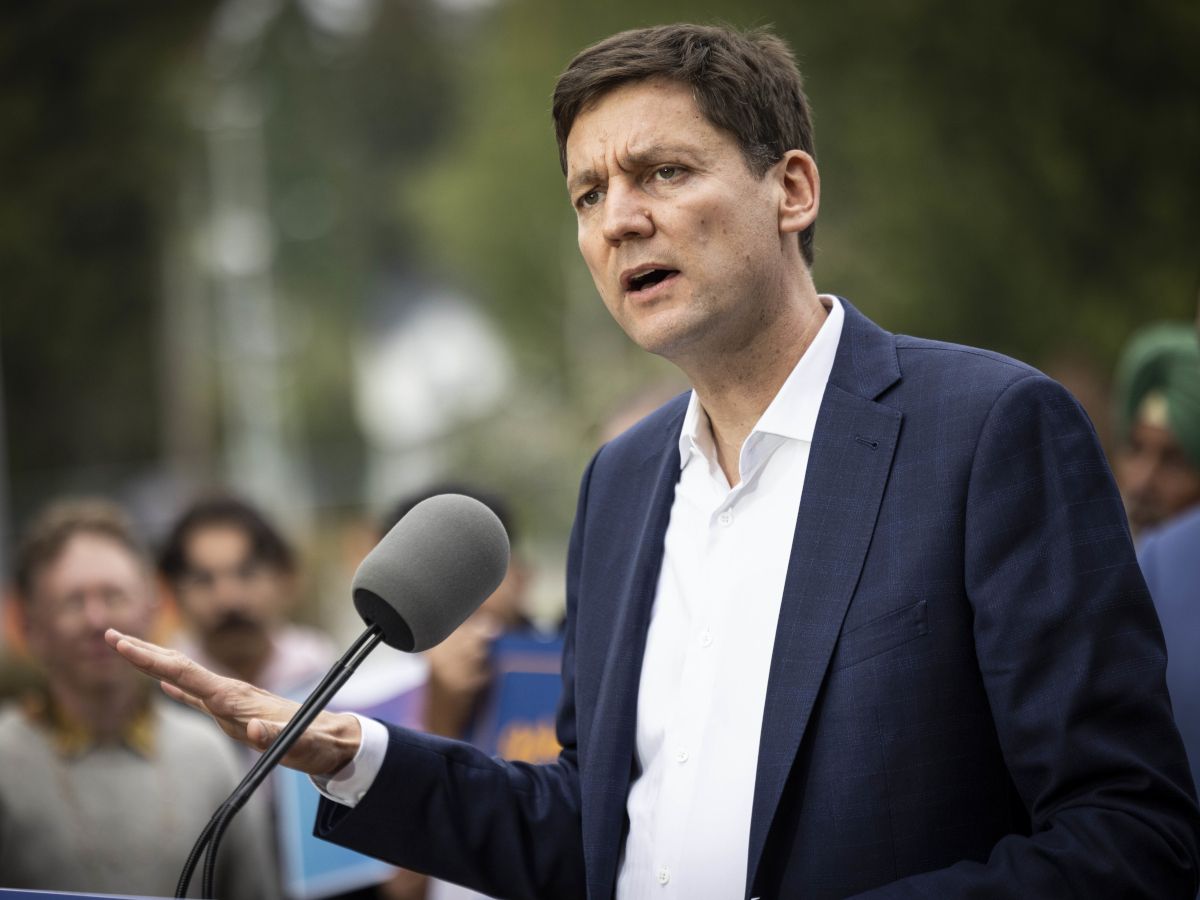
With the B.C. Conservatives in disarray, David Eby decided to roll the dice and call an election two years ahead of schedule in the hopes of extending his mandate.
asserted
Eby → tell → mandate
The NDP leader cited the "existential" threat of U.S. President Donald Trump as his reasoning for sending voters to the polls on Oct. 24.
asserted
leader → cite → Oct.
"We have big decisions to make as a province.
asserted
We → have → province
And British Columbians, you deserve a say in the direction that we choose," he said in a news conference on Tuesday.
asserted
he → deserve → Tuesday
But opposition parties criticized Eby's decision.
asserted
parties → criticize → decision
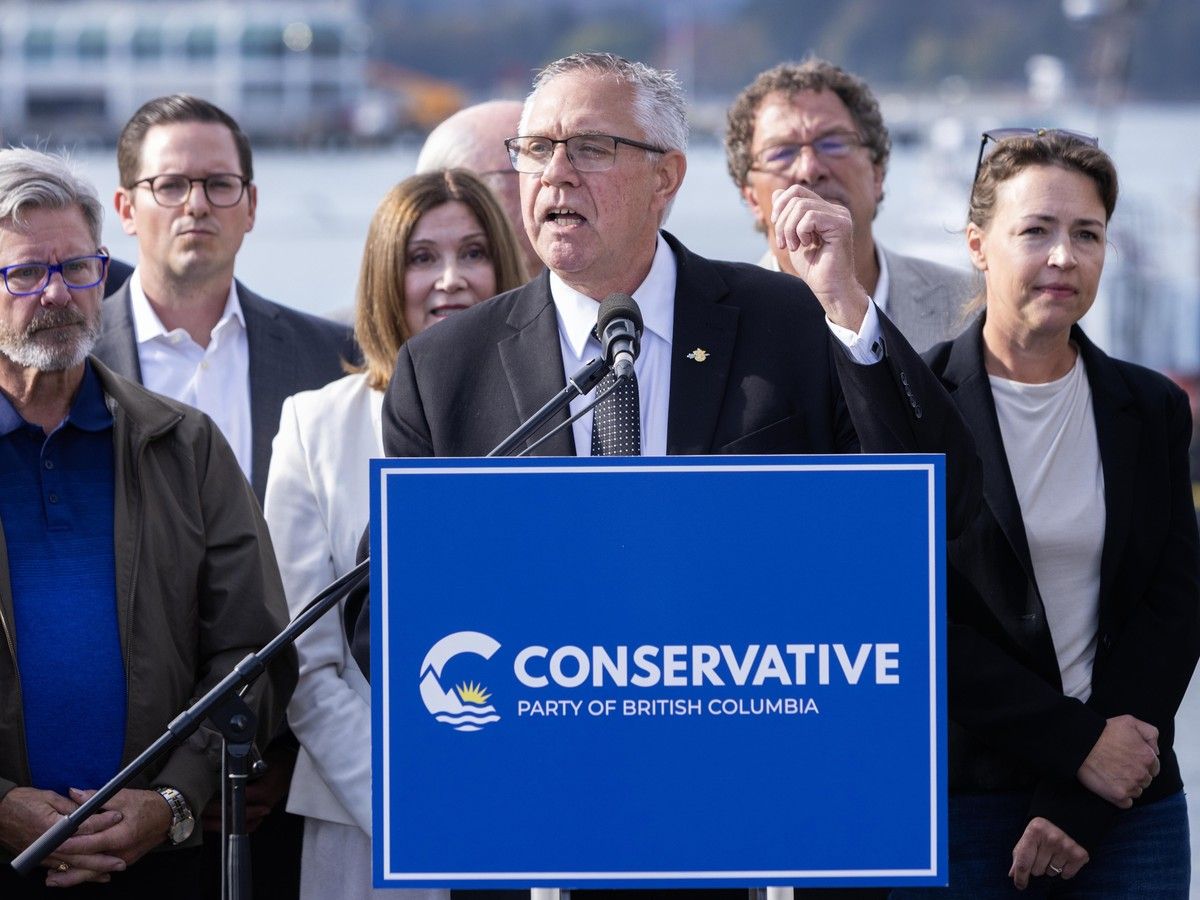
B.C. Conservative interim Leader Lorne Doerkson characterized it as a "cheap, opportunistic political move," while Green Party Leader Emily Lowan called it an unnecessary decision that would bring "yet more instability."
asserted
that → characterize → instability
On the whole, premiers and prime ministers have benefited from similar gambles in the past.
asserted
premiers → benefit → past
But for others, a decision to test the electorate ahead of schedule massively backfired.
asserted
decision → test → schedule
When making his decision, Eby might have been considering his predecessor John Horgan.
uncertain
Eby → make → predecessor
Horgan and the B.C. NDP formed a minority government — thanks to a supply and confidence agreement with the Greens — after the 2017 election.
asserted
Horgan → form → election
The then premier rode a wave of popularity from his government's handling of the pandemic to a majority in a snap election in the fall of 2020.
asserted
premier → ride → 2020
Horgan wasn't the only premier to gamble with an early election call at the height of the pandemic.
asserted
Horgan → gamble → pandemic
New Brunswick's Blaine Higgs took his Progressive Conservatives from a minority to a majority in the same year.
asserted
Higgs → take → year
Higgs touted the importance of stability when he pitched himself to voters only two years after becoming premier.
asserted
he → tout → voters
Ontario Premier Doug Ford called an early election using a similar line to Eby in 2025, saying he needed a strong mandate to address Trump and his tariff war.
asserted
he → call → Trump
Ford would win a historic third majority government, even though he called the election more than a year ahead of schedule.
asserted
he → win → schedule
Ford isn't the only premier to cite economic upheaval to call a snap election.
asserted
Ford → cite → election
Former Quebec premier Jean Charest cited the 2008 financial crisis as a reason for going to the polls just over a year after winning the 2007 election.
asserted
Charest → cite → election
The gamble paid off for Charest, whose Liberals went from a minority to a majority government.
asserted
Liberals → pay → government
Former prime minister Jean Chrétien twice called early elections during his tenure, but it was his second gamble that was seen as a major payoff.
asserted
that → call → payoff
Chrétien called a vote in 2000 when polls indicated the Liberals had a sizable lead in Ontario.
asserted
Liberals → call → Ontario
The Canadian Alliance, created out of the Reform Party in an effort to appeal to voters outside of Western Canada, had only selected Stockwell Day as its leader a few months before.
asserted
Alliance → create → leader
The Liberals would expand their majority government in the 2000 vote, winning 100 out of 103 seats in Ontario while making gains in Quebec.
asserted
Liberals → expand → Quebec
The Alliance only won two seats in Ontario.
asserted
Alliance → win → Ontario
Despite governing parties having the advantage of calling an election if they think they have a leg up on the opposition parties, there are examples of voters punishing politicians when they make such a move.
asserted
they → govern → move
Former Ontario premier David Peterson was riding high in the polls in 1990 when he decided to call a summertime election, only three years after winning a majority.
asserted
he → rid → majority
But his popularity hit a downward spiral during the campaign.
asserted
popularity → hit → campaign
Although Peterson's Liberals came only five points behind the NDP in the popular vote, Bob Rae won a majority government, becoming the province's first (and only) New Democrat premier.
asserted
Rae → come → government
Jim Prentice called an early vote when he was premier of Alberta in 2015.
asserted
he → call → 2015
Prentice had taken over leadership of the governing Progressive Conservatives less than a year earlier and cited a need for a new mandate to pass his budgetary changes.
asserted
Prentice → take → changes
But there was also speculation that Prentice had an incentive to go to the polls early with the Official Opposition Wildrose Party in a bit of disarray.
asserted
Prentice → be → disarray
Prentice had coaxed eight Wildrose MLAs — including Wildrose leader Danielle Smith, now premier — near the end of 2014.
asserted
Prentice → coax → 2014
Like in Ontario in 1990, the NDP took advantage of the early vote and formed a majority government.
asserted
NDP → take → government
The Wildrose became Official Opposition again and the PCs were relegated to third.
asserted
PCs → become → third
Quebec is in a bit of a unique position, having two different governments tossed out after two subsequent early election calls.
asserted
governments → have → calls
After securing a majority in 2008, Charest legally could have governed until late 2013.
uncertain
Charest → secure → 2013
(The province only passed a fixed election date law limiting votes to every four years in 2013.)
asserted
province → pass → 2013
But the then-premier decided to send voters to the polls in the summer of 2012 on the heels of an emotional and divisive student tuition protests that shook the province that spring.
asserted
that → decide → province
Pauline Marois and the Parti Québécois won a minority government, beating Charest's Liberals by just four seats.
Less than two years later, Marois called another election with her eyes set on a majority.
asserted
eyes → win → majority
…and 13 more, not listed.
 The Aporia