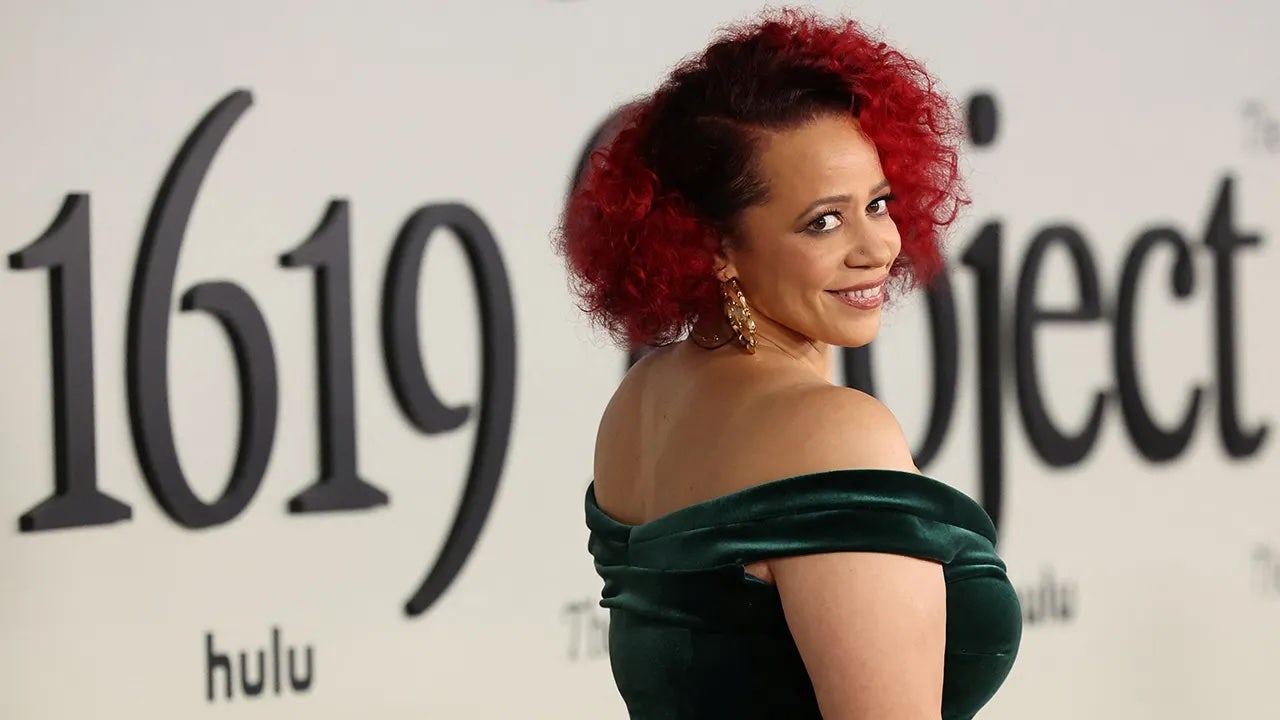
Nikole Hannah-Jones, founder of the 1619 Project and winner of the 2020 Pulitzer Prize for commentary, has written a blockbuster piece, "In Fighting for Every Black Child, Did I Betray My Own?" on the reality of sending her daughter Najya to failing schools in New York City.
asserted
I → write → City
Hannah-Jones, a domestic correspondent for The New York Times Magazine covering racial injustice and civil rights, had tried to live out her progressive values and sent her child to the local, deficient public school.
asserted
Jones → cover → school
Writing in 2016 for the magazine, she noted that her neighbors in the quickly gentrifying neighborhood of Bedford-Stuyvesant were opting out of the local school.
asserted
neighbors → write → school
"I didn’t know any of our middle-class neighbors, black or white, who sent their children to one of these schools," Hannah-Jones shared.
asserted
Jones → know → schools
Hannah-Jones did.
asserted
Jones → do → ?
Now, ten years later, Hannah-Jones’s latest piece shows that her project had been a failure, at the cost of her child’s education.
asserted
project → show → education
It’s a difficult read.
asserted
It → ’ → ?
Hannah-Jones wanted to live out her values, especially the belief that children should go to their local school and that school choice is unacceptable.
asserted
choice → want → school
But those ideas failed when they hit reality, and Hannah-Jones spent nearly a decade coming to accept that.
asserted
Jones → fail → that
The column illustrates the struggles her daughter had at her elementary school, where teachers were disinterested and bad behavior went unpunished, and then in middle school, where homework went unchecked and standards were low.
asserted
standards → illustrate → school
Hannah-Jones believed that through her force of will, and her prominent position, which she mentions several times in the piece, she and her husband could improve these schools.
uncertain
she → believe → schools
What she’s missing is that it was her own misconceptions and bad ideas that got these schools into a bad position in the first place.
asserted
that → miss → place
In 2018, Hannah-Jones gave a keynote address at the Color of Education event, an annual summit in North Carolina "dedicated to achieving racial equity and eliminating racial disparities in the education system."
asserted
Jones → give → system
She spoke about how terrible it was that White kids in North Carolina were choosing charter schools instead of public schools in places "like Wake County that for years was a model of integration.
asserted
that → speak → integration
But when a Black student in the audience asked Hannah-Jones for guidance on "navigating the predominantly white colleges and universities to which she has applied," Hannah-Jones was quick to respond that she should go to Howard University, a historically Black college or university (HBCU) because, well, integration is bad.
asserted
integration → ask → University
Hannah-Jones ended that talk with this line: "The future of our children and the nation depends on progressives winning the fight to reclaim public schools."
asserted
progressives → end → schools
Well, progressives reclaimed public schools in New York City.
asserted
progressives → reclaim → City
There’s no way to look at New York City schools as anything but the testing ground for the exact policies Hannah-Jones would want.
asserted
Jones → ’ → policies
Progressive Mayor Bill de Blasio removed "screens" — competitive benchmarks such as attendance, grades and test scores for middle school admissions — during COVID-19, and the practice was maintained by the next mayor, Eric Adams.
asserted
practice → remove → mayor
The schools are heavily influenced by teachers’ unions.
asserted
schools → influence → unions
Hannah-Jones opposes gifted and talented programs, and they have been severely reduced, no longer using entrance tests.
asserted
they → oppose → tests
New York City public schools also follow the practices that Hannah-Jones would want regarding kids with behavioral issues.
asserted
Jones → follow → issues
And, with New York’s longtime cap on charter schools, most kids are trapped there with no other options.
asserted
kids → trap → options
But Hannah-Jones never accounts for her own bad ideas and how they fail in real life.
asserted
they → account → life
When her daughter fails the state algebra test, it’s because standardized tests are unfair.
asserted
tests → fail → test
She never once mentions teachers’ unions as the culprits behind why atrocious teachers and administrators remain at these schools, unable to be fired.
asserted
teachers → mention → schools
When school choice is mentioned at all, it’s presented as the reason the middle school that was unsuccessful in teaching her very capable daughter was failing.
asserted
that → mention → daughter
When Hannah-Jones confronts her daughter’s middle school principal with the reality that her daughter didn’t get enough from her education, the principal, in tears, responded, "None of this surprises me.
asserted
None → confront → me
This is the reality of a segregated system, and it’s not just segregation by race and class, it’s by ability.
asserted
it → ’ → ability
Yes, that’s the reality of school-choice systems, or it should be: Children who are capable and want to learn, and whose families make education a top priority, should be able to escape the kids who don’t want to be there and want to slow education down for everyone.
asserted
who → ’ → everyone
In her article for the New York Times, Hannah-Jones spends a lot of time on demographics and household income, but there is an entire network of charter schools in New York, called Success Academy, that produces far better results than public schools while serving student bodies of similar means.
asserted
that → spend → means
At one point, Hannah-Jones visted her child’s elementary school lunchroom and found it to be pandemonium.
asserted
it → viste → lunchroom
She writes, "It was not the children that horrified me — kids of all incomes are rambunctious at lunchtime.
asserted
kids → write → lunchtime
Students respond to the high or low expectations of institutions and the grown-ups who operate them, and it was clear that these children were getting the message."
But somehow these expectations are not acceptable to have in the classroom.
asserted
expectations → respond → classroom
Hannah-Jones described unruly kids being constantly "redirected" as "good educational practice. …
asserted
kids → describe → practice
Schools like hers tend to rely on a zero-tolerance disciplinary playbook and often simply remove misbehaving students from classrooms, depriving them of precious educational time they cannot afford to miss.
asserted
they → tend → time
But at Unison, teachers constantly worked to refocus students and mitigate conflict.
asserted
teachers → work → conflict
This is good educational practice, but kids like Najya, who were just trying to do their work, saw this treatment as deeply unfair."
It’s not just unfair; it is actually bad educational practice to let a misbehaving child distract the teacher again and again.
asserted
child → try → teacher
It’s bad educational practice to allow one child to set an example that bad behavior will be met with no discipline.
asserted
behavior → ’ → discipline
It’s bad educational practice to allow the good students to compete for the teacher’s attention with a student who shouldn’t be in the classroom.
asserted
who → ’ → classroom
…and 8 more, not listed.
 The Aporia