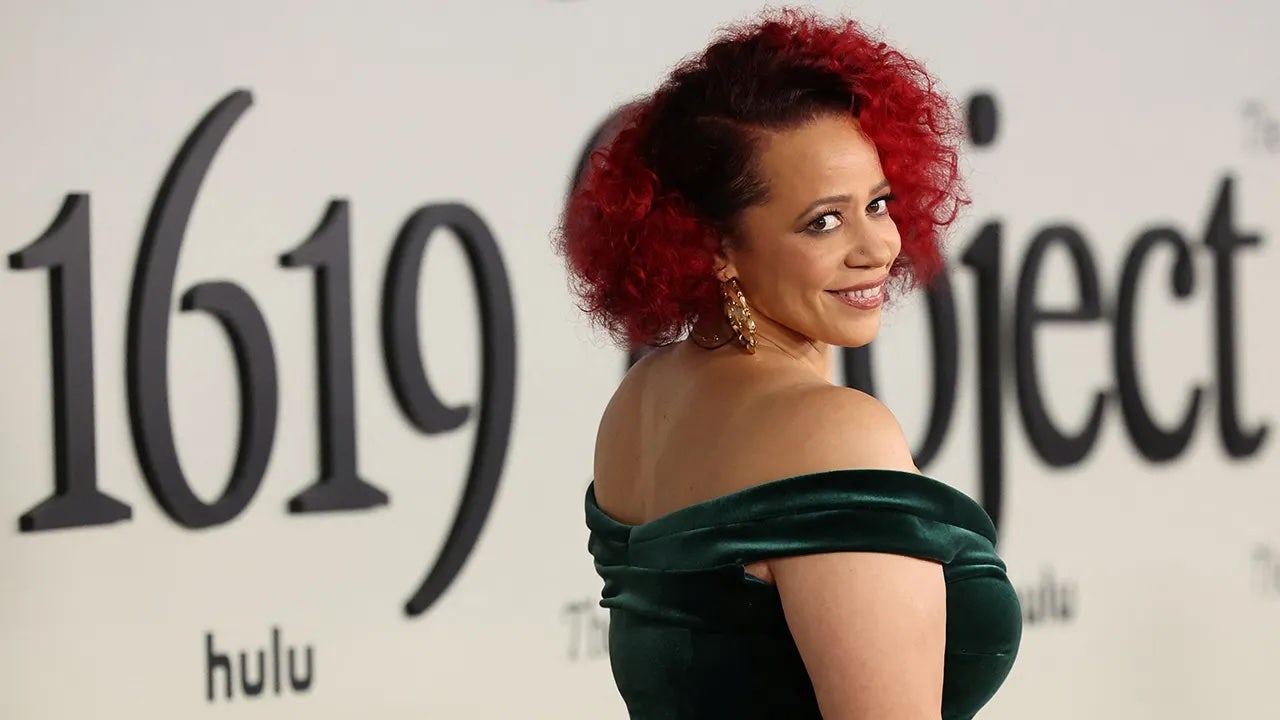
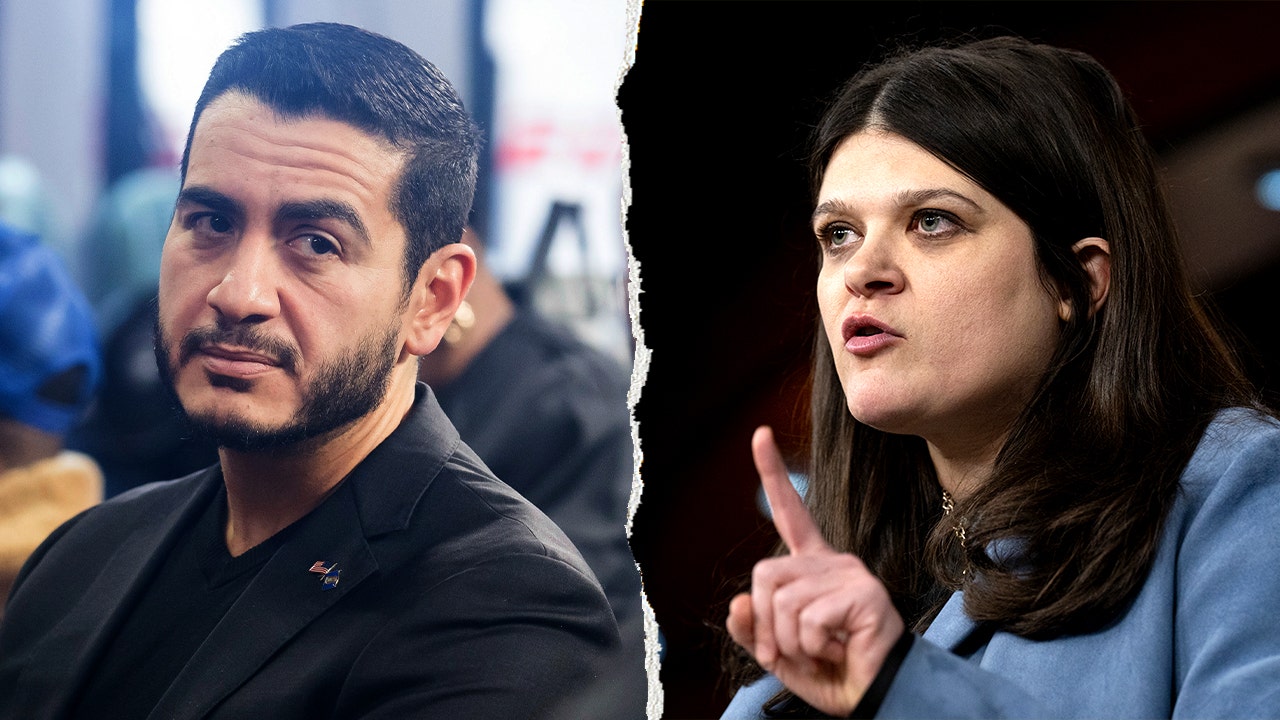
Photo via Fox News

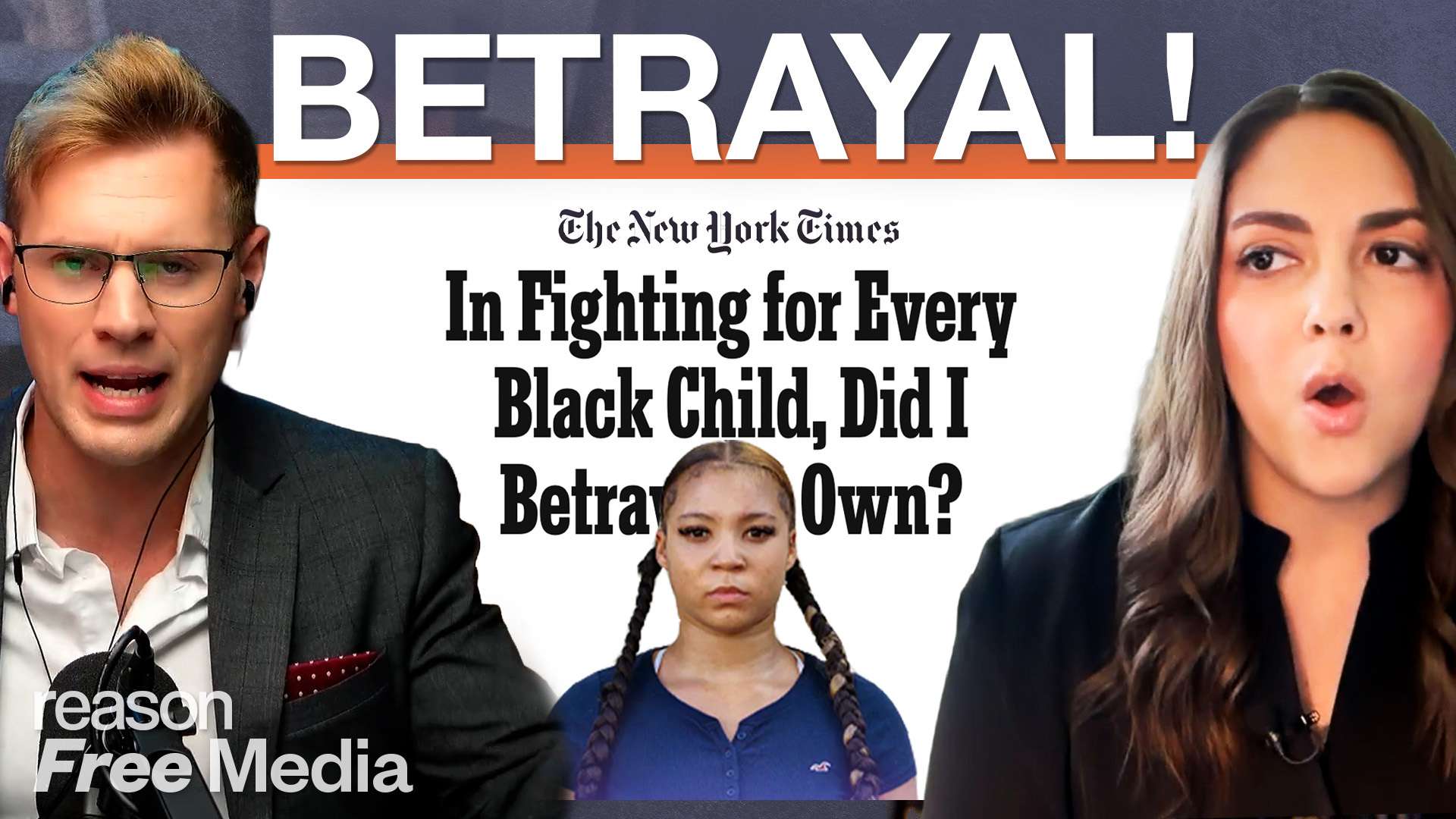
1619 Project founder regrets school choice for her daughter, admits putting ideals ahead of her education

Read the original at Fox News ↗
Cite

Womack, C. (2026, September 20). 1619 Project founder regrets school choice for her daughter, admits putting ideals ahead of her education. Fox News. https://www.foxnews.com/media/1619-project-founder-regrets-school-choice-her-daughter-admits-putting-ideals-ahead-her-education

Dated when The Aporia collected the article, usually within hours of publication. Check the original for its exact date and byline.

Fox News · collected 2026-09-20 · by CJ Womack

Quick Summary

Nikole Hannah-Jones, creator of the 1619 Project and a New York Times Magazine reporter, expressed regret over her decision to send her daughter to predominantly Black, high-poverty public schools in Brooklyn. Writing about this change of heart in a recent essay, Hannah-Jones acknowledges that her daughter did not receive the education she deserved despite her initial intentions to challenge school segregation. This admission comes as Hannah-Jones faces criticism for prioritizing ideological concerns over her child's educational needs, a stance mirrored by school choice advocate Corey DeAngelis who emphasizes the importance of parents choosing schools based on their children’s individual requirements rather than broader social ideals.
Written by AI on 2026-09-21, from this article's own text only (the story summary below draws on all the coverage).

AI analysis

Story summary

Nikole Hannah-Jones, creator of the New York Times' 1619 Project, recently admitted regret over sending her daughter to underperforming public schools in Brooklyn instead of better-performing ones. In a piece for The New York Times Magazine, she explained that a decade ago she believed sending her daughter Najya to these schools would improve conditions there using her resources and influence. However, the quality of education failed to meet expectations, leading Hannah-Jones to eventually acknowledge error after Najya confronted her about the poor educational environment. Critics argue this decision prioritized ideological goals over her child's academic needs, while supporters see it as an attempt to address systemic inequalities in education through personal sacrifice. Despite the admitted failure, some suggest expanding school choice options could better help disadvantaged students. Hannah-Jones' story highlights ongoing debates around educational equity and parental responsibility.

Written for “Nikole Hannah-Jones School Choice Con…” on 2026-11-05, grounded in this article and the 10 other(s) covering the same event.

Story

📰 Nikole Hannah-Jones School Choice Con…
Education · 11 article(s) covering the same event. Compare every outlet's account →

Compared with similar articles

This article reads unscored and hedges 7% of its claims. Each row says how that neighbour differs.
New York Post
⚖️ Leans strongly right Hedges 3 of 24 claims Outlet record 66/100
Reason
Hedges 0 of 2 claims Outlet record 67/100
Fox News
Hedges 3 of 48 claims Outlet record 68/100
New York Post
⚖️ Leans strongly right Hedges 3 of 15 claims Outlet record 66/100
Reason
⚖️ Leans right Hedges 10 of 80 claims Outlet record 67/100
New York Post
⚖️ Leans strongly right Hedges 1 of 34 claims Outlet record 66/100
New York Post
⚖️ Leans strongly right Hedges 6 of 19 claims Outlet record 66/100
New York Post
Hedges 2 of 32 claims Outlet record 66/100
“Article A describes Nikole Hannah-Jones' reflection on her decision to send her daughter to a predominantly Black school, while Article B critiques that decision and discusses its aftermath.”
The Dispatch
Hedges 0 of 4 claims Outlet record 61/100
“Article A describes Nikole Hannah-Jones regretting her decision to send her daughter to a predominantly Black public school, while Article B discusses her essay about educational choices but does not specify it as the same specific event.”
How this article was measured signals, leaning charts, publisher record, byline, topics and claims

Signals How these are calculated →

Claims extracted
45
sentences that state something as happening or true
Uncertain
7%
3 of 45 hedged ("reportedly", "may", "according to")
Leaning
withheld
no quote in the article backed the model's score
Publisher signals
68/100
Fox News's corrections and hedging, across everything collected from it. Not a measure of accuracy.
Outlets on this story
11
Education
Same framing elsewhere
1
articles that frame the event the way this one does
Analyzed 2026-09-21 · how these are computed

How this is being covered How these are calculated →

Article leaning vs. publisher reliability
Source leaning vs. consistency

Publisher

Fox News · 6649 article(s) · 13 correction(s) detected
Running correction rate · 13 correction(s)

Who wrote this

CJ Womack
49 article(s) here · 1 carrying a prediction
🔮 We won on affordability, and now it's our job to govern on affordability." Many progressives want Democrats, now that they will have majorities in the House and Senate, to launch investigations into President Donald Trump, his family and government officials.
🔮 Carville said Stevens' endorsement of Rogers would leave her without support from either party, using a vulgar comparison to describe how he believed Republicans and Democrats viewed her.
🔮 "SNL's ill-informed viewers are unlikely to know the actual meaning of the word, and that it's more applicable to how many Arabs view whether Israel should be allowed to exist." Houck argued that the segment could instead have highlighted Arab participation in Israel's election to challenge accusations of genocide.
🔮 Stevens, who narrowly lost in the Democratic primary to El-Sayed, has been critical of his unwillingness to condemn the overt antisemitism of some of his supporters.
🔮 Nataliya, a mother whose children go to school in the Philadelphia metro area, told Fox News Digital that it was important to her that her children grew up in a place where they could feel safe being openly Jewish.
🔮 Socialist Angie is a radical lunatic who will never step foot on the Senate floor.
🔮 "I feel a heavy sadness, not only over the pain I caused, but also for the fact that something so sacred to a group of religious leaders, prayer to our Heavenly Father, would be manipulated in that way," he said.
🔮 Beshear, discussing potential Democratic presidential contenders, argued that governors could point to tangible accomplishments that would distinguish them from President Donald Trump.
🔮 Welker pressed Rogers on his own 2012 remarks, displaying a past quote where he said the U.S. would have to "reach out to and talk to" moderate members of the Muslim Brotherhood and asking whether he acknowledged having once been willing to engage with them.
🔮 "Maybe he can bust out the kippah from his dress up trunk," the message said.
Also by CJ Womack
Nothing else under this byline is closely related to this article, so these are simply their most recent.
All 49 articles by CJ Womack →

Topics

1619 Project Black Brooklyn Fox News Digital New York Times Magazine

Subjects

Hannah-Jones PERSON · 9× Najya PERSON · 9× Black NORP · 3× New York Times Magazine ORG · 3× Nikole Hannah-Jones PERSON · 3× Brooklyn GPE · 2× Fox News Digital ORG · 2× Hannah-Jones' PERSON · 2× 1619 Project ORG · 1× New York GPE · 1×

Narrative

New York Times Magazine reporter and creator of the controversial 1619 Project, Nikole Hannah-Jones, acknowledged Sunday that she regretted aspects of the decision to send her daughter to predominantly Black, high-poverty public schools in Brooklyn, New York, after the now-16-year-old told her she did not receive the education she wanted — a decade after Hannah-Jones described the choice as an effort to challenge school segregation.
framing: assertive · carried by 1 article(s) · first seen 2026-09-21
🔮 In a newly released New York Times Magazine essay, Hannah-Jones described revisiting years of emails with her daughter Najya’s teachers and principals and confronting what she called a truth she could no longer suppress.

Claims (45 extracted, 3 hedged)

New York Times Magazine reporter and creator of the controversial 1619 Project, Nikole Hannah-Jones, acknowledged Sunday that she regretted aspects of the decision to send her daughter to predominantly Black, high-poverty public schools in Brooklyn, New York, after the now-16-year-old told her she did not receive the education she wanted — a decade after Hannah-Jones described the choice as an effort to challenge school segregation. asserted
Jones → acknowledge → segregation
In a newly released New York Times Magazine essay, Hannah-Jones described revisiting years of emails with her daughter Najya’s teachers and principals and confronting what she called a truth she could no longer suppress. uncertain
she → release → what
"Now I felt overcome with regret. asserted
I → overcome → regret
Najya deserved better," Hannah-Jones said. asserted
Jones → deserve → ?
"They all did. asserted
They → do → ?
This girl, my only child, looked to me to protect her, to give her what she needed to thrive. asserted
she → look → what
And I had not chosen her." asserted
I → choose → her
Hannah-Jones told Fox News Digital on Sunday that the broader focus should remain on families who lack the resources to pursue better educational options for their children. asserted
who → tell → children
"I hope people concerned about the choice my husband and I made for our daughter will have equal or more outrage for the thousands of Black children whose parents don’t have the resources to send them to better schools," she said. asserted
she → hope → schools
"As I write in the piece, there is no absolution to be had for any of us." asserted
I → write → us
Corey DeAngelis, a research fellow at The Heritage Foundation and longtime school choice advocate, responded to Hannah-Jones' essay in a statement to Fox News Digital, arguing parents should prioritize their children's individual educational needs. " asserted
parents → respond → needs
Parents should put their children first. asserted
Parents → put → children
They should not sacrifice them to a failing government school system in the name of ideology," DeAngelis said. asserted
DeAngelis → sacrifice → ideology
"Nikole Hannah-Jones now says she regrets putting her ideals ahead of her daughter’s education. asserted
she → say → education
" "I welcome Nikole Hannah-Jones to the school choice revolution," he continued. asserted
he → welcome → revolution
"Maybe she will start to understand that pulling her daughter from the failing school system would have done more to improve those schools — through competition — than the status quo ever did. asserted
quo → start → competition
You don’t fix public schools by locking kids in them without any accountability. asserted
You → fix → accountability
You fix them by giving them a reason to change their ways." Hannah-Jones said the realization culminated in a conversation with Najya as she was writing the essay. asserted
she → fix → essay
She apologized to her daughter after reviewing problems that had followed her through elementary and middle school. asserted
that → apologize → school
"I feel like you got cheated," Hannah-Jones said. asserted
Jones → feel → ?
"And I’m sorry for that." asserted
I → ’m → that
Najya responded by telling her mother that she wished her own education had received greater consideration alongside Hannah-Jones' broader concerns about educational inequality. asserted
education → respond → inequality
"Sometimes I wish instead of always thinking about other kids, you would have thought about me. asserted
you → wish → me
I never really got the education I wanted," Najya said. asserted
Najya → get → education
Hannah-Jones’ assessment marked a shift from the position she described in a widely discussed 2016 New York Times Magazine essay, when she explained why she and her husband enrolled Najya at P.S. 307, a Brooklyn school that was then overwhelmingly Black and Latino and served a largely low-income population. asserted
that → mark → population
Hannah-Jones said at the time she believed middle-class families could help improve segregated schools by enrolling their children and investing in them. uncertain
families → say → them
"I worried — I worry still — about whether I made the right decision for our little girl. asserted
I → worry → girl
But I knew I made the just one," Hannah-Jones said in 2016. asserted
Jones → know → 2016
The new essay detailed academic problems that became more apparent as Najya grew older. asserted
Najya → detail → problems
At Unison, her middle school, Najya earned strong grades and took honors courses, but later said she and her friends realized that they were not being sufficiently challenged. asserted
they → earn → courses
Hannah-Jones described limited homework, inexperienced teachers and gaps in her daughter's math preparation that became especially apparent after Najya entered a more academically demanding high school. asserted
Najya → describe → school
Unison Principal Emily Paige acknowledged in the essay that some attempts to accommodate students who entered the school academically behind had unintended consequences, including the decision to eliminate homework. asserted
who → acknowledge → homework
"It is important to not, in our pursuit of being antiracist, lower expectations," Paige said. asserted
Paige → lower → expectations
"Because this is what happens, right? asserted
what → happen → ?
It’s racism under the guise of antiracism." asserted
It → ’ → antiracism
DeAngelis told Fox News Digital that Hannah-Jones’ experience should lead her to support policies allowing education funding to follow children to schools selected by their families. asserted
funding → tell → families
"Hannah-Jones can afford better options. asserted
Jones → afford → options
Most families cannot," DeAngelis said. asserted
DeAngelis → say → ?
"She should fight for the funding to follow the student so more parents have the same educational opportunities she can buy for herself. asserted
she → fight → herself
School choice is an equalizer." The debate comes as school choice remains an active issue in New York. asserted
choice → come → York
…and 5 more, not listed.

💬Give feedback · no sign-in needed

No sign-in needed for now. Your note is sent without a name, so it cannot be answered.

🕘History 🎫Support