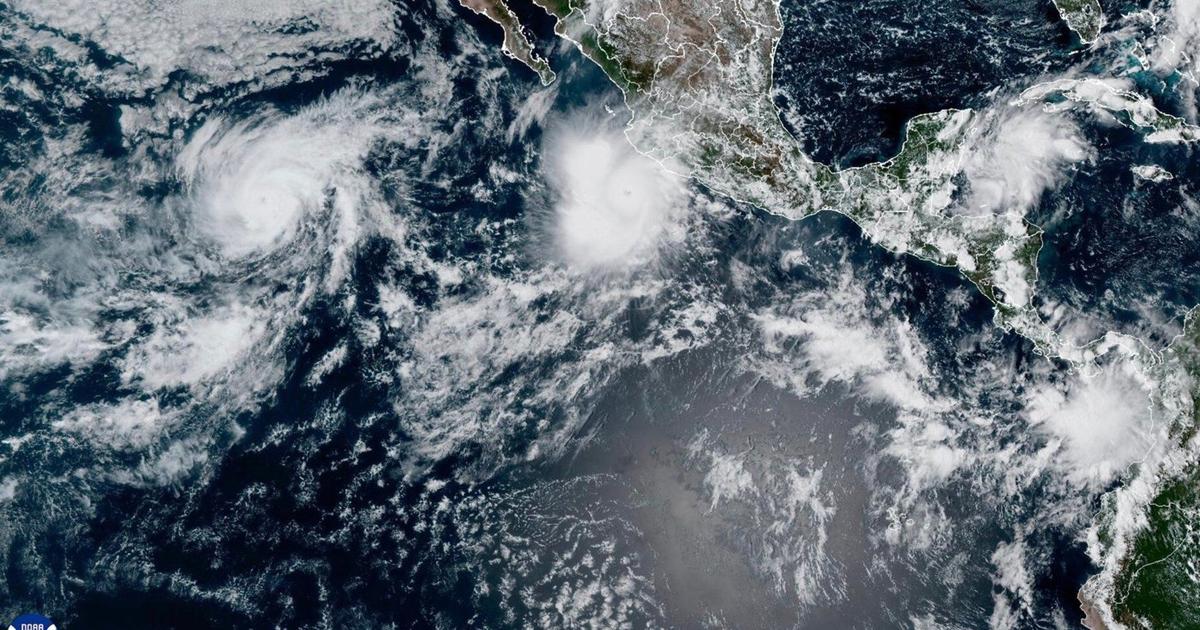
The Pacific is churning with hurricanes.
asserted
Pacific → churn → hurricanes
The Pacific Ocean has seen 18 hurricanes so far and 41 named storms overall, which are unusually high numbers for this point in the season.
asserted
which → see → season
The Atlantic Ocean is experiencing the exact opposite.
asserted
Ocean → experience → opposite
For the first time in over 100 years, no full-blown hurricanes have formed in the Atlantic as of September 25.
asserted
hurricanes → form → September
Only seven named storms have formed, all of which were less-intense tropical storms.
asserted
all → name → which
"It's a tale of two basins," says Gabriel Vecchi, a professor of geosciences at Princeton University.
asserted
Vecchi → say → University
Scientists say this is likely due to a powerful El Niño climate pattern.
asserted
this → say → pattern
This natural pattern, which occurs every few years, tends to suppress hurricanes in the Atlantic while fueling more storms in the Pacific.
asserted
which → occur → Pacific
Hawaii is one place bearing the brunt of this shift.
asserted
Hawaii → bear → shift
Hurricane Nolo is expected to bring heavy rainfall and potential flooding to Hawaii this weekend, according to the National Hurricane Center.
uncertain
Nolo → expect → Center
It's the third hurricane to threaten the islands this year, following Hurricane Lala in August and Hurricane Lowell in early September.
asserted
It → threaten → September
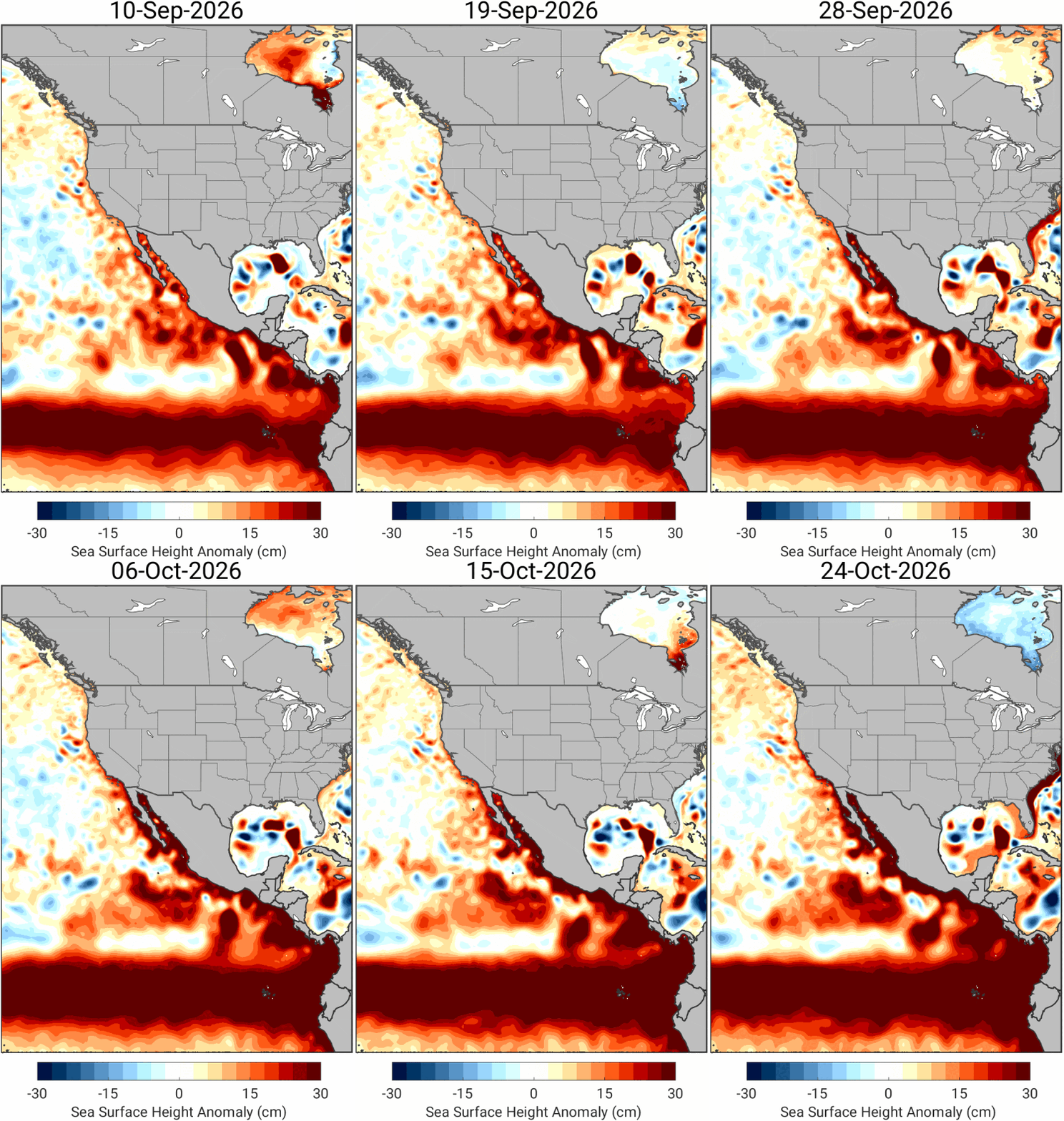
Climate scientists point to this year's record-breaking El Niño.
asserted
scientists → point → Niño
El Niño happens when water temperatures increase in the Pacific Ocean, near the equator.
asserted
temperatures → happen → equator
That warmer water provides fuel for hurricanes, driving bigger and more powerful storms.
asserted
water → provide → storms
That means when a storm forms, it's more likely to reach hurricane strength.
asserted
it → mean → strength
It also affects weather patterns around the globe.
asserted
It → affect → globe
In the North Atlantic, El Niño tends to increase wind shear, making it more difficult for hurricanes to form by tearing storms apart.
asserted
hurricanes → tend → storms
Pacific water temperatures are already hitting record highs, even though the phenomenon won't reach its peak until later this year.
asserted
phenomenon → hit → year
"We are headed toward what will almost certainly be the strongest El Niño on record," says Brian McNoldy, a senior research associate at the University of Miami.
asserted
McNoldy → head → Miami
"It has exceeded expectations," in both the Pacific and the Atlantic, he says.
asserted
he → exceed → Pacific
Warmer waters can also fuel more rapid intensification once storms form.
asserted
storms → fuel → intensification
On Tuesday, Hurricane Polo, off Mexico's Pacific coast, strengthened from a tropical storm to a Category 5 hurricane in less than 24 hours.
asserted
Polo → strengthen → hours
Vecchi describes the intensification of Polo as "astounding.
asserted
Vecchi → describe → Polo
"
Such rapid intensification can make storms more dangerous, in part by limiting the time people have to prepare.
asserted
people → make → time
Scientists are still trying to understand why some El Niño events are stronger than others.
asserted
events → try → others
Some recent studies suggest climate change may be driving stronger El Niño events.
uncertain
change → suggest → events
That science remains uncertain, Vecchi says, but the potential impacts of El Niño are well-understood.
El Niño generally raises temperatures globally and can make some areas around the world wetter and others drier.
In the immediate future, Paul Roundy, a professor of atmospheric science at the University at Albany, says he's watching for more storms to impact Hawaii along with droughts and fires in Central America.
asserted
storms → remain → America
El Niño could also bring a wetter winter for parts of the Southwestern U.S., where drought has persisted.
uncertain
drought → bring → U.S.
But this could also increase the risk of floods.
uncertain
this → increase → floods
These impacts from El Niño come on top of warming driven by human-caused climate change, which is already increasing the likelihood of extreme weather around the world.
asserted
which → come → world
"You can think of climate change as always acting in the background of basically everything we're experiencing in the ocean, in the atmosphere," McNoldy says.
asserted
McNoldy → think → atmosphere
"So it tips the scales."
asserted
it → tip → scales
 The Aporia