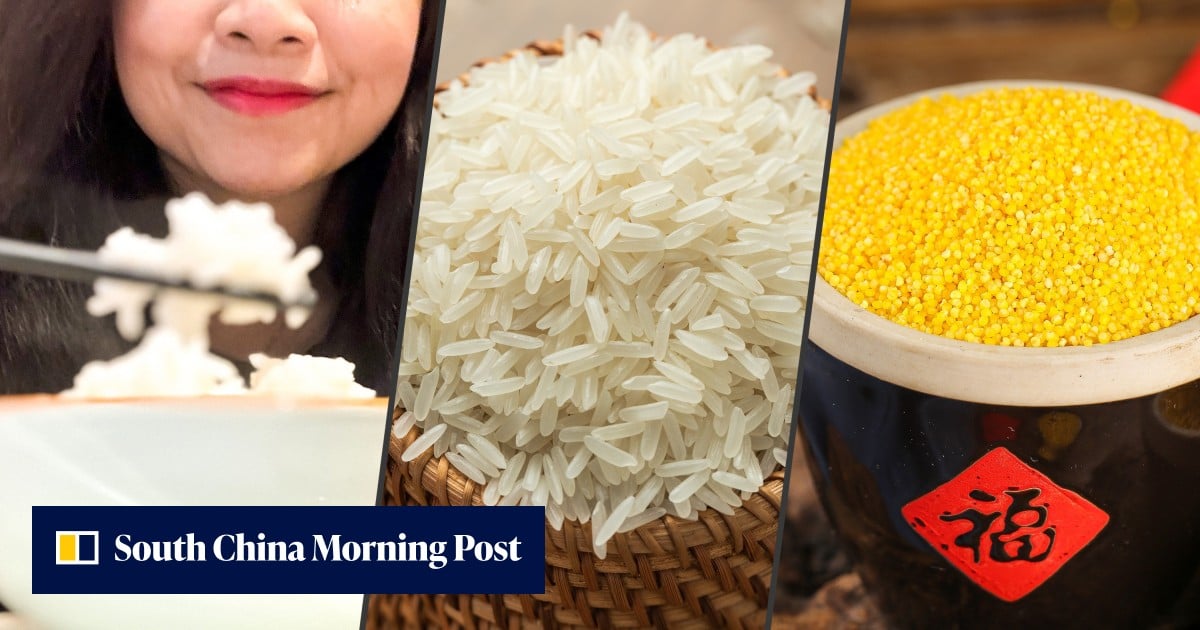
Photo via South China Morning Post

The other crop that built China: how millet became foundation for Chinese civilisation

Read the original at South China Morning Post ↗
Cite

McSpadden, K. (2026, September 27). The other crop that built China: how millet became foundation for Chinese civilisation. South China Morning Post. https://www.scmp.com/news/people-culture/trending-china/article/3368942/other-crop-built-china-how-millet-became-foundation-chinese-civilisation?utm_source=rss_feed

Dated when The Aporia collected the article, usually within hours of publication. Check the original for its exact date and byline.

South China Morning Post · collected 2026-09-27 · by Kevin McSpadden

Quick Summary

The article discusses the historical significance of millet in northern China, where it played a crucial role before rice became dominant. Unlike rice, which is widely consumed across Asia, millet was central to Chinese civilization's development in certain regions and helped establish early agricultural societies. The text highlights how millet’s cultivation transformed landscapes and allowed ancient humans to control their food supply more effectively than they could with wild crops.
Written by AI on 2026-09-27, from this article's own text only (the story summary below draws on all the coverage).

AI analysis

Story summary

For much of Chinese history, millet was a major cereal grain that dominated northern China, playing a crucial role in the development of early Chinese civilization alongside rice's dominance in the south. Although less prominent today, millet once supported entire cultures and was favored for its nutritional benefits, especially for pregnant women. Domestication of millet around 10,000 years ago marked one of humanity’s pivotal agricultural advancements, enabling humans to cultivate crops rather than relying solely on wild plants. This shift fundamentally altered natural landscapes and paved the way for settled societies in China.
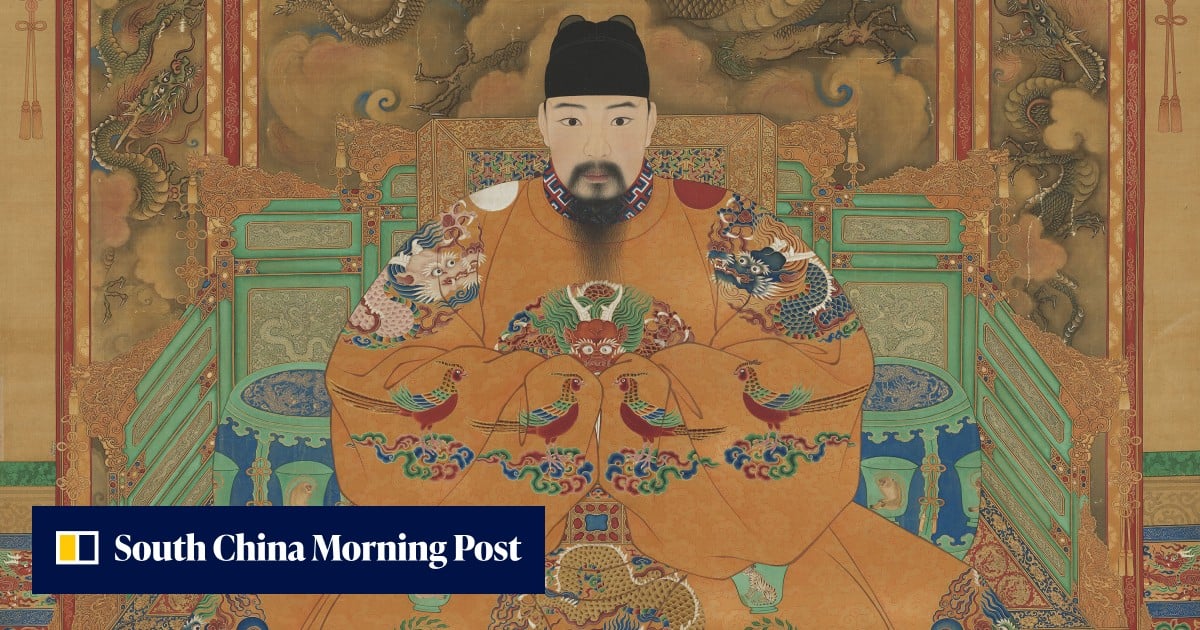
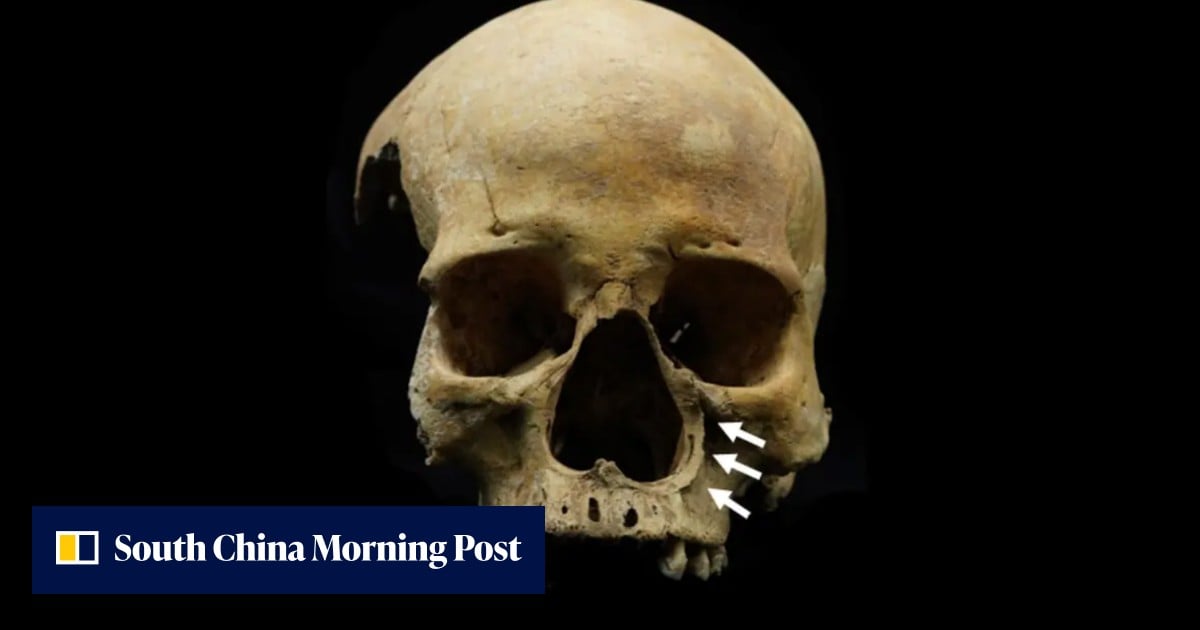
Written for “Millet In Chinese Civilization” on 2026-11-04, grounded in this article and the 0 other(s) covering the same event.

Story

📰 Millet In Chinese Civilization
Other · 1 article(s) covering the same event.

Compared with similar articles

Nothing to compare against. No article is close enough to this one for the pipeline to have linked or judged the pair.
How this article was measured signals, leaning charts, publisher record, byline, topics and claims

Signals How these are calculated →

Claims extracted
9
sentences that state something as happening or true
Uncertain
11%
1 of 9 hedged ("reportedly", "may", "according to")
Leaning
not political
takes no side on a contested political question
Publisher signals
62/100
South China Morning Post's corrections and hedging, across everything collected from it. Not a measure of accuracy.
Outlets on this story
1
Other
Same framing elsewhere
1
articles that frame the event the way this one does
Analyzed 2026-09-27 · how these are computed

How this is being covered How these are calculated →

Article leaning vs. publisher reliability
Source leaning vs. consistency

Publisher

South China Morning Post · 3707 article(s) · 8 correction(s) detected
Running correction rate · 8 correction(s)

Who wrote this

Kevin McSpadden
3 article(s) here · 1 carrying a prediction
🔮 Ming-era (1368–1644) emperors could have upwards of 9,000 consorts, ostensibly to ensure an heir.
🔮 While domestication of rice was crucial in southern China, it was millet that ruled the North, laying groundwork for birth of the country Rice may be the most universal ingredient in the world, serving as a cornerstone of the diet for billions in Asia.
🔮 Under the rule of the King of Qin (247 BC–221 BC), severed noses accumulated like mountain peaks, and carts overflowed with amputated feet Stealing someone’s cattle is a serious crime, and in many places, the thief would end up in jail.
Also by Kevin McSpadden
Nothing else under this byline is closely related to this article, so these are simply their most recent.

Topics

China Chinese

Subjects

China GPE · 3× Chinese NORP · 2×

Narrative

However, for much of Chinese history, rice faced a serious competitor, and entire cultures developed around a different cereal grain, one that has since diminished in significance: millet.
framing: assertive · carried by 1 article(s) · first seen 2026-09-27
🔮 While domestication of rice was crucial in southern China, it was millet that ruled the North, laying groundwork for birth of the country Rice may be the most universal ingredient in the world, serving as a cornerstone of the diet for billions in Asia.
2026-09-27 · South China Morning Post
The other crop that built China: how millet became foundation for Chinese civilisation · assertive framing

Claims (9 extracted, 1 hedged)

The other crop that built China: how millet became foundation for Chinese civilisation asserted
millet → build → civilisation
While domestication of rice was crucial in southern China, it was millet that ruled the North, laying groundwork for birth of the country Rice may be the most universal ingredient in the world, serving as a cornerstone of the diet for billions in Asia. uncertain
Rice → rule → Asia
However, for much of Chinese history, rice faced a serious competitor, and entire cultures developed around a different cereal grain, one that has since diminished in significance: millet. asserted
that → face → significance
Millet is a cereal grain that behaves and tastes similarly to rice but has a rounder form. asserted
that → behave → form
It is often used in porridge, stir-fries, or even fritters. asserted
It → use → porridge
In certain regions of China, millet is favoured as a food for pregnant women, with millet porridge being particularly gentle on the stomach. asserted
porridge → favour → stomach
Despite this, it cannot rival the cultural importance of rice. asserted
it → rival → rice
Yet, the domestication of millet, along with other cereals globally, stands as one of the most pivotal events in human history. asserted
domestication → stand → history
Its domestication fundamentally altered natural landscapes and enabled humans to control the plants they consume, as opposed to surviving at the mercy of wild crops. asserted
they → alter → crops
💬Give feedback
🕘History 🎫Support