The Aporia
McSpadden, K. (2026, October 4). China’s only monogamous emperor: why Hongzhi refused a harem, remained dedicated to wife. South China Morning Post. https://www.scmp.com/news/people-culture/china-personalities/article/3369702/chinas-only-monogamous-emperor-why-hongzhi-refused-harem-remained-dedicated-wife?utm_source=rss_feed
McSpadden, Kevin. “China’s only monogamous emperor: why Hongzhi refused a harem, remained dedicated to wife.” South China Morning Post, 4 Oct. 2026, https://www.scmp.com/news/people-culture/china-personalities/article/3369702/chinas-only-monogamous-emperor-why-hongzhi-refused-harem-remained-dedicated-wife?utm_source=rss_feed.
McSpadden, Kevin. “China’s only monogamous emperor: why Hongzhi refused a harem, remained dedicated to wife.” South China Morning Post, October 4, 2026. https://www.scmp.com/news/people-culture/china-personalities/article/3369702/chinas-only-monogamous-emperor-why-hongzhi-refused-harem-remained-dedicated-wife?utm_source=rss_feed.
Dated when The Aporia collected the article, usually within hours of publication. Check the original for its exact date and byline.
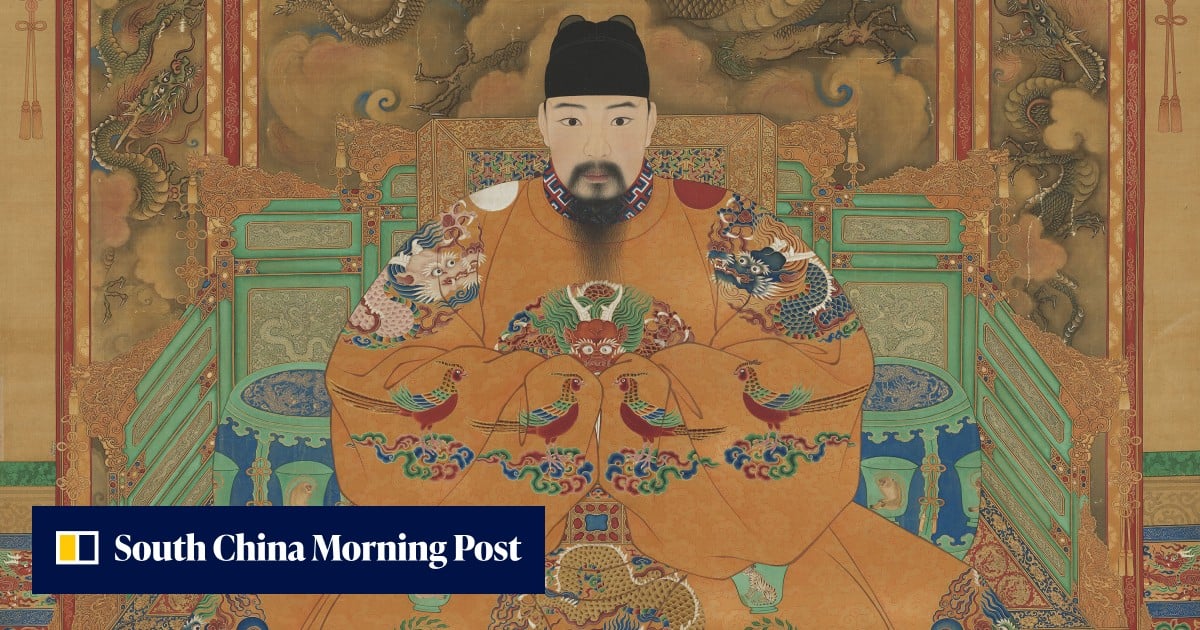
Emperor Hongzhi, who ruled China from 1487 to 1505 during the Ming dynasty (1368–1644), is unique in Chinese history for his monogamous lifestyle, a stark contrast to other emperors who often had thousands of consorts. Typically, Ming-era emperors could have upwards of 9,000 consorts, ostensibly to ensure the succession but also subjecting these women to harsh conditions within the palace. In defiance of tradition, Hongzhi was devoted solely to his wife, Empress Zhang (1471–1541), and historians believe his decision stemmed partly from a traumatic childhood marked by murder and intrigue.