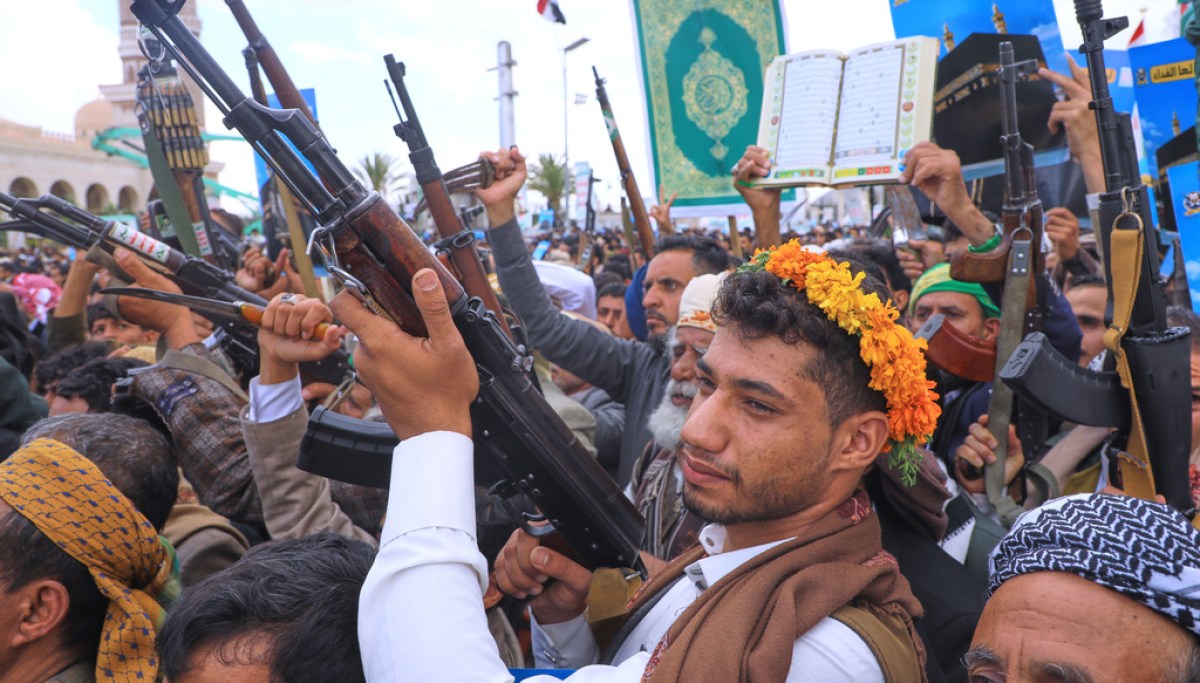
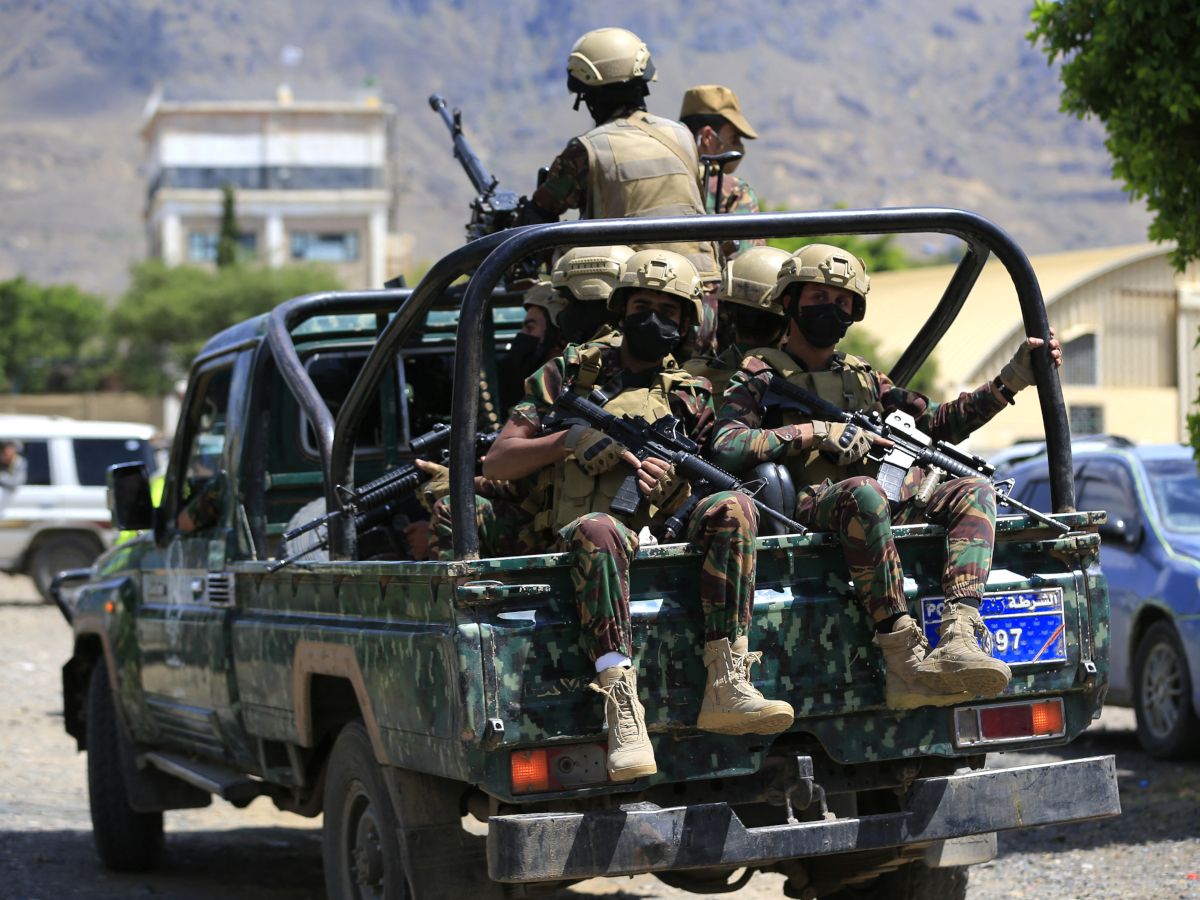
On Sept. 23, a brigadier general advising the Houthi-run Defense Ministry gave an interview to Agence France-Presse and described the war’s architecture better than most analysts have.
asserted
analysts → advise → architecture
“The militias and Iran form one alliance and one body,” Abed Mohammed al Thawr said.
asserted
Thawr → form → alliance
Then the line worth pinning to a wall: “We are part of the Axis of Resistance, and the battle is under a single command.”
asserted
battle → pin → command
Each party, he added, feeds the others intelligence they can use.
asserted
they → add → intelligence
Adversaries lie.
asserted
Adversaries → lie → ?
They also sometimes describe their own organization accurately, because the description is itself a weapon.
asserted
description → describe → organization
This one came with corroboration.
asserted
one → come → corroboration
I wrote here two weeks ago about what the Houthis’ advance did to Saudi Arabia’s alliances and to Washington’s leverage over Beijing.
asserted
advance → write → Beijing
This is the part underneath both: how the advance was actually run.
asserted
advance → run → both
Less than two weeks earlier, the Houthis took Yemen’s entire Red Sea coast.
asserted
Houthis → take → coast
Mokha fell on Sept. 10, Dhubab the next day, and boats carried fighters to Perim, the island that splits the Bab el-Mandeb at its narrowest point.
asserted
that → fall → point
Zuqar and the two Hanish islands followed.
asserted
Zuqar → follow → ?
How it happened matters more than that it happened.
asserted
it → happen → ?
Regional officials and a senior Houthi official told the Associated Press that an Iranian aircraft landed in Yemen carrying Islamic Revolutionary Guard Corps advisers, joining Guard and Hezbollah advisers already there.
asserted
aircraft → tell → advisers
During the offensive those advisers were “present at all levels” — planning tactical maneuvers, working with front-line commanders, analyzing communications and satellite intelligence the Houthis could not process on their own.
uncertain
Houthis → plan → own
Reuters, citing five Yemeni military sources and intercepted communications, reported the campaign was directed by the Guard.
asserted
campaign → cite → Guard
Tehran denies it, and an Iranian official insisted the decision to advance on Mokha was the Houthis’ own.
asserted
decision → deny → Mokha
In July, drones hit Saudi oil facilities and the Houthis claimed the attack.
asserted
Houthis → hit → attack
Washington and Riyadh said the drones had come from Iraq, and on July 29 they struck Iran-backed militias there, killing at least 20 fighters, six Iranian advisers, and — the Associated Press later confirmed — at least one Houthi official.
asserted
Press → say → fighters
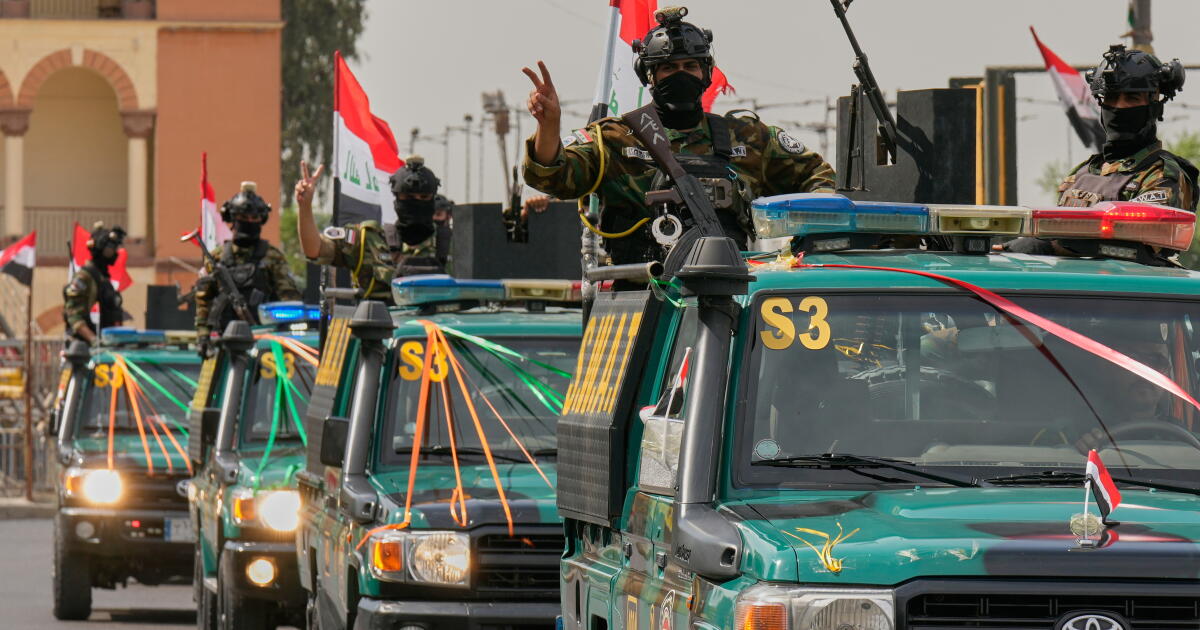
Two Saudi officials, citing intelligence, told the Associated Press that Houthi operatives had helped the Iraqi militias plan and execute the attack, and that Houthi emissaries had worked inside an operations room the Iraqis ran.
asserted
Iraqis → cite → room
A Yemeni died in an Iraqi command post during an operation against Saudi Arabia that a Yemeni group claimed.
asserted
group → die → that
Ahmed Nagi of the International Crisis Group told the Associated Press that the Houthis’ prominence during the Gaza war had made them interesting to Iraqi armed groups, and that the Houthis had begun sharing military expertise in return.
asserted
Houthis → tell → return
On Sept. 10, drones came from Iraq again, this time against Saudi Arabia’s East-West pipeline — the line built to move crude to the Red Sea and bypass Hormuz.
asserted
drones → come → Hormuz
Baghdad confirmed the launch site.
asserted
Baghdad → confirm → site
Riyadh declined to retaliate at the Iraqi prime minister’s request.
asserted
Riyadh → decline → request
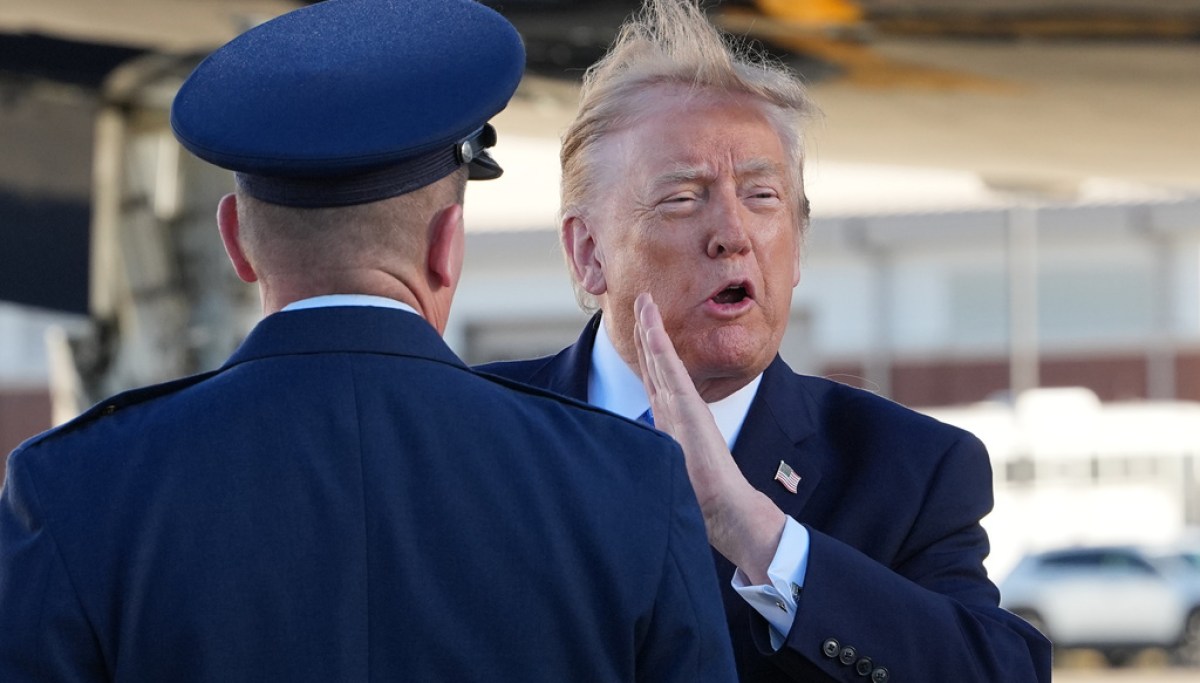
President Donald Trump said Iran was “probably” behind it.
asserted
Iran → say → it
Lebanese advisers threaded through all of it.
asserted
advisers → thread → it
An adviser to Iran’s supreme leader put the strategic logic plainly this month: the link between the Strait of Hormuz and the Bab el-Mandeb “will change the battlefield,” and Iran and the Houthis share “a common destiny.”
asserted
Iran → put → destiny
There is a serious objection, and it deserves saying out loud.
asserted
it → be → ?
The Houthis are nobody’s rented militia.
asserted
Houthis → rent → ?
They took Sanaa in 2014 without Tehran’s permission and have absorbed a decade of bombardment without its protection.
asserted
They → take → protection
Analysts who study them closely have long noted the absence of hard evidence that Iran controls their biggest decisions.
asserted
Iran → study → decisions
But “single command” and “wholly owned subsidiary” are different claims, and the weaker one is the dangerous one.
uncertain
one → own → ?
A network does not need one decision-maker to function as one target.
asserted
network → need → target
It needs shared advisers, shared intelligence, shared inventory, and a shared theory of where to apply pressure.
asserted
It → need → pressure
By the Associated Press’s reporting and the Houthis’ own account, it has all four.
asserted
it → have → four
And notice who else used the phrase.
asserted
who → notice → phrase
A senior Yemeni military official told the Associated Press there was “no unified command” — about his own side.
asserted
official → tell → side
“This was a priceless opportunity for the Houthis,” he said.
asserted
he → say → Houthis
One coalition is still arguing about whether it is a coalition.
asserted
it → argue → ?
…and 25 more, not listed.
 The Aporia