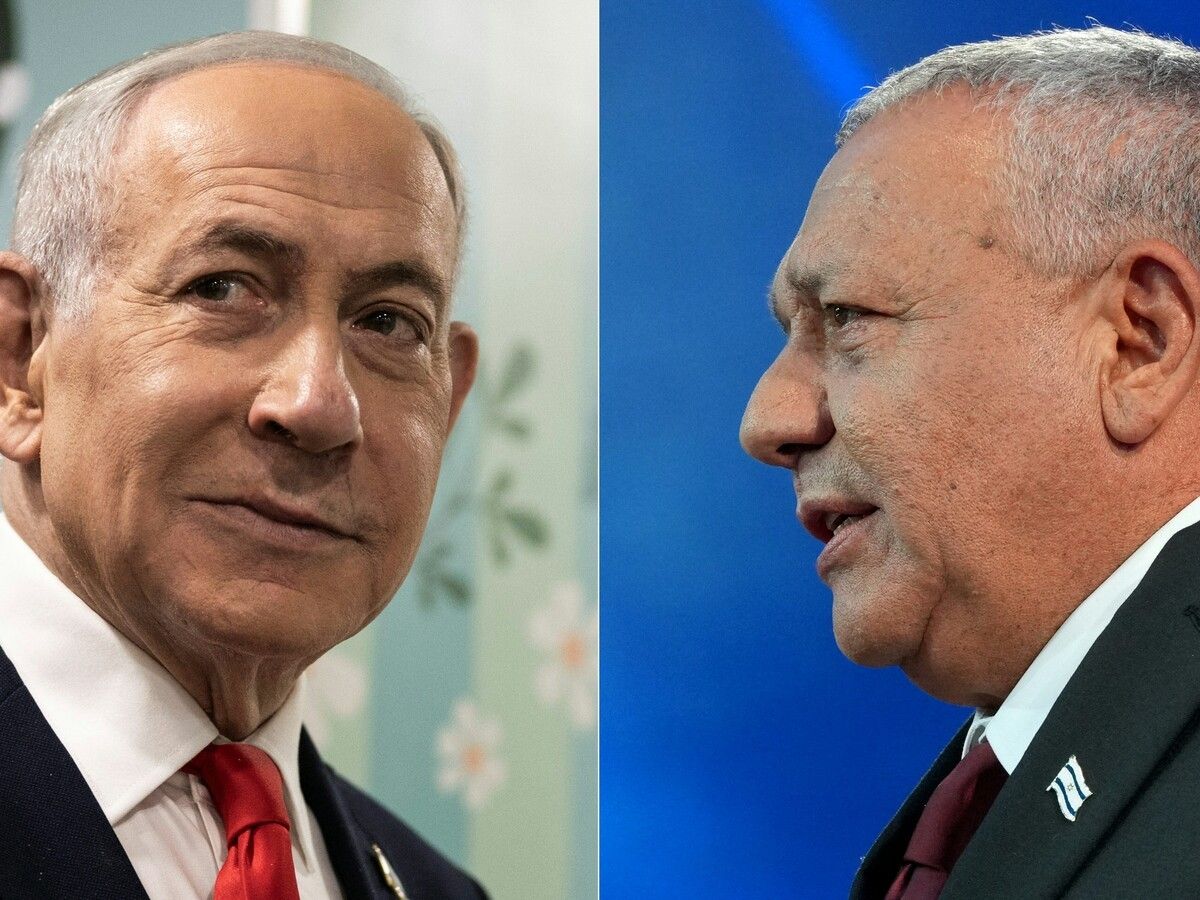
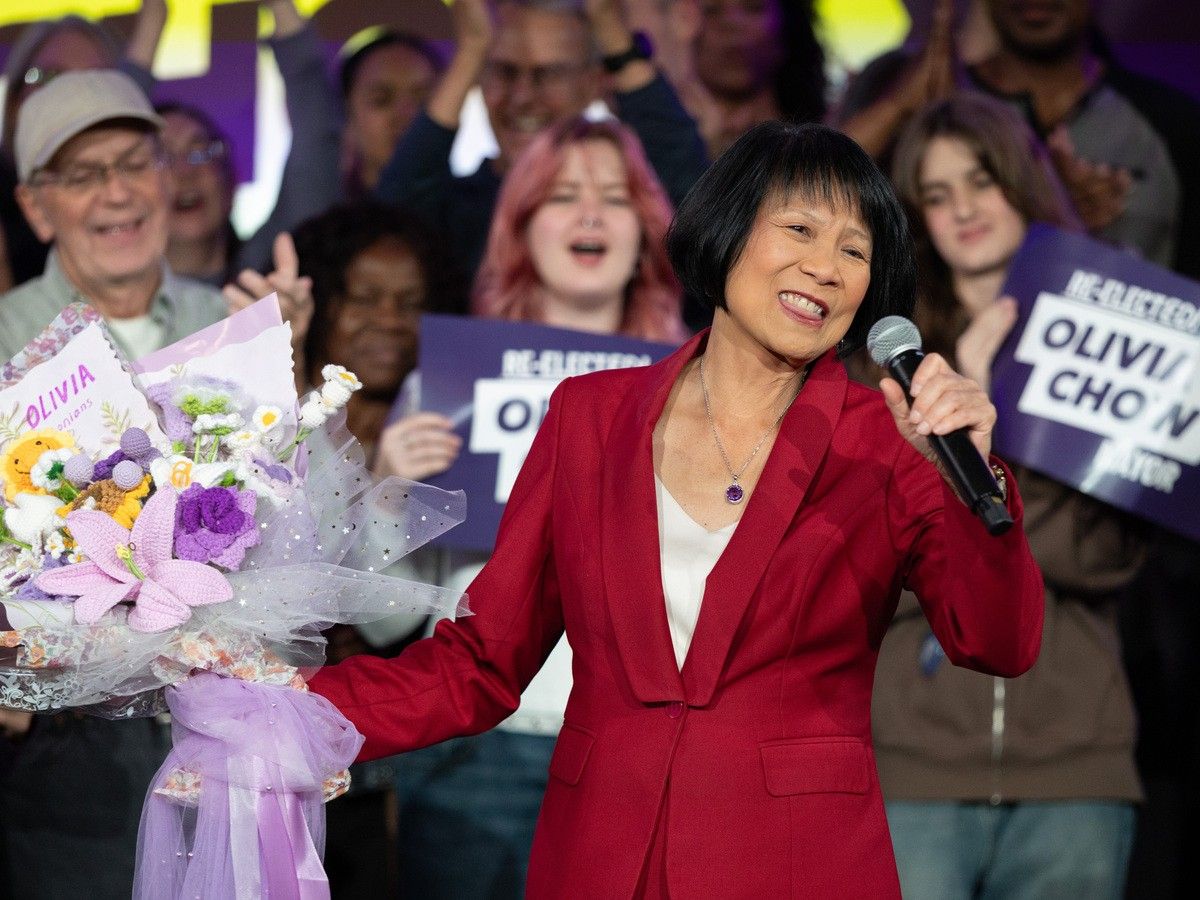
Photo via National Post

Mohamed Fahmy: Iran rains terror on Yemen to cut off Saudi oil shipments

Read the original at National Post ↗
Cite

Kline, J. (2026, October 4). Mohamed Fahmy: Iran rains terror on Yemen to cut off Saudi oil shipments. National Post. https://nationalpost.com/opinion/iran-rains-terror-on-yemen-to-cut-off-saudi-oil-shipments

Dated when The Aporia collected the article, usually within hours of publication. Check the original for its exact date and byline.

National Post · collected 2026-10-04 · by Jesse Kline analysis

Quick Summary

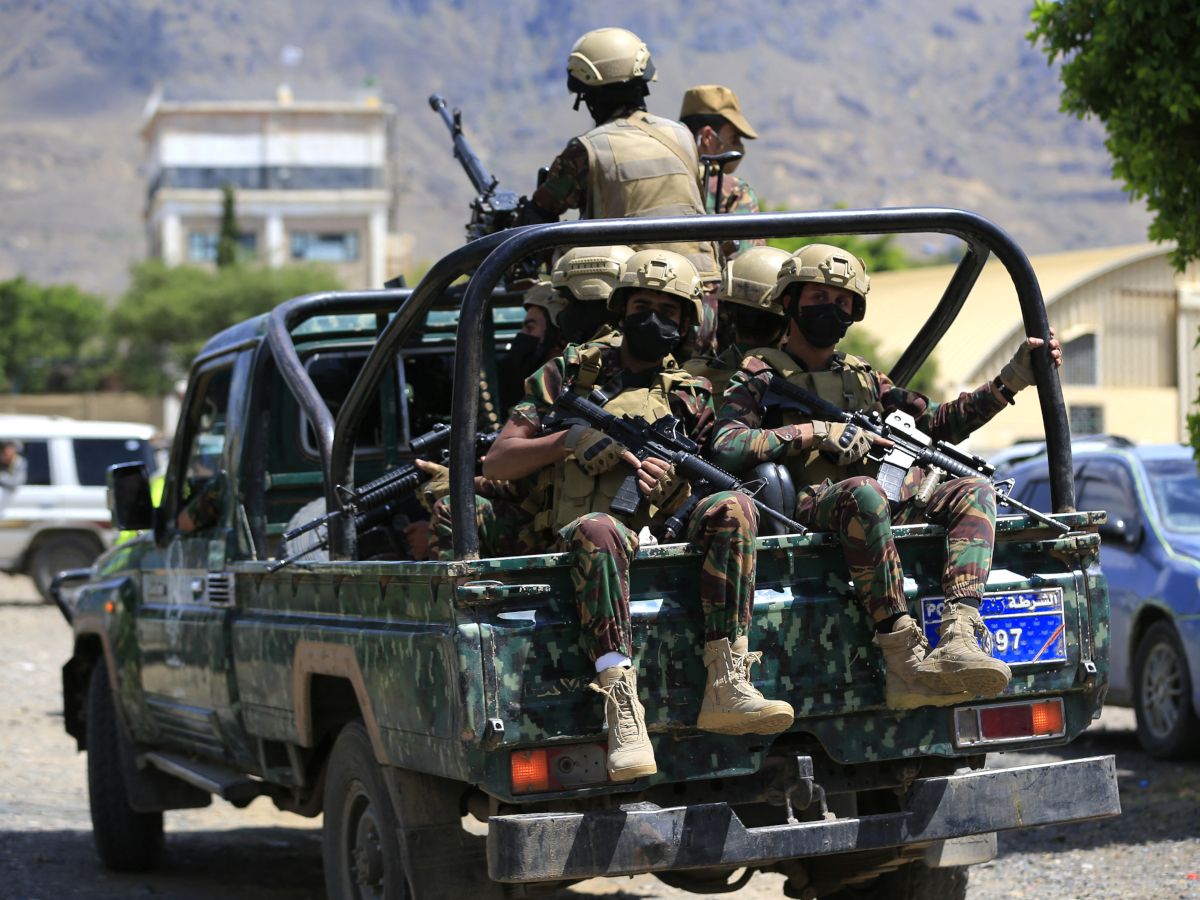
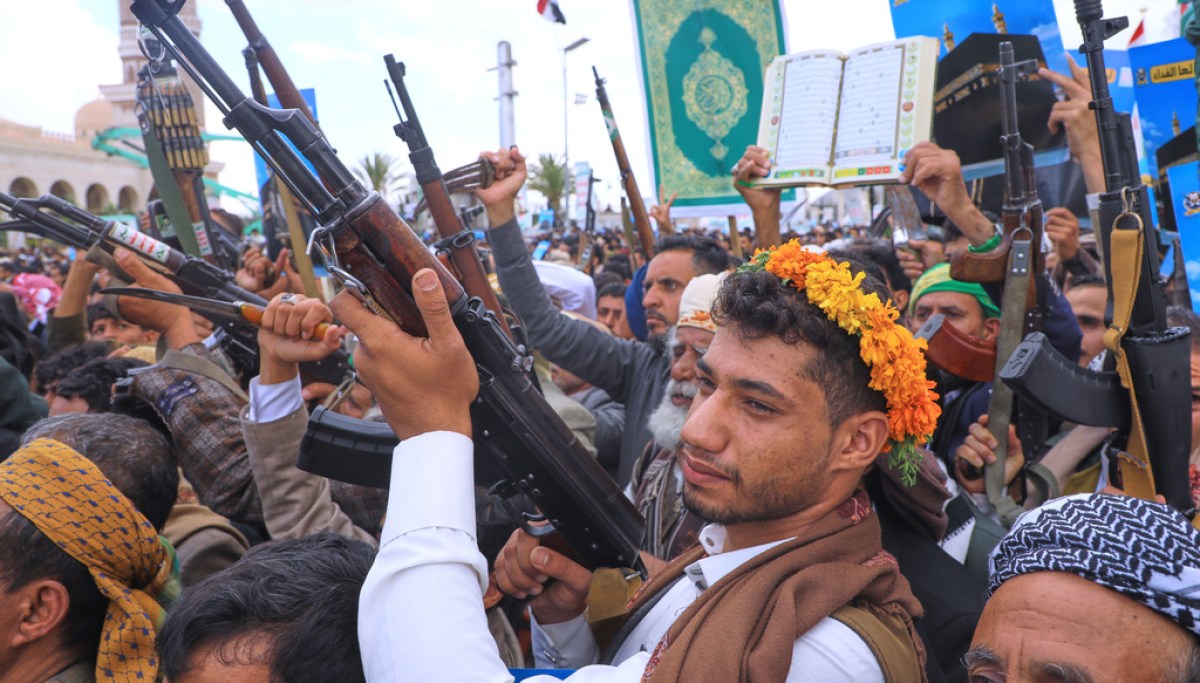
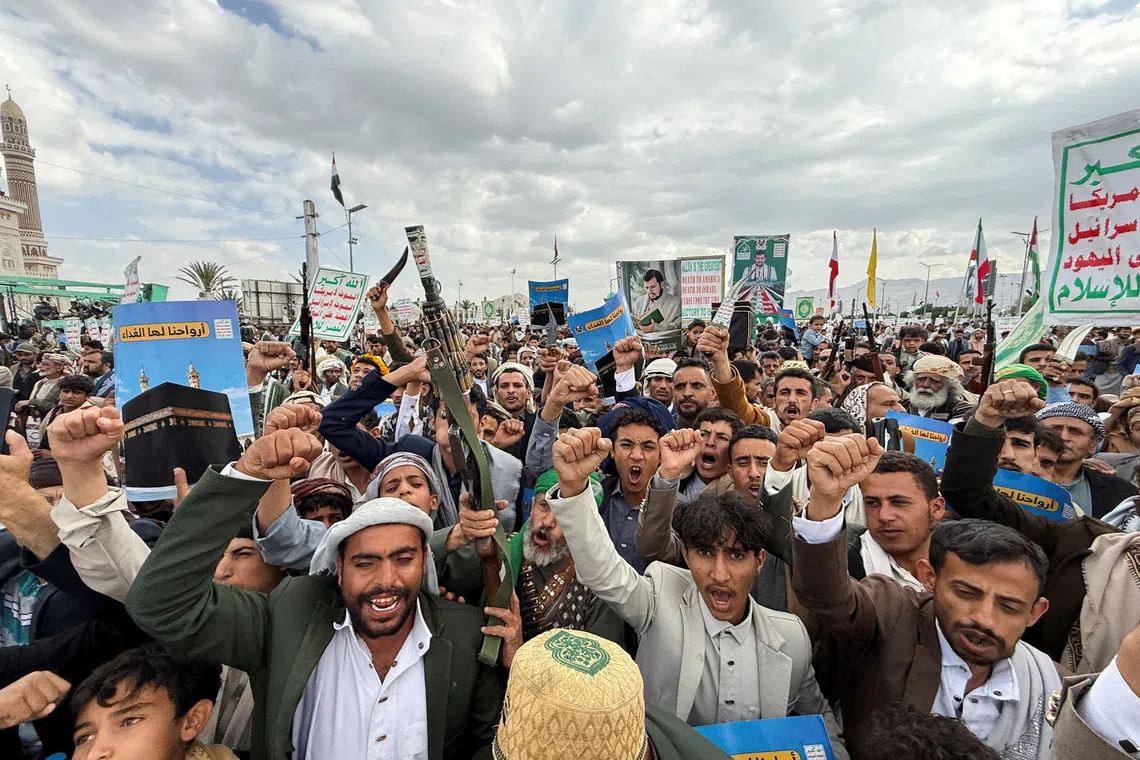
Mohamed Fahmy discusses how the conflict in Yemen has evolved into a proxy war between Iran-backed Houthi rebels and Saudi-supported government forces. The article highlights that Iran’s backing of the Houthis poses a threat to global trade through strategic waterways like the Bab al-Mandab Strait, which handles about 12% of worldwide maritime commerce. Fahmy emphasizes the potential for further escalation following recent attacks by the Houthis on September 8, injuring at least 73 people according to Saudi authorities, and the capture of Perim Island, crucial to controlling the strait.
Written by AI on 2026-10-04, from this article's own text only (the story summary below draws on all the coverage).

AI analysis

Story summary

In late 2014, Iran-backed Houthi rebels seized control of Yemen's capital, Sanaa, escalating an ongoing insurgency that began in the early 2000s. This prompted a Saudi Arabia-led coalition to intervene militarily in Yemen. The conflict has transformed into a proxy war, with Iran supporting the Houthis and Saudi Arabia backing Yemen's internationally recognized government forces.

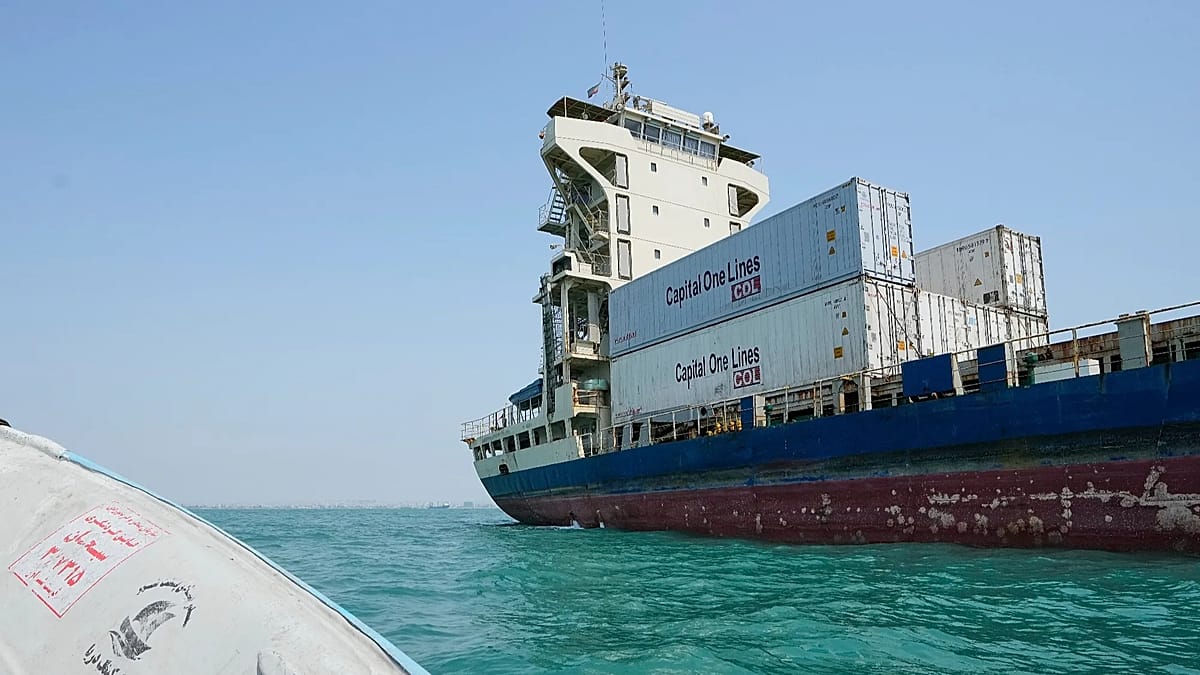
The concern now is whether Tehran can leverage its Houthi allies to disrupt oil trade through critical straits. Specifically, if Houthis threaten the Strait of Hormuz, which transports roughly 20% of global oil before conflicts escalated, could they also target the Bab al-Mandab Strait, vital for about 12% of world maritime trade? This scenario would have significant implications on international energy supplies and economic stability.

Written for “Iran Attacks In Yemen” on 2026-11-04, grounded in this article and the 0 other(s) covering the same event.

Story

📰 Iran Attacks In Yemen
World · 1 article(s) covering the same event.

Compared with similar articles

This article reads leans strongly right and hedges 16% of its claims. Each row says how that neighbour differs.
Washington Examiner
⚖️ Leans strongly right Hedges 3 of 65 claims Outlet record 69/100
“The articles discuss different aspects of broader conflicts involving Iran, but do not describe the same specific incident.”
Euronews
Hedges 1 of 20 claims Outlet record 60/100
“The articles discuss different aspects of conflicts involving Iran but do not describe the same specific incident or time frame.”
The Straits Times
Hedges 8 of 38 claims Outlet record 66/100
“The articles discuss different aspects of the broader conflict in Yemen and do not describe the same specific planned military operation.”
The Straits Times
Hedges 2 of 16 claims Outlet record 66/100
“Article A discusses an upcoming emergency meeting about engaging Houthis, while Article B offers a commentary on the broader context and implications of the war in Yemen.”
The Straits Times
Hedges 2 of 16 claims Outlet record 66/100
“Article A describes a specific attack by Saudi Arabia on Yemen's capital, while Article B discusses the broader context and implications of the proxy war in Yemen.”
Dawn
⚖️ Leans left further left than this Hedges 3 of 28 claims Outlet record 72/100
“Article A describes specific strikes by Houthis on Sanaa and an Aramco facility in Riyadh, while Article B provides a broader commentary on the proxy war between Iran-backed Houthi rebels and Saudi Arabia without mentioning these specific attacks.”
Al Jazeera
⚖️ Leans left further left than this Hedges 2 of 10 claims Outlet record 60/100
“The articles discuss different aspects of regional oil and conflict dynamics but do not describe the same specific incident.”
Al Jazeera
⚖️ Leans strongly left further left than this Hedges 2 of 34 claims Outlet record 60/100
“The articles discuss broader geopolitical contexts and trends in the Middle East but do not describe the same specific incident or occurrence.”
The Independent
Hedges 7 of 39 claims Outlet record 59/100
“The articles discuss different aspects of the conflict in Yemen; Article A focuses on Saudi Arabia's planned military offensive, while Article B provides a broader commentary on Iran's role and regional impact.”
South China Morning Post
⚖️ Leans right further left than this Hedges 1 of 4 claims Outlet record 62/100
“The articles discuss different aspects of the broader conflict in Yemen, with Article A focusing on Pakistan's role supporting Saudi Arabia and Article B discussing the proxy war dynamics between Iran and Saudi Arabia.”
How this article was measured signals, leaning charts, publisher record, byline, topics and claims

Signals How these are calculated →

Claims extracted
64
sentences that state something as happening or true
Uncertain
16%
10 of 64 hedged ("reportedly", "may", "according to")
Leaning
Leans strongly right
of the writing, not the subject · beta estimate
Publisher signals
60/100
National Post's corrections and hedging, across everything collected from it. Not a measure of accuracy.
Outlets on this story
1
World
Same framing elsewhere
1
articles that frame the event the way this one does
Analyzed 2026-10-04 · how these are computed

How this is being covered How these are calculated →

Article leaning vs. publisher reliability
Source leaning vs. consistency

Publisher

National Post · 1242 article(s) · 2 correction(s) detected
Running correction rate · 2 correction(s)

Who wrote this

Jesse Kline
23 article(s) here · 1 carrying a prediction
🔮 An extended stay in the role of “caretaker prime minister” will only serve to exacerbate the issues facing the Jewish state at a time when decisive leadership and fresh ideas are sorely needed.
🔮 From the content of the sergeant’s presentation, it is clear that the B.C. RCMP believed in 2025 that safer supply drugs were being diverted to the black market; that organized gangs were redistributing these drugs across Canada; and that decriminalization and the availability of safer supply may have worsened the opioid crisis.
🔮 The Alberta Human Rights Act will be amended to remove Section 10.1, which currently allows for hiring practices aimed at “the amelioration of the conditions of disadvantaged persons or classes of disadvantaged persons.”
🔮 Whatever the mayor was planning for her second term, Chow will certainly face pressure from council to be more left-wing than she was the first time around.
🔮 The removal of bike lanes in Toronto will surely serve as a motivator for many voters in the municipal election that’s a little over a week away.
🔮 Many parents will tell you how hard it is to find a daycare spot of any type close to Vancouver.
🔮 Former Conservative cabinet minister Chris Alexander unexpectedly joined the Toronto mayoral race on July 29.
🔮 Before Moise could answer, the constituent did so for him: “Because they don’t allow that.
🔮 If Tehran can disrupt traffic through the Strait of Hormuz — which carried roughly 20 per cent of the world’s oil before the war — could the Houthis also threaten the Bab al-Mandab Strait, a vital artery for about 12 per cent of global maritime trade?
🔮 But recent events hint at something much darker: an institutional willingness to downplay or minimize harms caused to Jews, including those living right here in Canada.
Also by Jesse Kline
Nothing else under this byline is closely related to this article, so these are simply their most recent.
All 23 articles by Jesse Kline →

Topics

Houthi Houthis Iran Saudi Yemen

Subjects

Houthis NORP · 9× Yemen GPE · 8× Iran GPE · 7× Houthi NORP · 6× Saudi NORP · 5× IRGC ORG · 3× Lebanon GPE · 2× Sanaa GPE · 2× Saudi Arabia GPE · 2× Tehran GPE · 2×

Narrative

During the months I spent covering the Iran war from Kuwait, the United Arab Emirates, Saudi Arabia and Lebanon, one question kept coming up in my interviews and conversations with people on the street: is the Gulf’s golden age beginning to slip away as escalating wars increasingly intrude on everyday life?
framing: assertive · carried by 1 article(s) · first seen 2026-10-04
🔮 If Tehran can disrupt traffic through the Strait of Hormuz — which carried roughly 20 per cent of the world’s oil before the war — could the Houthis also threaten the Bab al-Mandab Strait, a vital artery for about 12 per cent of global maritime trade?
2026-10-04 · National Post
Mohamed Fahmy: Iran rains terror on Yemen to cut off Saudi oil shipments · assertive framing

Claims (64 extracted, 10 hedged)

It has become a dangerous proxy war between Iran-backed Houthi rebels and Saudi-backed government forces — and another front in Tehran’s decades-long effort to project its Islamic revolutionary ideology and expand its regional reach, at a devastating human cost. asserted
It → become → cost
During the months I spent covering the Iran war from Kuwait, the United Arab Emirates, Saudi Arabia and Lebanon, one question kept coming up in my interviews and conversations with people on the street: is the Gulf’s golden age beginning to slip away as escalating wars increasingly intrude on everyday life? asserted
wars → spend → life
And another question loomed: what happens if Iran fully mobilizes its Houthi allies in Yemen? asserted
Iran → loom → Yemen
If Tehran can disrupt traffic through the Strait of Hormuz — which carried roughly 20 per cent of the world’s oil before the war — could the Houthis also threaten the Bab al-Mandab Strait, a vital artery for about 12 per cent of global maritime trade? uncertain
Houthis → disrupt → trade
The Iran-backed Houthis have waged an insurgency against Yemen’s internationally recognized government since the early 2000s. asserted
Houthis → back → 2000s
The conflict escalated dramatically in 2014 after the Houthis seized Sanaa, prompting a Saudi-led coalition to intervene in 2015. asserted
coalition → escalate → 2015
The Houthis are part of an Iran-led military and ideological network often described as the “Axis of Resistance,” which includes Hezbollah in Lebanon, Hamas in Gaza and militias in Iraq. asserted
which → lead → Iraq
Canada designated Ansarallah, the Houthi movement, as a terrorist entity in 2024. asserted
Canada → designate → 2024
The United Nations maintains a sanctions regime targeting Houthi leaders and activities. asserted
Nations → maintain → leaders
The latest escalation, which began in July, shattered the period of relative calm that followed the UN-brokered truce of 2022. asserted
that → begin → 2022
The immediate trigger came on July 13, when a U.S.-sanctioned Mahan Air flight reportedly carried Islamic Revolutionary Guard Corps (IRGC) personnel and military equipment to Yemen. uncertain
flight → come → Yemen
While the flight was originally bound for Sanaa, its airport was attacked by government forces, forcing the plane to divert to Hodeidah International Airport in western Yemen. asserted
airport → bind → Yemen
The Houthis regarded the airport strike as an act of war and retaliated with strikes on major Saudi targets, reigniting the conflict. asserted
Houthis → regard → conflict
From there, the cycle of violence intensified, with the Houthis launching missiles and drones toward Saudi Arabia and targeting energy infrastructure and military sites. asserted
Houthis → intensify → infrastructure
The most serious escalation came on Sept. 8, when Houthi attacks injured at least 73 people, according to Saudi authorities. uncertain
attacks → come → authorities
The battle for the Bab el-Mandeb Strait — which connects the Red Sea to the Gulf of Aden and links Asia, the Middle East and Europe via the Suez Canal — was among the war’s most dramatic episodes. asserted
which → connect → episodes
An eyewitness I spoke with remotely described it as almost “apocalyptic.” asserted
I → speak → it
In early September, Houthi fighters launched a week-long offensive, seizing the port city of Mokha and advancing along the coast. asserted
fighters → launch → coast
They captured strategic positions including Perim Island, at the entrance to the strait, forcing Saudi-backed government forces to withdraw from parts of the coast. asserted
They → capture → coast
The advance gave the Houthis greater leverage over a vital maritime choke point. asserted
advance → give → point
The speed and co-ordination of the offensive also raised questions about the extent of support the group is receiving from the IRGC. asserted
group → raise → IRGC
The offensive killed at least 494 combatants and 29 civilians, according to an AFP tally, while more than 46,000 people were displaced during its first week, according to the UN’s International Organization for Migration. uncertain
people → kill → Migration
I asked Edmund Walter Fitton-Brown, a former British ambassador to Yemen and senior fellow at the Foundation for Defense of Democracies, about Iran’s on-the-ground presence in Yemen. asserted
I → ask → Yemen
“Iran certainly has IRGC personnel on the ground inside Yemen, providing advice and operational support to the Houthis. asserted
Iran → have → Houthis
It denies it for cosmetic reasons, to avoid antagonizing Arab opinion and to give the Houthis maximum credit as an independent actor. asserted
It → deny → actor
The point is to bolster their claim to be an Arab government,” he said. uncertain
he → bolster → claim
“Iranian support has been constrained by losses in its own wars and blockades on both Iran and Houthi-controlled Yemen. asserted
support → constrain → Iran
Even so, it has probably increased as the Houthis have emerged as Iran’s key proxy, even above Lebanese Hezbollah. asserted
Houthis → increase → Hezbollah
For Tehran, the timing appears unusually pragmatic. asserted
timing → appear → Tehran
U.S. President Donald Trump has so far declined Saudi Arabia’s request for direct U.S. strikes against the Houthis, while offering intelligence and targeting support instead. asserted
Trump → decline → support
Trump has also said that the Houthis contacted Washington and did not want a fight with the United States. asserted
Houthis → say → States
For now, the Houthis say their blockade targets Saudi vessels and that they are allowing other ships to pass. asserted
ships → say → vessels
But sustained pressure on energy supplies could still mean higher fuel prices and greater economic pain in the United States. uncertain
pressure → mean → States
U.S. diesel prices have reached a record $6.53 a gallon, with supply disruptions linked to the Iran conflict contributing to the surge. asserted
disruptions → reach → surge
For Iran, that creates an opportunity to impose economic costs on Washington through regional proxies without confronting the United States directly on every front — potentially adding to the political pressure surrounding the U.S. midterm elections in November. asserted
that → create → November
In the Middle East, where I am now, alarm spread rapidly on Sept. 16, after Saudi officials accused the Houthis of launching a drone toward Mecca, Islam’s holiest city and a destination for millions of pilgrims each year. asserted
officials → spread → pilgrims
The drone was reportedly intercepted before reaching its destination. uncertain
drone → intercept → destination
The allegation triggered fear across the region, reviving memories of the bitter confrontation between Iran and Saudi Arabia over the security and sanctity of Islam’s holiest sites. asserted
allegation → trigger → sites
Ayatollah Ruhollah Khomeini called for exporting the revolution and challenged Saudi custodianship of Mecca and Medina. asserted
Khomeini → call → Mecca
Starting in 1981, Iranian pilgrims staged political demonstrations under the banner of “disavowal of polytheists,” with demonstrators chanting slogans such as, “Death to America! asserted
demonstrators → start → America
…and 24 more, not listed.

💬Give feedback · no sign-in needed

No sign-in needed for now. Your note is sent without a name, so it cannot be answered.

🕘History 🎫Support