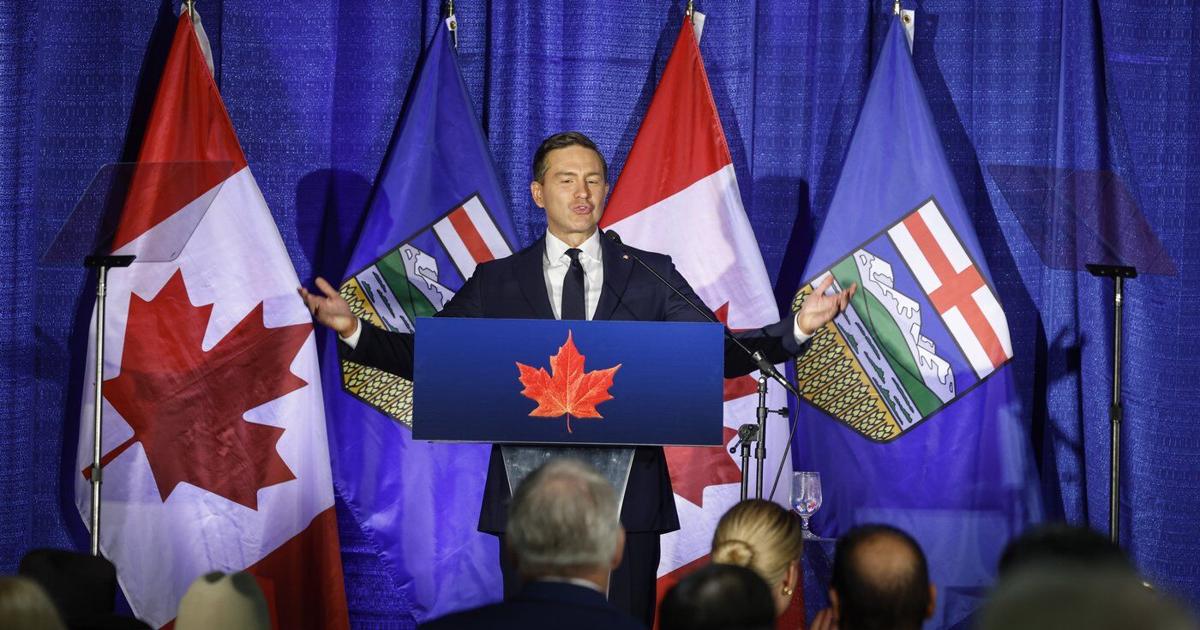
Quebec and Alberta may have more in common than anyone suspected — at least when it comes to seceding from Canada.
uncertain
it → have → Canada
In both provinces, over 70 per cent of voters oppose separation, a question that is animating both the Quebec election and the Alberta referendum campaign.
asserted
that → oppose → election
The two votes come to a head Oct. 5 and 19, respectively, and their outcome will not only decide if the two provinces proceed with a vote on separation, but whether Prime Minister Mark Carney will be able to put our national unity demons to sleep for the rest of his term.
asserted
Carney → come → term
In Quebec, voters are choosing between five parties, including the separatist Parti Québécois, which promises to hold a referendum in its first mandate — at least, as soon as U.S. President Donald Trump leaves office.
asserted
Trump → choose → office
Leader Paul St-Pierre Plamondon inserted that caveat early in the campaign, when it looked like the incumbent party, the Coalition Avenir Québec, might rebound under its new leader, Christine Fréchette.
uncertain
party → insert → leader
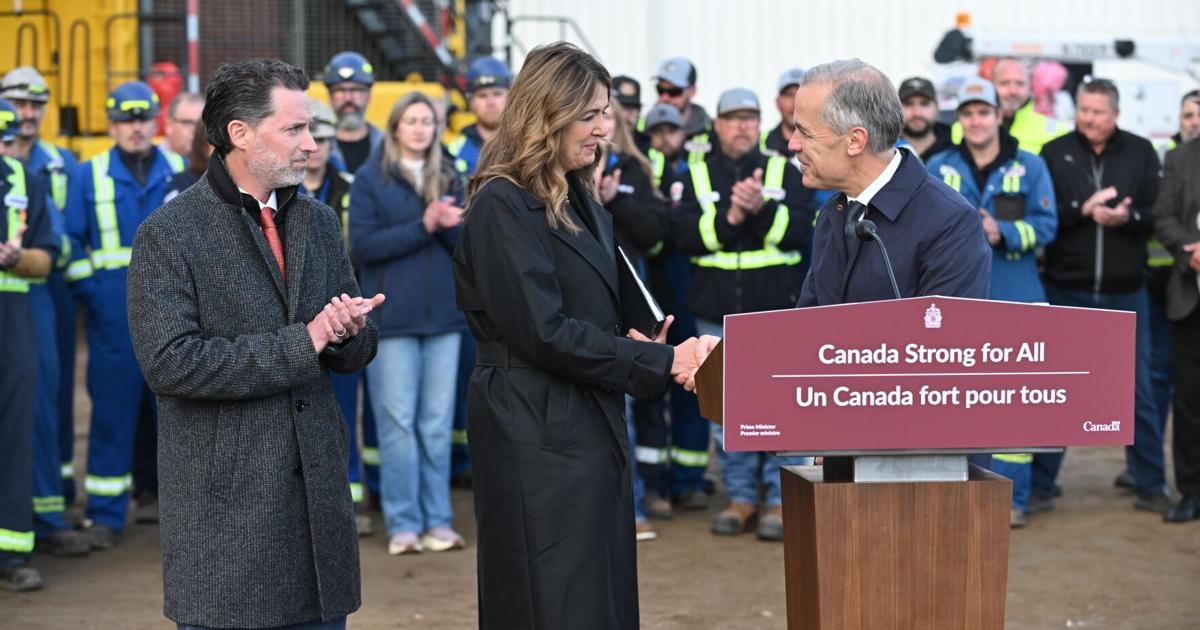
The former minister of the economy had leveraged Canada’s trade troubles with Trump to her advantage, appearing with Carney at several press conferences and playing to voters’ desire for security in uncertain times.
asserted
minister → leverage → times
She was rewarded by a bump in the polls — and speculation that she might even eke out a victory.
uncertain
she → reward → victory
Alas for Fréchette, the effect has faded, and the PQ now appears headed for a majority government.
asserted
PQ → fade → government
But it’s a paradox.
asserted
it → ’ → ?
According to a recent La Presse poll, only 29 per cent of Quebecers would vote yes to separation, while 71 per cent would vote no — a drop of five points for the yes side since Plamondon said he’d put off the vote.
uncertain
he → accord → vote
And if he held a referendum, the same survey found that two thirds of voters think his gambit would fail.
asserted
gambit → hold → voters
It’s as though voters are giving a collective shrug to the possibility of leaving — and are willing to take a beau risque on his party.
asserted
voters → ’ → party
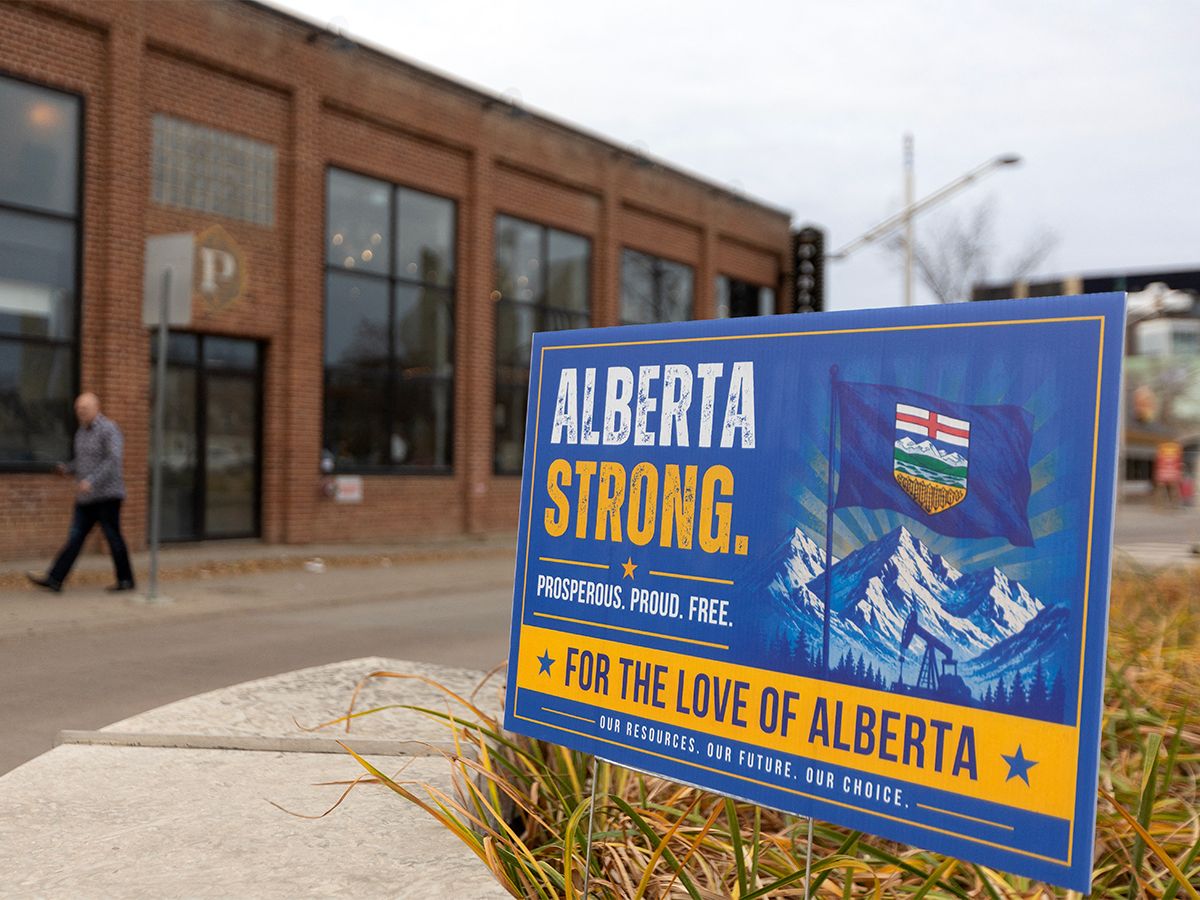
In Alberta, meanwhile, a September survey by Janet Brown Opinion Research found that only 23 per cent of respondents said they’d vote to hold a formal referendum on separation, while 72 per cent would opt to remain in Canada, and four per cent were unsure.
asserted
cent → find → Canada
That’s a shift from 27 per cent for and 67 per cent against this past spring.
asserted
That → ’ → cent
Similarly to Quebec, it seems that the longer the separatists have to make their case, the less enthusiasm there is for change.
asserted
separatists → seem → change
But it’s not just the campaigns that are influencing voters — events are as well.
asserted
events → ’ → voters
Both votes are set against the backdrop of Canada’s worsening trade war with the United States.
asserted
votes → set → States
Just this week, the U.S. ban on one billion dollars of our exports kicks in, yet another reminder of how bad relations have got with our erstwhile ally — and another opportunity for Ottawa to tout the importance of solidarity in the face of adversity.
asserted
Ottawa → kick → adversity
Both campaigns also face accusations of foreign interference by the U.S. to facilitate the breakup of Canada.
asserted
campaigns → face → Canada
In Alberta, this news had been circulating for months, and was even somewhat self-inflicted, as separatist leader Jeffrey Rath boasted about trekking down to Washington to meet with “high level” officials.
asserted
Rath → circulate → officials
In Quebec, it made waves last week, when Fréchette’s team alerted the media about a U.S. think tank advocating American support for the PQ to help break up Canada — but CAQ leader walked back her concerns when it became clear there was little evidence of election interference.
asserted
it → make → interference
His numbers just keep going up, in what is perhaps the longest political honeymoon in Canadian history.
asserted
what → keep → history
At this rate, it’s hard to see what will bring him down to earth, at least in the short term, leaving would-be secessionists in the dust.
asserted
what → ’ → dust
In other words, it’s the worst possible time to be a separatist in Canada.
asserted
it → ’ → Canada
At both ends of the country, the public mood is elbows up — while separation gets the cold shoulder.
asserted
separation → get → shoulder
 The Aporia