Photo via Toronto Star

Cornell rape allegations lead to renewed scrutiny of laws on intoxication and consent

Read the original at Toronto Star ↗
Cite

Lieb, D. A., & Lauer, C. (2026, September 30). Cornell rape allegations lead to renewed scrutiny of laws on intoxication and consent. Toronto Star. https://www.thestar.com/news/world/united-states/cornell-rape-allegations-lead-to-renewed-scrutiny-of-laws-on-intoxication-and-consent/article_c57c0ab2-6aa8-51b6-a5c2-ee0c831da9ef.html

Dated when The Aporia collected the article, usually within hours of publication. Check the original for its exact date and byline.

Toronto Star · collected 2026-09-30 · by David A. Lieb, Claudia Lauer

Quick Summary

A woman's lawsuit alleging she was gang-raped at Cornell University after voluntarily consuming drugs and alcohol has sparked renewed debate over New York’s sexual assault laws. These laws make it difficult to prosecute cases where victims are incapacitated due to voluntary intoxication unless they were physically forced or drugged without consent. District Attorney Matthew Van Houten defended his initial decision not to file charges, citing the legal constraints, but has since reopened the investigation following public pressure. Lawmakers like Jeffrey Dinowitz are pushing to change these laws to better address such cases.
Written by AI on 2026-09-30, from this article's own text only (the story summary below draws on all the coverage).

AI analysis

Story summary

A Cornell University student, identified only as Jane Doe, filed a civil lawsuit alleging she was drugged and gang-raped by seven fraternity members at the Chi Phi house on October 19, 2024. Despite initial investigations that concluded without criminal charges being brought forward, Tompkins County District Attorney Matthew Van Houten has reopened the case and intends to present it to a grand jury with Doe's cooperation, seeking new evidence not previously available.

Doe’s lawyer, Thomas Giuffra, reported that she is in constant fear due to intense public pressure and harassment. She suffers from insomnia and relies on medication to sleep. The case, which has garnered national attention, includes allegations against Cornell University, the fraternity, and other parties involved, leading the university president to suspend all fraternity parties until the end of the academic year for a thorough review.

The reopening of the investigation follows increased scrutiny over Title IX policies at educational institutions, focusing on handling sexual misconduct cases. Despite public campaigns aimed at unmasking Doe and defending the accused men—who deny any wrongdoing—the case remains highly sensitive with significant implications for university policy and legal procedures regarding sexual assault allegations.

Written for “Cornell Bans Fraternity Parties Over Assault Allegations” on 2026-11-01, grounded in this article and the 304 other(s) covering the same event.

Story

📰 Cornell Bans Fraternity Parties Over Assault Allegations
Education · 305 article(s) covering the same event. See how they differ ↓

Compared with similar articles

This article reads unscored and hedges 7% of its claims. Each row says how that neighbour differs.
CBS News
Outlet record 66/100
“The articles discuss related legal issues surrounding a rape allegation at Cornell University but do not describe the same specific incident or time.”
The Independent
⚖️ Leans left Hedges 2 of 30 claims Outlet record 59/100
CBS News
Hedges 0 of 8 claims Outlet record 66/100
“While both articles discuss the same alleged sexual assault at Cornell University, Article A focuses on the reopening of the investigation following a lawsuit, while Article B discusses broader legal implications and scrutiny due to the case.”
The Straits Times
Hedges 3 of 15 claims Outlet record 66/100
“While both articles discuss the same alleged gang rape at Cornell University, ARTICLE A focuses on the reopening of the investigation by prosecutors, while ARTICLE B discusses broader legal implications and scrutiny of laws regarding intoxication and consent. They describe different aspects of related events.”
The Independent
Hedges 12 of 61 claims Outlet record 59/100
“While both articles discuss the alleged gang rape incident at Cornell University, Article A focuses on the campus reaction and the reopening of the investigation by the District Attorney’s Office, while Article B discusses the legal scrutiny and criticism of New York laws regarding intoxication and consent in relation to the same incident. They cover different aspects of the event.”
BBC News
⚖️ Leans left Hedges 6 of 50 claims Outlet record 68/100
New York Post
Hedges 10 of 30 claims Outlet record 66/100
BBC News
Hedges 1 of 4 claims Outlet record 68/100
Mother Jones
⚖️ Leans left Hedges 2 of 95 claims Outlet record 95/100
“While both articles discuss the legal challenges surrounding sexual assault cases due to intoxication at Cornell University, they do not describe a single specific incident but rather the broader context and legal issues.”
How this article was measured signals, leaning charts, publisher record, byline, topics and claims

Signals How these are calculated →

Claims extracted
27
sentences that state something as happening or true
Uncertain
7%
2 of 27 hedged ("reportedly", "may", "according to")
Leaning
withheld
no quote in the article backed the model's score
Publisher signals
64/100
Toronto Star's corrections and hedging, across everything collected from it. Not a measure of accuracy.
Outlets on this story
305
Education
Same framing elsewhere
1
articles that frame the event the way this one does
Analyzed 2026-09-30 · how these are computed

How this is being covered How these are calculated →

Article leaning vs. publisher reliability
Source leaning vs. consistency

Publisher

Toronto Star · 10839 article(s) · 28 correction(s) detected
Running correction rate · 28 correction(s)
2026-10-26
Correction
2026-10-24
Correction
2026-10-07
Correction
2026-09-24
Correction

Who wrote this

David A. Lieb
10 article(s) here · 1 carrying a prediction
🔮 Parked in his truck along a rural Idaho highway on his way to an elk hunt, Neill Goodfellow pondered a question that will appear on his November ballot: which of six historic firearms to choose as the official state gun? Goodfellow is going to vote for the M1 Garand, a semiautomatic rifle widely carried by U.S. troops in World War II.
🔮 He said Saturday the commissioner of the Department of Correction will step down.
🔮 Political power in legislatures and governors’ offices is at stake in the November elections in more than one-third of the states, creating down-ballot drama in the midterms that could have significant implications for President Donald Trump’s agenda.
🔮 Because the victim voluntarily drank alcohol before the assault and was conscious, the prosecutor stated that criminal charges could not be supported.
🔮 Van Houten said that in her sworn statement to campus police in 2024, the woman didn’t allege that she became intoxicated against her will, or was physically forced into sex or was unconscious when it happened.
🔮 Meteorologists warned that conditions would not improve immediately.
🔮 The justices halted a federal appeals court ruling that would have revived the Republican-friendly map for the November elections, which will determine control of Congress.
🔮 A third decision from the nation’s top court could finally put the dispute to rest and provide some certainty for more than a million potential voters who have been shuffled back and forth between districts, causing confusion about which candidates will be on their ballots.
🔮 To revert to its prior districts for the general election would violate the U.S. Constitution, the appeals judges said.
🔮 Backers of the referendum have said a statewide vote would give the state’s residents a voice in the process.
Also by David A. Lieb
Nothing else under this byline is closely related to this article, so these are simply their most recent.
All 10 articles by David A. Lieb →
Claudia Lauer
3 article(s) here · 1 carrying a prediction
🔮 Those charges could lead to years in prison and thwart their efforts to naturalize.
🔮 Because the victim voluntarily drank alcohol before the assault and was conscious, the prosecutor stated that criminal charges could not be supported.
🔮 Van Houten said that in her sworn statement to campus police in 2024, the woman didn’t allege that she became intoxicated against her will, or was physically forced into sex or was unconscious when it happened.
Also by Claudia Lauer
Nothing else under this byline is closely related to this article, so these are simply their most recent.

Topics

Cornell Cornell University New York RAINN Tompkins County

Subjects

New York GPE · 4× Cornell ORG · 2× Cornell University ORG · 1× Houten PERSON · 1× Jeffrey Dinowitz PERSON · 1× Matthew Van Houten PERSON · 1× RAINN ORG · 1× Stefan Turkheimer PERSON · 1× Tompkins County GPE · 1× U.S. GPE · 1×

Narrative

New York lawmakers renew push to change the law New York state lawmakers have considered bills to change the law over the years, though the proposals have stalled, despite support from prominent district attorneys and advocates. Jeffrey Dinowitz, a state Assembly member who has sponsored such measures starting back in 2019, said the Cornell case is “exactly the type of situation this legislation would address” and hoped that there would be additional urgency in the coming legislative session to change the law.
framing: assertive · carried by 1 article(s) · first seen 2026-09-30
🔮 Van Houten said that in her sworn statement to campus police in 2024, the woman didn’t allege that she became intoxicated against her will, or was physically forced into sex or was unconscious when it happened.

Claims (27 extracted, 2 hedged)

A woman’s account of being sexually assaulted at a Cornell University fraternity house has advocates and lawmakers renewing their criticism of a New York law that makes it more difficult to prosecute people who have taken advantage of others too intoxicated to consent to sex. asserted
who → assault → sex
Under state law, rape charges generally need to involve force or a clear refusal of sex, unless the victim is physically helpless due to being unconscious, or mentally incapacitated due to being drugged without their consent. asserted
victim → need → consent
Those limitations have led to something nicknamed the “voluntary intoxication loophole.” asserted
limitations → lead → something
Prosecutors can’t easily bring charges against someone who engaged in sex with someone who voluntarily became intoxicated to the point where their ability to say “yes” or “no” to sex was compromised. asserted
ability → bring → sex
Tompkins County District Attorney Matthew Van Houten cited that law as he defended his office’s initial decision not to file criminal charges against any of the men sued by a woman who says she was the victim of a gang rape at Cornell in 2024. asserted
she → cite → 2024
Van Houten said that in her sworn statement to campus police in 2024, the woman didn’t allege that she became intoxicated against her will, or was physically forced into sex or was unconscious when it happened. asserted
it → say → sex
“That’s victim blaming, straight up,” in state law, said Stefan Turkheimer, vice president of public policy for RAINN, the largest anti-sexual violence organization in the U.S. asserted
Turkheimer → ’ → U.S.
“It prevents a lot of cases from coming forward, where prosecutors are reluctant to try to push forward on a case where the person is incapacitated due to voluntary intoxication.” asserted
person → prevent → intoxication
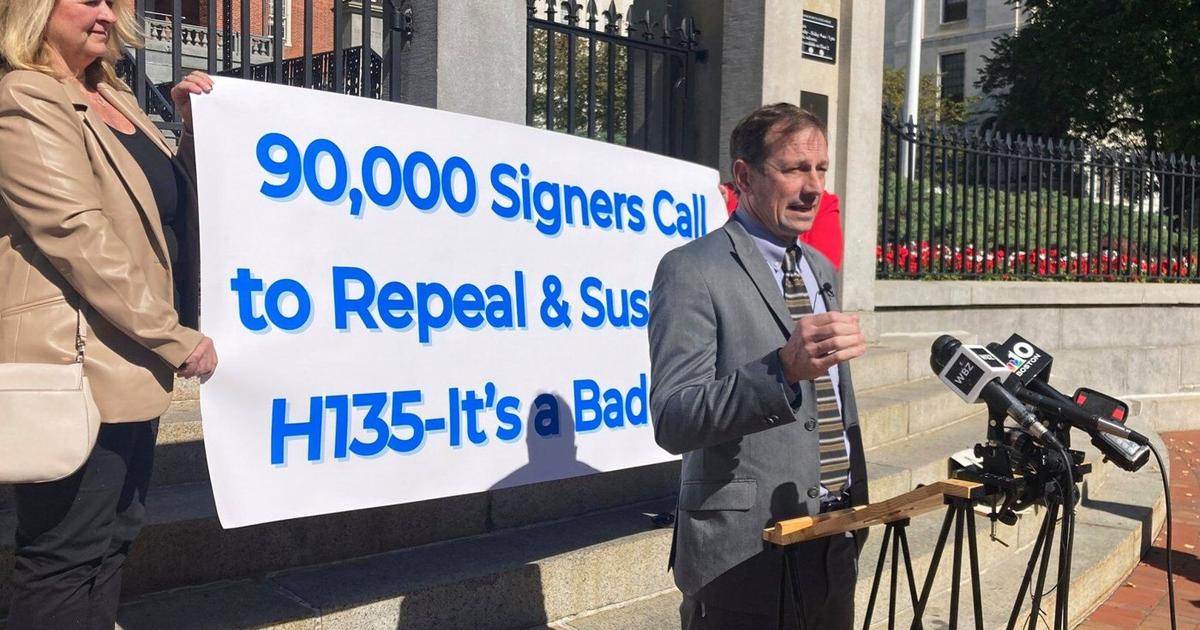
New York lawmakers renew push to change the law New York state lawmakers have considered bills to change the law over the years, though the proposals have stalled, despite support from prominent district attorneys and advocates. Jeffrey Dinowitz, a state Assembly member who has sponsored such measures starting back in 2019, said the Cornell case is “exactly the type of situation this legislation would address” and hoped that there would be additional urgency in the coming legislative session to change the law. asserted
legislation → renew → law
“It’s just outrageous and it makes me angry that we haven’t passed this yet,” he said, adding that “it would at least ensure that the survivor would get justice.” asserted
survivor → ’ → justice
The woman, identified only by a pseudonym in the civil lawsuit, filed the complaint Sept. 16, saying she was sexually assaulted at the Chi Phi fraternity house on the Ivy League campus in October 2024 after being pressured into snorting ketamine, smoking marijuana and drinking alcohol. asserted
she → identify → alcohol
She became completely incapacitated while frat members were sexually assaulting her, the lawsuit alleges. asserted
lawsuit → become → her
Van Houten has since reopened the investigation, saying he would consider presenting the case to a grand jury for their consideration. asserted
he → reopen → consideration
But in a written statement issued Monday, he said his initial decision not to charge relied heavily on a statement the woman gave to police that was given to his office, in which he said she had described some of the male students exhibiting incapacitation but not herself. asserted
she → write → incapacitation
Police have not released that document, and the prosecutor’s statement only included sparse redacted pieces of that document in his explanation. asserted
statement → release → explanation
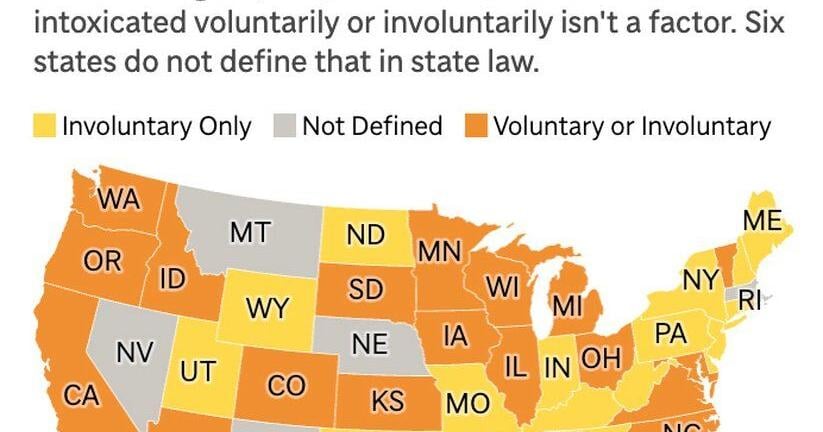
Other states with intoxication laws are moving to change them New York is one of 19 states with rape or sexual assault laws that consider intoxicated victims to be mentally incapacitated only if they became drunk or were drugged without their knowledge or consent, according to research by The Associated Press and a report published in The Journal of the American Academy of Psychiatry and the Law. uncertain
they → move → Psychiatry
But states have been gradually moving to change them. asserted
states → move → them
After the Minnesota Supreme Court overturned a sexual misconduct conviction in 2021 because the incapacitated victim had voluntarily become intoxicated, the state legislature revised its laws later that year to allow charges to be brought no matter whether an incapacitated victim had voluntarily or involuntarily become intoxicated. asserted
victim → overturn → laws
Michigan made a similar revision to its sexual assault laws in 2023, and Texas followed in 2025. asserted
Texas → make → 2025
“That business of whether the victim was voluntarily intoxicated or involuntarily intoxicated should really not matter in the vast majority of cases, if not all of them,” said Chinmoy Gulrajani, a psychiatry professor at the University of Minnesota who has researched state sexual assault laws. asserted
who → matter → laws
That’s because “the assailant should have known that this is not a person who is in their right state of mind. asserted
who → ’ → mind
Turkheimer said these laws can have a disproportionate effect on campuses, where people may be experiencing alcohol or drugs in social settings for the first time. uncertain
people → say → time
He said mental incapacitation laws aren’t about someone having just a few drinks, but about situations in which a person has lost the capacity to consent. asserted
person → say → capacity
“The movement is, to look at a person who is incapacitated, regardless of how they got there, and actually give that person protection,” he said. asserted
he → look → protection
“This is a situation where a person has reached a state where they lack the capacity to consent. asserted
they → reach → capacity
And in that situation, the law should be protecting those people because they simply can’t protect themselves.” asserted
they → protect → themselves
_ Associated Press reporter Anthony Izaguirre in New York contributed to this report. asserted
Izaguirre → contribute → report

💬Give feedback
🕘History 🎫Support