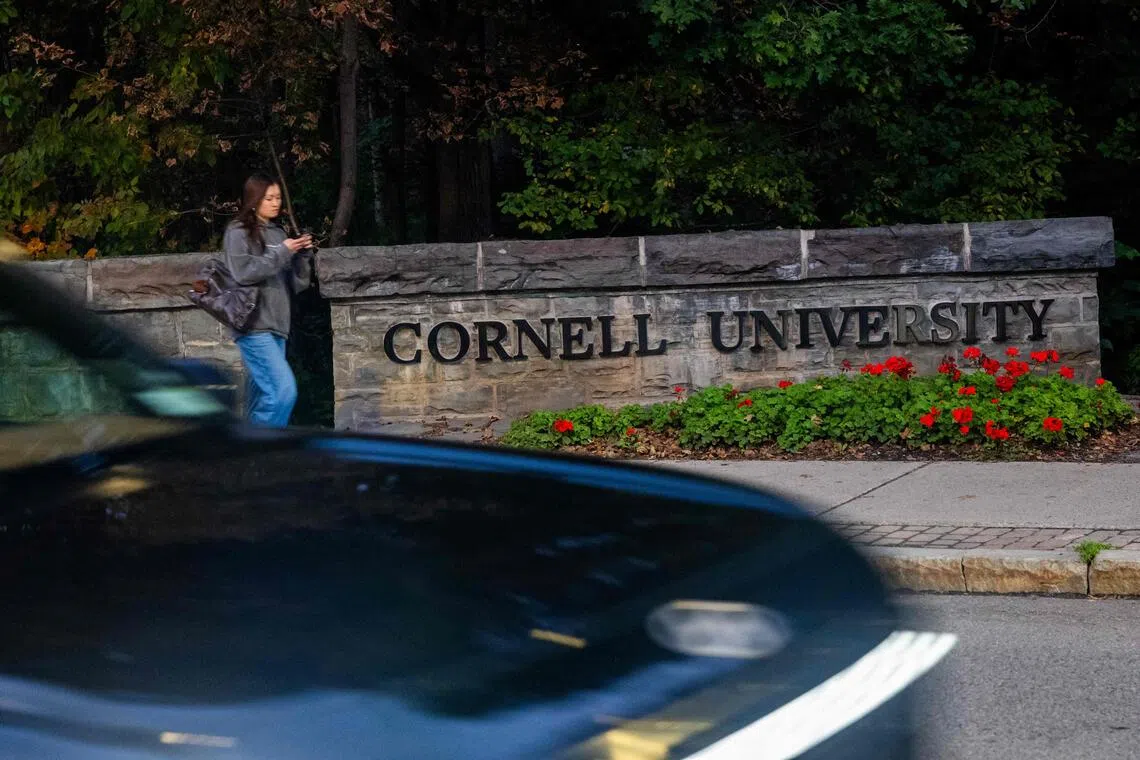
A Cornell University sexual assault allegation has reignited intense political backlash over a controversial New York rape law that legal experts and victim advocates argue shields abusers when victims voluntarily consume alcohol or drugs.
asserted
victims → reignite → alcohol
The outcry follows a decision by Tompkins County District Attorney Matthew Van Houten not to pursue criminal charges in a civil lawsuit involving a woman who alleges she was gang-raped at a Cornell fraternity house in 2024.
asserted
she → follow → 2024
Defending his office's choice, Van Houten pointed directly to New York’s statutory definition of rape, explaining that under state law, prosecutors must prove physical force, an explicit refusal, or that the victim was rendered "physically helpless" through unconsciousness or involuntary drugging.
asserted
victim → defend → unconsciousness
Because the victim voluntarily drank alcohol before the assault and was conscious, the prosecutor stated that criminal charges could not be supported.
uncertain
charges → drink → assault
The decision has thrust New York's "voluntary intoxication loophole" back into the spotlight.
asserted
decision → thrust → spotlight
Under current state statutes, prosecutors face massive legal hurdles when trying to convict individuals who engage in sexual acts with someone so heavily intoxicated that they cannot meaningfully give consent, provided the victim drank or took drugs voluntarily.
asserted
victim → face → drugs
Anti-sexual violence organizations and state lawmakers slammed the statute as outdated and harmful.
asserted
organizations → slam → statute
Stefan Turkheimer, vice president of public policy for RAINN, labeled the legal standard "straight-up victim blaming," warning that it deters victims from coming forward and prevents prosecutors from pursuing cases involving severe incapacitation.
asserted
it → label → incapacitation
Efforts by state lawmakers to close the loophole have repeatedly stalled in the legislature, leaving New York as one of a dwindling number of states where voluntary intoxication cannot be used to prove incapacitation in rape cases.
asserted
intoxication → close → cases
Lawmakers push to close NY rape loophole after Cornell case
New York state lawmakers are renewing an urgent push to eliminate the state’s controversial "voluntary intoxication loophole" following explosive allegations of a gang rape at a Cornell University fraternity house.
asserted
lawmakers → push → house
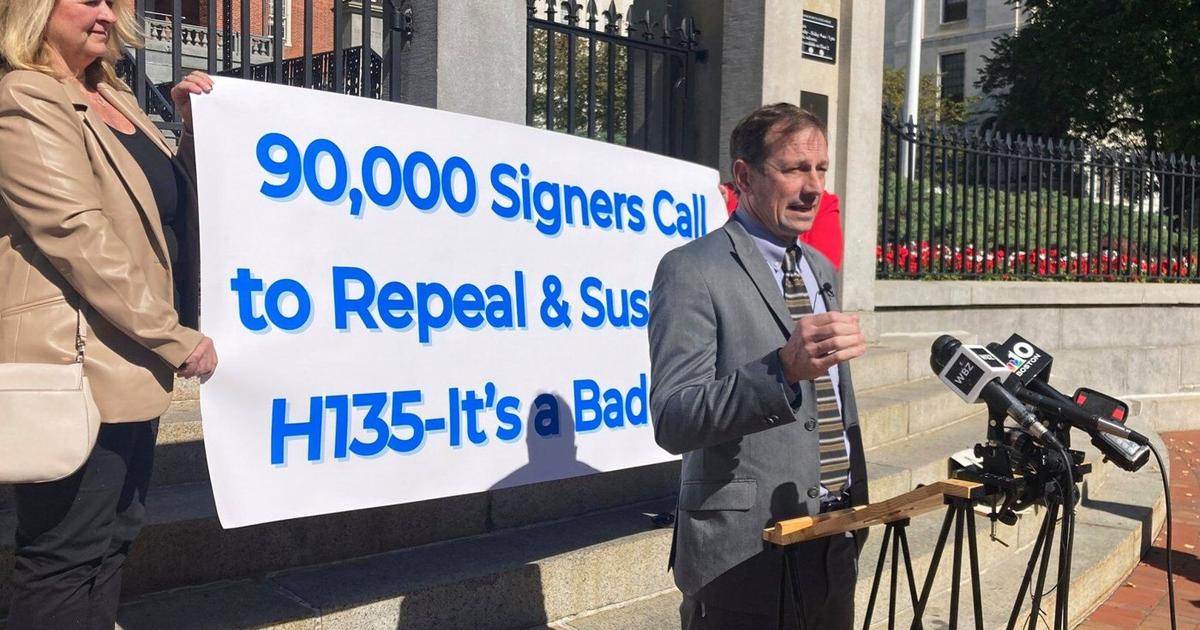
State Assembly Member Jeffrey Dinowitz, who has championed legislative reform on the issue since 2019, slammed the stalled proposals as "outrageous" and declared that the horrific Cornell case represents "exactly the type of situation this legislation would address."
asserted
legislation → champion → situation
District attorneys and victim advocacy groups have long urged the state legislature to pass measures ensuring survivors can seek justice even if they voluntarily consumed drugs or alcohol prior to an assault.
asserted
they → urge → assault
The legislative outrage comes as fresh details emerge from a civil lawsuit filed on Sept. 16 by an unnamed victim.
asserted
details → come → victim
The lawsuit alleges the woman was sexually assaulted at the Chi Phi fraternity house on Cornell's Ivy League campus in October 2024 after being pressured into snorting ketamine, smoking marijuana, and drinking alcohol, leaving her completely incapacitated as fraternity members assaulted her.
asserted
members → allege → her
In response to growing public pressure, Tompkins County District Attorney Matthew Van Houten announced he has reopened the criminal investigation and is considering presenting evidence to a grand jury.
asserted
he → grow → jury
However, Van Houten defended his office's initial decision not to file charges, issuing a statement on Monday asserting that the victim's original statement to police described the male students as incapacitated rather than herself.
asserted
statement → defend → students
Police have refused to release the full document, and the prosecutor's explanation included only sparse, heavily redacted excerpts of her statement, drawing intense scrutiny from victim advocates and lawmakers alike.
asserted
explanation → refuse → advocates
States move to close voluntary intoxication rape loophole
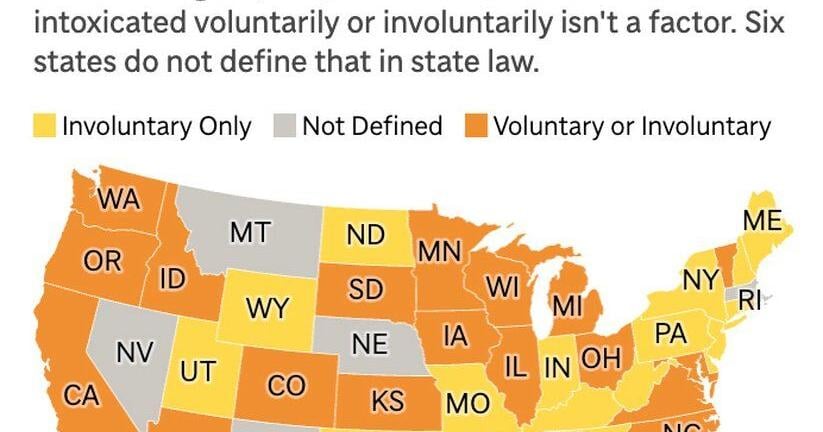
New York remains one of just 19 states where sexual assault statutes classify victims as mentally incapacitated only if they were drugged or intoxicated without their knowledge or consent, according to research by The Associated Press and findings published in The Journal of the American Academy of Psychiatry and the Law.
uncertain
they → move → Psychiatry
While these statutory standards have persisted for decades, a growing national movement is pressing state legislatures to modernize their rape laws.
asserted
movement → persist → laws
Legal and legislative shifts elsewhere demonstrate a clear trend toward reform.
asserted
shifts → demonstrate → reform
In 2021, after the Minnesota Supreme Court overturned a sexual misconduct conviction because the victim had consumed alcohol voluntarily, the state legislature quickly closed the legal loophole.
asserted
legislature → overturn → loophole
Similar legislative overhauls were enacted in Michigan in 2023 and Texas in 2025, ensuring prosecutors can pursue charges whenever a victim lacks the capacity to consent, regardless of how they became intoxicated.
asserted
they → enact → capacity
Legal and medical experts argue that the distinction between voluntary and involuntary intoxication creates a dangerous double standard that protects perpetrators.
"
asserted
that → argue → perpetrators
That business of whether the victim was voluntarily intoxicated or involuntarily intoxicated should really not matter in the vast majority of cases, if not all of them," said Dr. Chinmoy Gulrajani, a psychiatry professor at the University of Minnesota who has extensively researched state sexual assault laws.
asserted
who → matter → laws
"The assailant should have known that this is not a person who is in their right state of mind."
asserted
who → know → mind
Advocates emphasize that these loopholes carry severe consequences on college campuses, where young adults often encounter alcohol and drugs in social environments for the first time.
asserted
adults → emphasize → time
Stefan Turkheimer, vice president of public policy for RAINN, stressed that closing the loophole is not about targeting casual drinking, but about safeguarding individuals who are completely incapacitated.
asserted
who → stress → individuals
"The movement is to look at a person who is incapacitated, regardless of how they got there, and actually give that person protection," Turkheimer said.
asserted
Turkheimer → look → protection
"This is a situation where a person has reached a state where they lack the capacity to consent.
asserted
they → reach → capacity
And in that situation, the law should be protecting those people because they simply can’t protect themselves."
asserted
they → protect → themselves
 The Aporia