An antiquated New York law that shields rapists who target intoxicated victims is under renewed scrutiny in light of the “Cornell 7” case — but Assembly Democrats have long opposed a proposal to close the legal loophole, with one even referring to it as the “ruining drunk sex bill,” The Post has learned.
asserted
Post → shield → bill
The “voluntary intoxication loophole” refers to how current state law doesn’t cover rape victims who chose to drink or get high themselves, even if it means they were too incapacitated to consent later.
asserted
they → refer → victims
“Getting drunk should not be an invitation to getting raped but in the current law, it pretty much is,” state Assemblyman Jeffery Dinowitz — who has backed a bill that would change the law since 2019 — told The Post.
asserted
that → get → Post
“We originally refer to it as a loophole, in fact it is more than a loophole, that’s why we refer to it as the ”voluntary intoxication exclusion.’
asserted
we → refer → exclusion
Sexual assault victims who are voluntarily intoxicated, there’s virtually no chance that they are going to get justice,” he said.
asserted
he → ’ → justice
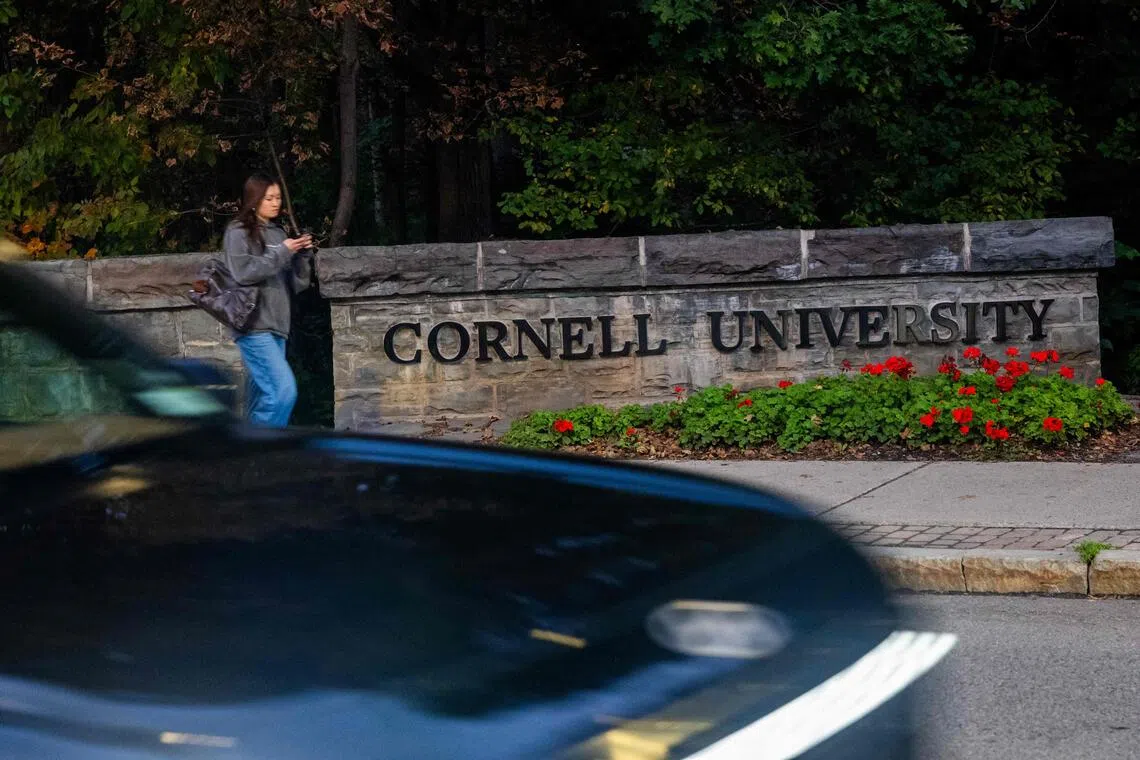
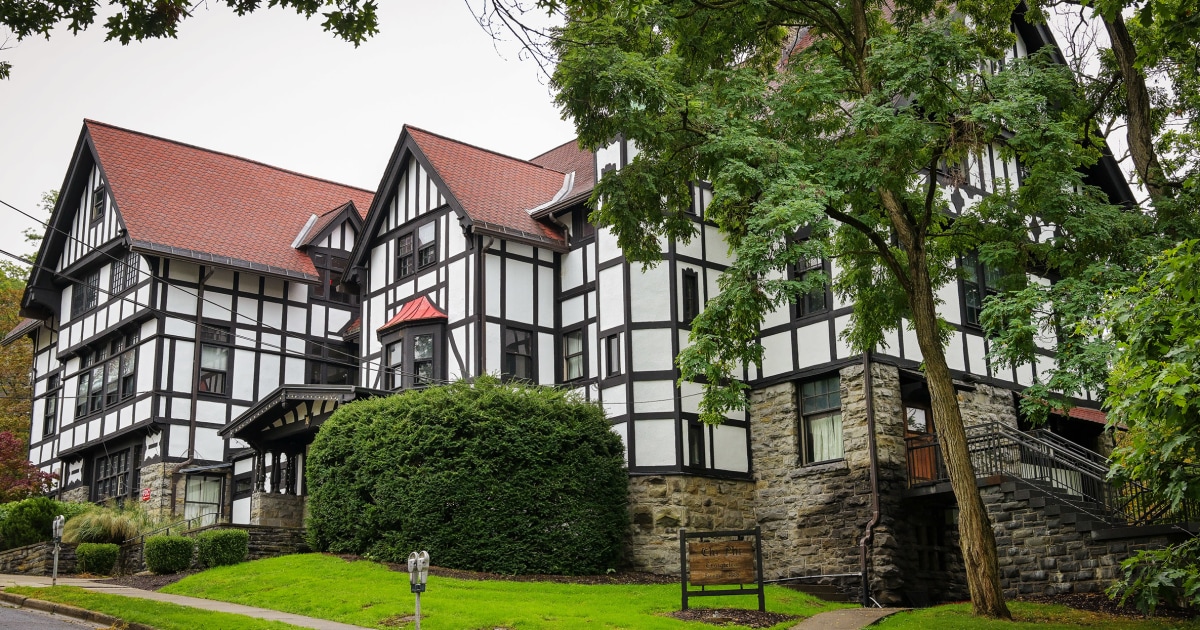
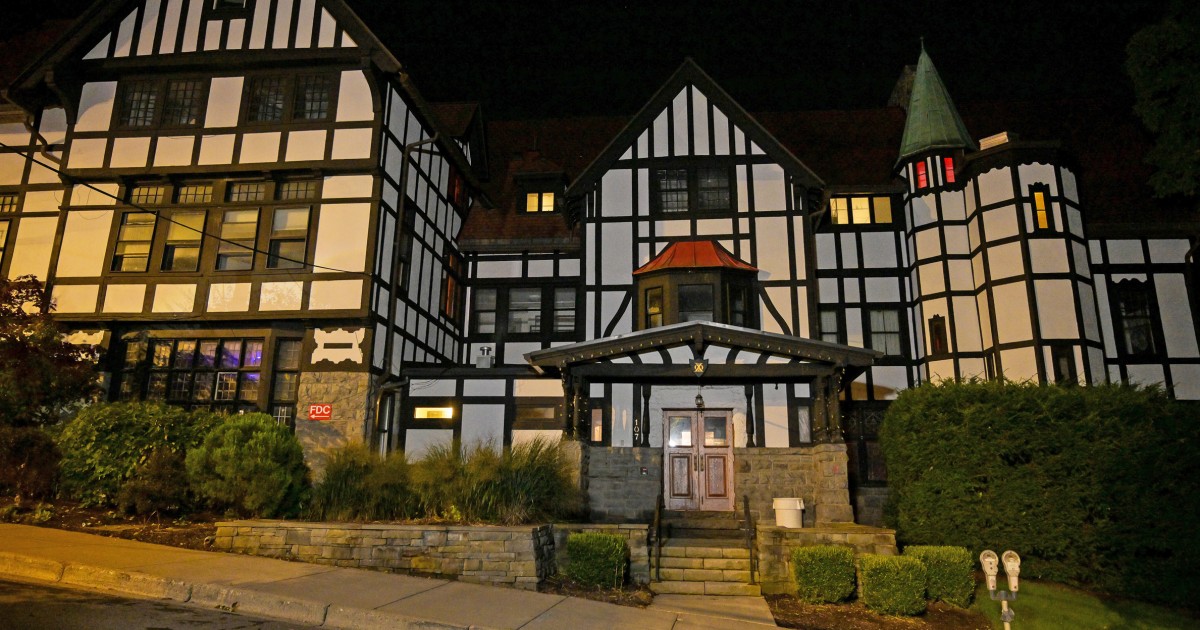
Tompkins County District Attorney Matthew Van Houten cited current law when defending why he didn’t “independently investigate” a Cornell University’s student’s 2024 report to campus police that she had been gang raped at a fraternity house.
asserted
she → cite → house
But the DA admitted that Dinowitz’s proposed “Bill A101” would have required his office to further investigate the report from the now-former student, identified only as Jane Doe — who recently filed a lawsuit against the Ivy League school, prompting Van Houten to reopen a probe.
asserted
who → admit → probe
“Yes, we would have, under the law, had to investigate further and determine what other individuals knew or should have known about her mental state,” Van Houten told The Post.
asserted
Houten → have → Post
“Because if she doesn’t say ‘no’ during the events or if she is not physically helpless or physically unconscious, then the law in New York as it is written now indicates that she consented.”
asserted
she → say → York
The proposed bill aims to protect a victim who, under the influence of a drug or substance, rendered themselves “temporarily incapable of appraising or controlling such person’s conduct.”
asserted
themselves → propose → conduct
But the Democratic-controlled state Legislature has repeatedly failed to close the loophole, and while a version of Dinowitz’s bill passed the state Senate 60-0 in June, it never made it to a floor vote in the lower chamber.
asserted
it → control → chamber
Advocate Chris Lake, a NAACP member and co-chair of the Justice Without Exclusion Coalition said that Assemblyman Pat Burke (D-Buffalo) even admitted to him “me and my colleagues call this the ruining drunk sex bill.”
asserted
me → say → this
Lake said he had pulled Burke aside on May 19 to try and sway him into supporting the bill — and that he and another advocate were stunned by the pol’s “off the rip” response.
uncertain
he → say → response
Burke’s spokesperson confirmed that the assemblyman had a “frank discussion with these advocates” and “relayed how the bill had become colloquially known and how opponents of the measure were likely to characterize it during what would certainly be a contentious floor debate.”
asserted
what → confirm → it
But he said that in light of the Cornell scandal, Burke plans on voting “yes” if the bill is brought to a vote by Assembly Speaker Carl Heastie (D-Bronx) in the upcoming legislative session.
asserted
bill → say → session
Heastie on Wednesday announced the formation of a special “working group” to consider legislation in reaction to the Cornell case.
asserted
Heastie → announce → case
“The allegations being reported out of Cornell University are truly horrifying.
asserted
allegations → report → University
We want to do everything we can to ensure victims of sexual assault see justice served,” he said.
asserted
he → want → assault
Jane Manning, a former sex-crimes prosecutor and director of the Women’s Equal Justice Project, said the Cornell case was an opportunity for legislators to see where the law falls short — and remedy it.
asserted
law → say → it
“New York State law makes it more difficult than it should be to prosecute a case like this because it defines rape so narrowly that it fails to protect a severely intoxicated person from sexual assault unless the person is truly unconscious,” Manning said.
asserted
Manning → make → assault
“This is a glaring omission that advocates have been pointing to for decades.”
asserted
advocates → point → decades
Start your day with all you need to know
Morning Report delivers the latest news, videos, photos and more.
asserted
Report → start → news
Erin Murphy, professor of civil liberties at New York University School of Law, said that had the legal standard been amended as proposed, there would have been a clear cut case for prosecutors to bring rape charges back in 2024.
asserted
prosecutors → say → 2024
But she said that the language of the proposed bill could still be tighter.
uncertain
language → say → bill
“The problem with ‘appraising or controlling’ is that it’s a pretty elastic standard,” she said, but added, “It does do something very important as compared to the current law.
asserted
It → appraise → law
“It makes space for someone to be conscious and yet not capable of expressing unwillingness or in my preferred formulation, of expressing willingness.”
asserted
someone → make → willingness
 The Aporia