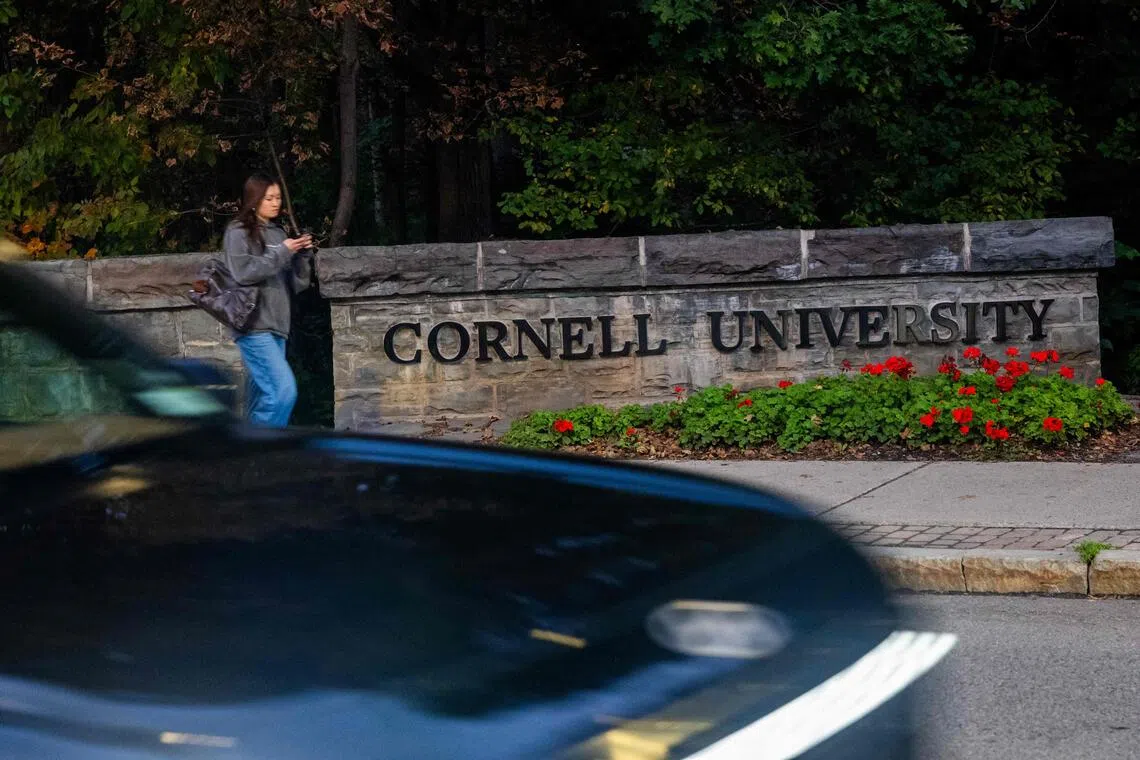
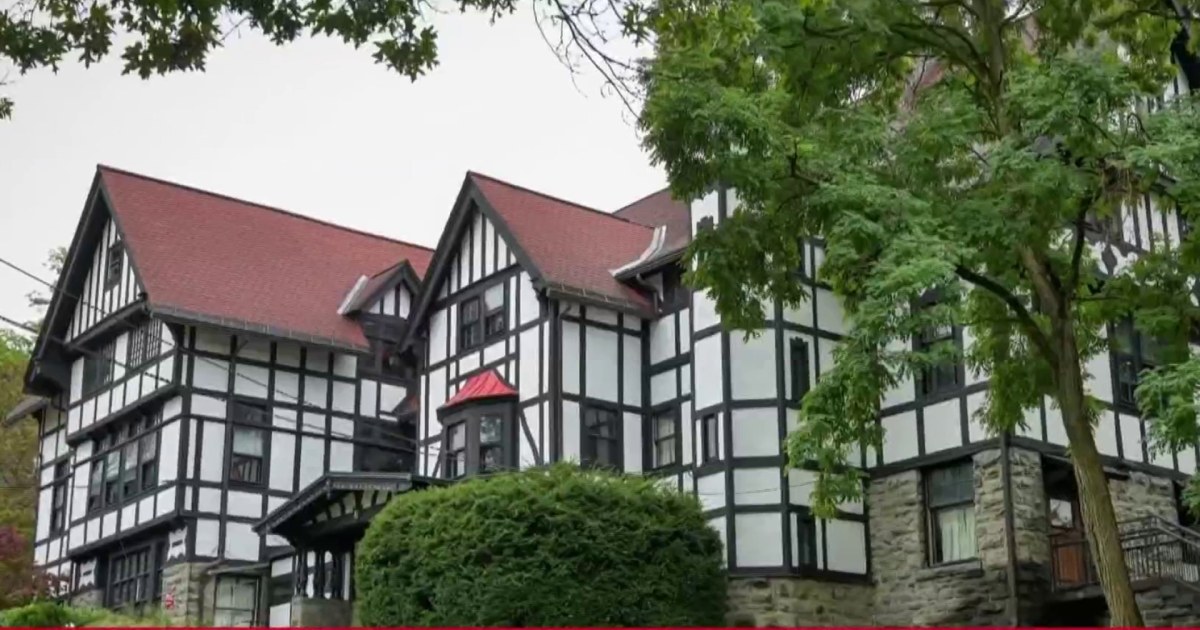
Photo via CBS News

Cornell rape investigation raises questions about New York's laws on consent, intoxication

Read the original at CBS News ↗
Cite

Cornell rape investigation raises questions about New York's laws on consent, intoxication. (2026, October 1). CBS News. https://www.cbsnews.com/video/cornell-rape-investigation-questions-new-yorks-rape-laws-consent-intoxication/

Dated when The Aporia collected the article, usually within hours of publication. Check the original for its exact date and byline.

CBS News · collected 2026-10-01

Quick Summary

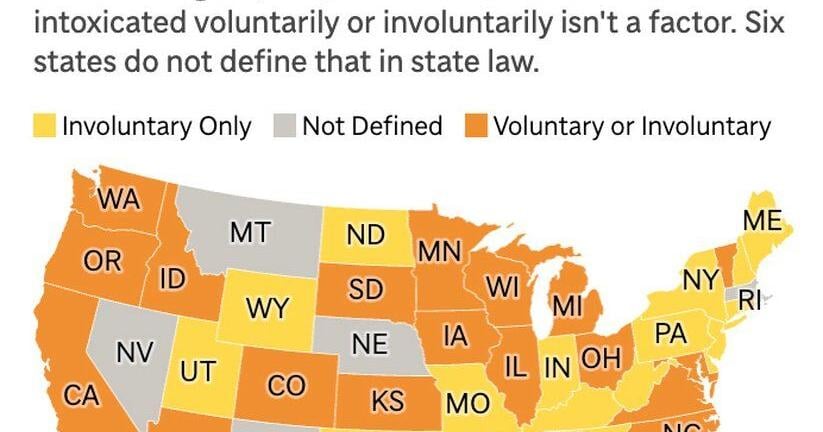
CBS News discusses how the ongoing Cornell University rape investigation highlights a potential issue with New York’s rape laws. These laws may pose challenges in prosecuting cases where the victim consumed alcohol or drugs voluntarily, creating what experts refer to as a legal loophole. Legal analyst Jessica Levinson provides commentary on this situation.
Written by AI on 2026-10-02, from this article's own text only (the story summary below draws on all the coverage).

AI analysis

Story summary

A Cornell University student, identified only as Jane Doe, filed a civil lawsuit alleging she was drugged and gang-raped by seven fraternity members at the Chi Phi house on October 19, 2024. Despite initial investigations that concluded without criminal charges being brought forward, Tompkins County District Attorney Matthew Van Houten has reopened the case and intends to present it to a grand jury with Doe's cooperation, seeking new evidence not previously available.

Doe’s lawyer, Thomas Giuffra, reported that she is in constant fear due to intense public pressure and harassment. She suffers from insomnia and relies on medication to sleep. The case, which has garnered national attention, includes allegations against Cornell University, the fraternity, and other parties involved, leading the university president to suspend all fraternity parties until the end of the academic year for a thorough review.

The reopening of the investigation follows increased scrutiny over Title IX policies at educational institutions, focusing on handling sexual misconduct cases. Despite public campaigns aimed at unmasking Doe and defending the accused men—who deny any wrongdoing—the case remains highly sensitive with significant implications for university policy and legal procedures regarding sexual assault allegations.

Written for “Cornell Bans Fraternity Parties Over Assault Allegations” on 2026-10-31, grounded in this article and the 304 other(s) covering the same event.

Story

📰 Cornell Bans Fraternity Parties Over Assault Allegations
Education · 305 article(s) covering the same event. See how they differ ↓

Compared with similar articles

This article reads leans left and hedges 0% of its claims. Each row says how that neighbour differs.
New York Post
⚖️ Leans left Hedges 12 of 37 claims Outlet record 66/100
Toronto Star
Hedges 2 of 27 claims Outlet record 64/100
The Straits Times
Hedges 10 of 44 claims Outlet record 66/100
“The articles discuss related aspects of the Cornell University rape investigation but do not describe the same specific incident or occurrence.”
NBC News
Outlet record 60/100
“While both articles discuss a Cornell University investigation related to rape allegations, Article A focuses on Cornell's agreement to an independent investigation, whereas Article B discusses broader legal implications and loopholes in New York's laws.”
Mother Jones
⚖️ Leans left Hedges 2 of 95 claims Outlet record 95/100
CBS News
Hedges 1 of 3 claims Outlet record 66/100
“While both articles discuss a rape investigation at Cornell University, Article A focuses on legal issues regarding New York's rape laws, while Article B discusses new information from a Title IX probe.”
New York Post
Hedges 2 of 14 claims Outlet record 66/100
“The articles discuss related issues surrounding New York's laws on consent and voluntary intoxication, but Article A focuses on the investigation at Cornell University, while Article B reports on Governor Hochul's call for legislative changes in response to such incidents.”
How this article was measured signals, leaning charts, publisher record, byline, topics and claims

Signals How these are calculated →

Claims extracted
2
sentences that state something as happening or true
Uncertain
0%
0 of 2 hedged ("reportedly", "may", "according to")
Leaning
Leans left
of the writing, not the subject · beta estimate
Publisher signals
66/100
CBS News's corrections and hedging, across everything collected from it. Not a measure of accuracy.
Outlets on this story
305
Education
Same framing elsewhere
1
articles that frame the event the way this one does
Analyzed 2026-10-02 · how these are computed

How this is being covered How these are calculated →

Article leaning vs. publisher reliability
Source leaning vs. consistency

Publisher

CBS News · 4280 article(s) · 6 correction(s) detected
Running correction rate · 6 correction(s)

Who wrote this

No reporter is named on this article.

Topics

CBS News Cornell University New York's

Subjects

CBS News ORG · 1× Cornell University ORG · 1× Jessica Levinson PERSON · 1× New York's GPE · 1×

Narrative

The Cornell University rape investigation is putting a spotlight on what experts call a legal loophole in New York's rape laws, which makes it harder to prosecute a rape case if the victim was drunk or took drugs willingly.
framing: assertive · carried by 1 article(s) · first seen 2026-10-02
🔮 The Cornell University rape investigation is putting a spotlight on what experts call a legal loophole in New York's rape laws, which makes it harder to prosecute a rape case if the victim was drunk or took drugs willingly.

Claims (2 extracted, 0 hedged)

The Cornell University rape investigation is putting a spotlight on what experts call a legal loophole in New York's rape laws, which makes it harder to prosecute a rape case if the victim was drunk or took drugs willingly. asserted
victim → put → drugs
CBS News legal contributor Jessica Levinson has more. asserted
Levinson → have → more
💬Give feedback
🕘History 🎫Support