The economy, inflation and how those forces could impact the lives of Americans were front and center over the past week.
uncertain
forces → impact → week
Trips to the grocery store and gas station are more painful than they were last year, and rising costs are impacting the decisions of both households and businesses.
asserted
costs → rise → households
Here’s a snapshot of prominent economic data and news that occurred over the past week and what it potentially means for you.
asserted
it → ’ → you
Americans’ view of the economy sinks to lowest level since 2014
asserted
view → sink → 2014
Americans’ confidence in the economy sank to the lowest level in more than a decade this month as prices remain elevated and wages stagnate amid the ongoing Iran war.
asserted
wages → sink → war
The Conference Board said Tuesday that its consumer confidence index tumbled 6.7 points to 81.9 in September, down from 88.6 in August.
asserted
index → say → August
That’s the lowest reading in the board’s survey since April 2014 and below the lowest level reached during the pandemic.
asserted
That → ’ → pandemic
Respondents’ views of their present situation fell by 7.9 points to 109.3.
asserted
views → fall → 109.3
Their short-term outlook also slid, falling 5.9 points to 63.6.
asserted
outlook → slide → 63.6
Americans remain flustered by the economy after five years of elevated inflation, potentially posing a risk to President Donald Trump and Republicans in the midterm elections, which are a little more than a month away.
Write-in responses to the board’s survey, collected from September 1-23, were mostly pessimistic this month, with frequent references to the high cost of gas, goods and services.
asserted
responses → remain → gas
Average long-term US mortgage rate hits highest level in nearly 3 years
asserted
rate → hit → years
The average long-term U.S. mortgage rate jumped this week to its highest level in nearly three years.
asserted
rate → jump → years
The benchmark 30-year fixed-rate mortgage rose to 7.28% from 7.03% last week, mortgage buyer Freddie Mac said Thursday, the biggest leap in several years.
asserted
Mac → fix → years
It is the sixth consecutive week that mortgage rates have increased.
asserted
rates → increase → ?
The average rate is now the highest it’s been since Nov. 22, 2023, when it reached 7.29%.
asserted
it → reach → %
Borrowing costs on 15-year fixed-rate mortgages, often sought by borrowers refinancing a home loan, also climbed this week.
asserted
costs → fix → loan
That average rate increased to 6.60% from 6.42% last week.
asserted
rate → increase → %
Unemployment rate climbs in September
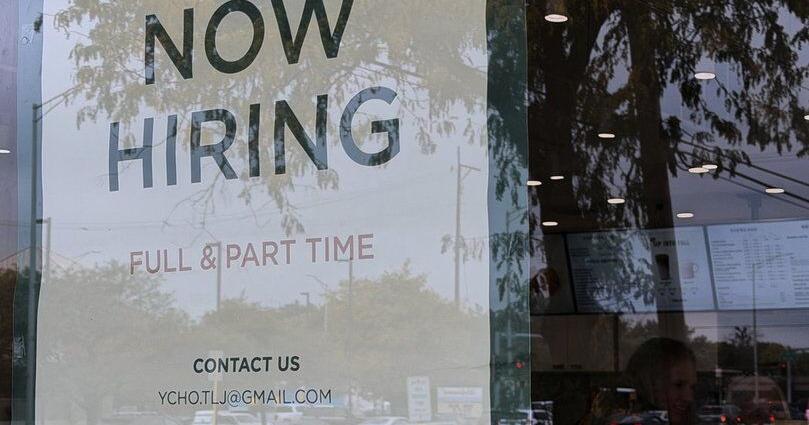
U.S. employers added a disappointing 29,000 jobs and the unemployment rate ticked up last month, the government reported Friday, a month before voters go to the polls in pivotal midterm elections at a time of discontent over the high cost of living and the state of the economy.
asserted
voters → climb → economy
Hiring dropped from a revised 133,000 in August, the Labor Department said.
asserted
Department → drop → August
The unemployment rate rose to a still-low 4.2% from 4.1% in August.
asserted
rate → rise → August
Economists had expected September payrolls to come in around 90,000.
asserted
payrolls → expect → 90,000
Labor Department revisions also shaved 60,000 jobs off combined July and August payrolls.
asserted
revisions → shave → payrolls
US job openings drop in August
U.S. employers posted fewer job openings in August, but the American labor market remains resilient in the face of higher energy costs caused by the fighting with Iran.
asserted
market → post → Iran
U.S. job openings slid to 7.08 million from a revised 7.34 million in July, the Labor Department reported Tuesday.
asserted
Department → slide → July
Openings came in below the 7.2 million that forecasters had expected and were the lowest since they hit 6.9 million in March.
asserted
they → come → March
The department’s Job Openings and Labor Turnover Survey (JOLTS) also showed that layoffs fell and the number of people quitting their jobs — a sign of confidence in their prospects — was little changed in August.
asserted
number → show → August
The JOLTS report’s measure of gross hiring — before subtracting people who quit or lost their jobs — ticked up modestly in August.
asserted
who → subtract → August
Employers may not be laying workers off, but they aren’t hiring nearly as many as they did a few years ago.
uncertain
they → lay → many
Hiring remains well below the 166,000 monthly jobs created, on average, in 2023 and 2024, and the 491,000 a month recorded during the 2021-2022 hiring boom that followed COVID-19 lockdowns.
asserted
that → remain → lockdowns
Inflation cooled slightly in August
Inflation slowed in August as Americans ramped up their spending, though prices are still elevated and a challenge for many voters that will head to the polls for midterm elections in just over a month.
asserted
that → cool → month
Consumer prices rose 3.4% in August compared with a year earlier, the Commerce Department said Wednesday, below the 3.7% economist expectations.
asserted
Department → rise → expectations
On a monthly basis, prices climbed 0.3%, up from 0.1% in July, a sign prices that are still running hot.
asserted
that → climb → July
Excluding the volatile energy and food categories, inflation also came in lower than expected, rising 3% in August from a year ago.
asserted
inflation → exclude → August
And from July to August, core prices rose just 0.2%, up from 0.1% the previous month.
asserted
prices → rise → %
Many economists feared core prices would rise more quickly month-to-month.
asserted
prices → fear → month
US economy grew 2.2% in second quarter
asserted
economy → grow → quarter
The U.S. economy grew at a solid 2.2% pace from April through June as consumer spending and business investment came in strong.
asserted
spending → grow → June
Growth in gross domestic product — the nation’s output of a goods and services — decelerated from a 2.5% pace from January through March, the Commerce Department reported Wednesday.
asserted
Department → decelerate → March
The second-quarter growth was an improvement on the department’s previous estimate of 1.5% — a surprise to economists who had expected little or no change in the GDP number.
asserted
who → expect → number
Consumer spending — which accounts for about 70% of U.S. economic activity — increased at a healthy 3.8% annual pace, up from 0.7% in the January-March period.
asserted
which → account → period
…and 3 more, not listed.
 The Aporia