The Aporia

Al Jazeera Staff. (2026, October 4). Bosnia votes in one of world’s most complicated general elections. Al Jazeera. https://www.aljazeera.com/news/2026/10/4/economic-woes-ethnic-rivalries-shape-bosnias-closely-watched-elections?traffic_source=rss
Al Jazeera Staff. “Bosnia votes in one of world’s most complicated general elections.” Al Jazeera, 4 Oct. 2026, https://www.aljazeera.com/news/2026/10/4/economic-woes-ethnic-rivalries-shape-bosnias-closely-watched-elections?traffic_source=rss.
Al Jazeera Staff. “Bosnia votes in one of world’s most complicated general elections.” Al Jazeera, October 4, 2026. https://www.aljazeera.com/news/2026/10/4/economic-woes-ethnic-rivalries-shape-bosnias-closely-watched-elections?traffic_source=rss.
Dated when The Aporia collected the article, usually within hours of publication. Check the original for its exact date and byline.
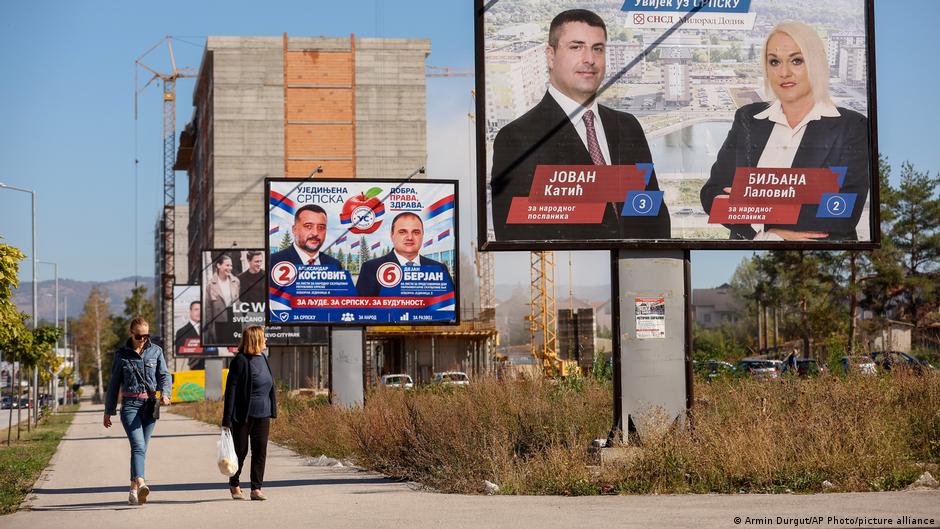
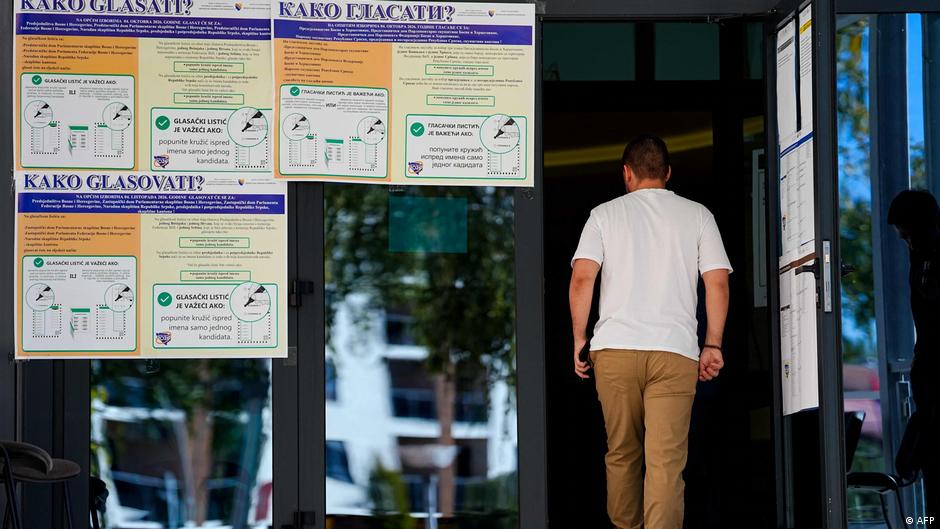
On October 4, Bosnia and Herzegovina held national elections, a complex vote involving around 3.4 million voters, who chose members of the tripartite presidency, lawmakers for the national Parliament, and heads of institutions for the country’s two entities: the Federation of Bosnia and Herzegovina and Republika Srpska. The election was significant due to ongoing tensions between ethnic groups—Bosniaks, Serbs, and Croats—and concerns about Russia's influence in the region through politicians like pro-Russian Milorad Dodik, who has been banned from public office but continues to wield considerable influence despite not appearing on the ballot. Voters expressed frustration over economic issues, slow progress towards joining the European Union, and persistent political gridlock. The election results could impact Bosnia’s EU bid and the balance of power between local ethnic parties and multi-ethnic opposition coalitions.