Photo via Washington Examiner

Russian researcher who studied plague died of mysterious illness: What to know

Read the original at Washington Examiner ↗
Cite

Knox, B. (2026, October 5). Russian researcher who studied plague died of mysterious illness: What to know. Washington Examiner. https://www.washingtonexaminer.com/policy/healthcare/4753577/russian-researcher-studied-plague-died-mysterious-illness-what-to-know/

Dated when The Aporia collected the article, usually within hours of publication. Check the original for its exact date and byline.

Washington Examiner · collected 2026-10-05 · by Brady Knox

Quick Summary

Daria Shipilova, a 28-year-old lab technician at Russia’s Anti-Plague Institute in Irkutsk Oblast, died of pneumonia of unknown origin after being hospitalized for two days and placed on a ventilator. Following her death, public health officials quarantined nearly 200 people who had close contact with Shipilova. The Russian government agency Rospotrebnadzor investigated the case, ruling out any connection to plague or other dangerous pathogens from her work. Despite initial fears of an outbreak, testing showed only two cases of COVID-19 and two cases of rhinovirus among those quarantined, leading officials to declare stability in the sanitary situation by early next week.
Written by AI on 2026-10-05, from this article's own text only (the story summary below draws on all the coverage).

AI analysis

Story summary

A 28-year-old laboratory assistant named Darya Shipilova died in early October after reportedly breaking a test tube containing potentially dangerous pathogens at the Irkutsk Anti-Plague Research Institute in Shelekhov, Russia. Despite extensive speculation that she may have contracted pneumonic plague, Russian authorities continue to maintain that her death was due to pneumonia of unknown origin and have not identified the specific pathogen involved. At least 197 people who had close contact with Shipilova were placed under quarantine or surveillance, while international health organizations like the CDC remain vigilant but assert that the risk to other countries is minimal. The incident has sparked concerns about Russia's transparency regarding biological research and safety protocols at such facilities.

Written for “Plague Outbreak In Siberia” on 2026-11-01, grounded in this article and the 113 other(s) covering the same event.

Story

📰 Plague Outbreak In Siberia
Health · 114 article(s) covering the same event. Compare every outlet's account →

Compared with similar articles

This article reads unscored and hedges 7% of its claims. Each row says how that neighbour differs.
Euronews
Hedges 3 of 35 claims Outlet record 60/100
South China Morning Post
Hedges 1 of 4 claims Outlet record 63/100
NBC News
Hedges 4 of 21 claims Outlet record 60/100
NBC News
Hedges 0 of 3 claims Outlet record 60/100
The Straits Times
Hedges 5 of 44 claims Outlet record 66/100
NBC News
Hedges 4 of 24 claims Outlet record 60/100
Global News
Hedges 0 of 14 claims Outlet record 63/100
Mother Jones
Hedges 5 of 16 claims Outlet record 95/100
How this article was measured signals, leaning charts, publisher record, byline, topics and claims

Signals How these are calculated →

Claims extracted
27
sentences that state something as happening or true
Uncertain
7%
2 of 27 hedged ("reportedly", "may", "according to")
Leaning
not political
takes no side on a contested political question
Publisher signals
70/100
Washington Examiner's corrections and hedging, across everything collected from it. Not a measure of accuracy.
Outlets on this story
114
Health
Same framing elsewhere
1
articles that frame the event the way this one does
Analyzed 2026-10-05 · how these are computed

How this is being covered How these are calculated →

Article leaning vs. publisher reliability
Source leaning vs. consistency

Publisher

Washington Examiner · 3895 article(s) · 7 correction(s) detected
Running correction rate · 7 correction(s)

Who wrote this

Brady Knox
83 article(s) here · 1 carrying a prediction
🔮 On Friday, Editor-in-Chief Sergei Sokolov announced that the newspaper would be shutting down for good due to pressure from authorities, dramatically beginning his statement with, “We were killed.”
2026-10-30 · assertive framing · Russia shuts down last independent newspaper
🔮 Pope Leo XIV may become the first-ever pope to vote in a secular election, let alone a U.S. one, as he ordered a mail-in ballot for the 2026 midterm elections.
🔮 Israel’s 2026 parliamentary elections are set to amount to political deadlock, with neither Prime Minister Benjamin Netanyahu nor Gadi Eisenkot getting enough votes to form a government.
🔮 A judge ruled in favor of his deportation, but said he couldn’t be deported to Mali over fears of persecution.
🔮 President Donald Trump said that work on the East Potomac Golf Links course in Washington, D.C., would begin “immediately,” despite a legal challenge.
🔮 The graph showed the climb in price over time, with annotations showing major events in Iran and Ukraine that could have had an effect.
🔮 Zelensky then said Ukraine would no longer obey Trump’s ceasefire in an interview with the Financial Times, in which the Ukrainian president also spoke openly about his anger over the United States allegedly throttling Ukraine’s access to Starlink and intelligence.
🔮 Secretary of War Pete Hegseth claimed the Department of War would field “hundreds of thousands” of one-way attack systems in 2026, and that the second Trump administration inherited no such programs from the Biden administration.
🔮 That threat moves again because they will.
🔮 He raised his candidacy for the award by claiming he had “saved more lives than anyone in history” since he prevented Iran from obtaining a nuclear weapon, which the country would use to blow up “the entire Middle East, and ultimately far beyond the Middle East.”
Also by Brady Knox
Russia shuts down last independent newspaper
2026-10-30 · Washington Examiner
Nothing else under this byline is closely related to this article, so these are simply their most recent.
All 83 articles by Brady Knox →

Topics

Irkutsk Irkutsk Oblast Rospotrebnadzor Russia Shelekhov

Subjects

Rospotrebnadzor ORG · 5× Irkutsk GPE · 4× Russia GPE · 4× Shipilova PERSON · 4× Kobzev PERSON · 3× Shelekhov GPE · 3× Irkutsk Oblast GPE · 2× Anti-Plague Institute ORG · 1× Daria Shipilova PERSON · 1× Kremlin ORG · 1×

Narrative

A 28-year-old lab technician in Russia’s far east working on research at the country’s Anti-Plague Institute died of “pneumonia of unknown etiology,” on Thursday, triggering a public health lockdown involving the quarantining of 200 other people.
framing: assertive · carried by 1 article(s) · first seen 2026-10-05
🔮 Those under quarantine could be discharged next week, Kobzev said.
2026-10-05 · Washington Examiner
Russian researcher who studied plague died of mysterious illness: What to know · assertive framing

Claims (27 extracted, 2 hedged)

A 28-year-old lab technician in Russia’s far east working on research at the country’s Anti-Plague Institute died of “pneumonia of unknown etiology,” on Thursday, triggering a public health lockdown involving the quarantining of 200 other people. asserted
technician → work → people
Daria Shipilova, 28, was hospitalized and put on a ventilator on Tuesday, then died two days later. asserted
Shipilova → hospitalize → Tuesday
The research facility is located within Irkutsk Oblast, in Siberia. asserted
facility → locate → Siberia
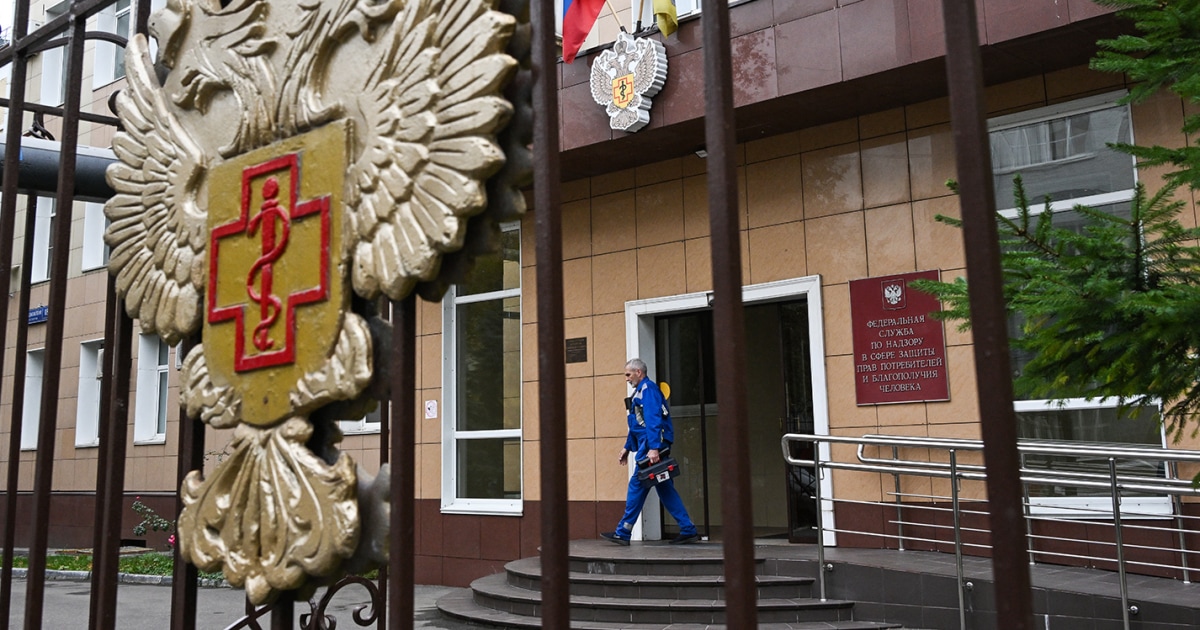
The diagnosis of “pneumonia of unknown etiology” was given by Rospotrebnadzor, Russia’s public health and consumer protection agency, in the conclusion of its investigation by a special expert commission. asserted
diagnosis → give → commission
Kremlin spokesman Dmitri Peskov urged the public to keep calm and only listen to professionals from the group regarding the situation, rather than “rumors and speculation.” asserted
Peskov → urge → rumors
“Professionals from Rospotrebnadzor are handling the situation with the infection in the Irkutsk region; this falls within their area of expertise,” he said on Monday. asserted
he → handle → Monday
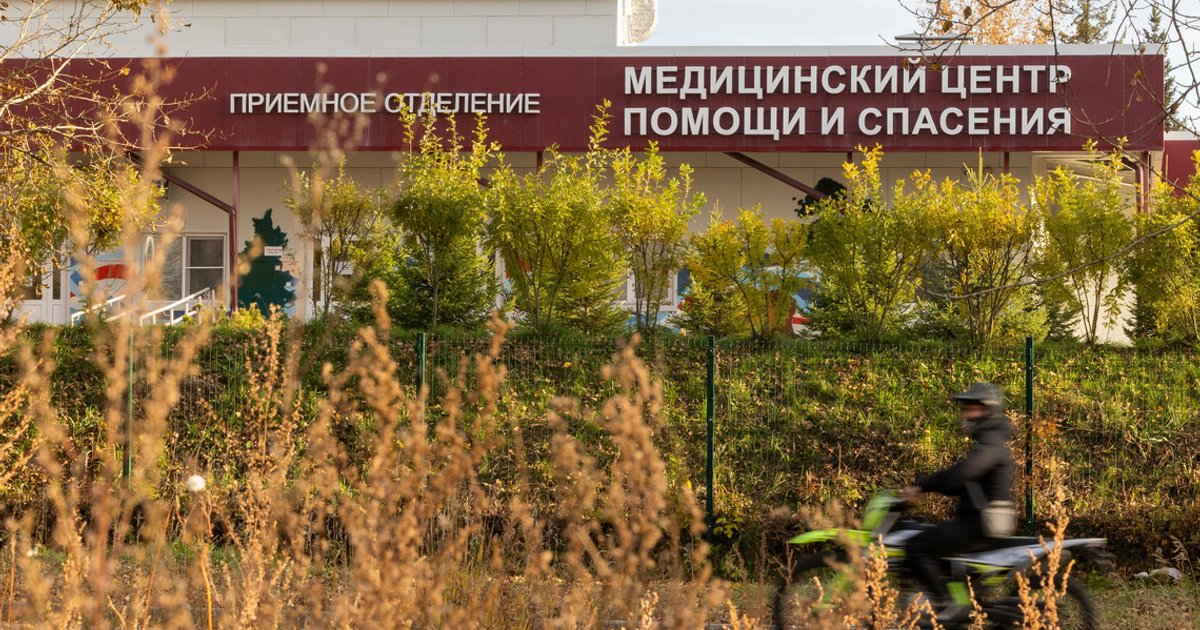
After Shipilova’s death at Shelekhov district hospital, a town near the capital of Irkutsk, the hospital was put under quarantine. asserted
hospital → put → quarantine
Rospotrebnadzor chief Anna Popova flew to Irkutsk to coordinate the response, which included a meeting with Irkutsk Oblast Gov. Igor Kobzev. asserted
which → fly → Kobzev
Kobzev urged calm in a Telegram post on Friday after the meeting, saying the matter was under control. asserted
matter → urge → control
“All identified contact persons have been placed under medical observation. asserted
persons → identify → observation
As of today, the contacts show no signs of illness, and their laboratory test results are negative,” he said. asserted
he → show → illness
On Sunday, Rospotrebnadzor announced the results of its investigation, finding no microorganisms related to Shipilova’s work in her biological samples. asserted
Rospotrebnadzor → announce → samples
All her close contacts, nearly 200 people, were put under quarantine and strict observation, but daily testing found only two cases of COVID-19 and two cases of rhinovirus. asserted
testing → put → rhinovirus
Kobzev put out another statement on Monday, effectively declaring the crisis over. asserted
Kobzev → put → crisis
“The sanitary and epidemiological situation in Irkutsk and the Shelekhov district is currently stable,” he said. asserted
he → say → Irkutsk
“The situation remains under our control and under the control of the experts.” asserted
situation → remain → experts
Those under quarantine could be discharged next week, Kobzev said. uncertain
Kobzev → discharge → quarantine
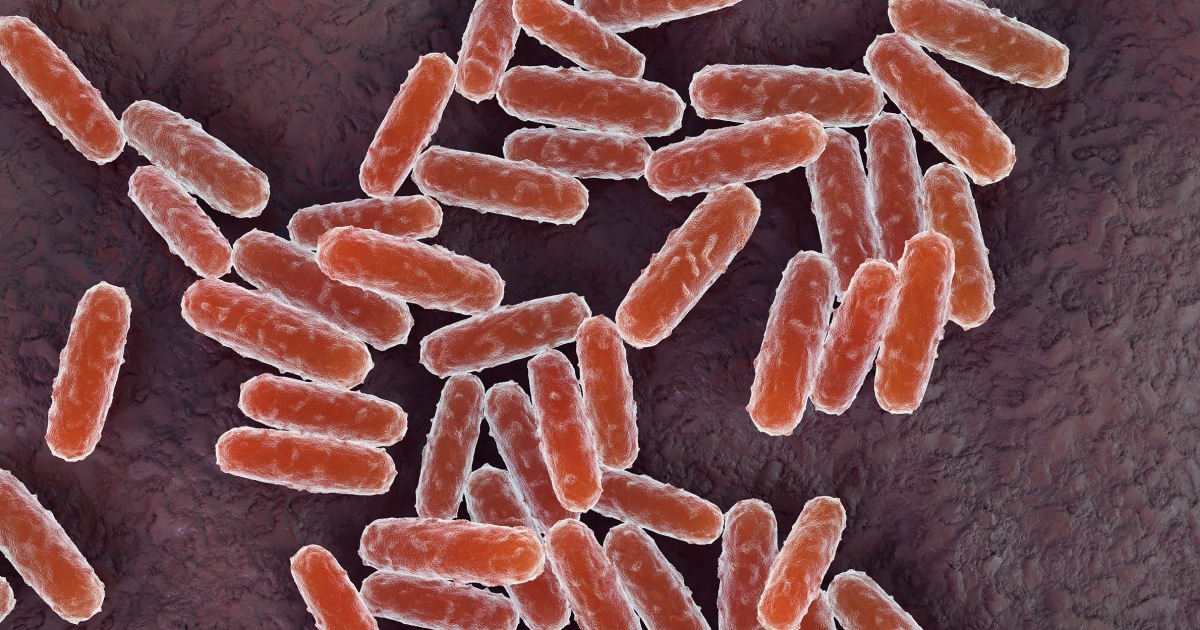
An initial, widely repeated report claimed that Shipilova said she fell ill after accidentally breaking a vial of Yersinia pestis, but Rospotrebnadzor gave an implicit denial, saying that no accident at the facility had occurred. asserted
accident → repeat → facility
Some official messaging was confused in the first few days. Alexei Tsydenov, head of the neighboring republic of Buryatia, originally said the woman died of plague, but later edited his post to say “may have.” uncertain
woman → confuse → post
Countries bordering Russia have increased border controls over the outbreak, including Kazakhstan, Kyrgyzstan, and Uzbekistan. asserted
Countries → border → Kazakhstan
The U.S. has taken a publicly cautious approach. asserted
U.S. → take → approach
A Trump administration official told Axios on Sunday that it “is aware, monitoring the outbreak, and assessing options.” asserted
it → tell → options
No reports or evidence suggest that the lab Shipilova was working at was involved in bioweapons research, as most instances of laboratory biosecurity-related incidents have revolved around Russia previously. asserted
instances → suggest → Russia
One of the most infamous disease research-related deaths occurred in the secret Siberian city of Koltsovo, hundreds of miles west of Shelekhov, in 1988. asserted
One → relate → 1988
Soviet researcher Nikolai Ustinov accidentally pricked himself with a syringe containing Marburg virus — a disease which bleeds the victim to death and to which there is no cure — while testing it on guinea pigs. asserted
which → prick → pigs
He quarantined himself and documented his painful demise over around two weeks. asserted
He → quarantine → weeks
After his death, his colleagues harvested the virus from his body and turned it into a bioweapon, named “Variant U” in his honor. asserted
colleagues → harvest → honor

💬Give feedback
🕘History 🎫Support