The Aporia

Chea, T., Berger, N., & Ramakrishnan, A. (2026, October 5). California scientist wins a Nobel Prize, then makes school lunches for his kids. Toronto Star. https://www.thestar.com/news/world/europe/california-scientist-wins-a-nobel-prize-then-makes-school-lunches-for-his-kids/article_e2dc8f25-dedf-546f-847e-77b9650997cd.html
Chea, Terry, et al. “California scientist wins a Nobel Prize, then makes school lunches for his kids.” Toronto Star, 5 Oct. 2026, https://www.thestar.com/news/world/europe/california-scientist-wins-a-nobel-prize-then-makes-school-lunches-for-his-kids/article_e2dc8f25-dedf-546f-847e-77b9650997cd.html.
Chea, Terry, Noah Berger, and Adithi Ramakrishnan. “California scientist wins a Nobel Prize, then makes school lunches for his kids.” Toronto Star, October 5, 2026. https://www.thestar.com/news/world/europe/california-scientist-wins-a-nobel-prize-then-makes-school-lunches-for-his-kids/article_e2dc8f25-dedf-546f-847e-77b9650997cd.html.
Dated when The Aporia collected the article, usually within hours of publication. Check the original for its exact date and byline.
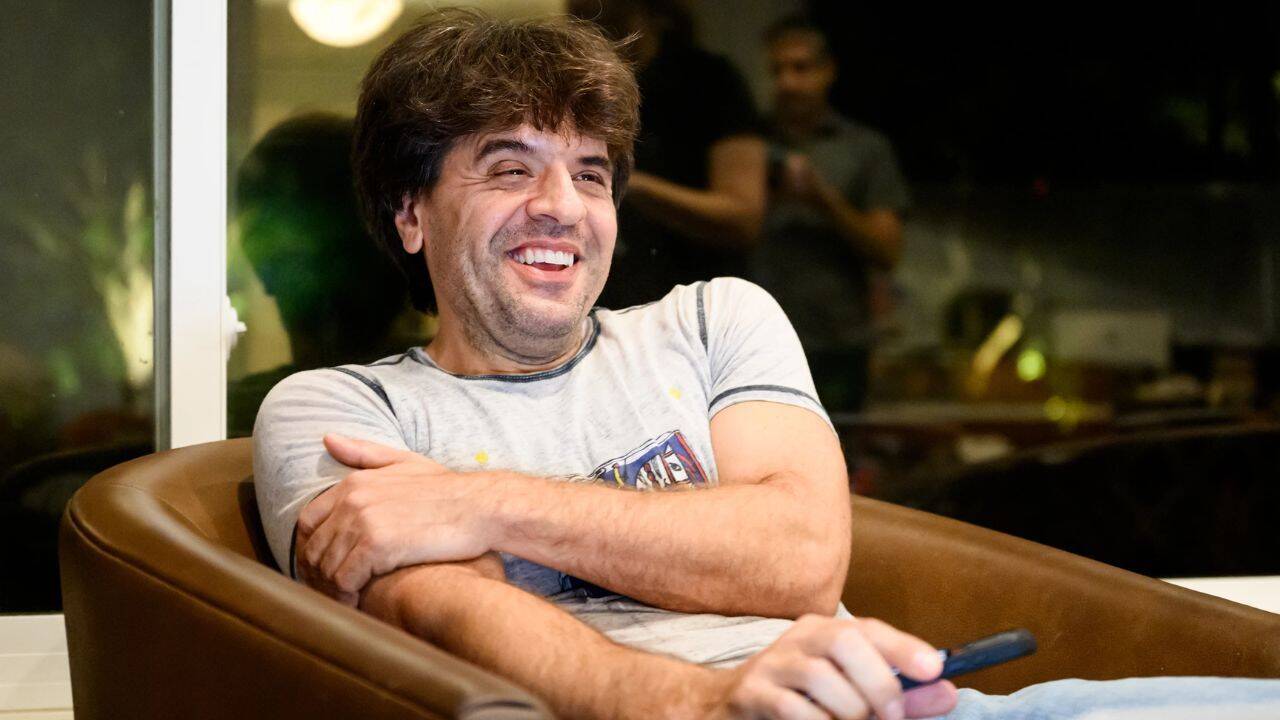
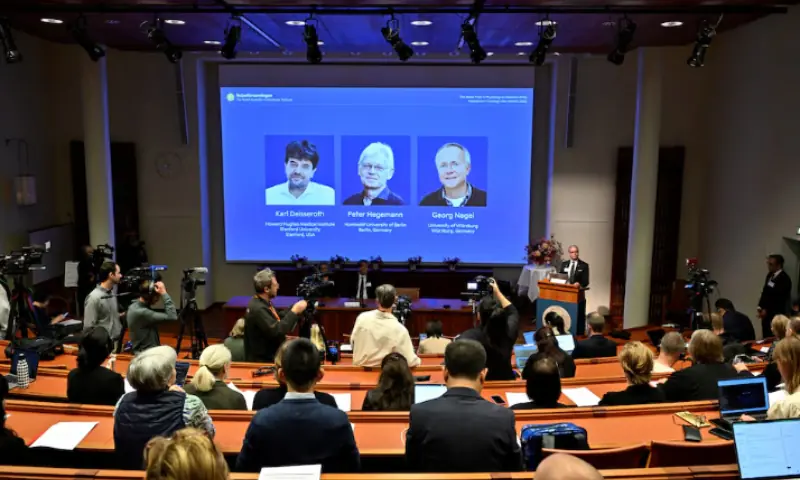
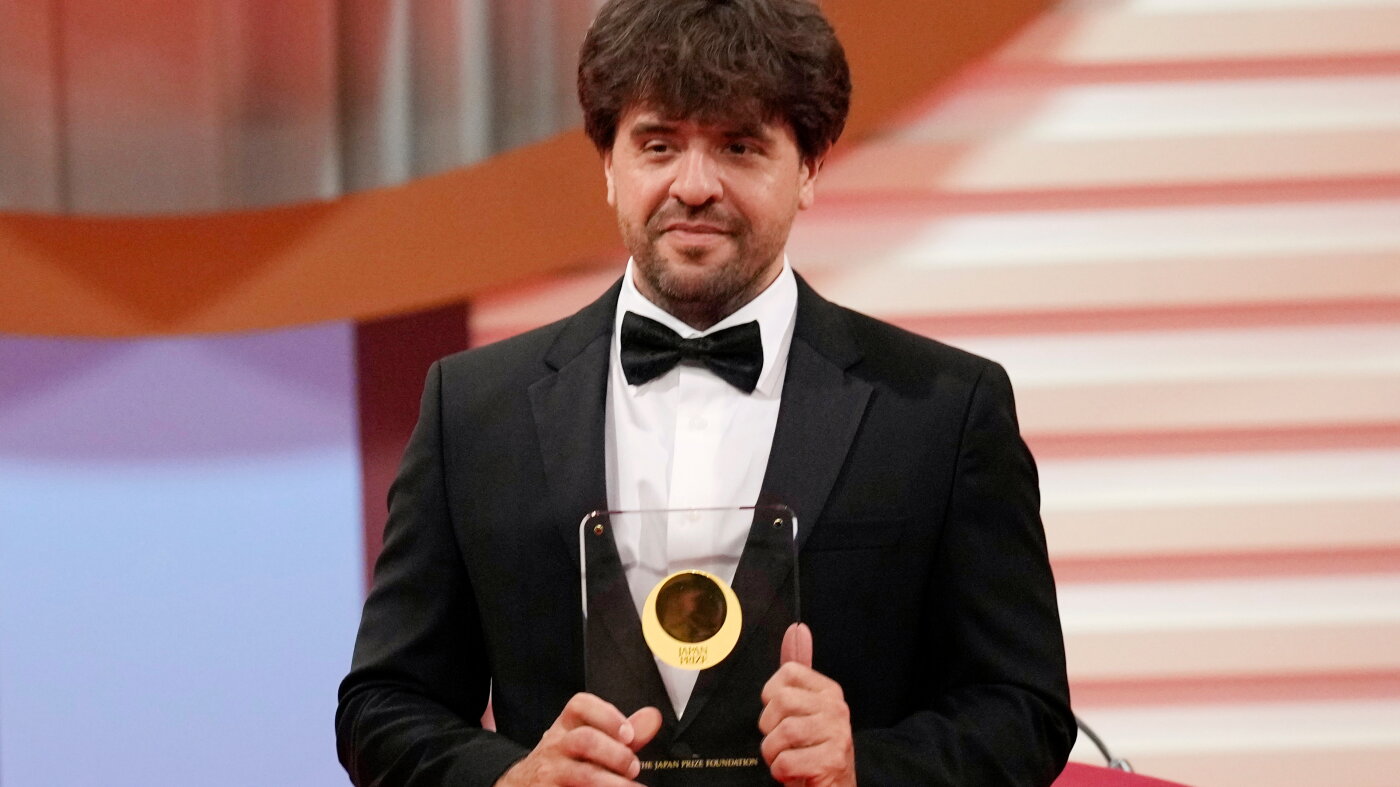
Dr. Karl Deisseroth, a scientist at Stanford University in California, won the 2026 Nobel Prize in Physiology or Medicine for his groundbreaking work in optogenetics. After receiving congratulatory calls from journalists and well-wishers during the early hours of Monday morning, October 5th, Dr. Deisseroth needed to take a break to make school lunches for his children who were asleep at home in Stanford. His research, which combines light with genes to control neurons in living brains, was recognized alongside German researchers Peter Hegemann and Georg Nagel, marking a significant advancement in brain science. Despite the accolades, Dr. Deisseroth prioritized his family responsibilities by preparing meals for his children before they headed off to school that morning.