The Aporia
View, T. H. (2026, October 6). Immigration set to be battleground issue in next election. The Sydney Morning Herald. https://www.smh.com.au/politics/federal/immigration-set-to-be-battleground-issue-in-next-election-20261006-p61341.html?ref=rss&utm_medium=rss&utm_source=rss_feed
View, The Herald's. “Immigration set to be battleground issue in next election.” The Sydney Morning Herald, 6 Oct. 2026, https://www.smh.com.au/politics/federal/immigration-set-to-be-battleground-issue-in-next-election-20261006-p61341.html?ref=rss&utm_medium=rss&utm_source=rss_feed.
View, The Herald's. “Immigration set to be battleground issue in next election.” The Sydney Morning Herald, October 6, 2026. https://www.smh.com.au/politics/federal/immigration-set-to-be-battleground-issue-in-next-election-20261006-p61341.html?ref=rss&utm_medium=rss&utm_source=rss_feed.
Dated when The Aporia collected the article, usually within hours of publication. Check the original for its exact date and byline.
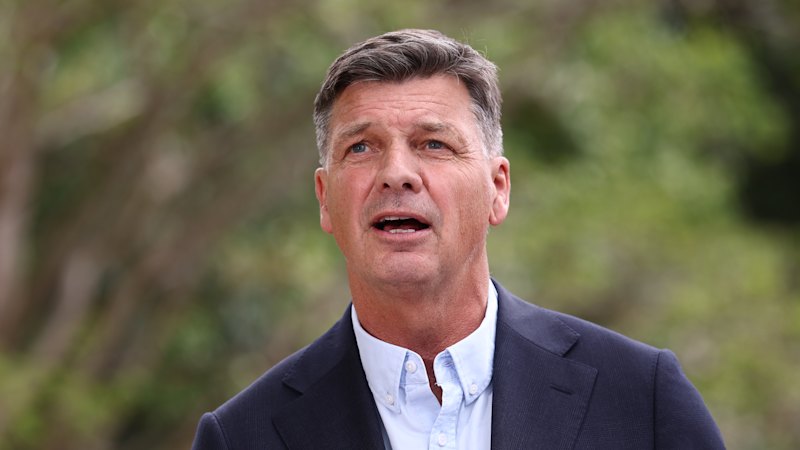
Angus Taylor, the leader of Australia's Coalition party, announced plans on Tuesday to significantly reduce migration, aiming to slash net overseas migration from its current level of nearly 300,000 people per year to about 100,000 in the first year if his party wins the next election. This reduction would halve over four years and settle at 160,000 per year after that period, below Labor's target but higher than One Nation's goal of 130,000 annually.
Taylor’s policy includes cutting temporary visa holders by around 650,000 over four years and reducing the number of working holiday-maker visas by 23,700 by 2031/32 while raising fees for those coming to non-regional areas. The policy also proposes halving refugee intakes from 20,000 to 10,000 people a year.
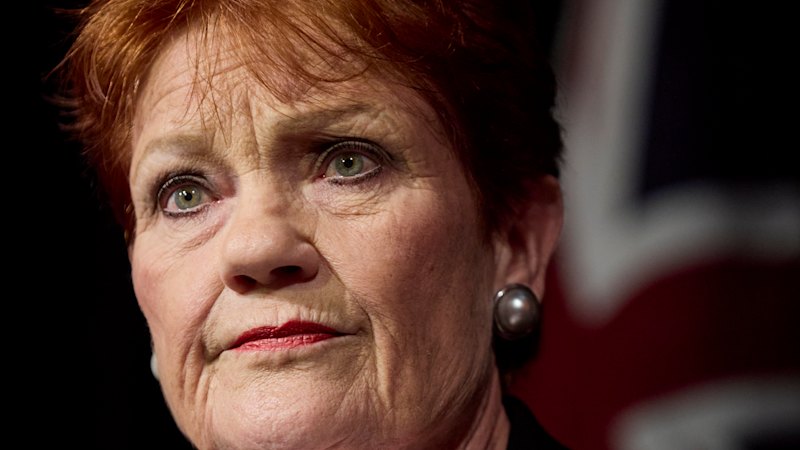
This move aims to counter the growing popularity of Pauline Hanson’s One Nation party, which has capitalized on voter concerns over immigration and its impact on housing affordability and public services. Taylor claims his plan would not hurt Australia's economy or budget, contrasting with Labor’s reforms that faced cabinet friction over lower migration targets' economic implications.
The announcement reflects a broader trend in Australian politics, where major parties are increasingly adopting more restrictive immigration policies to address issues such as high house prices and infrastructure strain, traditionally favored by opposition groups like One Nation.