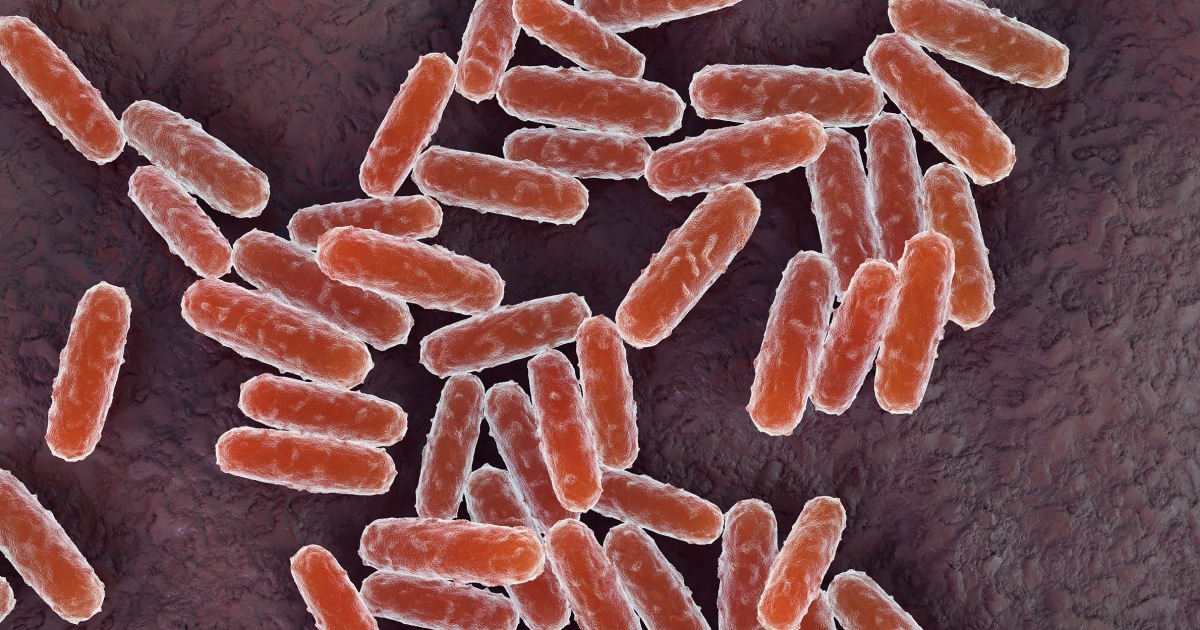
Photo via Daily Mail

I was at the helm of the Soviet Union's secret bioweapons program. This is what I fear most about the mystery plague lab death in Russia

Read the original at Daily Mail ↗
Cite

Reinl, J. (2026, October 6). I was at the helm of the Soviet Union's secret bioweapons program. This is what I fear most about the mystery plague lab death in Russia. Daily Mail. https://www.dailymail.com/news/article-16184049/Soviet-Union-secret-bioweapons-plague-lab-death-Russia.html?ns_mchannel=rss&ns_campaign=1490&ito=1490

Dated when The Aporia collected the article, usually within hours of publication. Check the original for its exact date and byline.

Daily Mail · collected 2026-10-06 · by James Reinl

Quick Summary

Dr. Ken Alibek, formerly second-in-command of the Soviet Union’s secret bioweapons program, warns of potential dangers related to a mysterious death at a Russian plague laboratory. Darya Shipilova, a 28-year-old lab worker, died from pneumonia of unknown origin on October 2 after being hospitalized since September 29. Around 200 people are under monitoring in Russia's Irkutsk region. Alibek fears that if those monitored start dying or failing to respond to standard antibiotics, it could indicate a dangerous drug-resistant strain linked to the lab accident where Shipilova reportedly broke a test tube possibly containing plague bacteria. He also expresses concern about Russia’s continued biological weapons development and the potential for information suppression by authorities.
Written by AI on 2026-10-06, from this article's own text only (the story summary below draws on all the coverage).

AI analysis

Story summary

A 28-year-old laboratory assistant named Darya Shipilova died in early October after reportedly breaking a test tube containing potentially dangerous pathogens at the Irkutsk Anti-Plague Research Institute in Shelekhov, Russia. Despite extensive speculation that she may have contracted pneumonic plague, Russian authorities continue to maintain that her death was due to pneumonia of unknown origin and have not identified the specific pathogen involved. At least 197 people who had close contact with Shipilova were placed under quarantine or surveillance, while international health organizations like the CDC remain vigilant but assert that the risk to other countries is minimal. The incident has sparked concerns about Russia's transparency regarding biological research and safety protocols at such facilities.

Written for “Plague Outbreak In Siberia” on 2026-10-31, grounded in this article and the 113 other(s) covering the same event.

Story

📰 Plague Outbreak In Siberia
Health · 114 article(s) covering the same event. Compare every outlet's account →

Compared with similar articles

This article reads unscored and hedges 24% of its claims. Each row says how that neighbour differs.
New York Post
⚖️ Leans left Hedges 4 of 21 claims Outlet record 66/100
“While both articles discuss concerns related to a Russian plague lab and potential bioweapons activity, they describe different aspects of the situation—one focusing on the questions raised by an outbreak at the lab, while the other features Dr. Alibek's perspective on a mysterious death at the lab.”
Mother Jones
Hedges 5 of 16 claims Outlet record 96/100
“Article A reports on the death of a researcher due to exposure to a virus in the Irkutsk Anti-Plague Institute, while Article B features an opinion piece by Dr. Ken Alibek commenting on this incident, but does not describe the same specific event.”
NBC News
Hedges 4 of 21 claims Outlet record 60/100
“Article A reports on the death of a lab worker and the subsequent medical observations, while Article B provides commentary from an expert regarding the potential implications of the incident described in Article A.”
Washington Examiner
Hedges 2 of 27 claims Outlet record 70/100
“While both articles discuss the death of a researcher at a Russian plague laboratory, Article A focuses on the details and aftermath of Daria Shipilova's death, while Article B features an expert opinion about the incident without covering the specific event itself.”
South China Morning Post
Hedges 1 of 4 claims Outlet record 64/100
“Article A reports on the death of a lab technician from plague at an anti-plague institute in Siberia, while Article B discusses Dr Ken Alibek's concerns about this incident but does not describe it as the same specific event.”
Semafor
Hedges 0 of 4 claims Outlet record 60/100
“Article A reports on US and EU officials monitoring a suspected pneumonic plague case in Russia, while Article B features an interview with Dr Ken Alibek commenting on the mysterious death of a lab worker at a Russian plague laboratory. These are related but distinct events.”
Daily Mail
Hedges 16 of 91 claims Outlet record 68/100
“The articles describe different aspects of a situation involving a mysterious death at a Russian plague laboratory, but they do not report on the exact same specific incident or time frame.”
Fox News
⚖️ Leans strongly left Hedges 1 of 25 claims Outlet record 69/100
“While both articles discuss concerns related to a mysterious death at a Russian plague research institute, they describe different aspects and sources of information.”
Daily Mail
⚖️ Leans left Hedges 2 of 33 claims Outlet record 68/100
“Article A discusses Dr. Alibek's concerns over a mysterious death at a Russian plague laboratory, while Article B reports on funding received by a research project tied to the same lab but focuses on the financial aspect and the university partnership.”
NBC News
Hedges 0 of 3 claims Outlet record 60/100
How this article was measured signals, leaning charts, publisher record, byline, topics and claims

Signals How these are calculated →

Claims extracted
49
sentences that state something as happening or true
Uncertain
24%
12 of 49 hedged ("reportedly", "may", "according to")
Leaning
withheld
no quote in the article backed the model's score
Publisher signals
68/100
Daily Mail's corrections and hedging, across everything collected from it. Not a measure of accuracy.
Outlets on this story
114
Health
Same framing elsewhere
1
articles that frame the event the way this one does
Analyzed 2026-10-06 · how these are computed

How this is being covered How these are calculated →

Article leaning vs. publisher reliability
Source leaning vs. consistency

Publisher

Daily Mail · 8489 article(s) · 20 correction(s) detected
Running correction rate · 20 correction(s)

Who wrote this

James Reinl
5 article(s) here · 1 carrying a prediction
🔮 Jesse Van Rootselaar, 18, opened fire in the library at Tumbler Ridge Secondary School in British Columbia on February 10, killing one teacher and five students James 'Cody' Bryant, 30, of Bellingham, Washington, was arrested Tuesday after federal prosecutors accused him of communicating extensively with Jesse Van Rootselaar in the months before the February 10 attack Thousands of miles away in Florida, Bryant's family has been left reeling that someone with 'a lot of potential' could have allegedly played a part in such horror.
🔮 Ken Alibek testified to Congress about Russia's bioweapons programs after he defected in 1992 Lab worker Darya Shipilova died in Siberia of pneumonia after reportedly breaking a test tube Health officials have been pictured in the Irkutsk wearing hazmat suits amid plague response Reports from independent media said Shipilova may have accidentally broken a test tube containing live plague bacteria.
🔮 In May, the board concluded its inquiry and stripped MacIntyre, 53, of her medical license.
🔮 'I pray every day for her safety,' one family member said, adding that they wished she would step away from public life entirely: 'I would like for her to get fully out of it.
🔮 Like many headstrong teenagers, she added, Jake believed he could beat the odds.
Also by James Reinl
Nothing else under this byline is closely related to this article, so these are simply their most recent.

Topics

Biopreparat Irkutsk Russia Russian the Soviet Union's

Subjects

Russia GPE · 8× Alibek PERSON · 4× Shipilova PERSON · 4× Irkutsk GPE · 3× Russian NORP · 3× Darya Shipilova PERSON · 2× Ken Alibek PERSON · 2× Rospotrebnadzor ORG · 2× the Daily Mail ORG · 2× the Soviet Union's GPE · 1×

Narrative

If a pathogen appeared particularly deadly or difficult to treat, it was ultimately passed into the hands of Biopreparat, the secret organization responsible for developing the Soviet Union's biological weapons, he said.
framing: mixed · carried by 1 article(s) · first seen 2026-10-06
🔮 Ken Alibek testified to Congress about Russia's bioweapons programs after he defected in 1992 Lab worker Darya Shipilova died in Siberia of pneumonia after reportedly breaking a test tube Health officials have been pictured in the Irkutsk wearing hazmat suits amid plague response Reports from independent media said Shipilova may have accidentally broken a test tube containing live plague bacteria.

Claims (49 extracted, 12 hedged)

Published: | Updated: If anyone knows what Russia's secret biological weapons program is capable of, it is Dr Ken Alibek. asserted
it → publish → what
The 76-year-old was once the No. 2 man in the Soviet Union's vast Biopreparat germ-warfare machine, overseeing a secret network of laboratories developing deadly pathogens for use as weapons. asserted
old → oversee → weapons
He defected to the United States in 1992 and spent decades exposing the program he had helped run. asserted
he → defect → program
Now Alibek is warning that the mysterious death of a young worker at a Russian plague laboratory needs to be watched closely. asserted
death → warn → laboratory
'It's highly suspicious,' Alibek told the Daily Mail. asserted
Alibek → tell → Mail
Almost 200 people are reportedly being monitored in Russia's Irkutsk region after 28-year-old laboratory worker Darya Shipilova died from pneumonia of 'unknown' origin last week. uncertain
Shipilova → monitor → origin
Shipilova worked at the Irkutsk Anti-Plague Research Institute of Siberia and the Far East, a 1930s facility in Shelekhov, near Irkutsk. She was hospitalized on September 29 and died on October 2. asserted
She → work → October
Russian authorities have not confirmed that she had plague. asserted
she → confirm → plague
Today, local media claimed a second person had died and it appears that national media has begun wiping its reports about the situation, raising fears of a cover-up. asserted
media → claim → up
Ken Alibek testified to Congress about Russia's bioweapons programs after he defected in 1992 Lab worker Darya Shipilova died in Siberia of pneumonia after reportedly breaking a test tube Health officials have been pictured in the Irkutsk wearing hazmat suits amid plague response Reports from independent media said Shipilova may have accidentally broken a test tube containing live plague bacteria. uncertain
Shipilova → testify → bacteria
Plague can take several forms, but its most dangerous is pneumonic plague, which infects the lungs and can spread from person to person through respiratory droplets. asserted
which → take → droplets
Alibek said he would be particularly concerned if more people being monitored in Russia's quarantine camps begin to die or fail to respond to standard antibiotics – a possible warning sign that a dangerous, drug-resistant strain could be involved. uncertain
strain → say → antibiotics
Antibiotics have kept plague largely at bay since they became widespread in the 1940s. asserted
they → keep → 1940s
But pneumonic plague remains extraordinarily dangerous when untreated. asserted
plague → remain → ?
A 2020 CDC review found that 98 percent of patients with pneumonic plague who received no antibiotics died, compared with 17 percent of those who were treated. asserted
who → find → those
The evidence suggests a drug-resistant strain could be devastating. uncertain
strain → suggest → ?
Russia's long history of secretly turning deadly diseases into weapons is another cause for concern, he said. asserted
he → turn → concern
'Russia is working on biological weapons, no doubt, otherwise they wouldn't have built such huge facilities in recent years,' Alibek said, pointing to an expansion of Russian biological facilities in recent years. asserted
Alibek → work → years
He warned that if the two deaths are connected to a laboratory accident, the Kremlin's playbook of secrecy could make it difficult for the outside world to find out what really happened. uncertain
what → warn → secrecy
'Definitely the information about that case is absolutely closed now,' he said, speaking to the Daily Mail just hours before the federal television channel REN TV deleted all five of its reports about the situation. asserted
channel → close → situation
'I'm 100 percent sure that you wouldn't get any new information except maybe some cover story about what really happened.' asserted
what → get → story
Russia's health watchdog says investigators found no evidence of an accident involving dangerous pathogens. asserted
investigators → say → pathogens
Still, authorities in Siberia have imposed extensive precautions, with hundreds of people Shipilova had come into contact with placed in quarantine and parts of the hospital where she died restricted. asserted
she → impose → hospital
Neighboring countries including Mongolia, Kyrgyzstan and Uzbekistan are tightening border health controls. asserted
countries → neighbor → controls
If it turns out the be pneumonic plague, quarantining close contacts of the infected is crucial because the infection spreads via droplets when people cough. asserted
people → turn → droplets
Anna Popova, head of Russia's health watchdog, Rospotrebnadzor, traveled to the region as officials mounted an emergency response. asserted
officials → travel → response
Rospotrebnadzor said samples taken from Shipilova did not reveal microorganisms linked to her work. asserted
samples → say → work
Officials also said no laboratory accident involving dangerous pathogens has been found. asserted
accident → say → pathogens
But some reports have claimed that five days before she fell ill, Shipilova accidentally broke a test tube containing Yersinia pestis – the bacterium that causes plague – while working at the institute. asserted
that → claim → institute
The conflicting accounts have deepened the mystery. asserted
accounts → conflict → mystery
Alibek said the Irkutsk facility sits within a much broader Soviet scientific infrastructure that had links to military research. asserted
that → say → research
During the 1970s and 1980s, he said, Soviet scientists studied natural strains of disease that could have military uses. uncertain
that → say → uses
If a pathogen appeared particularly deadly or difficult to treat, it was ultimately passed into the hands of Biopreparat, the secret organization responsible for developing the Soviet Union's biological weapons, he said. asserted
he → appear → weapons
Alibek has previously described Soviet efforts to create antibiotic-resistant versions of Yersinia pestis as a weapon. asserted
Alibek → describe → weapon
A researcher from Irkutsk Anti-Plague Institute during a field trip That history makes the current response in Irkutsk worth close attention, he said. asserted
he → make → Irkutsk
'If amongst people who are quarantining, you'll see more people dying, it can be antibiotic resistant,' Alibek told the Daily Mail. asserted
Alibek → quarantine → Mail
Though he never worked with the Shelekhov lab, he said it would doubtless have connections to the bioweapons program, and scientists there may have been modifying diseases. uncertain
scientists → work → diseases
And there is evidence that Russia has been pouring money into some of the same military-linked biological research facilities inherited from the Soviet era. asserted
Russia → be → era
The US government has assessed that Russia inherited the Soviet offensive biological weapons program and has not provided evidence that it was completely dismantled. asserted
it → assess → evidence
It has also accused Moscow of modernizing Soviet-era facilities that could support an offensive program. uncertain
that → accuse → program
…and 9 more, not listed.

💬Give feedback
🕘History 🎫Support