The Aporia
The Straits Times. (2026, October 7). Iranian official says ‘illegal routes’ in Strait of Hormuz to soon be blocked. The Straits Times. https://www.straitstimes.com/world/middle-east/iranian-official-says-illegal-routes-in-strait-of-hormuz-to-soon-be-blocked
The Straits Times. “Iranian official says ‘illegal routes’ in Strait of Hormuz to soon be blocked.” The Straits Times, 7 Oct. 2026, https://www.straitstimes.com/world/middle-east/iranian-official-says-illegal-routes-in-strait-of-hormuz-to-soon-be-blocked.
The Straits Times. “Iranian official says ‘illegal routes’ in Strait of Hormuz to soon be blocked.” The Straits Times, October 7, 2026. https://www.straitstimes.com/world/middle-east/iranian-official-says-illegal-routes-in-strait-of-hormuz-to-soon-be-blocked.
Dated when The Aporia collected the article, usually within hours of publication. Check the original for its exact date and byline.
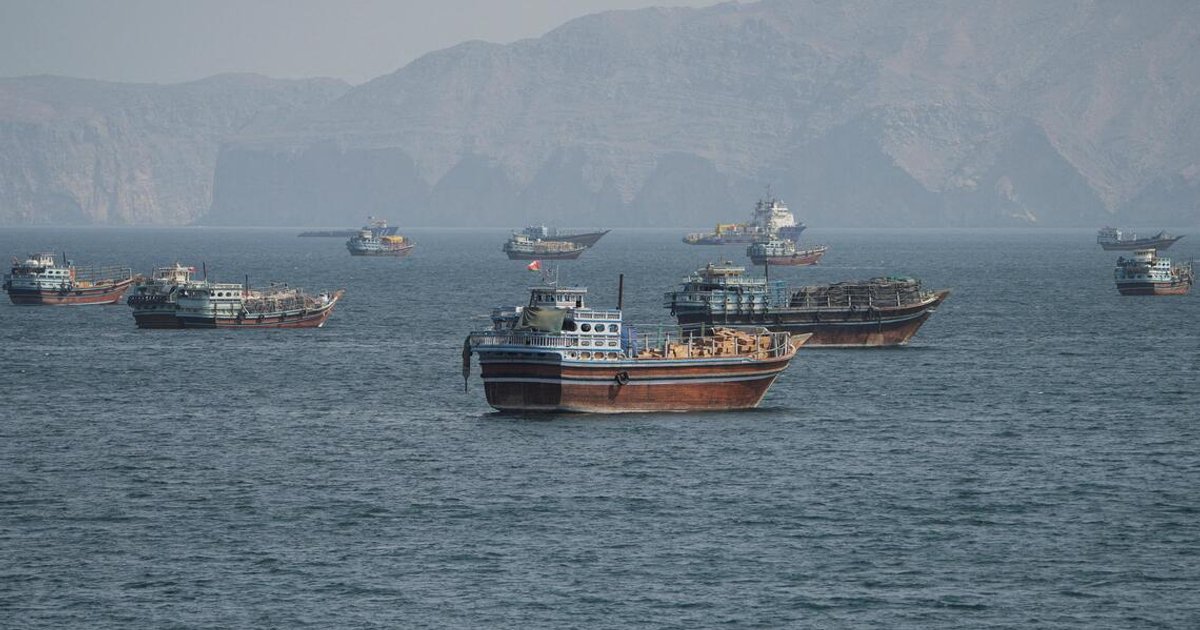
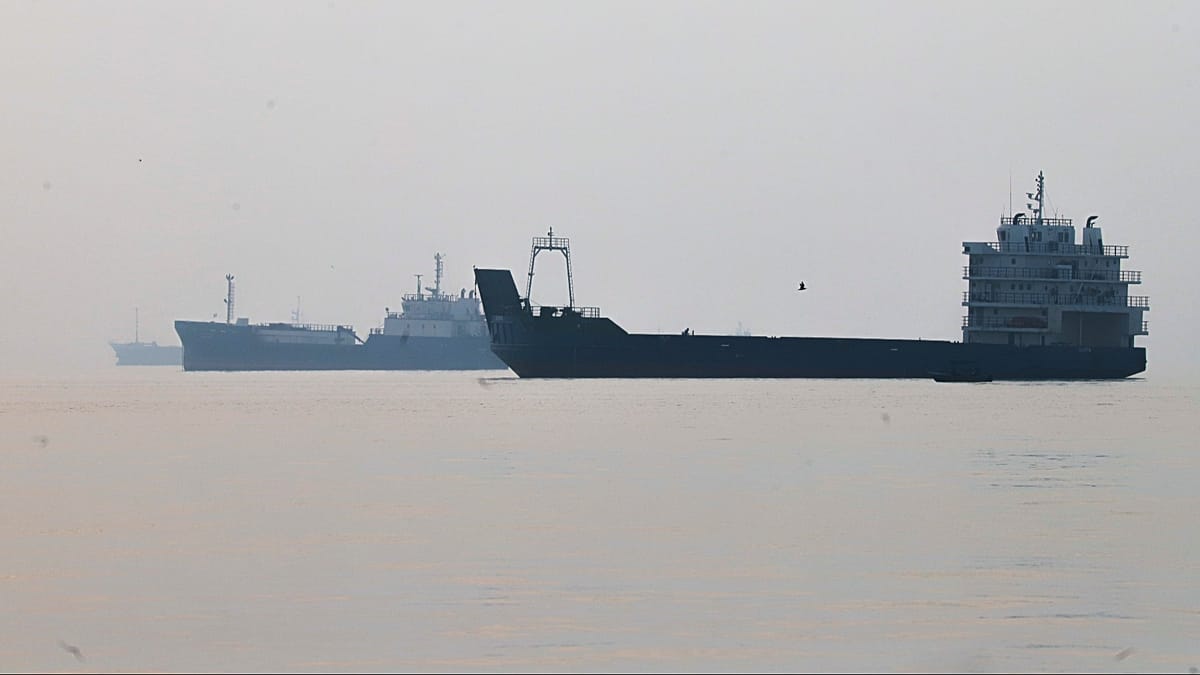
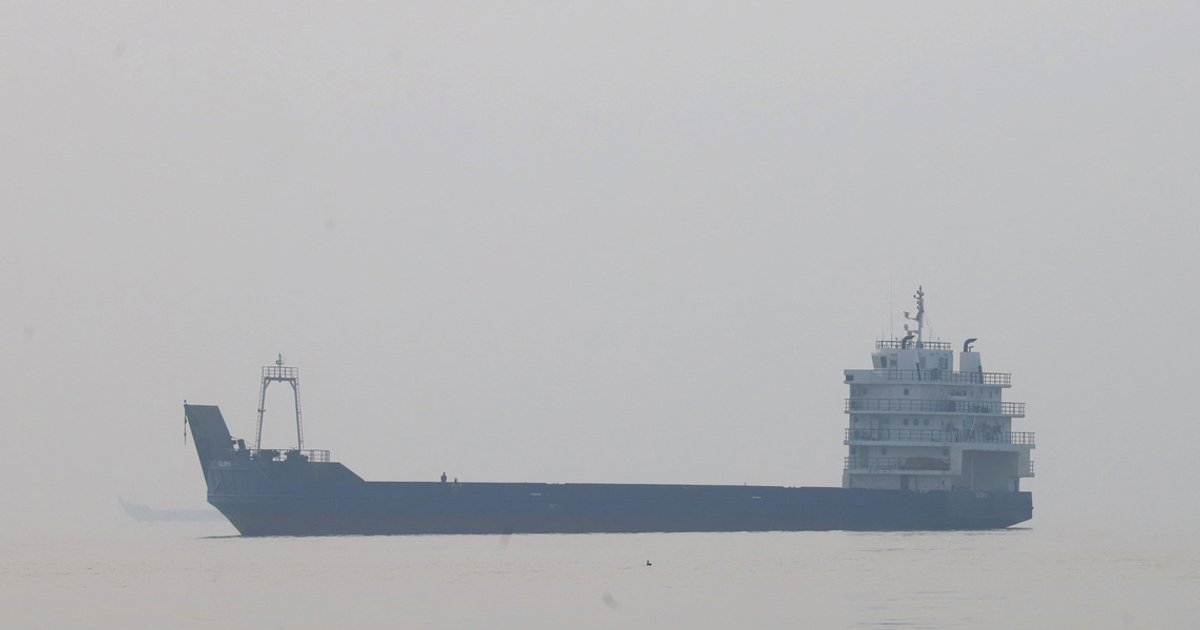
On October 7, Mohammadreza Naqdi, an adviser to the Revolutionary Guards’ Commander, told the semi-official Fars News Agency that Iran would soon close what it considers "illegal routes" through the Strait of Hormuz. These routes, located along Oman’s coast, were reportedly created by damaging rocky passages and are used for oil smuggling activities. Naqdi asserted that the Strait of Hormuz is already closed with full control over its waterways held by the Iranian armed forces. He stated this situation will continue until Iran's demands are met.
Despite these claims, data from Kpler showed a seven-day moving average of crude exports from the region at 18.3 million barrels per day on September 30, indicating that Gulf oil exports were actually above pre-war levels for 14 days in September. This contradicts Naqdi's assertion about the strait’s closure and challenges the narrative that Iran is significantly impeding oil transit through the strategically vital waterway.