Photo via ABC News (US)

WHO officials say unclear how Russia plague lab worker died

Read the original at ABC News (US) ↗
Cite

Kekatos, M., & Leyva, O. (2026, October 8). WHO officials say unclear how Russia plague lab worker died. ABC News (US). https://abcnews.com/Health/officials-unclear-russia-plague-lab-worker-died-call/story?id=137032253

Dated when The Aporia collected the article, usually within hours of publication. Check the original for its exact date and byline.

ABC News (US) · collected 2026-10-08 · by Mary Kekatos, Othon Leyva

Quick Summary

WHO officials announced they lack sufficient information from Russian authorities regarding the death of a plague laboratory worker in Siberia. Over 200 individuals have been placed under quarantine by Russia's health ministry. Dr. Tedros Adhanom Ghebreyesus, WHO director-general, emphasized the need for timely and transparent data sharing to assess potential public health risks accurately. The WHO has requested further details on the deceased worker’s tests, contact tracing results, and other relevant information from Russian officials.
Written by AI on 2026-10-08, from this article's own text only (the story summary below draws on all the coverage).

AI analysis

Story summary

A 28-year-old laboratory assistant named Darya Shipilova died in early October after reportedly breaking a test tube containing potentially dangerous pathogens at the Irkutsk Anti-Plague Research Institute in Shelekhov, Russia. Despite extensive speculation that she may have contracted pneumonic plague, Russian authorities continue to maintain that her death was due to pneumonia of unknown origin and have not identified the specific pathogen involved. At least 197 people who had close contact with Shipilova were placed under quarantine or surveillance, while international health organizations like the CDC remain vigilant but assert that the risk to other countries is minimal. The incident has sparked concerns about Russia's transparency regarding biological research and safety protocols at such facilities.

Written for “Plague Outbreak In Siberia” on 2026-10-31, grounded in this article and the 113 other(s) covering the same event.

Story

📰 Plague Outbreak In Siberia
Health · 114 article(s) covering the same event. Compare every outlet's account →

Compared with similar articles

This article reads unscored and hedges 24% of its claims. Each row says how that neighbour differs.
The Guardian
Hedges 4 of 37 claims Outlet record 66/100
The Straits Times
Hedges 5 of 44 claims Outlet record 66/100
TIME
Hedges 6 of 62 claims Outlet record 59/100
The Straits Times
Hedges 1 of 10 claims Outlet record 66/100
The Straits Times
Hedges 1 of 14 claims Outlet record 66/100
The Independent
Hedges 1 of 14 claims Outlet record 59/100
The Hindu
Hedges 2 of 9 claims Outlet record 60/100
CBS News
Hedges 0 of 2 claims Outlet record 66/100
CBC News
Hedges 6 of 32 claims Outlet record 60/100
New York Post
⚖️ Leans right Hedges 1 of 6 claims Outlet record 66/100
How this article was measured signals, leaning charts, publisher record, byline, topics and claims

Signals How these are calculated →

Claims extracted
21
sentences that state something as happening or true
Uncertain
24%
5 of 21 hedged ("reportedly", "may", "according to")
Leaning
not political
takes no side on a contested political question
Publisher signals
70/100
ABC News (US)'s corrections and hedging, across everything collected from it. Not a measure of accuracy.
Outlets on this story
114
Health
Same framing elsewhere
1
articles that frame the event the way this one does
Analyzed 2026-10-08 · how these are computed

How this is being covered How these are calculated →

Article leaning vs. publisher reliability
Source leaning vs. consistency

Publisher

ABC News (US) · 1270 article(s) · 3 correction(s) detected
Running correction rate · 3 correction(s)

Who wrote this

Mary Kekatos
13 article(s) here · 1 carrying a prediction
🔮 Her last day will be Nov. 12, the CDC said.
🔮 In response, CDC will support the state's identified needs and strengthen its response efforts on the ground," a CDC spokesperson told ABC News in a statement.
🔮 Pope Leo XIV will recite the Angelus prayer in public on Sunday, the Vatican said in an update on Friday.
🔮 We will continue to monitor the situation closely and adjust our public health response as conditions warrant.
🔮 It appears that the WHO may have leaned heavily on local media reports to better understand what may have occurred.
🔮 "It is potentially possible that some of the medications that he was taking could be able to mask some of the symptoms and therefore give a false positive screening, meaning you could pass through the [airport screening system] because you have taken a medicine, say for example to lower your temperature," Amoth said.
🔮 This may include fever, rash, nausea, vomiting, muscle pain, joint pain and bone pain.
🔮 Here's what it may mean It comes two weeks after guidelines for screening were "temporarily rescinded."
🔮 Kennedy also said he wanted to make more sweeping changes on "day one" but couldn't do so due to "procedures."
🔮 Wilson replied that he was heading to the Williamsburg Bridge.
Also by Mary Kekatos
Nothing else under this byline is closely related to this article, so these are simply their most recent.
All 13 articles by Mary Kekatos →
Othon Leyva
1 article(s) here · 1 carrying a prediction
🔮 It appears that the WHO may have leaned heavily on local media reports to better understand what may have occurred.
The only article under this byline in the corpus.

Topics

Russia Russian WHO the International Health Regulations the Russian Federation

Subjects

WHO ORG · 9× CDC ORG · 3× Russia GPE · 3× Russian NORP · 3× Tedros PERSON · 3× U.S. GPE · 2× Van Kerkhove PERSON · 2× the Russian Federation GPE · 2× Tedros Adhanom Ghebreyesus PERSON · 1× The World Health Organization ORG · 1×

Narrative

Tedros said the WHO has requested more information surrounding the death of the lab worker, the tests being conducted on the individual who died, contact tracing of other individuals close to the worker, and other information.
framing: mixed · carried by 1 article(s) · first seen 2026-10-08
🔮 It appears that the WHO may have leaned heavily on local media reports to better understand what may have occurred.
2026-10-08 · ABC News (US)
WHO officials say unclear how Russia plague lab worker died · mixed framing

Claims (21 extracted, 5 hedged)

WHO officials say unclear how Russia plague lab worker died, call for more information Russia said over 200 people had been placed in quarantine. The World Health Organization (WHO) said on Wednesday it does not currently have enough information from Russian authorities to conduct a full risk assessment after the death of a plague laboratory worker in Siberia. Dr. Tedros Adhanom Ghebreyesus, WHO director-general, said during a press conference that following media reports of the worker's death, the WHO asked the Russian Federation on Saturday for more information, in accordance with the International Health Regulations (IHR). The Russian Federation replied on Tuesday, saying no case of plague had recently been reported in the Irkutsk oblast, in southeastern Siberia, and that about 200 contacts had been placed in quarantine. "As we don't yet have the full picture of this event, we are not able to conduct a full risk assessment," Tedros said in his opening remarks. uncertain
Tedros → say → remarks
"Timely, complete and transparent information sharing under the International Health Regulations is essential to clarify conflicting reports and enable an accurate assessment of potential public health risks." asserted
sharing → clarify → risks
Initial media reports suggested a lab worker at Irkutsk Antiplague Research Institute died of the plague, but Russian officials later disputed this, saying the worker died of pneumonia and that the illness was not linked to work in the lab. uncertain
illness → suggest → lab
Tedros said the WHO has requested more information surrounding the death of the lab worker, the tests being conducted on the individual who died, contact tracing of other individuals close to the worker, and other information. asserted
who → say → worker
"We don't know exactly how this person died," Dr. Maria Van Kerkhove, director of the department of epidemic and pandemic management of the WHO Health Emergencies Program, told reporters on Wednesday. asserted
Kerkhove → know → Wednesday
"We know that she had pneumonia. asserted
she → know → pneumonia
We know it was a fatal case. asserted
it → know → ?
We understand that some laboratory tests have been done. asserted
tests → understand → ?
They haven't found the causative agent, that we know, and so this is why we need more information. asserted
we → find → information
It appears that the WHO may have leaned heavily on local media reports to better understand what may have occurred. uncertain
what → appear → reports
In response to a reporter's question about a potential incident in the lab, Kerkhove noted, "I know what you know from the media. asserted
you → note → media
" The WHO is awaiting more information from Russian officials regarding the incident, Van Kerkhove said. asserted
Kerkhove → await → incident
"We expect further answers from Russia. asserted
We → expect → Russia
We did get some reports back from them following the IHR verification request, but not yet everything has been provided to us," Van Kerkhove said. asserted
Kerkhove → get → us
Tedros added that the WHO has offered technical support related to plague and lab biosafety and biosecurity. asserted
WHO → add → plague
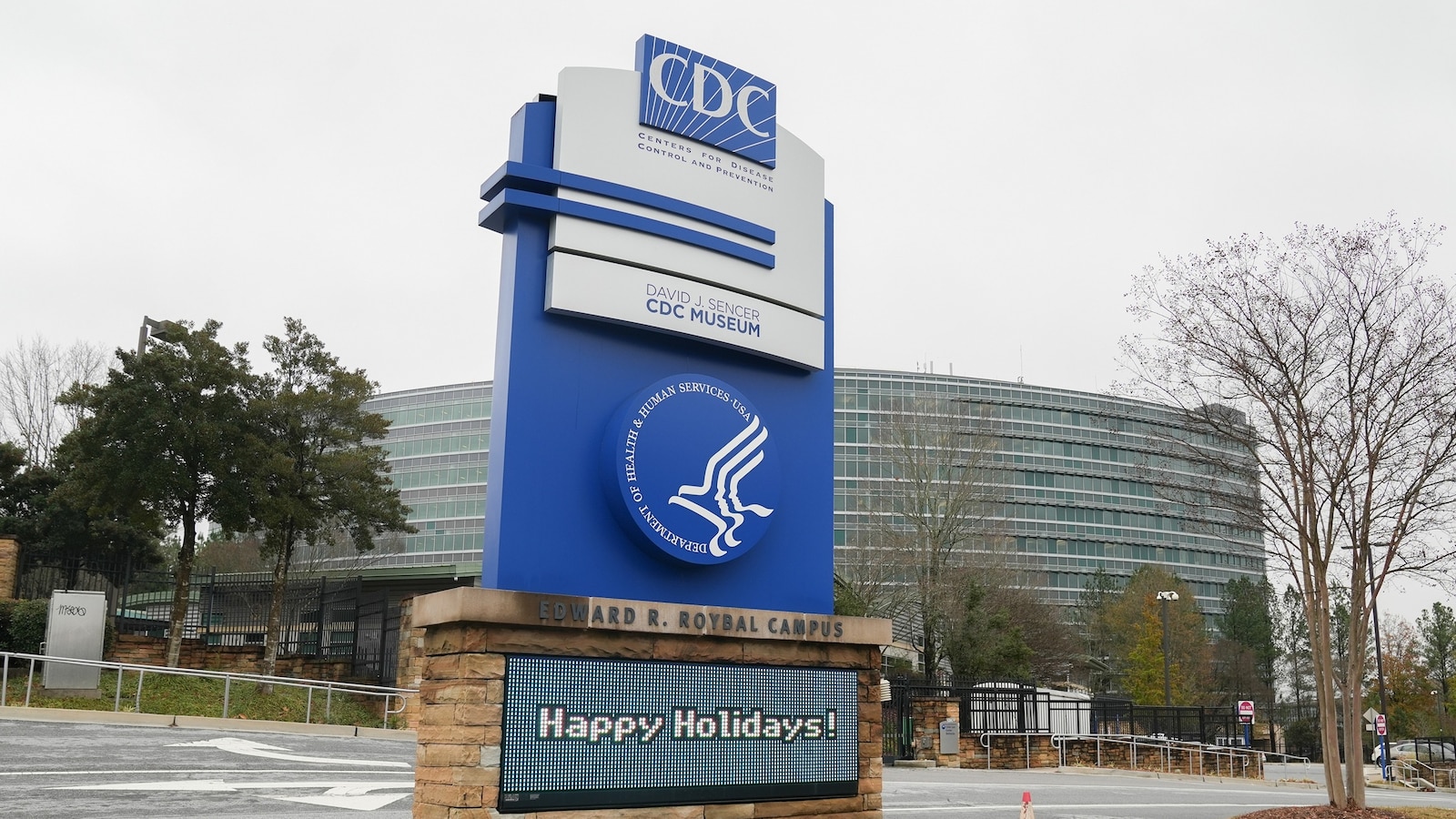
On Tuesday, the Centers for Disease Control and Prevention said in a statement, in part, that "at this time, there is no indication of a broader threat to the United States, but CDC and our interagency partners are prepared and will continue to monitor the situation closely." Plague is a disease caused by the bacterium Yersinia pestis, according to the CDC. uncertain
Plague → say → CDC
Symptoms often include fever, chills and weakness. asserted
Symptoms → include → fever
Plague can be treated with antibiotics. asserted
Plague → treat → antibiotics
The earlier antibiotics are received, the higher the chances of a full recovery. asserted
antibiotics → receive → recovery
The U.S. averages about seven cases of plague each year, mostly in Western states, according to the CDC, which notes it has been more than a century since the U.S. has seen a documented case of person-to-person spread of plague. uncertain
U.S. → average → plague
ABC News' Youri Benadjaoud contributed to this report. asserted
Benadjaoud → contribute → report

💬Give feedback
🕘History 🎫Support